


Medical Disclaimer: This content is for educational purposes only. It is not medical advice. Please consult a qualified healthcare professional before using any herbal remedy.
Safety Overview
1.Indian Cherry — Essential Profile
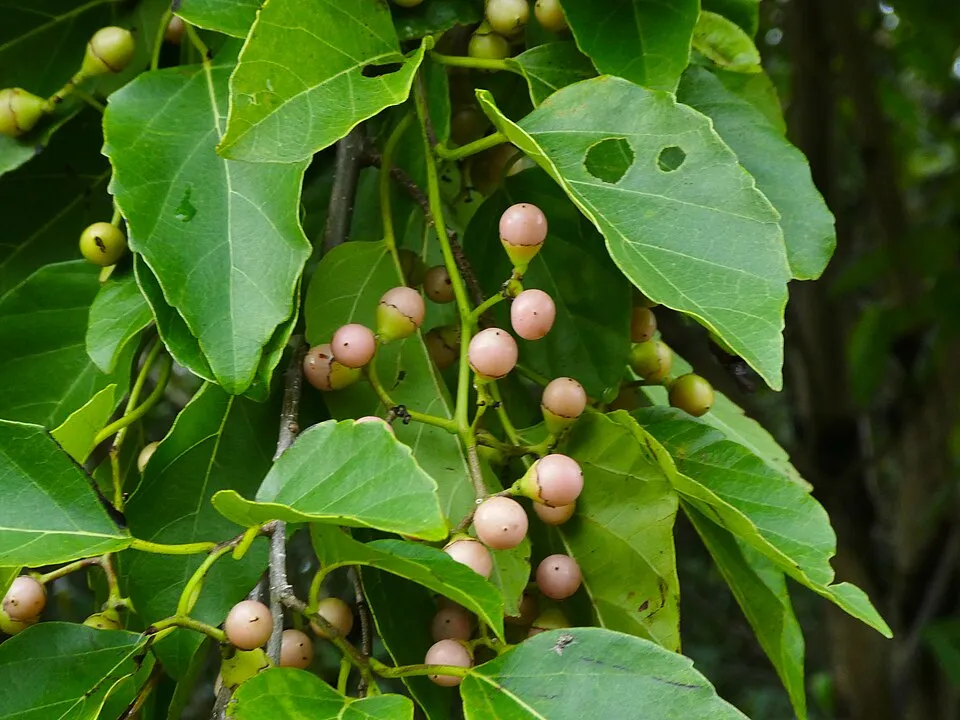
Indian Cherry, scientifically known as Cordia dichotoma, is a distinctive medium-sized deciduous tree belonging to the family Boraginaceae, widely recognized for its ecological adaptability and significant ethnobotanical value. Typically growing to heights of 6 to 8 meters, and occasionally reaching up to 12 meters, it is characterized by a relatively short, often crooked trunk and a broad, spreading crown that offers substantial shade. The bark is a prominent feature, displaying a greyish-brown hue with a rough texture, marked by deep, longitudinal fissures and a tendency to exfoliate in irregular flakes, which imparts a rugged, aged appearance. The foliage consists of simple, alternate leaves that are broadly ovate to elliptic, typically measuring between 8 to 15 centimeters in length and 5 to 10 centimeters in width. Their surface is generally glossy dark green and smooth, featuring a slightly undulate margin and prominent reticulate venation.
The leaf apex can vary from obtuse to shortly acuminate, while the base is often rounded or subtly cordate. During its flowering season, Cordia dichotoma produces small, hermaphroditic flowers arranged in lax terminal or axillary corymbose cymes. These delicate blossoms are typically white to yellowish, sometimes with a faint purplish tinge, each approximately 2 to 3 centimeters in diameter, featuring five distinct petals and a visible central stigma. The fruit is the tree's most characteristic feature—a small, globose to ovoid drupe, resembling a cherry in shape, typically 1 to 2 centimeters in diameter. Immature fruits are green and often sticky due to a mucilaginous pulp, while ripe fruits transition to a vibrant red or orange color, containing a single stone (seed) encased in a sweet, translucent, and highly viscid pulp.
Cordia dichotoma is indigenous to a vast expanse of tropical and subtropical Asia, with its primary distribution across India, Pakistan, Bangladesh, Nepal, Myanmar, and parts of Southeast Asia, including the Philippines and Southern China. It thrives in diverse environments, from the dry deciduous forests of Rajasthan to the moist deciduous forests of the Western Ghats in India, and even in tidal forests in Myanmar. It can be found ascending up to about 1,500 meters in the sub-Himalayan tract, often growing singly in moist, shady ravines and valleys, showcasing its resilience across varied climatic conditions. Trusted Scientific References Authoritative external sources for Cordia dichotoma : ...[CURRENT TEXT EXISTS: 2647 chars]
1.1.Indian Cherry — Notable Characteristics
- ✓Deciduous Tree — Medium-sized tree shedding leaves seasonally.
- ✓Edible Fruits — Sweet, sticky, mucilaginous drupes resembling cherries.
- ✓Medicinal Versatility — Used traditionally for a wide array of ailments from coughs to diabetes.
- ✓Anti — inflammatory Properties — Contains compounds known to reduce inflammation.
- ✓Digestive Aid — Fruit pulp acts as a demulcent, soothing digestive tracts.
- ✓Wide Distribution — Native to tropical and subtropical regions across Asia.
- ✓Resilient Growth — Thrives in diverse forest types and altitudes.
- ✓Phytochemical Richness — Contains alkaloids, flavonoids, coumarins, and sterols.
- ✓Shade Provider — Its spreading crown offers ample shade.
- ✓Traditional Medicine Staple — Integral to Ayurvedic, Unani, and other indigenous systems.
1.2.Indian Cherry — Quick Summary
- ✓Indian Cherry (Cordia dichotoma) is a versatile deciduous tree native to tropical Asia.
- ✓Known for its edible, sticky, mucilaginous fruits and broad ethnobotanical uses.
- ✓Rich in phytochemicals like flavonoids, saponins, terpenes, and sterols.
- ✓Traditionally used for antidiabetic, anti-inflammatory, antiulcer, and antitussive effects.
- ✓Fruits are eaten fresh, while bark and leaves are used in decoctions and poultices.
- ✓Caution advised due to presence of pyrrolizidine alkaloids and potential drug interactions.
2.Indian Cherry — Nomenclature & Classification
3.Indian Cherry — Key Data
4.Indian Cherry — Botanical Features
5.Indian Cherry — Origin & Spread
6.Indian Cherry — Heritage Uses
7.Indian Cherry — Phytochemistry
- ✓Pyrrolizidine Alkaloids — These nitrogen-containing compounds are present in Cordia dichotoma and can exert various pharmacological effects, though some classes require careful consideration due to potential hepatotoxicity.
- ✓Coumarins — A class of organic compounds known for their anticoagulant, anti-inflammatory, and antioxidant properties, contributing to the plant's therapeutic profile.
- ✓Flavonoids — Powerful antioxidants and anti-inflammatory agents, such as quercetin derivatives, which help protect cells from oxidative damage and support overall health.
- ✓Saponins — Glycosides that produce a frothing in water, known for their expectorant, immune-modulating, and cholesterol-lowering properties.
- ✓Terpenes — A diverse group of organic compounds responsible for the plant's aroma and various medicinal actions, including anti-inflammatory and antimicrobial effects.
- ✓Sterols — Including compounds like β-sitosterol, which is known for its anti-inflammatory, immune-modulating, and cholesterol-lowering properties, supporting cardiovascular health.
- ✓Polysaccharides — Found abundantly in the fruit's sticky pulp, these complex carbohydrates contribute to its demulcent properties and may have immunomodulatory effects.
- ✓Phenolic Acids — These compounds act as antioxidants and contribute to the plant's anti-inflammatory and protective effects against cellular damage.
8.Indian Cherry — Pharmacological Findings
- ✓Antidiabetic Activity — Extracts from Cordia dichotoma have shown potential in traditional medicine for managing blood sugar levels, suggesting possible hypoglycemic effects.
- ✓Antiulcer Properties — Various parts of the plant are traditionally used to treat ulcers, indicating potential gastroprotective and healing actions on the gastric mucosa.
- ✓Anti-inflammatory Effects — The plant possesses compounds that may help reduce inflammation throughout the body, providing relief from inflammatory conditions.
- ✓Immune-modulator Activity — Cordia dichotoma is believed to influence the immune system, potentially enhancing or balancing immune responses.
- ✓Analgesic Properties — Traditionally, it has been employed to alleviate pain, suggesting natural pain-relieving capabilities.
- ✓Antibacterial Action — The plant has been used in traditional systems like Unani medicine for its ability to combat bacterial infections.
- ✓Antiviral Potential — Components within Cordia dichotoma are thought to possess antiviral activity, contributing to its use against viral ailments.
- ✓Antitussive Effects — Often included in polyherbal formulations, it helps suppress coughs and soothe respiratory irritation.
- ✓Anthelmintic Use — Leaves are traditionally utilized to expel parasitic worms from the body.
- ✓Expectorant Qualities — It aids in clearing mucus from the respiratory tract, making it beneficial for coughs and congestion.
- ✓Demulcent Action — The mucilaginous fruit provides a soothing effect on irritated mucous membranes, particularly in the throat and digestive system.
- ✓Astringent Effects — Certain plant parts exhibit astringent properties, useful for tightening tissues and reducing secretions, such as in cases of diarrhea.
8.1.Indian Cherry — Conditions Traditionally Used For
9.Indian Cherry — Cautions & Contraindications
9.1.Indian Cherry — Reported Side Effects
- ✓Pyrrolizidine Alkaloid Toxicity — Prolonged or excessive consumption, especially of bark or leaves, may pose a risk of liver damage due to certain pyrrolizidine alkaloids.
- ✓Allergic Reactions — Some individuals may experience allergic responses such as skin rash or gastrointestinal discomfort.
- ✓Digestive Upset — High intake of the mucilaginous fruit can cause bloating or mild laxative effects in sensitive individuals.
- ✓Drug Interactions — Potential for interactions with medications, particularly those affecting liver function or blood clotting, given the presence of coumarins.
- ✓Pregnancy and Lactation — Lack of sufficient safety data advises against use during pregnancy and breastfeeding.
- ✓Blood Sugar Fluctuations — Due to its reported antidiabetic activity, individuals on antidiabetic medication should monitor blood sugar closely to avoid hypoglycemia.
9.2.Indian Cherry — Clinical Safety Notes
- ✓Pregnancy and Lactation — Use is not recommended during pregnancy or breastfeeding due to insufficient safety data and the presence of pyrrolizidine alkaloids.
- ✓Liver Conditions — Individuals with pre-existing liver disease should avoid Cordia dichotoma due to potential hepatotoxic pyrrolizidine alkaloids.
- ✓Children — Caution is advised for pediatric use; consult a healthcare professional before administering to children.
- ✓Medication Interactions — Consult a healthcare provider if taking medications, especially anticoagulants, antidiabetics, or liver-metabolized drugs.
- ✓Dosage — Adhere strictly to recommended dosages and duration of use to minimize potential risks.
- ✓Harvesting Practices — Ensure plant material is sourced from reputable suppliers to avoid contamination and ensure correct species identification.
- ✓Allergic Sensitivity — Discontinue use if any signs of allergic reaction or adverse effects occur.
10.Indian Cherry — Preparation Methods
- ✓Fruit Consumption — Ripe, sweet, and mucilaginous fruits can be eaten fresh, often enjoyed for their unique taste and demulcent properties.
- ✓Herbal Decoction (Bark/Leaves) — Bark and leaves can be boiled in water to create a decoction, traditionally used for fevers, diarrhea, and as an anti-inflammatory.
- ✓Leaf Poultice — Fresh leaves can be crushed and applied externally as a poultice to soothe skin irritations or aid in wound healing.
- ✓Seed Paste — Seeds, once processed, might be used in traditional formulations, potentially for their anthelmintic properties.
- ✓Infusion (Leaves) — Dried leaves can be steeped in hot water to prepare an herbal tea, often consumed for respiratory ailments or as a tonic.
- ✓Traditional Syrups — The sticky fruit pulp is sometimes incorporated into traditional cough syrups or formulations for soothing sore throats and digestive issues.
- ✓Culinary Use (Unripe Fruit) — Unripe fruits are often pickled or used in savory dishes in certain cuisines before they fully ripen and become very sticky.
11.Indian Cherry — How to Grow
- ✓Propagation — Primarily propagated by seeds, which should be fresh and sown directly or in nursery beds for transplanting.
- ✓Climate — Thrives in tropical and subtropical regions, preferring warm temperatures and tolerant of both dry and moist conditions.
- ✓Soil Requirements — Adapts to a variety of soil types but prefers well-drained, fertile loamy soils with a pH range of 6.0 to 7.5.
- ✓Water — Requires moderate watering, especially during dry spells and in its early growth stages; established trees are relatively drought-tolerant.
- ✓Sunlight — Prefers full sun exposure for optimal growth and fruit production, though it can tolerate partial shade.
- ✓Spacing — When planting, allow adequate space for its spreading crown, typically 6-8 meters between trees.
- ✓Pests and Diseases — Generally robust, but young plants can be susceptible to common pests; regular inspection and organic pest control methods are recommended.
Reviewed by the Flora Medical Global Botanical Review Panel
Multi-disciplinary editorial group · Botany · Ethnobotany · Herbal-medicine literature
Who reviewed this: This page was checked by the Flora Medical Global Botanical Review Panel — an in-house editorial group of botany graduates, ethnobotany researchers, and horticulture practitioners who collectively maintain our 7,000+ plant encyclopedia. Meet the team.
Our 4-step verification process
1. Taxonomic verification
Scientific names and synonyms cross-checked against Kew POWO, World Flora Online, and The Plant List.
2. Phytochemical & medicinal cross-reference
Active compounds, traditional uses, and reported activities are cross-referenced with PubMed, USDA Dr. Duke's database, and peer-reviewed ethnobotanical literature.
3. Conservation & distribution check
Distribution, ecology, and conservation status confirmed against GBIF occurrence records and the IUCN Red List.
4. Editorial & safety review
Every entry passes an editorial pass for clarity, originality, and safety notices (toxicity, contraindications, dosage caveats) before publication.
Last reviewed:
Important medical disclaimer: This content is for educational and research purposes only. It is not medical advice and is not a substitute for consultation with a licensed healthcare provider. Do not use any herb to self-treat a medical condition without professional guidance.
Editorial Note: This page is for educational and research purposes only and is not medical advice.
Written by: Flora Medical Global Editorial Team
Reviewed by: Flora Medical Global Botanical Review Panel
Last Updated: June 16, 2026





Indian Cherry — Comments & Community Reviews
Rate this plant