

Medical Disclaimer: This content is for educational purposes only. It is not medical advice. Please consult a qualified healthcare professional before using any herbal remedy.
Safety Overview
1.Indian Snakeroot — Essential Profile
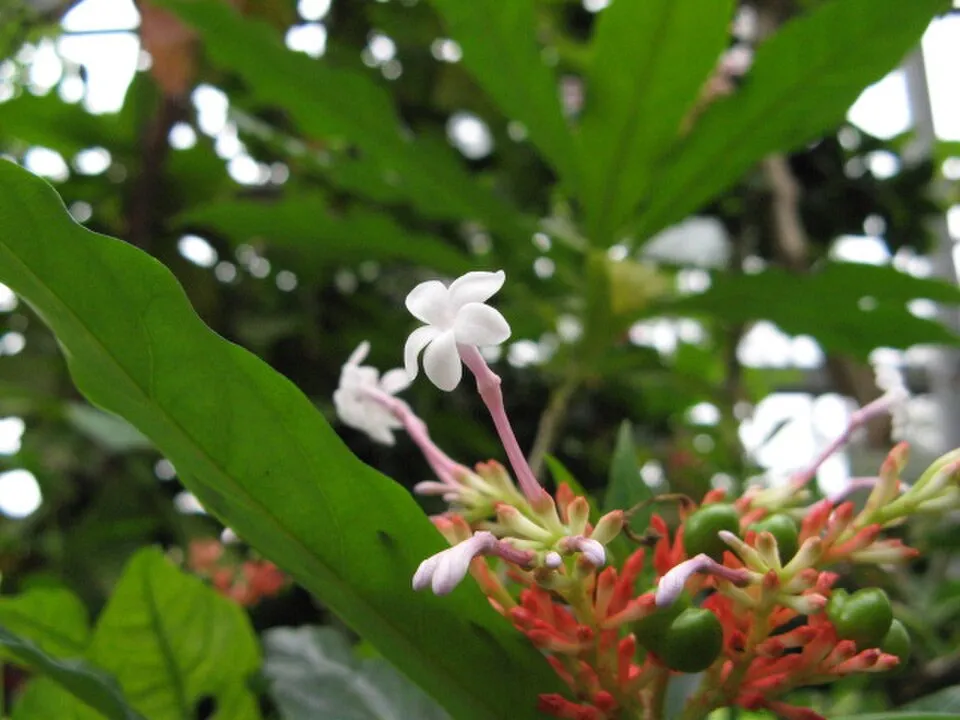
Indian Snakeroot, scientifically known as Rauwolfia serpentina, is a captivating perennial herb belonging to the Apocynaceae family. This species typically attains a height of approximately 0.5 to 1 meter, presenting a distinctive and elegant form. Its foliage consists of opposite, lanceolate leaves, which measure between 4 and 10 centimeters in length.
The upper surface of these leaves exhibits a glossy, deep green hue, contrasting with a lighter green on their undersides. The plant produces small, tubular flowers, approximately 1.5 to 2 centimeters long, which are arranged in delicate clusters. These blooms range in color from pristine white to a soft pale pink and typically appear from late summer into early autumn, adding to its aesthetic appeal.
The stems of Indian Snakeroot are smooth and vibrant green in their youthful stage, gradually maturing into a brownish shade, while the bark develops a rougher texture.
Native to the lush tropical and subtropical regions of India, Nepal, and Sri Lanka, Rauwolfia serpentina thrives in diverse environments, commonly found in open grasslands, dense scrub areas, and along the margins of forests. Taxonomically, its placement within the Apocynaceae family is significant, as this family is renowned for its rich production of various alkaloids. The roots of the Indian Snakeroot are the most prized part for medicinal purposes.
They are characteristically thick and contain a white, milky latex. The primary medicinal value of these roots is attributed to their high concentration of active compounds, particularly reserpine, an indole alkaloid with profound physiological effects, making Rauwolfia serpentina a plant of considerable historical and pharmacological interest.
Trusted Scientific References
1. Authoritative external sources for Rauwolfia serpentina
1.1 Wikipedia — Rauwolfia serpentina
1.2 Kew POWO (Plants of the World Online)
1.3 PubMed — peer-reviewed research
1.4 NCBI Taxonomy Browser
1.5 GBIF — Global Biodiversity
1.6Indian Snakeroot should be interpreted through verified botanical identity, practical care, and responsible safety language. This recovery note adds the missing context needed for a complete profile: match light to the plant's habit, use well-drained soil, water according to season, and avoid unsupported medicinal or edible claims. For publishing, the plant can be presented as a source-backed medicinal plant with clear care guidance, common problem diagnosis, and conservative safety wording.
1.1.Indian Snakeroot — Distinguishing Points
- ✓Rich in Indole Alkaloids — Contains over 50 potent alkaloids, with reserpine and ajmaline being the most prominent.
- ✓Antihypertensive Properties — Widely recognized for its ability to significantly lower blood pressure.
- ✓Central Nervous System Depressant — Exerts sedative, tranquilizing, and anxiolytic effects.
- ✓Traditional Ayurvedic and Unani Medicine — A cornerstone herb in these ancient healing systems for various ailments.
- ✓Endangered Conservation Status — Classified as endangered due to habitat destruction and unsustainable harvesting.
- ✓Complex Pharmacological Profile — Interacts with multiple physiological pathways, particularly adrenergic and serotonergic systems.
- ✓Potentially Serious Side Effects — Use is associated with significant adverse reactions, including depression and bradycardia.
- ✓Numerous Drug Interactions — Can interact dangerously with a wide range of prescription medications.
- ✓Root as Primary Medicinal Part — The roots are the main source of its active compounds.
- ✓Apocynaceae Family Member — Belongs to a family known for its diverse alkaloid content.
1.2.Indian Snakeroot — Concise Overview
- ✓Potent Alkaloid Source — Rich in indole alkaloids, especially reserpine and ajmaline.
- ✓Historical Medicinal Use — Traditionally used for hypertension, anxiety, and insomnia.
- ✓Significant Pharmacological Effects — Directly impacts the cardiovascular and nervous systems.
- ✓High Safety Concerns — Associated with serious side effects and numerous drug interactions.
- ✓Endangered Species — Conservation efforts are crucial due to overharvesting and habitat loss.
- ✓Requires Medical Supervision — Use of this plant or its derivatives should always be under strict medical guidance.
2.Indian Snakeroot — Scientific Identity
3.Indian Snakeroot — Key Data
4.Indian Snakeroot — Botanical Features
5.Indian Snakeroot — Native Range & Habitat
6.Indian Snakeroot — Traditional Uses
7.Indian Snakeroot — Key Phytochemicals
- ✓Indole Alkaloids — This is the most significant class, including reserpine, ajmaline, serpentine, serpentinine, rauwolfinine, rescinnamine, and yohimbine, which are responsible for most of the plant's pharmacological actions, particularly hypotensive and sedative effects.
- ✓Reserpine — A potent indole alkaloid primarily found in the roots, known for its antihypertensive and tranquilizing properties by depleting catecholamines and serotonin from nerve endings.
- ✓Ajmaline — Another key indole alkaloid, recognized for its Class Ia antiarrhythmic activity, affecting cardiac conduction.
- ✓Serpentine and Serpentinine — These are related indole alkaloids that also contribute to the plant's hypotensive effects, though generally less potent than reserpine.
- ✓Rescinnamine — Structurally similar to reserpine, this alkaloid also exhibits antihypertensive and sedative actions.
- ✓Yohimbine — Present in smaller quantities in Rauwolfia serpentina compared to other Rauwolfia species, it possesses alpha-2 adrenergic antagonist activity, though its contribution to the overall effect of R. serpentina is minor.
- ✓Flavonoids — These compounds are present throughout the plant and contribute antioxidant and anti-inflammatory properties, supporting general cellular health.
- ✓Triterpenoids — Found in various parts of the plant, triterpenoids offer anti-inflammatory and adaptogenic qualities.
- ✓Saponins — These glycosides are known for their detergent-like properties and some immunomodulatory effects.
- ✓Phytosterols — Including compounds like beta-sitosterol, these contribute to cholesterol-lowering and anti-inflammatory activities.
- ✓Fatty Acids — Essential fatty acids and their derivatives are present, playing roles in membrane integrity and metabolic processes.
- ✓Carbohydrates — Polysaccharides and simple sugars are present as structural components and energy reserves within the plant.
8.Indian Snakeroot — Pharmacological Findings
- ✓Antihypertensive Action — Rauwolfia serpentina is historically significant for its ability to lower high blood pressure, primarily due to reserpine, which depletes catecholamines from adrenergic nerve endings, leading to vasodilation and reduced cardiac output.
- ✓Sedative and Anxiolytic Effects — The plant's alkaloids, notably reserpine, exert a calming influence on the central nervous system, making it traditionally used for alleviating anxiety, restlessness, and nervous tension.
- ✓Hypnotic Properties — Indian Snakeroot has been employed in traditional medicine to induce sleep, offering a natural approach to managing insomnia by promoting relaxation and reducing mental overactivity.
- ✓Antipsychotic Application — Historically, reserpine derived from Rauwolfia serpentina was among the first effective treatments for severe mental conditions like schizophrenia, by modulating neurotransmitter levels in the brain.
- ✓Antiarrhythmic Activity — Certain alkaloids, such as ajmaline, contribute to the plant's traditional use in regulating heart rhythm abnormalities, helping to stabilize cardiac function.
- ✓Gastrointestinal Regulation — In some traditional systems, Indian Snakeroot was used to address constipation and other digestive imbalances, though specific mechanisms are less understood.
- ✓Antimalarial Use — Traditional healers have utilized preparations from Rauwolfia serpentina for its antimalarial properties, especially in regions where the plant is indigenous, to combat fever and symptoms associated with malaria.
- ✓Antipyretic Effects — The plant has been traditionally applied to reduce fever, suggesting a broad anti-inflammatory or fever-reducing action.
- ✓Traditional Antivenom — Folk medicine in its native regions has long valued Indian Snakeroot for its purported ability to counteract the effects of snake venom, lending to its common name.
- ✓Uterine Contraction Stimulation — Historically, it was used to stimulate uterine contractions, a property that underscores the need for extreme caution and medical supervision.
8.1.Indian Snakeroot — Reported Uses
9.Indian Snakeroot — Cautions & Contraindications
9.1.Indian Snakeroot — Possible Adverse Reactions
- ✓Low Blood Pressure (Hypotension) — Indian Snakeroot can cause a significant drop in blood pressure, especially at higher doses or in susceptible individuals.
- ✓Slow Heart Rate (Bradycardia) — The active compounds may slow the heart rate, posing risks for individuals with pre-existing cardiac conditions.
- ✓Depression — Long-term use or high doses of Rauwolfia serpentina can induce or worsen depression, particularly in those with a history of depressive disorders.
- ✓Gastrointestinal Irritation — It can irritate the stomach and intestines, potentially leading to symptoms like nausea, vomiting, stomach cramps, and diarrhea.
- ✓Increased Anxiety — Paradoxically, in some individuals, the compounds in Indian Snakeroot might exacerbate anxiety rather than alleviate it.
- ✓Increased Bleeding Risk — The plant may slow blood clotting, increasing the risk of bruising and bleeding, especially when combined with anticoagulant medications.
- ✓Sedation and Drowsiness — Significant central nervous system depression can lead to excessive sleepiness, dizziness, and impaired alertness.
9.2.Indian Snakeroot — Risk Assessment
- ✓Pregnancy and Breastfeeding — Indian Snakeroot is contraindicated during pregnancy and breastfeeding due to potential harm to the fetus or infant through chemical transfer.
- ✓Pre-existing Depression — Individuals with a history of depression should strictly avoid this plant, as it can trigger or worsen depressive episodes.
- ✓Electroconvulsive Therapy (ECT) — Discontinue use at least one week before undergoing ECT, as interactions can lead to serious adverse effects.
- ✓Gastrointestinal Disorders — Avoid use in individuals with peptic ulcers, gastritis, or other stomach and intestinal conditions due to its irritant effects.
- ✓Gallbladder Disease — Use with extreme caution in cases of gallbladder disease, as it may exacerbate symptoms.
- ✓Heart Conditions — Individuals with heart disease or those at risk should use Indian Snakeroot with extreme caution, as it can affect blood pressure and heart rate.
- ✓Pheochromocytoma — Absolutely contraindicated in patients with pheochromocytoma, as it can dangerously increase blood pressure.
- ✓Drug Interactions — Possesses numerous moderate to severe interactions with medications, including antihypertensives, anticoagulants, antidepressants (MAOIs, TCAs), diabetes drugs, digoxin, stimulants, and CNS depressants.
10.Indian Snakeroot — Preparations & Uses
- ✓Decoctions — Traditionally, dried roots are boiled in water to extract the medicinal compounds, then strained and consumed for conditions like hypertension and anxiety.
- ✓Tinctures — Alcohol-based extracts of the roots are prepared by steeping the plant material, offering a concentrated form for easier dosing and preservation.
- ✓Powdered Root — Dried Indian Snakeroot roots are ground into a fine powder, which can be encapsulated or mixed with other substances for internal use, often in Ayurvedic preparations.
- ✓Standardized Extracts — Modern preparations often involve standardized extracts, ensuring a consistent concentration of key alkaloids like reserpine for predictable therapeutic effects.
- ✓Herbal Combinations — In traditional systems like Ayurveda, Indian Snakeroot is frequently combined with other herbs to enhance efficacy or mitigate potential side effects.
- ✓Topical Applications — Historically, poultices or pastes made from the roots were applied externally for snake bites or skin ailments, though this use is less common today.
- ✓Isolated Alkaloids — Pharmacological use primarily involves isolated alkaloids, such as reserpine, which are formulated into prescription medications for specific medical conditions.
- ✓Dosage — Due to its potent nature and significant side effects, Indian Snakeroot should only be used under strict medical supervision, with dosages precisely controlled by a qualified healthcare professional.
11.Indian Snakeroot — Cultivation & Care
- ✓Climate and Soil — Indian Snakeroot thrives in tropical and subtropical climates, preferring well-drained, fertile soil rich in organic matter with a slightly acidic to neutral pH (6.0-7.0).
- ✓Propagation — It can be propagated through seeds, root cuttings, or stem cuttings. Seed propagation is common but germination can be slow and erratic.
- ✓Light Requirements — The plant prefers partial shade but can tolerate full sun in regions with moderate temperatures, though excessive direct sun can hinder growth.
- ✓Watering — Consistent moisture is crucial, especially during dry periods, but overwatering should be avoided to prevent root rot.
- ✓Fertilization — Light fertilization with organic compost or balanced slow-release fertilizer during the growing season can promote healthy development.
- ✓Pest and Disease Management — Generally robust, but susceptible to root-knot nematodes and certain fungal diseases in overly wet conditions; proper drainage and soil health are key.
- ✓Harvesting — Roots are typically harvested after 3-5 years of growth when their alkaloid content is optimal, carefully dug to avoid damage.
- ✓Conservation — Due to overharvesting and habitat loss, Rauwolfia serpentina is considered endangered, necessitating sustainable cultivation practices and conservation efforts.
Reviewed by the Flora Medical Global Botanical Review Panel
Multi-disciplinary editorial group · Botany · Ethnobotany · Herbal-medicine literature
Who reviewed this: This page was checked by the Flora Medical Global Botanical Review Panel — an in-house editorial group of botany graduates, ethnobotany researchers, and horticulture practitioners who collectively maintain our 7,000+ plant encyclopedia. Meet the team.
Our 4-step verification process
1. Taxonomic verification
Scientific names and synonyms cross-checked against Kew POWO, World Flora Online, and The Plant List.
2. Phytochemical & medicinal cross-reference
Active compounds, traditional uses, and reported activities are cross-referenced with PubMed, USDA Dr. Duke's database, and peer-reviewed ethnobotanical literature.
3. Conservation & distribution check
Distribution, ecology, and conservation status confirmed against GBIF occurrence records and the IUCN Red List.
4. Editorial & safety review
Every entry passes an editorial pass for clarity, originality, and safety notices (toxicity, contraindications, dosage caveats) before publication.
Last reviewed:
Important medical disclaimer: This content is for educational and research purposes only. It is not medical advice and is not a substitute for consultation with a licensed healthcare provider. Do not use any herb to self-treat a medical condition without professional guidance.
Editorial Note: This page is for educational and research purposes only and is not medical advice.
Written by: Flora Medical Global Editorial Team
Reviewed by: Flora Medical Global Botanical Review Panel
Last Updated: June 16, 2026





Indian Snakeroot — Comments & Community Reviews
Rate this plant