
Medical Disclaimer: This content is for educational purposes only. It is not medical advice. Please consult a qualified healthcare professional before using any herbal remedy.
Safety Overview
1.Indian Sorrel — Plant Snapshot

Indian Sorrel, scientifically known as Oxalis corniculata, is a ubiquitous perennial herbaceous plant belonging to the large and diverse family Oxalidaceae. This low-growing species typically forms creeping mats, reaching a modest height of 15-30 cm, although its prostrate stems can spread extensively, rooting at the nodes to colonize new areas. Its distinctive foliage consists of trifoliate leaves, strikingly similar to miniature clover, with each leaflet measuring approximately 2-4 cm in length. These heart-shaped leaflets are typically a vibrant, shiny green, often exhibiting a subtle purple tinge along their pronounced central veins, particularly in cooler conditions or when exposed to direct sunlight. The plant's slender stems are initially succulent and green, gradually developing a reddish hue as they mature.
Throughout much of the year, but particularly abundant in spring and summer, Indian Sorrel produces charming, small, bright yellow flowers. Each flower possesses five delicate petals and forms in loose clusters, adding a touch of color to its verdant spread. Following successful pollination, these flowers develop into characteristic elongated, capsule-like seed pods that, upon maturity, explosively dehisce to scatter tiny seeds, contributing to the plant's remarkable propagation success. Oxalis corniculata thrives in a wide array of environments, predominantly found across tropical and subtropical regions globally, but also adapting to temperate zones. It demonstrates a strong preference for moist, shaded habitats, frequently establishing itself in gardens, lawns, agricultural fields, forest edges, and other disturbed sites.
Its adaptability and rapid growth rate, often through both vegetative propagation and prolific seed dispersal, allow it to become a widespread presence, sometimes considered a garden weed due to its tenacious nature. Taxonomically, Indian Sorrel is classified under the order Oxalidales, highlighting its close relationship to other members of the Oxalidaceae family, such as various sorrels and wood-sorrels. Historically, this plant has been recognized across many cultures, particularly in traditional medicine systems like Ayurveda, where it is known as 'Changeri.' Its widespread distribution and ease of access have made it a readily available resource for generations, contributing to its rich ethnobotanical history.
Trusted Scientific References
Authoritative external sources for Oxalis Corniculata:
1.1.Indian Sorrel — Defining Traits
- ✓Botanical Name — Oxalis corniculata
- ✓Common Names — Indian Sorrel, Creeping Woodsorrel, Changeri, Khattī-mīṭhī
- ✓Plant Type — Perennial herbaceous plant
- ✓Leaf Morphology — Trifoliate, heart-shaped leaflets, often purplish veins
- ✓Flower Characteristics — Small, bright yellow, five-petaled, clustered
- ✓Fruit Type — Explosively dehiscent capsule-like pods
- ✓Habitat — Moist, shaded areas, gardens, lawns, disturbed sites
- ✓Geographic Distribution — Tropical, subtropical, and temperate regions worldwide
- ✓Traditional Medicine System — Prominently used in Ayurveda
- ✓Key Phytochemicals — Oxalic acid, flavonoids, ascorbic acid, minerals
- ✓Medicinal Actions — Anti-inflammatory, antioxidant, astringent, antimicrobial, digestive aid
- ✓Nutritional Value — Rich in Vitamin C, Vitamin A, Vitamin B complex, Calcium, Iron
- ✓Growth Habit — Creeping, prostrate stems rooting at nodes
- ✓Propagation — Seeds, stem cuttings, rhizome division
- ✓Culinary Use — Leaves have a tart, lemony flavor; used in salads or as a souring agent (in moderation)
1.2.Indian Sorrel — At-a-Glance Summary
- ✓Indian Sorrel (Oxalis corniculata) is a widespread perennial herb known as 'Changeri' in Ayurveda.
- ✓Characterized by trifoliate, heart-shaped leaves and small yellow flowers.
- ✓Rich in oxalic acid, flavonoids, and vitamins, especially Vitamin C.
- ✓Traditionally used for digestive health, inflammation, antioxidant support, and wound healing.
- ✓Possesses astringent, antimicrobial, antipyretic, and carminative properties.
- ✓Caution advised due to high oxalic acid content, especially for kidney stone sufferers.
- ✓Used in various forms — fresh juice, paste, decoction, and dried powder.
- ✓Grows easily in moist, shaded environments, often considered a garden weed.
2.Indian Sorrel — Scientific Identity
3.Indian Sorrel — Categories & Tags
4.Indian Sorrel — Morphological Account
5.Indian Sorrel — Cultural & Traditional Roles
6.Indian Sorrel — Bioactive Constituents
- ✓Organic Acids — Oxalic acid, a prominent compound, contributes to the plant's characteristic tart taste and is involved in various physiological processes, though high concentrations necessitate caution.
- ✓Flavonoids — Key compounds like rutin, quercetin, and orientin are responsible for significant antioxidant, anti-inflammatory, and potentially anti-cancer activities within the plant.
- ✓Ascorbic Acid (Vitamin C) — Abundant in Indian Sorrel, Vitamin C is a powerful antioxidant essential for immune function, collagen synthesis, and protection against oxidative stress.
- ✓Carotenoids — Including beta-carotene (a precursor to Vitamin A), these pigments contribute to antioxidant defense and are vital for vision and immune health.
- ✓Phenolic Acids — Compounds such as gallic acid and caffeic acid contribute to the plant's overall antioxidant capacity and may possess anti-inflammatory properties.
- ✓Alkaloids — While typically present in smaller quantities, some alkaloids may contribute to the plant's pharmacological effects, though specific types and actions require further elucidation.
- ✓Terpenoids — These diverse organic compounds, including triterpenoids, may contribute to anti-inflammatory, antimicrobial, and adaptogenic properties.
- ✓Tannins — Responsible for the plant's astringent qualities, tannins help in tissue constriction and can have antiseptic effects, aiding in wound healing and digestive issues.
- ✓Minerals — Rich in essential minerals such as calcium, iron, magnesium, potassium, and sodium, which are crucial for various bodily functions including bone health, nerve transmission, and fluid balance.
- ✓Vitamins (B-complex) — Contains vitamins like Vitamin B1 (thiamine) and Vitamin B9 (folate), important for energy metabolism, neurological function, and cell growth.
- ✓Glycosides — Various glycosides may be present, influencing the plant's overall biological activity and contributing to its therapeutic effects.
- ✓Saponins — These compounds can have expectorant, anti-inflammatory, and cholesterol-lowering properties, though their specific role in Oxalis corniculata requires more research.
- ✓Dietary Fiber — Provides a source of dietary fiber, beneficial for digestive health and maintaining gut regularity.
7.Indian Sorrel — Research Insights
- ✓Digestive Health Support — Indian Sorrel aids digestion by stimulating appetite and promoting healthy gut function, potentially alleviating discomfort from indigestion and flatulence through its carminative properties.
- ✓Anti-inflammatory Action — The plant contains compounds, such as flavonoids, that exhibit potent anti-inflammatory effects, helping to reduce swelling and pain associated with various inflammatory conditions.
- ✓Antioxidant Protection — Rich in ascorbic acid (Vitamin C) and other phenolic compounds, Oxalis corniculata acts as a powerful antioxidant, neutralizing free radicals and protecting cells from oxidative damage.
- ✓Immune System Modulation — Its high vitamin content, particularly Vitamin C, contributes to a robust immune response, supporting the body's natural defense mechanisms against pathogens.
- ✓Astringent Properties — Indian Sorrel possesses natural astringent qualities, useful in conditions like bleeding piles, dysentery, and menorrhagia, by helping to constrict tissues and reduce fluid discharge.
- ✓Fever Reduction (Antipyretic) — Traditionally, extracts from its leaves have been used to help lower elevated body temperatures, providing relief during febrile episodes.
- ✓Antimicrobial Activity — Studies suggest that Oxalis corniculata exhibits antimicrobial and antifungal properties, potentially inhibiting the growth of various bacteria and fungi.
- ✓Wound Healing — Applied topically, its preparations have been traditionally used to accelerate the healing of cuts and wounds due to its astringent and antimicrobial effects.
- ✓Eye Health Enhancement — Historically, diluted juice has been applied to the eyes to alleviate strain and address minor issues like corneal opacity, attributed to its cooling and anti-inflammatory nature.
- ✓Insomnia Relief — A traditional remedy involves massaging the scalp with Indian Sorrel juice mixed with castor oil to promote relaxation and induce sound sleep, addressing symptoms of insomnia.
- ✓Headache and Migraine Alleviation — A paste made from the plant’s leaves is traditionally applied topically to the forehead to soothe headaches and reduce the intensity of migraine pain.
- ✓Oral Health Improvement — Gargling with a decoction of Indian Sorrel leaves can help reduce gum inflammation, alleviate toothache, and combat oral infections, promoting overall dental hygiene.
- ✓Skin Condition Management — The plant has been used for various skin ailments, including the removal of warts and relief from red spot eruptions, likely due to its antiseptic and anti-inflammatory compounds.
- ✓Thirst Quenching — Its fresh juice, often mixed with buttermilk, is traditionally consumed to relieve excessive thirst, especially in hot climates or conditions like diabetes.
- ✓Anti-Cancer Potential — Preliminary research indicates that the flavonoids present in Indian Sorrel may exhibit antiproliferative effects against certain cancer cell lines, warranting further investigation.
- ✓Bone Health Support — Being a source of calcium, Indian Sorrel contributes to bone strength and density, potentially helping to prevent conditions like osteoporosis, particularly in women.
- ✓Blood Pressure Regulation — Some traditional uses and preliminary studies suggest that tea made from Oxalis corniculata leaves may help in reducing blood pressure, contributing to cardiovascular health.
7.1.Indian Sorrel — Therapeutic Indications
8.Indian Sorrel — Adverse Effects
8.1.Indian Sorrel — Caution Notes
- ✓Oxalic Acid Toxicity — High intake can lead to adverse effects, especially in individuals prone to kidney stones, gout, or rheumatism, due to oxalate accumulation.
- ✓Gastrointestinal Upset — Excessive consumption may cause stomach irritation, nausea, or diarrhea due to its potent organic acid content.
- ✓Laxative Effect — The plant can act as a laxative, and overconsumption might lead to unwanted bowel movements or discomfort.
- ✓Mineral Absorption Interference — Oxalic acid can bind with dietary minerals like calcium and iron, potentially inhibiting their absorption if consumed in large quantities.
- ✓Allergic Reactions — Sensitive individuals may experience allergic responses, such as skin rashes or digestive upset.
- ✓Drug Interactions — Potential interactions with medications, especially those for kidney conditions, blood thinners, or mineral supplements, warrant medical consultation.
- ✓Not for Prolonged Use — Due to oxalic acid content, prolonged daily use without professional guidance is generally discouraged.
- ✓Tooth Enamel Erosion — Frequent consumption of raw leaves may contribute to tooth enamel erosion over time due to acidity.
8.2.Indian Sorrel — Toxicity Assessment
- ✓Professional Consultation — Always consult a qualified healthcare practitioner or medical herbalist before using Indian Sorrel, especially for medicinal purposes.
- ✓Avoid in Kidney Conditions — Contraindicated for individuals with a history of kidney stones, kidney disease, or bladder calculi due to high oxalic acid content.
- ✓Gout and Rheumatism Caution — Individuals suffering from gout or rheumatism should avoid this plant, as oxalic acid can exacerbate these conditions.
- ✓Pregnancy and Lactation — Not recommended for pregnant or breastfeeding women without medical supervision due to insufficient safety data.
- ✓Pediatric Use — Exercise extreme caution and seek expert advice before administering to children.
- ✓Dosage Adherence — Strictly adhere to recommended dosages; excessive intake can lead to adverse effects.
- ✓External Use Precautions — While generally safe topically, perform a patch test to check for skin sensitivity before widespread application.
- ✓Monitor for Allergic Reactions — Discontinue use immediately if any signs of allergic reaction or adverse effects occur.
- ✓Quality Sourcing — Ensure the plant material is sourced from reputable suppliers and free from contaminants.
- ✓Short-Term Use — For internal medicinal use, it is often recommended for short-term applications rather than prolonged daily consumption.
9.Indian Sorrel — Application Forms
- ✓Oral Consumption of Fresh Leaves — Raw leaves can be eaten directly to stimulate appetite and aid general stomach disorders.
- ✓Leaf Juice Preparation — Fresh leaves are crushed to extract juice, which can be mixed with water, buttermilk, or honey for various internal uses.
- ✓Topical Paste Application — Leaves are ground with water to form a paste, applied externally for headaches, inflammation, or skin eruptions.
- ✓Decoction for Gargling — Boil leaves in water to create a decoction, used as a mouthwash for gum problems and oral infections.
- ✓Buttermilk Infusion — Mix dried leaf powder or fresh juice with buttermilk to address bleeding piles, dysentery, or excessive thirst.
- ✓Oil Infusion for Scalp — Combine fresh leaf juice with carrier oils like coconut or castor oil for scalp massage to alleviate insomnia.
- ✓Eye Drop Solution — Diluted fresh juice can be carefully applied as eye drops for eye strain or minor irritations (consult a professional first).
- ✓Poultice for Wounds/Inflammation — Crushed fresh leaves can be applied directly as a poultice to minor cuts, wounds, or inflamed areas.
- ✓Tea Preparation — Dried or fresh leaves can be steeped in hot water to make a medicinal tea, often used for its hypotensive effects.
- ✓Powdered Herb — Dried leaves and stems can be powdered and stored for later use in various formulations or mixed into drinks.
- ✓Juice with Coconut Oil — Mix Indian Sorrel juice with coconut oil for topical application to warts or skin lumps.
- ✓Traditional Ayurvedic Formulations — Incorporated into complex polyherbal preparations for balancing Vata and Kapha doshas.
10.Indian Sorrel — Growth Requirements
- ✓Soil Preference — Indian Sorrel thrives in well-drained, fertile soil with a slightly acidic to neutral pH (6.0-7.0).
- ✓Light Requirements — Prefers partial shade, especially in hotter climates, but can tolerate full sun if kept consistently moist.
- ✓Watering Schedule — Requires regular and consistent watering to keep the soil moist but not waterlogged, particularly during dry spells.
- ✓Temperature Tolerance — Best suited for warm, humid climates, but can adapt to cooler temperate zones, often retreating underground in winter.
- ✓Propagation Methods — Easily propagated by seeds, stem cuttings that root at nodes, or division of its creeping rhizomes.
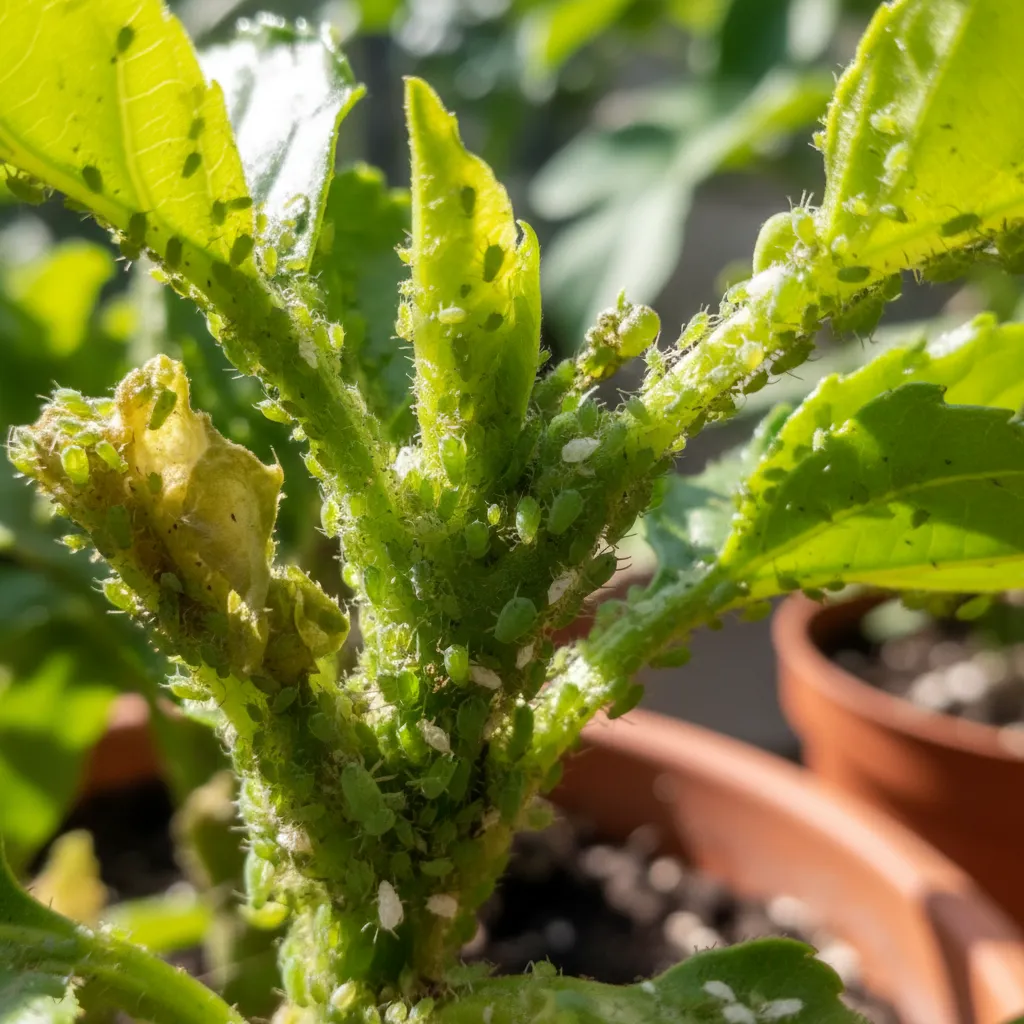
- ✓Pest and Disease Management — Generally robust, but watch for common garden pests like aphids; rarely suffers from severe diseases.
- ✓Fertilization Needs — Benefits from light fertilization with a balanced organic compost or liquid feed during its active growing season.
- ✓Harvesting Techniques — Leaves can be harvested as needed throughout the growing season, preferably in the morning for optimal freshness.
- ✓Containment — Due to its vigorous spreading habit, consider growing in containers or with root barriers to prevent it from becoming invasive.
- ✓Mulching — Apply a layer of organic mulch to retain soil moisture and regulate soil temperature.
Reviewed by the Flora Medical Global Botanical Review Panel
Multi-disciplinary editorial group · Botany · Ethnobotany · Herbal-medicine literature
Who reviewed this: This page was checked by the Flora Medical Global Botanical Review Panel — an in-house editorial group of botany graduates, ethnobotany researchers, and horticulture practitioners who collectively maintain our 7,000+ plant encyclopedia. Meet the team.
Our 4-step verification process
1. Taxonomic verification
Scientific names and synonyms cross-checked against Kew POWO, World Flora Online, and The Plant List.
2. Phytochemical & medicinal cross-reference
Active compounds, traditional uses, and reported activities are cross-referenced with PubMed, USDA Dr. Duke's database, and peer-reviewed ethnobotanical literature.
3. Conservation & distribution check
Distribution, ecology, and conservation status confirmed against GBIF occurrence records and the IUCN Red List.
4. Editorial & safety review
Every entry passes an editorial pass for clarity, originality, and safety notices (toxicity, contraindications, dosage caveats) before publication.
Last reviewed:
Important medical disclaimer: This content is for educational and research purposes only. It is not medical advice and is not a substitute for consultation with a licensed healthcare provider. Do not use any herb to self-treat a medical condition without professional guidance.
Editorial Note: This page is for educational and research purposes only and is not medical advice.
Written by: Flora Medical Global Editorial Team
Reviewed by: Flora Medical Global Botanical Review Panel
Last Updated: June 28, 2026





Indian Sorrel — Comments & Community Reviews
Rate this plant
No reviews yet. Be the first!