


Medical Disclaimer: This content is for educational purposes only. It is not medical advice. Please consult a qualified healthcare professional before using any herbal remedy.
Safety Overview
1.Indigo Bush — Overview
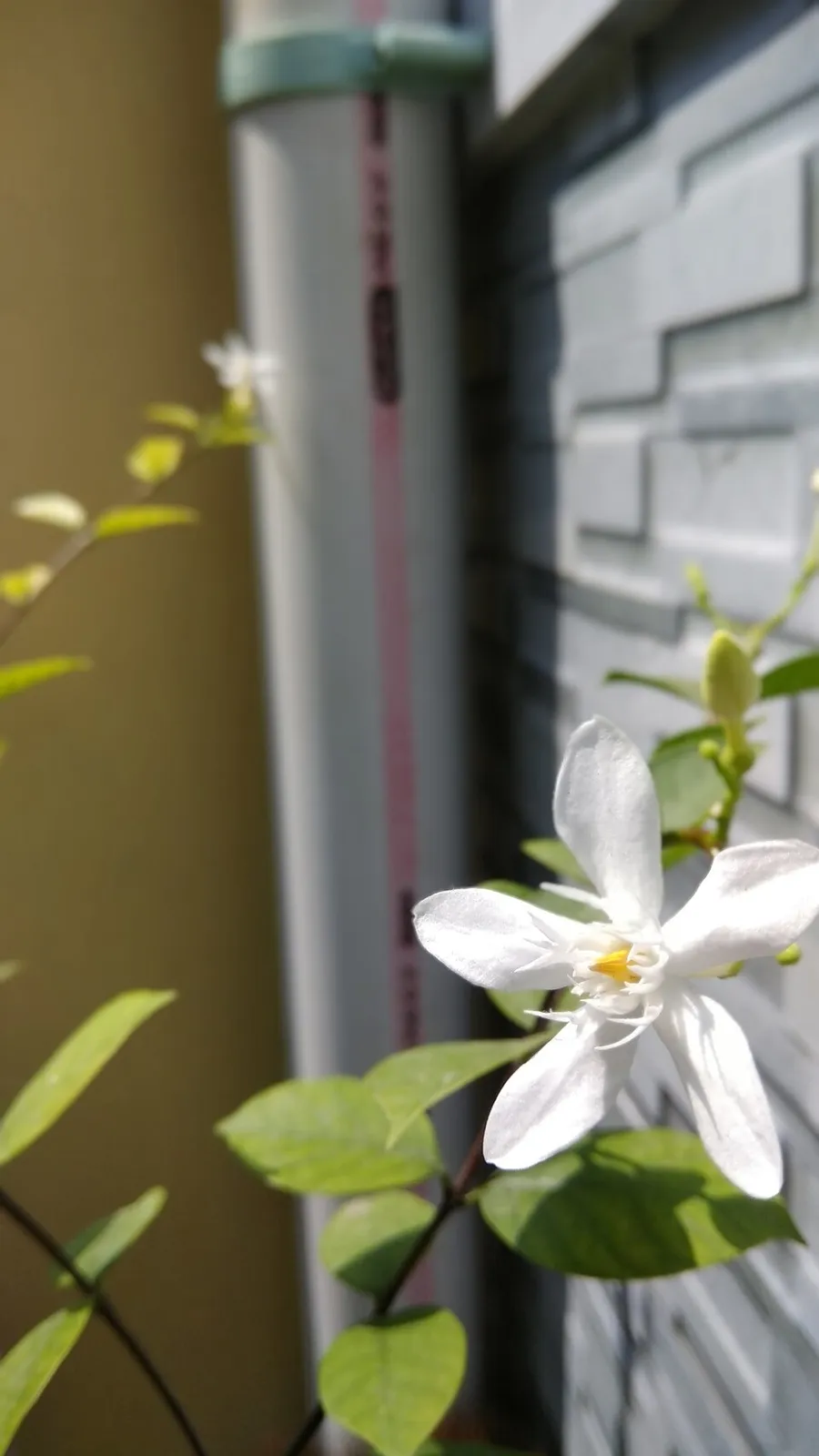
Holarrhena antidysenterica, widely recognized as Indigo Bush or Kurchi, is a remarkable perennial shrub or small deciduous tree, typically reaching a height of 1.5 to 13 meters with a girth up to 1.1 meters. Its distinctive morphology includes lanceolate, elliptic, or ovate leaves, measuring approximately 5 to 30 cm in length and 4 to 12 cm in width. These leaves are characterized by a smooth, deep green texture, often sessile or with short petioles, and prominent, arched venation.
The plant showcases beautiful tubular flowers, predominantly whitish to pale yellow, which bloom in terminal corymbose cymes from June to September. These inodorous flowers, about 2.5 cm in diameter, are known to attract a variety of pollinators, contributing to local biodiversity. The bark, a primary medicinal part, is thick, grayish-brown, and rough-textured, notable for exuding a milky latex when incised, which signifies the presence of its potent phytochemicals.
Following flowering, the plant produces characteristic divaricated, cylindrical follicles, 15-45 cm long, containing linear oblong seeds tipped with spreading brown hairs, known as 'Indrajava' in traditional systems.
Ecologically, the Indigo Bush thrives in tropical and subtropical climates, preferring moist, open forests, grasslands, and often found in the Himalayan ranges and deciduous regions. Its natural geographic distribution spans extensively across India, extending into parts of Africa and Southeast Asia, where it is a common sight in various ecosystems. Taxonomically, Holarrhena antidysenterica belongs to the Apocynaceae family, a diverse group renowned for its ornamental and medicinal species, many of which are rich in alkaloids.
Historically, this plant has held immense significance in traditional medicine systems, particularly Ayurveda, where its bark and seeds have been revered for centuries. It has been extensively documented for its efficacy in addressing dysentery and a range of gastrointestinal disorders, with its chemistry revealing a wealth of active compounds, notably steroidal alkaloids like conessine and holarrhinine, which underpin its therapeutic applications and contribute to its enduring legacy in herbal medicine.
Trusted Scientific References
1. Authoritative external sources for Holarrhena antidysenterica
1.1 Wikipedia — Holarrhena antidysenterica
1.2 Kew POWO (Plants of the World Online)
1.3 PubMed — peer-reviewed research
1.4 NCBI Taxonomy Browser
1.5 GBIF — Global Biodiversity
1.1.Indigo Bush — Key Features
- ✓Botanical Name — Holarrhena antidysenterica (L.) Wall. ex A. DC.
- ✓Common Names — Indigo Bush, Kurchi, Kutaja, Indrajava (seeds).
- ✓Family — Apocynaceae (Dogbane family).
- ✓Plant Type — Perennial shrub or small deciduous tree.
- ✓Height — Typically grows 1.5 to 13 meters tall.
- ✓Bark — Thick, grayish-brown, rough, exudes milky latex.
- ✓Leaves — Lanceolate, elliptic or ovate, smooth, deep green.
- ✓Flowers — Whitish to pale yellow, tubular, in terminal cymes.
- ✓Fruits — Divaricated cylindrical follicles.
- ✓Seeds — Linear oblong, tipped with brown coma.
- ✓Primary Active Compounds — Steroidal alkaloids (conessine, holarrhinine).
- ✓Main Traditional Use — Treatment of dysentery and diarrhea.
- ✓Geographic Distribution — India, parts of Africa, Southeast Asia.
- ✓Traditional System — Highly valued in Ayurveda, also used in folklore medicine.
- ✓Economic Importance — Exported as bark and seed powder, and herbal supplements.
1.2.Indigo Bush — Quick Summary
- ✓Holarrhena antidysenterica, or Indigo Bush, is a medicinal shrub from the Apocynaceae family.
- ✓Renowned for its bark and seeds, primarily used in Ayurveda.
- ✓Key compounds include steroidal alkaloids like conessine and holarrhinine.
- ✓Potent antiamoebic, antidiarrheal, and antimicrobial properties.
- ✓Also traditionally used for antidiabetic, anti-inflammatory, and skin conditions.
- ✓Available as powder, decoctions, and in Ayurvedic formulations.
- ✓Requires careful dosing and professional consultation due to potent alkaloids.
- ✓Contraindicated in pregnancy, lactation, and individuals with cardiac issues.
2.Indigo Bush — Systematic Position
3.Indigo Bush — Botanical Stats
4.Indigo Bush — Plant Morphology
5.Indigo Bush — Geographic Distribution
6.Indigo Bush — Historical Applications
7.Indigo Bush — Secondary Metabolites
- ✓Conessine — A major alkaloid responsible for its potent antiamoebic and antibacterial activities.
- ✓Holarrhenine — Another important alkaloid with similar pharmacological effects to conessine.
- ✓Kurchicine — An alkaloid contributing to its antimicrobial and anti-inflammatory actions.
- ✓Vakumbine — A steroidal alkaloid with potential therapeutic benefits.
- ✓Saponins — These compounds contribute to its expectorant and anti-inflammatory properties.
- ✓Flavonoids — Antioxidant compounds that protect cells from damage.
- ✓Tannins — Known for their astringent and wound-healing properties.
8.Indigo Bush — Modern Studies
- ✓Antidysenteric — Traditionally, Holarrhena antidysenterica has been extensively used to treat dysentery and diarrhea, particularly those caused by amoebic infections. Its active compounds help to inhibit the growth of pathogenic microorganisms in the gut and reduce inflammation of the intestinal lining, thereby alleviating symptoms like abdominal pain, cramping, and bloody stools.
- ✓Antimicrobial — The plant exhibits broad-spectrum antimicrobial activity against various bacteria and fungi. This makes it effective in combating infections of the skin, respiratory tract, and urinary system.
- ✓Anti-inflammatory — It possesses significant anti-inflammatory properties, useful in managing conditions like arthritis, rheumatism, and other inflammatory disorders. It works by modulating inflammatory pathways and reducing the production of pro-inflammatory mediators.
- ✓Antioxidant — Holarrhena antidysenterica is rich in antioxidants that help neutralize harmful free radicals in the body, protecting cells from oxidative damage. This contributes to its role in preventing chronic diseases and supporting overall cellular health.
- ✓Wound Healing — Topical application of its extracts has shown to accelerate wound healing by promoting cell proliferation and reducing inflammation at the wound site. It also helps in preventing secondary infections.
- ✓Antipyretic — The plant has been traditionally employed to reduce fever. Its compounds may help in regulating body temperature by influencing the hypothalamus.
- ✓Hepatoprotective — Studies suggest that it can protect the liver from damage caused by toxins and certain drugs. It aids in restoring liver function and preventing further damage.
- ✓Anticancer Potential — Preliminary research indicates that certain compounds within the plant may possess anticancer properties, inhibiting the growth of specific cancer cell lines. Further research is ongoing to explore its efficacy.
- ✓Skin Disorders — Its antimicrobial and anti-inflammatory properties make it beneficial for treating various skin ailments such as eczema, psoriasis, and acne.
- ✓Respiratory Health — It may help in managing respiratory conditions like asthma and bronchitis by reducing inflammation in the airways and acting as an expectorant.
- ✓Diabetes Management — Some evidence suggests it might help in lowering blood glucose levels, potentially aiding in the management of diabetes.
- ✓Digestive Aid — Beyond dysentery, it can help improve overall digestion by stimulating appetite and promoting the secretion of digestive enzymes.
8.1.Indigo Bush — Therapeutic Indications
9.Indigo Bush — Risk Profile
9.1.Indigo Bush — Side Effects & Warnings
- ✓While generally considered safe when used appropriately, excessive consumption or prolonged use of Holarrhena antidysenterica may lead to gastrointestinal disturbances such as nausea, vomiting, and abdominal discomfort.
- ✓Some individuals might experience allergic reactions.
- ✓It is advisable to start with low doses and monitor for any adverse reactions.
9.2.Indigo Bush — Risk Assessment
- ✓Holarrhena antidysenterica has a long history of traditional use, indicating a relatively good safety profile for medicinal purposes.
- ✓However, pregnant and breastfeeding women should avoid its use due to a lack of safety data.
- ✓Individuals with pre-existing medical conditions or those taking other medications should consult a healthcare professional before use.
10.Indigo Bush — Preparation & Dosage
- ✓Bark Powder (Churna) — The dried bark is finely powdered and commonly consumed with water, buttermilk, or honey for dysentery, diarrhea, and intestinal parasites, typically in doses of 1-3 grams, twice daily.
- ✓Decoction (Kwatha) — Bark pieces are boiled in water until reduced to a quarter of the original volume; this concentrated liquid is used for severe gastrointestinal issues and fevers.
- ✓Infusion — A milder preparation where bark powder is steeped in hot water for a period, then strained and consumed for digestive support.
- ✓Seed Powder (Indrajava Churna) — The seeds are powdered and primarily used for their antidiabetic properties and as an anthelmintic, often in smaller doses than the bark.
- ✓External Application (Lepana) — A paste made from the bark powder mixed with water or other liquids can be applied topically for skin conditions and inflammation.
- ✓Ayurvedic Formulations — Incorporated into classical Ayurvedic preparations like Kutajarishta (fermented decoction for dysentery), Kutajavleha (bark paste for chronic diarrhea), and Kutajghan vati (tablets for various gut ailments).
- ✓Herbal Teas — Leaves or smaller bark pieces can be brewed into a tea for mild digestive complaints or as a general tonic.
- ✓Capsules/Tablets — Standardized extracts or powdered bark are available in convenient capsule or tablet forms for precise dosing.
- ✓Mouthwash — A diluted decoction can be used as a gargle for oral infections or sore throats due to its antimicrobial properties.
- ✓Dosage Adjustment — Dosage varies significantly based on age, health condition, and specific preparation; always follow expert guidance or product instructions.
- ✓Combination Therapy — Often used in conjunction with other herbs in polyherbal formulations to enhance efficacy and mitigate potential side effects.
11.Indigo Bush — Growth Requirements
- ✓Climate Preference — Thrives in tropical and subtropical regions, requiring warm temperatures and moderate to high humidity.
- ✓Soil Requirements — Prefers well-drained loamy or sandy-loam soils with a pH range of 6.0-7.5, rich in organic matter.
- ✓Propagation by Seeds — Seeds can be sown directly or in nurseries; germination is best after scarification or soaking in warm water.
- ✓Vegetative Propagation — Can be propagated effectively through stem cuttings, especially semi-hardwood cuttings treated with rooting hormones.
- ✓Sunlight Exposure — Requires full sun to partial shade for optimal growth, with at least 4-6 hours of direct sunlight daily.
- ✓Watering Regimen — Needs regular watering, especially during dry periods, but ensure good drainage to prevent waterlogging.
- ✓Fertilization — Benefits from organic fertilizers or balanced NPK formulations applied during the growing season.
- ✓Pest and Disease Management — Generally robust, but monitor for common pests like aphids and mealybugs; ensure good air circulation to prevent fungal issues.
- ✓Pruning — Light pruning can help maintain shape and promote bushier growth, removing dead or diseased branches.
- ✓Harvesting — Bark is typically harvested from mature trees, carefully removing strips without girdling the trunk to allow regeneration; seeds are collected when fully ripe.
- ✓Nursery Management — Seedlings or cuttings should be nurtured in a nursery for 6-12 months before transplanting to the field.
- ✓Spacing — When planting in the field, maintain adequate spacing (e.g., 2-3 meters between plants) to allow for proper development and air circulation.
Reviewed by the Flora Medical Global Botanical Review Panel
Multi-disciplinary editorial group · Botany · Ethnobotany · Herbal-medicine literature
Who reviewed this: This page was checked by the Flora Medical Global Botanical Review Panel — an in-house editorial group of botany graduates, ethnobotany researchers, and horticulture practitioners who collectively maintain our 7,000+ plant encyclopedia. Meet the team.
Our 4-step verification process
1. Taxonomic verification
Scientific names and synonyms cross-checked against Kew POWO, World Flora Online, and The Plant List.
2. Phytochemical & medicinal cross-reference
Active compounds, traditional uses, and reported activities are cross-referenced with PubMed, USDA Dr. Duke's database, and peer-reviewed ethnobotanical literature.
3. Conservation & distribution check
Distribution, ecology, and conservation status confirmed against GBIF occurrence records and the IUCN Red List.
4. Editorial & safety review
Every entry passes an editorial pass for clarity, originality, and safety notices (toxicity, contraindications, dosage caveats) before publication.
Last reviewed:
Important medical disclaimer: This content is for educational and research purposes only. It is not medical advice and is not a substitute for consultation with a licensed healthcare provider. Do not use any herb to self-treat a medical condition without professional guidance.
Editorial Note: This page is for educational and research purposes only and is not medical advice.
Written by: Flora Medical Global Editorial Team
Reviewed by: Flora Medical Global Botanical Review Panel
Last Updated: June 16, 2026





Indigo Bush — Comments & Community Reviews
Rate this plant