
Medical Disclaimer: This content is for educational purposes only. It is not medical advice. Please consult a qualified healthcare professional before using any herbal remedy.
Safety Overview
1.Iporuru — Botanical Snapshot

Iporuru, known scientifically as Alchornea castaneifolia, is a captivating perennial shrub or small tree native to the lush, humid tropical rainforests of the Amazon Basin. This species typically attains a height of 3 to 10 meters, characterized by its distinctive and visually striking foliage. The leaves are generally elliptical to obovate, measuring approximately 8 to 20 cm in length, and boast a glossy, chestnut-colored hue on their upper surface. Their margins are prominently serrated, and the venation is deeply impressed, contributing to their unique and attractive appearance. These leaves are arranged alternately along the stems, creating a dense canopy that provides ample shade in its natural habitat. In terms of reproductive features, Iporuru produces small, inconspicuous flowers, predominantly greenish or pale yellow in coloration.
These flowers are arranged in clusters, often forming racemes or panicles. A notable botanical characteristic is its dioecious nature, meaning male and female flowers are borne on separate individual plants. This necessitates cross-pollination, typically facilitated by insects. Following successful pollination, the female plants develop small, often capsular fruits, though these are not a primary feature of its medicinal use. Its bark is generally smooth and greyish-brown, sometimes exhibiting a subtle, cork-like texture that distinguishes it within its diverse family. Iporuru thrives in environments with high humidity and rich, well-drained soils, often found along riverbanks and flood plains where it can access abundant moisture.
Geographically, its distribution spans across several South American countries, including Peru, Brazil, Bolivia, Colombia, Venezuela, and parts of Argentina and Paraguay, reflecting its adaptation to the vast Amazonian ecosystem. Taxonomically, Alchornea castaneifolia belongs to the Euphorbiaceae family, a large and economically important plant family that includes a wide array of tropical and subtropical species, many of which are recognized for their medicinal properties or economic value (e.g., rubber, cassava). Historically, Iporuru holds significant cultural and medicinal importance among indigenous communities of the Amazon. For centuries, its bark, leaves, and roots have been integral to traditional healing practices, where it is revered for its potent anti-inflammatory, analgesic, and diuretic properties.
Trusted Scientific References
Authoritative external sources for Alchornea Castaneifolia:
1.1.Iporuru — Highlights
- ✓Amazonian Rainforest Origin — Native to the humid tropical rainforests of South America, particularly the Amazon Basin.
- ✓Alchornea castaneifolia — Its scientific name, belonging to the Euphorbiaceae family.
- ✓Distinctive Foliage — Characterized by glossy, chestnut-colored, serrated leaves with prominent venation.
- ✓Traditional Anti — inflammatory — Highly valued for its historical use in reducing inflammation and swelling.
- ✓Natural Analgesic — Employed by indigenous peoples for its pain-relieving capabilities.
- ✓Diuretic Properties — Traditionally used to promote urine flow and support kidney health.
- ✓Immune System Support — Believed to help modulate and enhance the body's natural defenses.
- ✓Rich Phytochemical Profile — Contains a diverse array of alkaloids, flavonoids, terpenoids, and phenolic acids.
- ✓Joint and Muscle Relief — A primary traditional remedy for rheumatism, arthritis, and muscular pain.
- ✓Gastrointestinal Aid — Used to soothe digestive upsets and promote gut health.
- ✓Aphrodisiac Reputation — In some cultures, considered a tonic for vitality and reproductive health.
- ✓Dioecious Plant — Features separate male and female flowers on different plants.
- ✓Limited Modern Research — While traditionally significant, comprehensive scientific validation is still emerging.
- ✓Ethnobotanical Significance — Deeply rooted in the medicinal practices of Amazonian indigenous communities.
1.2.Iporuru — Quick Summary
- ✓Iporuru (Alchornea castaneifolia) is an Amazonian shrub/tree known for traditional medicinal uses.
- ✓Revered by indigenous cultures for its anti-inflammatory, analgesic, and diuretic properties.
- ✓Contains alkaloids, flavonoids, terpenoids, and phenolic acids as key bioactive compounds.
- ✓Traditionally used for joint pain, rheumatism, gastrointestinal issues, and immune support.
- ✓Cultivation requires tropical conditions with high humidity and well-drained soil.
- ✓Preparation methods include decoctions, tinctures, poultices, and capsules.
- ✓Safety information is limited; caution advised, especially for pregnant/breastfeeding individuals and those on medication.
- ✓Further scientific research is needed to validate traditional claims and establish safety profiles.
2.Iporuru — Scientific Identity
3.Iporuru — Categories & Tags
4.Iporuru — Botanical Description
5.Iporuru — Traditional Uses
6.Iporuru — Phytochemistry
- ✓Alkaloids — Iporuru contains various alkaloids, including specific indole alkaloids, which are known for their potent pharmacological activities, such as analgesic and anti-inflammatory effects by interacting with neurotransmitter systems.
- ✓Flavonoids — Rich in diverse flavonoids like quercetin, kaempferol derivatives, and catechins, these compounds act as powerful antioxidants, anti-inflammatories, and possess vasoprotective properties, contributing to cellular health.
- ✓Terpenoids — The plant is abundant in terpenoids, including mono-, sesqui-, and diterpenes, which are recognized for their anti-inflammatory, antimicrobial, and adaptogenic effects, influencing various physiological pathways.
- ✓Phenolic Acids — Present phenolic acids such as gallic acid, caffeic acid, and ferulic acid contribute significantly to Iporuru's antioxidant and anti-inflammatory capacity, protecting cells from oxidative damage.
- ✓Tannins — Condensed and hydrolyzable tannins are found, imparting astringent properties. These compounds are known for their antimicrobial, anti-inflammatory, and wound-healing effects, often used in traditional medicine for digestive and skin issues.
- ✓Saponins — Triterpenoid saponins are present, which may contribute to immunomodulatory, anti-inflammatory, and hypocholesterolemic activities, though they require careful dosage due to potential hemolytic effects.
- ✓Sterols — Phytosterols like beta-sitosterol are identified, known for their cholesterol-lowering properties, anti-inflammatory effects, and potential role in immune modulation.
- ✓Lignans — Certain lignans may be present, compounds with antioxidant, anti-inflammatory, and potential anticancer activities, often acting as phytoestrogens.
- ✓Coumarins — Simple coumarins or furanocoumarins might be found, contributing to anticoagulant, anti-inflammatory, and antimicrobial properties, although their presence and specific types need further verification.
- ✓Volatile Oils — The plant may contain trace amounts of volatile oils or essential oils, contributing to its aroma and potentially possessing antimicrobial or insect-repellent properties.
- ✓Fatty Acids — Essential fatty acids and other lipid components are present in the plant material, providing nutritional value and potentially influencing cellular membrane integrity and inflammatory responses.
- ✓Amino Acids — Various free amino acids are components of the plant's metabolic profile, serving as building blocks for proteins and precursors for other bioactive compounds.
- ✓Carbohydrates — Polysaccharides and simple sugars are present, contributing to the plant's structural integrity and energy storage, and some polysaccharides may have immunomodulatory effects.
7.Iporuru — Scientific Evidence
- ✓Anti-inflammatory Support — Iporuru is traditionally revered for its potent anti-inflammatory properties, believed to be due to its rich content of flavonoids and terpenoids which may modulate inflammatory pathways, offering relief from systemic inflammation and conditions like arthritis.
- ✓Pain Relief (Analgesic) — Indigenous communities utilize Iporuru for its analgesic effects, which are thought to stem from its alkaloid content that might interact with pain receptors or reduce pain signal transmission, providing natural relief for acute and chronic pain.
- ✓Joint Health & Rheumatism — The plant is widely used to alleviate symptoms of rheumatism and joint pain, with its anti-inflammatory compounds working synergistically to reduce swelling and discomfort in affected joints, promoting greater mobility.
- ✓Diuretic Action — Iporuru traditionally functions as a natural diuretic, aiding the body in expelling excess fluids and salts, which can be beneficial for supporting kidney function and managing conditions like edema or urinary tract issues.
- ✓Immune System Modulation — Extracts of Iporuru are believed to support and modulate the immune system, potentially enhancing the body's natural defenses against pathogens and contributing to overall wellness and resilience.
- ✓Gastrointestinal Comfort — Traditional uses include addressing gastrointestinal disturbances such as stomach aches, diarrhea, and indigestion. Its compounds may help soothe the digestive tract and restore balance.
- ✓Muscle Relaxation — Iporuru is traditionally employed for its muscle-relaxant properties, which may help ease muscle spasms, tension, and soreness after physical exertion or due to chronic conditions.
- ✓Aphrodisiac Qualities — In some traditional Amazonian practices, Iporuru is considered an aphrodisiac and a general tonic for the reproductive system, believed to enhance vitality and sexual function.
- ✓Wound Healing Acceleration — Topically, Iporuru preparations are used to promote the healing of wounds and skin irritations. Its anti-inflammatory and potentially antimicrobial compounds may aid in tissue regeneration and prevent infection.
- ✓Fever Reduction (Antipyretic) — Traditional healers have used Iporuru to help reduce fevers, suggesting its compounds may help regulate body temperature during illness, providing comfort.
- ✓Antioxidant Protection — The presence of phenolic acids and flavonoids indicates that Iporuru possesses antioxidant properties, which help combat oxidative stress and protect cells from damage caused by free radicals.
- ✓Anti-malarial Potential — Certain indigenous groups have historically used Iporuru in remedies for malaria, suggesting potential anti-parasitic or immune-boosting effects that warrant further scientific investigation.
- ✓Urinary Tract Support — Beyond its diuretic effects, Iporuru is traditionally used to support the health of the urinary tract, potentially helping to clear minor infections and soothe irritation.
- ✓Blood Sugar Modulation — While scientific evidence is lacking, traditional mentions of 'diabetes' suggest a historical belief in Iporuru's ability to help regulate blood sugar levels, warranting cautious exploration.
- ✓General Tonic & Wellness — Iporuru is often consumed as a general tonic to enhance overall vitality, promote a sense of well-being, and support the body's natural restorative processes.
7.1.Iporuru — Reported Uses
8.Iporuru — Safety Considerations
8.1.Iporuru — Warnings
- ✓Gastrointestinal Upset — Some individuals may experience mild digestive discomfort, such as nausea, stomach upset, or diarrhea, especially with initial use or high doses.
- ✓Allergic Reactions — As with any plant product, there is a potential for allergic reactions, including skin rashes, itching, or, rarely, more severe systemic responses.
- ✓Pregnancy and Breastfeeding — Due to insufficient reliable safety information, Iporuru should be avoided during pregnancy and breastfeeding.
- ✓Blood Thinning — Compounds in Iporuru might possess mild blood-thinning properties; caution is advised for individuals on anticoagulant medications or with bleeding disorders.
- ✓Liver or Kidney Stress — Prolonged high-dose use of any unresearched herb could theoretically place stress on liver or kidney function; monitoring is recommended.
- ✓Interaction with Medications — Iporuru may interact with certain pharmaceutical drugs, particularly those metabolized by the liver, requiring consultation with a healthcare professional.
- ✓Drowsiness — Some users might experience mild drowsiness, especially if using preparations that affect the central nervous system or for pain relief.
- ✓Hypotension Risk — There is a theoretical risk of blood pressure reduction, so individuals with hypotension or on blood pressure-lowering medications should exercise caution.
- ✓Lack of Clinical Data — The primary side effect is the lack of comprehensive clinical trial data, meaning potential adverse effects are not fully documented or understood.
8.2.Iporuru — Clinical Safety Notes
- ✓Insufficient Reliable Information — There is currently not enough reliable scientific information to definitively know if Iporuru is safe for all individuals or what an appropriate dosage might be.
- ✓Pregnancy and Breastfeeding Contraindication — Due to the lack of safety data, Iporuru use is strongly advised against during pregnancy and while breastfeeding.
- ✓Consult a Healthcare Professional — Always consult with a qualified healthcare provider before starting Iporuru, especially if you have pre-existing medical conditions or are on medications.
- ✓Children and Infants — Iporuru should not be given to children or infants due to the absence of safety studies and potential unknown risks.
- ✓Medication Interactions — Potential interactions with pharmaceutical drugs, particularly blood thinners, immunosuppressants, or liver-metabolized drugs, necessitate medical guidance.
- ✓Discontinue if Adverse Reactions Occur — If any adverse reactions or unusual symptoms appear, discontinue use immediately and seek medical attention.
- ✓Dosage Unknown — Without established clinical dosing guidelines, it is difficult to determine a safe and effective dose; follow product label directions cautiously and with professional advice.
- ✓Topical Application Caution — While sometimes applied topically, skin sensitivity or allergic reactions can occur; perform a patch test first.
- ✓Quality and Purity — Ensure any Iporuru product is sourced from reputable suppliers to minimize risks of contamination or adulteration.
9.Iporuru — Usage Guide
- ✓Decoction (Bark/Root) — Prepare by simmering dried Iporuru bark or root pieces in water for 15-20 minutes, then straining. This method extracts potent water-soluble compounds for internal use.
- ✓Tincture (Alcohol Extract) — Macerate dried plant material (bark or leaves) in high-proof alcohol for several weeks, then strain. Tinctures offer a concentrated form for convenient dosing.
- ✓Infusion (Leaf Tea) — Steep dried Iporuru leaves in hot water for 5-10 minutes to create a tea, often used for milder effects or as a general wellness beverage.
- ✓Topical Poultice — Crush fresh or rehydrated dried leaves/bark into a paste and apply directly to skin for localized pain, inflammation, or wound healing.
- ✓Capsules/Powder — Dried and powdered Iporuru bark or leaf can be encapsulated for precise internal dosing, offering a convenient way to consume the herb.
- ✓External Wash — Prepare a diluted decoction or infusion to use as a wash for skin irritations, minor wounds, or as a compress for sore joints.
- ✓Medicinal Baths — Add strong Iporuru decoctions to bathwater for a relaxing and pain-relieving soak, particularly beneficial for widespread muscle or joint discomfort.
- ✓Oil Infusion (Topical) — Infuse dried Iporuru material in a carrier oil (e.g., olive, coconut) over low heat for several hours or weeks, then strain. Use as a massage oil for localized pain.
- ✓Traditional Fermented Beverages — In some indigenous traditions, Iporuru may be incorporated into fermented drinks, though this preparation requires specific cultural knowledge.
10.Iporuru — Cultivation & Care
- ✓Climate Preference — Iporuru thrives in warm, humid tropical climates, ideally mimicking its native Amazonian rainforest environment with consistent temperatures between 20-30°C (68-86°F).
- ✓Soil Requirements — Prefers rich, well-drained, slightly acidic to neutral soils (pH 5.5-7.0) with high organic matter content, similar to fertile forest floor conditions.
- ✓Light Exposure — Requires partial shade to full sun. In very hot climates, some afternoon shade is beneficial to prevent leaf scorch, while in less intense light, full sun promotes robust growth.
- ✓Watering Regimen — Needs consistent moisture; keep soil evenly damp but not waterlogged. Regular watering is crucial, especially during dry spells, but ensure good drainage to prevent root rot.
- ✓Propagation — Can be propagated from seeds, which require warmth and moisture for germination, or more commonly from stem cuttings, which root readily in a humid environment.
- ✓Fertilization — Benefits from regular feeding with a balanced organic fertilizer, particularly during its active growing season, to support its vigorous growth and nutrient demands.
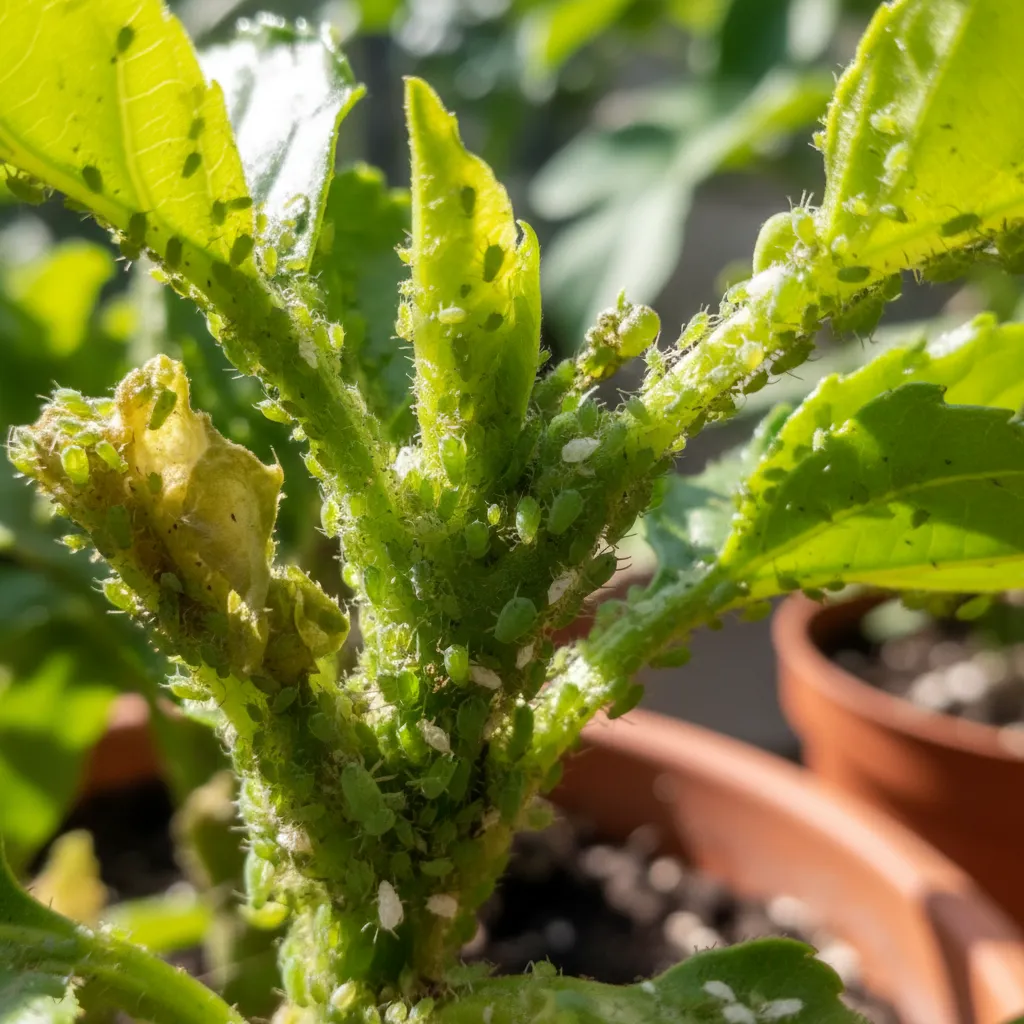
- ✓Pest and Disease Management — Generally robust, but watch for common tropical plant pests like scale insects or mealybugs. Ensure good air circulation to prevent fungal diseases in high humidity.
- ✓Pruning — Light pruning can help maintain shape, encourage bushier growth, and remove any dead or diseased branches, promoting overall plant health.
- ✓Container Growing — Younger plants can be grown in large containers with appropriate drainage, but eventually, they will require ample space for root development.
Reviewed by the Flora Medical Global Botanical Review Panel
Multi-disciplinary editorial group · Botany · Ethnobotany · Herbal-medicine literature
Who reviewed this: This page was checked by the Flora Medical Global Botanical Review Panel — an in-house editorial group of botany graduates, ethnobotany researchers, and horticulture practitioners who collectively maintain our 7,000+ plant encyclopedia. Meet the team.
Our 4-step verification process
1. Taxonomic verification
Scientific names and synonyms cross-checked against Kew POWO, World Flora Online, and The Plant List.
2. Phytochemical & medicinal cross-reference
Active compounds, traditional uses, and reported activities are cross-referenced with PubMed, USDA Dr. Duke's database, and peer-reviewed ethnobotanical literature.
3. Conservation & distribution check
Distribution, ecology, and conservation status confirmed against GBIF occurrence records and the IUCN Red List.
4. Editorial & safety review
Every entry passes an editorial pass for clarity, originality, and safety notices (toxicity, contraindications, dosage caveats) before publication.
Last reviewed:
Important medical disclaimer: This content is for educational and research purposes only. It is not medical advice and is not a substitute for consultation with a licensed healthcare provider. Do not use any herb to self-treat a medical condition without professional guidance.
Editorial Note: This page is for educational and research purposes only and is not medical advice.
Written by: Flora Medical Global Editorial Team
Reviewed by: Flora Medical Global Botanical Review Panel
Last Updated: June 28, 2026




Iporuru — Comments & Community Reviews
Rate this plant
No reviews yet. Be the first!