

Medical Disclaimer: This content is for educational purposes only. It is not medical advice. Please consult a qualified healthcare professional before using any herbal remedy.
Safety Overview
1.Ixora — Essential Profile
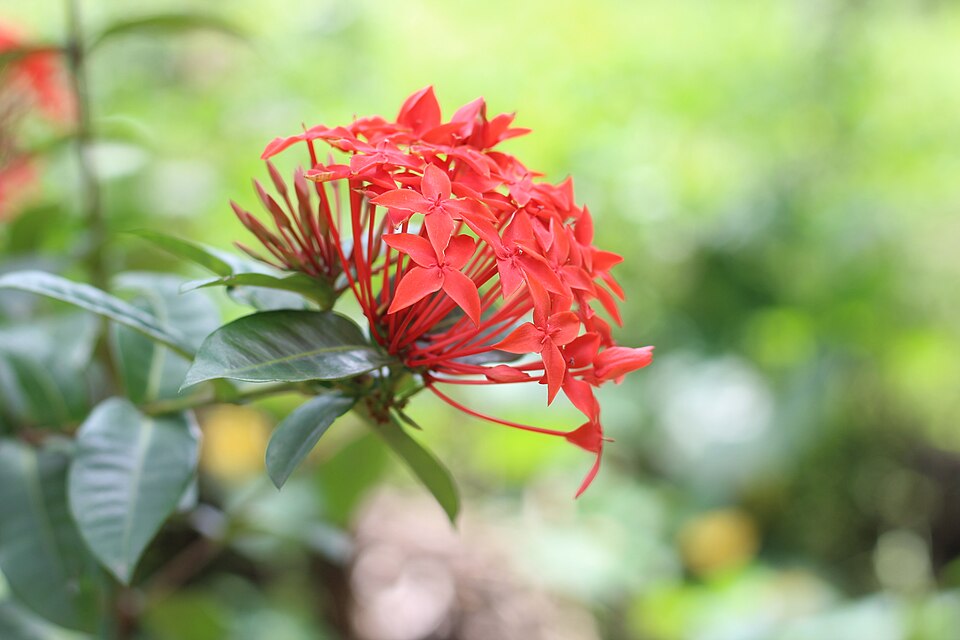
Ixora coccinea, universally recognized as Flame of the Woods or Jungli Phool, is a captivating evergreen shrub belonging to the diverse Rubiaceae family. This botanical marvel is celebrated for its striking inflorescences, forming dense, showy clusters of brilliant red to orange flowers that serve as a beacon for various pollinators. Typically reaching heights of 1 to 3 meters, Ixora coccinea boasts a robust and appealing structure. Its foliage consists of glossy, lanceolate leaves, usually measuring between 4 to 8 cm in length, providing a lush, dark green backdrop that accentuates the vibrant floral display. The smooth texture of these leaves contributes to the plant's overall aesthetic appeal.
The star-like flowers are characteristically arranged in large, terminal umbels, ensuring a prolonged and spectacular blooming period throughout much of the year in its native range. The bark of Ixora coccinea presents a somewhat rugged texture, ranging in color from dark brown to grey, which adds to the shrub's natural, unrefined beauty. Indigenous to the tropical and subtropical regions of South Asia, particularly thriving across India, Sri Lanka, and various parts of Southeast Asia, Ixora coccinea has a strong preference for environments characterized by forest edges and cultivated gardens. It flourishes in well-drained, consistently moist soils, requiring ample sunlight to achieve its full growth potential and most prolific flowering. The species is remarkably well-adapted to its humid, tropical climate, where average temperatures typically fluctuate between 20 to 30 °C.
Its resilience and ornamental value have facilitated its widespread naturalization in numerous other warm climatic zones across the globe, making it a common sight in tropical landscapes worldwide. Taxonomically, its placement within the Rubiaceae family is significant, as this family is renowned for its vast diversity and encompasses many economically and medicinally important species, including coffee. Beyond its ecological and horticultural merits, Ixora coccinea flowers hold profound cultural significance in many regions, frequently incorporated into traditional ceremonies, religious offerings, and decorative practices, underscoring its deep-rooted connection to human societies. Trusted Scientific References Authoritative external sources for Ixora coccinea : Wikipedia — Ixora coccinea Kew POWO (Plants of the World Online) PubMed — peer-reviewed research NCBI Taxonomy Browser GBIF — Global ...[CURRENT TEXT EXISTS: 2513 chars]
1.1.Ixora — Distinguishing Points
- ✓Striking Floral Displays — Produces dense clusters of vibrant red to orange star-like flowers, attracting pollinators.
- ✓Evergreen Foliage — Features glossy, lanceolate leaves, maintaining its green appearance year-round.
- ✓Tropical Native — Indigenous to tropical South Asia, adapted to warm, humid climates.
- ✓Rubiaceae Family Member — Belongs to a large and diverse family, known for coffee and other medicinal plants.
- ✓Traditional Medicinal Plant — Widely used in Ayurvedic and various folk medicine systems.
- ✓Rich Phytochemical Profile — Contains lupeol, ursolic acid, oleanolic acid, flavonoids, and anthocyanins.
- ✓Antioxidant Powerhouse — High in compounds that combat oxidative stress and free radicals.
- ✓Anti — inflammatory Action — Possesses significant anti-inflammatory properties, useful for various conditions.
- ✓Gastroprotective & Hepatoprotective — Supports digestive health and protects liver function.
- ✓Antibacterial Activity — Exhibits natural antibacterial effects against common pathogens.
- ✓Antinociceptive Properties — Traditionally used for pain relief and validated by some studies.
- ✓Ornamental Value — Highly prized as an ornamental shrub in tropical and subtropical landscapes.
- ✓Moderate Size — Typically grows 1 to 3 meters tall, suitable for hedges or specimen planting.
- ✓Cultural Significance — Used in religious ceremonies and traditional decorations in many cultures.
- ✓Adaptable to Cultivation — Relatively easy to grow in appropriate climates with proper care.
1.2.Ixora — Quick Summary
- ✓Vibrant evergreen shrub, Ixora coccinea, known as Flame of the Woods, native to South Asia.
- ✓Historically valued in Ayurveda and folk medicine for various ailments.
- ✓Rich in triterpenoids, flavonoids, and anthocyanins, providing antioxidant and anti-inflammatory benefits.
- ✓Pharmacological studies support its gastroprotective, hepatoprotective, and antimicrobial actions.
- ✓Traditionally used for digestive issues, pain relief, and skin conditions.
- ✓Requires full sun, moist, well-drained soil, thriving in tropical climates.
- ✓Proper dosage and professional consultation are crucial due to potential side effects and drug interactions.
- ✓Culturally significant, used in ceremonies and as an ornamental plant.
2.Ixora — Nomenclature & Classification
3.Ixora — Vital Statistics
4.Ixora — Botanical Features
5.Ixora — Native Range & Habitat
6.Ixora — Traditional Uses
7.Ixora — Key Phytochemicals
- ✓Triterpenoids — Key compounds include lupeol, ursolic acid, and oleanolic acid. These triterpenoids are well-known for their significant anti-inflammatory, antioxidant, and potential antineoplastic activities.
- ✓Sterols — Beta-sitosterol is a prominent phytosterol found in Ixora coccinea. It contributes to various pharmacological actions, including anti-inflammatory and cholesterol-lowering effects.
- ✓Flavonoids — The plant is rich in diverse flavonoids, including glycosides of kaempferol and quercetin, and rutin. These compounds are potent antioxidants, exhibit anti-inflammatory properties, and support cardiovascular health.
- ✓Anthocyanins — These are water-soluble pigments responsible for the vibrant red and orange colors of the flowers. Anthocyanins are powerful antioxidants and have demonstrated anti-inflammatory and potential chemopreventive activities.
- ✓Proanthocyanidins — Also known as condensed tannins, these compounds are strong antioxidants and contribute to the plant's astringent properties, which can be beneficial for wound healing and digestive health.
- ✓Lecocyanadin — A specific leucoanthocyanidin, this compound contributes to the plant's antioxidant and potentially anti-inflammatory profile, often associated with vascular health benefits.
- ✓Phenolic Acids — Various phenolic acids are present, contributing to the overall antioxidant capacity of the plant. These compounds are crucial in scavenging free radicals and protecting cellular structures.
- ✓Saponins — These naturally occurring glycosides can have various biological effects, including adaptogenic, anti-inflammatory, and immune-modulating properties, though specific roles in Ixora require further elucidation.
- ✓Tannins — Beyond proanthocyanidins, other tannins contribute to the plant's astringent and antimicrobial properties, which are useful in traditional medicine for treating wounds and digestive complaints.
- ✓Glycosides — A general category encompassing various compounds, including flavonoid glycosides, which enhance the bioavailability and activity of their aglycone counterparts, contributing to a wide range of pharmacological effects.
- ✓Alkaloids — While less prominent than other classes, some alkaloidal compounds may be present, potentially contributing to the plant's medicinal profile, though specific structures and activities need more research.
- ✓Essential Oils — Trace amounts of volatile compounds contribute to the plant's aroma and may possess antimicrobial or insecticidal properties, though not a primary focus of its medicinal actions.
8.Ixora — Evidence-Based Benefits
- ✓Antioxidant Support — Ixora coccinea exhibits significant antioxidant activity, attributed to its rich content of flavonoids and anthocyanins. These compounds help neutralize harmful free radicals, protecting cells from oxidative stress and supporting overall cellular health.
- ✓Anti-inflammatory Effects — Research indicates the presence of triterpenoids like lupeol and ursolic acid, which contribute to the plant's potent anti-inflammatory properties. This can be beneficial in managing conditions characterized by chronic inflammation.
- ✓Gastroprotective Qualities — Traditional uses and pharmacological studies suggest Ixora coccinea may offer protective effects for the gastric lining. It helps to reduce stomach irritation and supports the integrity of the digestive system.
- ✓Hepatoprotective Action — The plant has demonstrated hepatoprotective effects, helping to shield the liver from damage caused by toxins or oxidative stress. This supports liver function and detoxification processes.
- ✓Antibacterial Properties — Extracts from Ixora coccinea possess broad-spectrum antibacterial activity against various pathogenic bacteria. This action may contribute to its traditional use in treating infections.
- ✓Antidiarrhoeal Efficacy — Historically, the plant has been employed to alleviate symptoms of diarrhea. Its compounds may help to regulate gut motility and reduce fluid loss, providing relief from diarrheal conditions.
- ✓Antinociceptive (Pain-Relieving) Effects — Studies suggest Ixora coccinea has antinociceptive properties, meaning it can help reduce the perception of pain. This makes it a candidate for natural pain management strategies.
- ✓Antimutagenic Potential — Certain phytochemicals in the plant have shown antimutagenic activity, which means they can help prevent mutations in DNA. This is a crucial aspect of cancer prevention and cellular integrity.
- ✓Antineoplastic & Chemopreventive Effects — Emerging research indicates that Ixora coccinea may possess antineoplastic (anti-cancer) and chemopreventive properties. It could potentially inhibit the growth of cancer cells and prevent the initiation or progression of carcinogenesis.
- ✓Immune System Modulation — While not directly stimulating, the plant's overall antioxidant and anti-inflammatory actions indirectly support a healthy immune response, helping the body to better defend itself.
- ✓Wound Healing Support — Traditional applications often involve using parts of Ixora coccinea for wound care. Its antiseptic and anti-inflammatory compounds can promote faster healing and prevent infection in minor cuts and abrasions.
- ✓Blood Sugar Regulation — Some traditional systems hint at its use in managing blood sugar levels. While more research is needed, its constituents might influence glucose metabolism.
- ✓Respiratory Support — In certain folk medicine practices, Ixora coccinea has been used to address minor respiratory complaints, possibly due to its anti-inflammatory properties on mucous membranes.
- ✓Skin Health Benefits — Its antioxidant and anti-inflammatory properties can be beneficial for skin health, potentially aiding in conditions like rashes or minor irritations and promoting a healthy complexion.
8.1.Ixora — Reported Uses
9.Ixora — Safety & Side Effects
9.1.Ixora — Reported Side Effects
- ✓Allergic Reactions — Individuals sensitive to plants in the Rubiaceae family may experience skin rashes, itching, or respiratory symptoms.
- ✓Gastrointestinal Upset — High doses or sensitive individuals might experience mild nausea, stomach discomfort, or diarrhea.
- ✓Hypotension — Due to potential vasodilatory effects, individuals with low blood pressure should use with caution, as it might further lower blood pressure.
- ✓Interactions with Medications — May interact with anticoagulant medications, blood pressure drugs, or medications metabolized by the liver; consult a healthcare provider.
- ✓Photosensitivity — Rare instances of increased skin sensitivity to sunlight have been reported with certain plant extracts.
- ✓Sedation — Very high doses might induce mild sedative effects due to some compounds influencing the central nervous system.
- ✓Bitter Taste — The plant parts, especially leaves and bark, have a bitter taste, which can be unpalatable for some users.
- ✓Oral Irritation — Direct consumption of raw plant material might cause mild irritation to the mouth or throat in some individuals.
9.2.Ixora — Safety Profile
- ✓Pregnancy & Lactation — Avoid use during pregnancy and lactation due to insufficient safety data; consult a healthcare professional.
- ✓Children — Not recommended for use in infants and young children without expert medical guidance.
- ✓Pre-existing Conditions — Individuals with chronic health conditions, especially liver, kidney, or cardiovascular issues, should consult a doctor before use.
- ✓Drug Interactions — Potential interactions with blood thinners, antihypertensives, and other medications; always discuss with a physician.
- ✓Dosage Adherence — Adhere strictly to recommended dosages from qualified herbalists or traditional practitioners to avoid adverse effects.
- ✓Allergic History — Individuals with known allergies to other Rubiaceae plants or botanical extracts should exercise caution.
- ✓Quality & Purity — Source Ixora coccinea products from reputable suppliers to ensure purity and absence of contaminants.
- ✓Topical Use — Perform a patch test before extensive topical application to check for skin sensitivity or allergic reactions.
- ✓Professional Guidance — Always seek advice from a qualified medical herbalist or healthcare provider for therapeutic use.
10.Ixora — Usage Guide
- ✓Decoction of Roots — Traditionally, the roots are boiled to create a decoction, used for gastrointestinal issues or fever. (10-15g dried root per liter of water, simmered for 20 mins).
- ✓Leaf Infusion — Fresh or dried leaves are steeped in hot water to make an infusion, often consumed for anti-inflammatory or antioxidant benefits. (5-10g leaves per 250ml water, steep 10-15 mins).
- ✓Flower Paste/Poultice — Crushed fresh flowers are applied topically as a paste or poultice for skin ailments, minor wounds, or localized inflammation. (Crush flowers to a pulp, apply directly).
- ✓Stem Bark Extract — The bark is sometimes extracted with alcohol or water for its purported hepatoprotective and antimicrobial properties. (Consult a professional for extract preparation).
- ✓Juice of Leaves/Flowers — Fresh juice from leaves or flowers is occasionally used in folk medicine for various internal remedies, usually in small, diluted doses.
- ✓Herbal Bath — Infusions of leaves and flowers can be added to bathwater for skin conditions or general relaxation.
- ✓Ayurvedic Formulations — Incorporated into complex polyherbal formulations in Ayurvedic medicine, tailored for specific conditions.
- ✓Tincture Preparation — An alcoholic extract (tincture) can be made from various parts for concentrated medicinal use, requiring precise ratios and steeping times.
- ✓Culinary Use (Ripe Fruits) — Ripe fruits, though small, are edible and sometimes consumed as a dietary source in their native regions.
- ✓Topical Oil Infusion — Flowers or leaves can be infused into a carrier oil (e.g., coconut oil) for topical application on sore muscles or skin irritations.
11.Ixora — Garden Cultivation
- ✓Soil Requirements — Prefers well-drained, fertile, slightly acidic to neutral soil (pH 5.5-7.0) rich in organic matter.
- ✓Light Exposure — Thrives in full sun to partial shade; full sun promotes more abundant flowering.
- ✓Watering — Requires consistent moisture, especially during dry periods; water deeply but avoid waterlogging.
- ✓Temperature & Humidity — Best in tropical to subtropical climates (20-30°C) with high humidity.
- ✓Propagation — Easily propagated by semi-hardwood stem cuttings, air layering, or seeds.
- ✓Fertilization — Benefits from regular feeding with a balanced, slow-release fertilizer during the growing season.
- ✓Pruning — Prune after flowering to maintain shape, promote bushiness, and encourage new blooms.
- ✓Pest & Disease Management — Generally robust, but watch for aphids, scale insects, and occasional fungal spots; treat organically.
- ✓Container Growing — Can be successfully grown in containers in cooler climates, moved indoors during winter.
- ✓Winter Care — In non-tropical zones, protect from frost or bring indoors to a bright, warm location.
Reviewed by the Flora Medical Global Botanical Review Panel
Multi-disciplinary editorial group · Botany · Ethnobotany · Herbal-medicine literature
Who reviewed this: This page was checked by the Flora Medical Global Botanical Review Panel — an in-house editorial group of botany graduates, ethnobotany researchers, and horticulture practitioners who collectively maintain our 7,000+ plant encyclopedia. Meet the team.
Our 4-step verification process
1. Taxonomic verification
Scientific names and synonyms cross-checked against Kew POWO, World Flora Online, and The Plant List.
2. Phytochemical & medicinal cross-reference
Active compounds, traditional uses, and reported activities are cross-referenced with PubMed, USDA Dr. Duke's database, and peer-reviewed ethnobotanical literature.
3. Conservation & distribution check
Distribution, ecology, and conservation status confirmed against GBIF occurrence records and the IUCN Red List.
4. Editorial & safety review
Every entry passes an editorial pass for clarity, originality, and safety notices (toxicity, contraindications, dosage caveats) before publication.
Last reviewed:
Important medical disclaimer: This content is for educational and research purposes only. It is not medical advice and is not a substitute for consultation with a licensed healthcare provider. Do not use any herb to self-treat a medical condition without professional guidance.
Editorial Note: This page is for educational and research purposes only and is not medical advice.
Written by: Flora Medical Global Editorial Team
Reviewed by: Flora Medical Global Botanical Review Panel
Last Updated: June 16, 2026





Ixora — Comments & Community Reviews
Rate this plant