
Medical Disclaimer: This content is for educational purposes only. It is not medical advice. Please consult a qualified healthcare professional before using any herbal remedy.
Safety Overview
1.Jaiphal — Introduction & Highlights

Myristica fragrans, globally cherished as Jaiphal or nutmeg, is an evergreen tree indigenous to the pristine Banda Islands of Indonesia, now cultivated extensively across tropical regions like the Caribbean, India, and Southeast Asia. This species, a prominent member of the Myristicaceae family, is a medium-sized tree, typically reaching heights of 10-20 meters. Its canopy is dense, adorned with elliptic to lanceolate leaves that are 8-12 cm long and 3-5 cm wide, presenting a glossy, dark green upper surface and a paler underside. The bark is characteristically smooth and grayish-brown, developing a slightly furrowed texture with age.
The inconspicuous flowers are small, yellowish-green, and borne in clusters within the leaf axils, typically measuring about 1 cm in diameter. Myristica fragrans is a dioecious species, meaning individual trees are either male or female, necessitating both sexes for successful fruit production. The fruit itself is a fleshy drupe, ovoid to pyriform in shape, measuring approximately 5-9 cm in length. Upon ripening, the fruit splits open, revealing a single, dark brown, hard seed, which is the nutmeg.
This seed is uniquely encased by a vibrant, lacy, scarlet-red aril, known as mace (Jatipatri), a distinguishing feature of this species. Both the seed (nutmeg) and its aril (mace) are highly valued for their aromatic and medicinal properties, playing significant roles in culinary traditions, perfumery, and traditional healing systems worldwide. The historical journey of Jaiphal from its isolated island origin to a global commodity underscores its profound cultural and economic significance, making it a cornerstone in both ancient herbal practices and modern botanical research.
Trusted Scientific References
Authoritative external sources for Myristica fragrans:
Jaiphal should be interpreted through verified botanical identity, practical care, and responsible safety language. This recovery note adds the missing context needed for a complete profile: match light to the plant's habit, use well-drained soil, water according to season, and avoid unsupported medicinal or edible claims. For publishing, the plant can be presented as a source-backed medicinal plant with clear care guidance, common problem diagnosis, and conservative safety wording.
1.1.Jaiphal — Defining Traits
- ✓Aromatic Culinary Spice — Distinctive warm, sweet, and pungent flavor.
- ✓Dual Product Yield — Produces both nutmeg (seed) and mace (aril), each with unique profiles.
- ✓Rich in Essential Oils — Contains myristicin, eugenol, safrole, and other terpenes.
- ✓Traditional Medicinal Herb — Valued across Ayurveda, TCM, and Unani systems.
- ✓Digestive Aid — Known for carminative and stomachic properties.
- ✓Anti — inflammatory Agent — Helps alleviate pain and swelling.
- ✓Neuroprotective Potential — May support cognitive health and protect brain cells.
- ✓Natural Sleep Aid — Mild sedative qualities promote relaxation and sleep.
- ✓Mood Enhancer — Research suggests antidepressant-like effects.
- ✓Skin Benefits — Used topically for acne and complexion improvement.
- ✓Aphrodisiac Properties — Traditionally believed to boost libido and vitality.
- ✓Anthelmintic Activity — Helps combat intestinal parasites.
- ✓Dioecious Plant — Requires both male and female trees for fruit production.
- ✓Historical Significance — Central to ancient spice trade routes and traditional healing.
1.2.Jaiphal — In Brief
- ✓Myristica fragrans, known as Jaiphal or nutmeg, is a tropical evergreen tree native to the Banda Islands.
- ✓Prized for its aromatic seed (nutmeg) and its lacy red aril (mace).
- ✓Rich in volatile oils like myristicin, eugenol, and safrole, contributing to its diverse therapeutic effects.
- ✓Traditionally used in Ayurveda, TCM, and Unani for digestion, pain relief, cognitive function, and sleep.
- ✓Exhibits anti-inflammatory, antioxidant, neuroprotective, and mild aphrodisiac properties.
- ✓Caution advised regarding dosage; high intake can lead to hallucinogenic and toxic effects.
- ✓Used in culinary, medicinal, and aromatherapy applications globally.
- ✓Important for its role in traditional medicine for conditions like cough, cold, diarrhea, and anxiety.
2.Jaiphal — Scientific Identity
3.Jaiphal — Categories & Tags
4.Jaiphal — Plant Morphology
5.Jaiphal — Ethnobotanical Uses
6.Jaiphal — Bioactive Constituents
- ✓Volatile Oils — Comprising 5-15% of the seed, these include myristicin (1.3-8.5%), eugenol (0.1-0.5%), safrole, methyl eugenol, elemcin, alpha-pinene, beta-pinene, alpha-terpinene, gamma-terpinene, limonene, and sabinene. Myristicin and safrole are primarily responsible for the psychoactive effects at high doses, while eugenol contributes to its anti-inflammatory and analgesic properties.
- ✓Fatty Acids — Trimyristin is the dominant fatty acid, accounting for 20-30% of the seed's weight. Myristic acid is also present. These contribute to the fixed oil content and the characteristic aroma.
- ✓Lignans and Neolignans — Compounds like nectandrin B and verrucosin are present, exhibiting antioxidant, anti-inflammatory, and potential anticancer activities.
- ✓Flavonoids — Epicatechin and cyanadin are examples of flavonoids found in Jaiphal, known for their strong antioxidant and free radical scavenging properties.
- ✓Phenolic Compounds — These contribute to the plant's overall antioxidant capacity and may play a role in its antimicrobial and anti-inflammatory effects.
- ✓Terpenes and Terpenoids — Beyond the common monoterpenes in essential oil, sesquiterpenes and diterpenes are also present, contributing to the complex aroma and biological activities.
- ✓Phenylpropanoids — Myristicin, safrole, and eugenol are key phenylpropanoids, known for their diverse pharmacological actions, including neuroprotective and antimicrobial effects.
- ✓Aldehydes and Ketones — Trace amounts contribute to the intricate flavor profile.
- ✓Alkaloids — While not dominant, some alkaloid-like compounds have been identified, warranting further investigation into their biological roles.
- ✓Resins — Contribute to the overall composition and may contain some active principles.
- ✓Starch — A significant carbohydrate component, particularly in the endosperm.
- ✓Proteins — Essential for the seed's nutritional value and structural integrity.
7.Jaiphal — Modern Studies
- ✓Digestive Aid — Jaiphal is traditionally used to stimulate appetite and improve digestion by increasing digestive enzyme secretion and reducing flatulence. Its carminative properties help alleviate bloating and abdominal discomfort.
- ✓Anti-inflammatory Properties — Compounds like eugenol and myristicin exhibit anti-inflammatory effects, potentially mitigating pain and swelling associated with conditions like arthritis and muscular aches.
- ✓Analgesic Effects — Applied topically or consumed internally, nutmeg acts as a natural pain reliever, particularly effective for headaches, joint pain, and toothaches, by modulating pain pathways.
- ✓Cognitive Enhancer — Traditional systems suggest Jaiphal can improve memory and cognitive function, attributed to its neuroprotective compounds that may enhance neurotransmitter activity and protect brain cells.
- ✓Aphrodisiac Qualities — Recognized as a Vrushya in Ayurveda, nutmeg is believed to enhance libido and sexual performance, potentially by stimulating the nervous system and improving circulation.
- ✓Sleep Inducer — Its mild sedative properties, particularly at lower doses, can promote relaxation and aid in inducing restful sleep, making it beneficial for insomnia and anxiety.
- ✓Antidepressant Activity — Research indicates that certain extracts of Myristica fragrans possess antidepressant-like effects, potentially by influencing neurotransmitter levels like serotonin and dopamine.
- ✓Respiratory Support — Jaiphal is effective in alleviating symptoms of cough, cold, and asthma, acting as an expectorant to clear respiratory passages and reduce congestion.
- ✓Antidiarrheal and Bowel Regulator — With its 'Grahi' (absorbent) quality, nutmeg helps bind the bowels, making it useful in managing diarrhea and symptoms of Irritable Bowel Syndrome (IBS).
- ✓Oral Health — It helps combat bad breath (Vaktra Daurgandhyahara) and reduces excessive sliminess in the mouth (Vaktra Kledahara) due to its antimicrobial and astringent properties.
- ✓Skin and Complexion Enhancer — Applied as a paste, nutmeg is used to treat pimples, acne scars, and improve overall skin tone and complexion (Varnakrut) through its anti-inflammatory and antiseptic actions.
- ✓Cardiac Tonic — In Ayurvedic texts, Jaiphal is described as 'Hrudya,' indicating its beneficial effects on heart health, potentially by acting as an antioxidant and improving circulation.
- ✓Antiemetic Action — It helps relieve nausea and vomiting (Vamihara) by calming the digestive system and reducing gastric irritation.
- ✓Anthelmintic Properties — Nutmeg is traditionally used to eliminate intestinal worms (Krumihara), owing to its compounds that disrupt parasitic activity.
- ✓Diabetes Management — Recognized as 'Mehaghna' in Ayurveda, Jaiphal is considered beneficial in managing blood sugar levels, potentially through its hypoglycemic effects, although more research is needed.
- ✓Antioxidant Activity — Rich in various phytochemicals, Myristica fragrans exhibits significant antioxidant properties, protecting cells from oxidative stress and free radical damage.
- ✓Liver Protective Effects — Some studies suggest nutmeg may offer hepatoprotective benefits, safeguarding liver cells from damage and supporting detoxification processes.
- ✓Voice Improvement — Known as 'Swarya,' it helps clear the throat of excess sputum and improves voice quality, beneficial for singers and those with throat disorders.
7.1.Jaiphal — Health Applications
8.Jaiphal — Precautions & Warnings
8.1.Jaiphal — Reported Side Effects
- ✓Hallucinogenic Effects — High doses (typically 5 grams or more) can induce psychotropic effects, including hallucinations, disorientation, and delirium, due to compounds like myristicin.
- ✓Nausea and Vomiting — Overconsumption can lead to severe gastrointestinal distress, characterized by intense nausea, vomiting, and abdominal pain.
- ✓Dizziness and Drowsiness — Excessive intake can cause pronounced dizziness, extreme drowsiness, and impaired coordination, affecting daily activities.
- ✓Cardiotoxicity — Very high doses have been linked to cardiovascular symptoms such as palpitations and tachycardia.
- ✓Liver Damage — Prolonged use of high doses may potentially lead to liver toxicity, especially in individuals with pre-existing liver conditions.
- ✓Allergic Reactions — Some individuals may experience allergic reactions, including skin rashes, itching, or respiratory issues, though this is rare.
- ✓Drug Interactions — Nutmeg can interact with certain medications, particularly sedatives, anticoagulants, and antidepressant drugs, potentially enhancing their effects or causing adverse reactions.
- ✓Central Nervous System Depression — In significant amounts, it can depress the central nervous system, leading to lethargy and stupor.
- ✓Gastrointestinal Upset — Even at moderate doses, sensitive individuals might experience mild stomach upset, indigestion, or heartburn.
8.2.Jaiphal — Risk Assessment
- ✓Moderate Consumption — Jaiphal is generally considered safe when consumed in small, culinary quantities as a spice. Medicinal doses should be carefully managed.
- ✓Avoid High Doses — Never exceed recommended medicinal dosages (typically 250 mg to 1 gram of powder daily). High doses can be toxic and hallucinogenic.
- ✓Pregnancy Contraindication — High doses of nutmeg are contraindicated during pregnancy as they may have abortifacient effects or harm the fetus. Small culinary amounts are generally considered safe.
- ✓Breastfeeding — Consult a healthcare professional before using Jaiphal medicinally while breastfeeding, as its compounds may pass into breast milk.
- ✓Children and Infants — Use with extreme caution in children. Only a tiny piece for infants over 9 months for cold (under medical supervision). Avoid for very young children due to potential toxicity.
- ✓Liver Conditions — Individuals with liver disease should avoid medicinal use of Jaiphal due to its potential for hepatotoxicity at higher doses.
- ✓Psychiatric Conditions — People with psychiatric disorders, especially those prone to psychosis, should avoid nutmeg due to its psychoactive potential.
- ✓Drug Interactions — Exercise caution if taking sedatives, anticoagulants, or psychiatric medications. Consult a doctor to avoid adverse interactions.
- ✓Consult Healthcare Professional — Always consult a qualified medical herbalist or healthcare provider before using Jaiphal for medicinal purposes, especially if you have pre-existing health conditions or are on medication.
- ✓Storage — Store whole nutmeg in airtight containers away from light and heat to preserve its potency and prevent degradation of active compounds.
9.Jaiphal — Application Forms
- ✓Culinary Spice — Both ground nutmeg and mace are widely used to flavor sweet and savory dishes, baked goods, beverages, and meat preparations. Use sparingly due to potent flavor.
- ✓Powdered Kernel (Internal) — For medicinal purposes, 250 mg to 1 gram of Jaiphal powder per day, divided into doses, can be taken with honey or ghee, often after food, to aid digestion or promote sleep.
- ✓Essential Oil (External) — 7-15 drops of nutmeg essential oil can be diluted in a carrier oil and applied topically for pain relief in joints, muscles, or forehead for headaches.
- ✓Paste for Skin — A paste made from ground nutmeg powder mixed with water, milk, or sandalwood paste is applied externally to treat acne, pimples, and improve skin complexion.
- ✓Cold and Cough Relief (Infants/Children) — A very tiny pinch (e.g., 20-50 mg) of nutmeg powder can be added to food for babies over 9 months, or slightly more for children over 2 years, to help alleviate cold and cough symptoms.
- ✓Aromatherapy — Nutmeg essential oil is diffused to create a warming, uplifting, and relaxing atmosphere, helping to reduce stress and promote mental clarity.
- ✓Oral Rinse — A dilute infusion or a tiny amount of powder can be used to alleviate bad breath or throat discomfort due to its antimicrobial properties.
- ✓Aphrodisiac Preparations — In traditional medicine, nutmeg is an ingredient in formulations aimed at enhancing vitality and addressing low sperm count, often combined with other herbs like Ashwagandha.
- ✓Traditional Betel Chewing (Tambula Pan) — Nutmeg is an essential ingredient in Ayurvedic Tambula Pan, chewed for its digestive and oral health benefits.
- ✓Rheumatoid Arthritis — Topically, the oil or a paste can be applied to painful joints to help reduce inflammation and discomfort associated with conditions like Amavata (rheumatoid arthritis in Ayurveda).
10.Jaiphal — Propagation & Care
- ✓Climate — Requires a hot, humid tropical climate with consistent rainfall (200-300 cm annually) and temperatures between 25-35°C.
- ✓Soil — Thrives in deep, rich, well-drained loamy soils with good organic matter content and a pH of 6.0-7.0. Avoid waterlogged conditions.
- ✓Propagation — Primarily propagated by seeds, which should be fresh and viable. Germination can take 6-8 weeks. Vegetative propagation via grafting is also practiced to ensure desired sex and early fruiting.
- ✓Planting — Seedlings are typically transplanted when 6-12 months old, spaced 8-10 meters apart to allow for mature tree size. Partial shade is beneficial for young plants.
- ✓Watering — Requires regular and ample watering, especially during dry periods, to maintain soil moisture. Drip irrigation is often effective.
- ✓Fertilization — Regular application of organic manures and balanced NPK fertilizers is crucial, particularly during flowering and fruiting stages, to support vigorous growth.
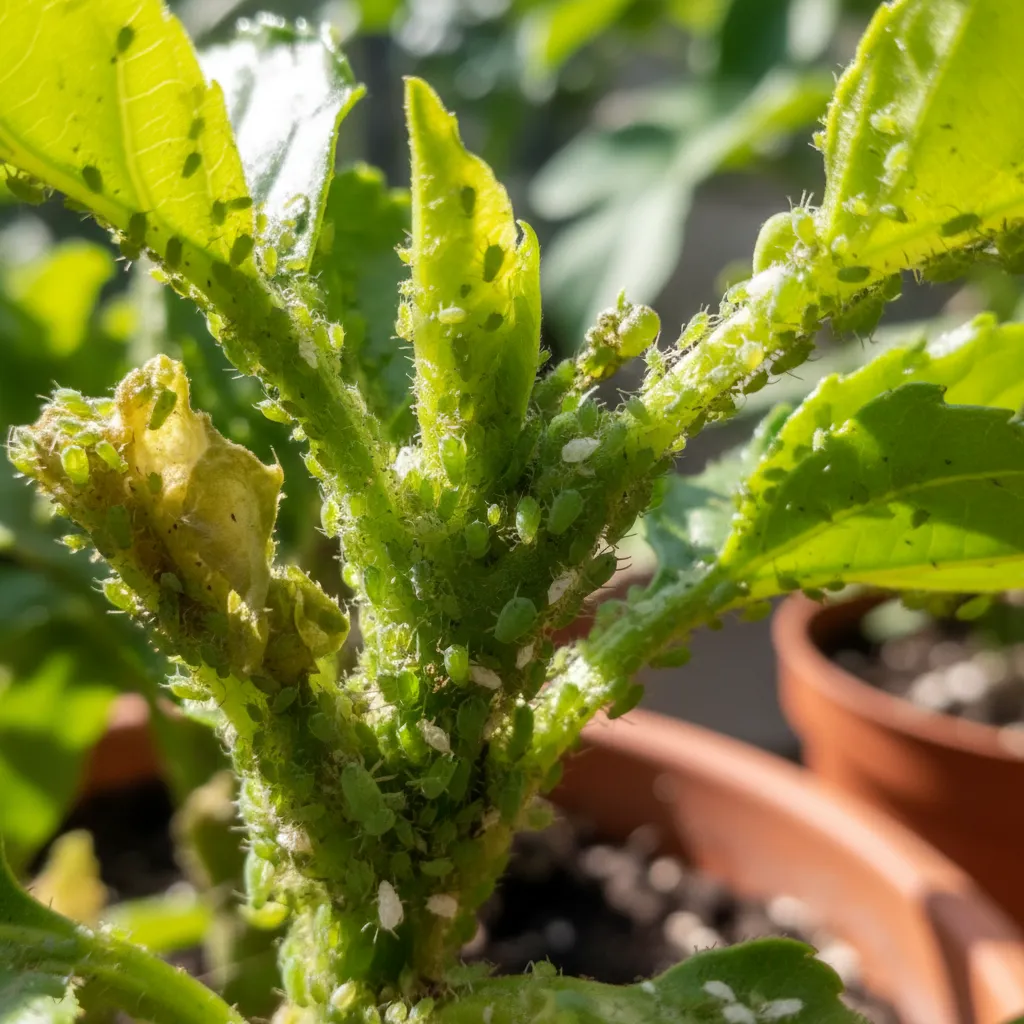
- ✓Pest and Disease Management — Monitor for common pests like mealybugs, scale insects, and diseases such as dieback and leaf spot. Integrated pest management (IPM) strategies are recommended.
- ✓Pruning — Light pruning is done to maintain tree shape, remove dead or diseased branches, and improve air circulation within the canopy.
- ✓Harvesting — Fruits mature in 6-9 months after flowering. Harvesting occurs when the fleshy fruit splits open, revealing the bright red aril (mace) surrounding the dark seed (nutmeg).
- ✓Post-Harvest Processing — The aril is carefully removed from the seed and flattened for drying (mace). The seed is then dried slowly until the kernel rattles within its shell, after which the hard shell is cracked to extract the nutmeg.
Reviewed by the Flora Medical Global Botanical Review Panel
Multi-disciplinary editorial group · Botany · Ethnobotany · Herbal-medicine literature
Who reviewed this: This page was checked by the Flora Medical Global Botanical Review Panel — an in-house editorial group of botany graduates, ethnobotany researchers, and horticulture practitioners who collectively maintain our 7,000+ plant encyclopedia. Meet the team.
Our 4-step verification process
1. Taxonomic verification
Scientific names and synonyms cross-checked against Kew POWO, World Flora Online, and The Plant List.
2. Phytochemical & medicinal cross-reference
Active compounds, traditional uses, and reported activities are cross-referenced with PubMed, USDA Dr. Duke's database, and peer-reviewed ethnobotanical literature.
3. Conservation & distribution check
Distribution, ecology, and conservation status confirmed against GBIF occurrence records and the IUCN Red List.
4. Editorial & safety review
Every entry passes an editorial pass for clarity, originality, and safety notices (toxicity, contraindications, dosage caveats) before publication.
Last reviewed:
Important medical disclaimer: This content is for educational and research purposes only. It is not medical advice and is not a substitute for consultation with a licensed healthcare provider. Do not use any herb to self-treat a medical condition without professional guidance.
Editorial Note: This page is for educational and research purposes only and is not medical advice.
Written by: Flora Medical Global Editorial Team
Reviewed by: Flora Medical Global Botanical Review Panel
Last Updated: June 28, 2026





Jaiphal — Comments & Community Reviews
Rate this plant
No reviews yet. Be the first!