
Medical Disclaimer: This content is for educational purposes only. It is not medical advice. Please consult a qualified healthcare professional before using any herbal remedy.
Safety Overview
1.Jamaican Dogwood — At a Glance

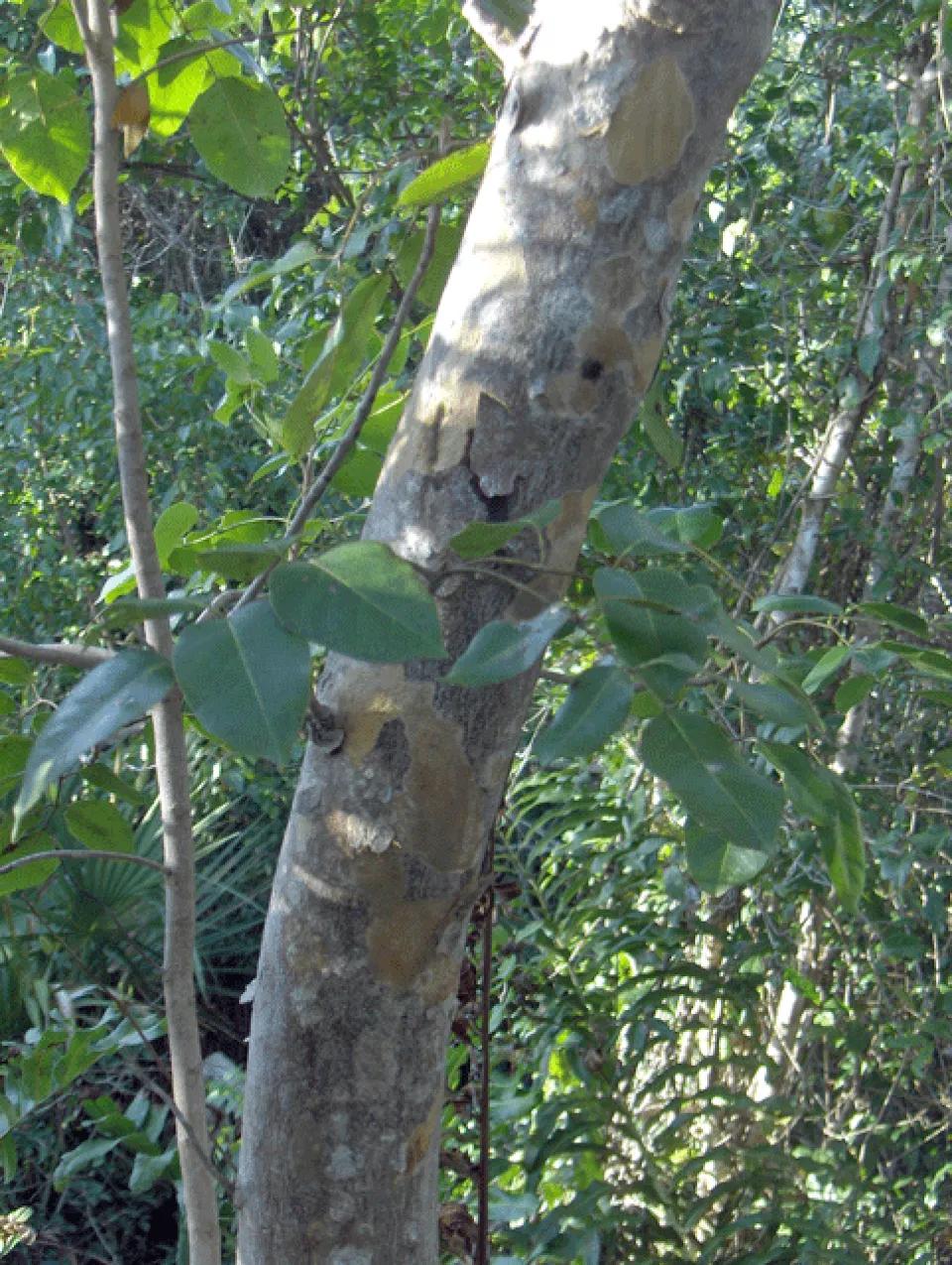
Jamaican Dogwood, scientifically known as Piscidia piscipula, is a medium-sized, deciduous tree belonging to the Fabaceae family, commonly recognized as the pea or legume family. Native to the Caribbean region, including islands like Jamaica, Cuba, and Hispaniola, its natural range extends to southern Florida, Central America, and parts of northern South America. The tree typically grows to heights of 10 to 15 meters, characterized by a straight trunk and a rounded, spreading crown.
Its bark is distinct, smooth and gray when young, developing into a rougher, furrowed texture with age, often flaking. The root bark is the primary part traditionally utilized for its medicinal properties.
The leaves of Piscidia piscipula are pinnately compound, meaning they are arranged in leaflets along a common stalk, typically featuring 5 to 11 ovate to elliptical leaflets that are glossy green on the upper surface and paler beneath. In spring, before new leaves fully emerge, the tree produces striking white to pinkish-purple, pea-like flowers in dense clusters.
These fragrant blossoms are an important nectar source for pollinators. Following flowering, it develops distinctive winged seed pods, which are a characteristic feature of many species within the Fabaceae family.
Ecologically, Jamaican Dogwood thrives in a variety of tropical and subtropical habitats, from coastal hammocks and pine rocklands to open woodlands, preferring well-drained soils and abundant sunlight. It exhibits a moderate tolerance to salt and drought conditions, which contributes to its prevalence in coastal Caribbean environments. Historically, this plant has held significant cultural and medicinal importance among indigenous communities and traditional herbalists in its native regions.
Its name, 'Piscidia,' derives from the Latin 'piscis' (fish) and 'caedo' (to kill), reflecting its traditional use as a fish stupefying agent by crushing the bark and roots into water, which contains compounds that temporarily immobilize fish, making them easier to catch. This historical practice underscores its potent pharmacological activity, which has been both a source of its traditional medicinal applications and a critical factor in its safety profile.
Trusted Scientific References
Authoritative external sources for Piscidia piscipula:
1.1.Jamaican Dogwood — Distinguishing Points
- ✓Botanical Name — Piscidia piscipula (also known as Piscidia erythrina in some contexts).
- ✓Plant Family — Fabaceae (Legume family).
- ✓Geographic Origin — Native to the Caribbean, Florida, and Central America.
- ✓Traditional Uses — Pain relief, sedative, antispasmodic, nerve pain, insomnia.
- ✓Key Phytochemicals — Isoflavones (piscidin, jamaicin) and rotenoids (rotenone, deguelin).
- ✓Primary Action (Traditional) — Central nervous system depressant, analgesic.
- ✓Root Bark — The primary part of the plant used in traditional medicine.
- ✓Toxicity Warning — Considered toxic and LIKELY UNSAFE for oral consumption.
- ✓Notable Side Effects — Numbness, tremors, salivation, sweating, CNS depression.
- ✓Contraindications — Pregnancy, breastfeeding, children, elderly, before surgery.
- ✓Drug Interactions — Potentiates sedative medications.
- ✓Conservation Status — May be at risk from overharvesting in some regions.
- ✓Common Names — Fishfuddle, Fish Poison Tree (reflecting its historical use).
- ✓Growth Habit — Medium-sized deciduous tree, typically 10-15 meters tall.
- ✓Flowering — Produces white to pinkish-purple, pea-like flowers in spring.
1.2.Jamaican Dogwood — Snapshot Summary
- ✓Jamaican Dogwood (Piscidia piscipula) is a potent, traditionally used medicinal plant from the Caribbean.
- ✓Historically valued for its analgesic, sedative, and antispasmodic properties, particularly for pain, insomnia, and nervous tension.
- ✓Contains powerful phytochemicals, including isoflavones and rotenoids, responsible for its actions.
- ✓Critically, it is considered LIKELY UNSAFE when taken orally due to its inherent toxicity.
- ✓Severe side effects include numbness, tremors, excessive salivation, sweating, and dangerous central nervous system depression.
- ✓Strictly contraindicated in pregnancy, breastfeeding, children, the elderly, and prior to surgery.
- ✓Interacts negatively with sedative medications, increasing risks of respiratory depression.
- ✓Modern scientific evidence for safe and effective human use is lacking, making self-medication highly dangerous.
2.Jamaican Dogwood — Scientific Identity
3.Jamaican Dogwood — Categories & Tags
4.Jamaican Dogwood — Physical Description
5.Jamaican Dogwood — Folk Medicine Applications
6.Jamaican Dogwood — Key Phytochemicals
- ✓Isoflavones — Key compounds include piscidin, jamaicin, and rotenoids, which are largely responsible for the plant's sedative, analgesic, and antispasmodic effects. Piscidin is a potent isoflavone known for its central nervous system depressant activity, contributing to its hypnotic and anxiolytic properties.
- ✓Rotenoids — Specifically, rotenone and deguelin are present. These compounds are known for their insecticidal properties, which also contribute to the plant's toxicity in higher doses, particularly affecting cellular respiration.
- ✓Tannins — These polyphenolic compounds are found in the bark and contribute to its astringent properties. Tannins can have antioxidant and anti-inflammatory effects, though their contribution to the primary medicinal actions of Jamaican Dogwood is secondary.
- ✓Resins — The bark contains various resins, which often consist of complex mixtures of terpenes and other organic compounds. These may contribute to the plant's overall pharmacological profile, though specific active resin components are less characterized.
- ✓Volatile Oils — Trace amounts of volatile oils are present, contributing to the plant's distinctive, somewhat 'opium-like' aroma. While not the primary active constituents, they may offer minor aromatic and synergistic effects.
- ✓Saponins — These glycosides are present in the plant and can contribute to foaming properties in aqueous extracts. Saponins have a range of biological activities, including potential anti-inflammatory and immune-modulating effects, but are also associated with toxicity.
- ✓Flavonoids — Beyond isoflavones, other flavonoid classes may be present, offering antioxidant and free radical scavenging capabilities, which are common in many plant species.
- ✓Sterols — Plant sterols such as beta-sitosterol are typically found in plant tissues and can have anti-inflammatory and cholesterol-lowering properties, though their role in Jamaican Dogwood's specific actions is minor.
- ✓Coumarins — Certain coumarin derivatives might be present, which can have anticoagulant, anti-inflammatory, and antimicrobial activities, adding to the plant's complex phytochemistry.
- ✓Alkaloids (Trace) — While not a primary class of active compounds, some trace alkaloids might be present, which could contribute to its diverse pharmacological effects, requiring careful toxicological assessment.
7.Jamaican Dogwood — Scientific Evidence
- ✓Analgesic Properties — Traditionally, Jamaican Dogwood has been revered for its potent pain-relieving effects, believed to act on the central nervous system to reduce the perception of pain. Its compounds may influence neurotransmitter pathways, offering relief from various forms of discomfort, including headaches, nerve pain, and muscular aches.
- ✓Sedative and Hypnotic Effects — The plant has been historically used as a natural sedative to promote relaxation and induce sleep. It is thought to exert a calming effect on the nervous system, which can be beneficial for individuals experiencing insomnia or general restlessness.
- ✓Anti-spasmodic Action — Jamaican Dogwood is traditionally employed to alleviate muscle spasms and cramps. Its constituents are believed to possess properties that can help relax smooth muscles, potentially reducing discomfort associated with conditions like menstrual cramps or nervous tension.
- ✓Nerve Pain Relief — Due to its purported analgesic and sedative qualities, Piscidia piscipula has been a traditional remedy for neuralgic pain, including sciatica and trigeminal neuralgia. It is thought to soothe irritated nerves and reduce the intensity of sharp, shooting pains.
- ✓Migraine Management — In traditional herbalism, the bark of Jamaican Dogwood has been applied to help mitigate the severity and frequency of migraine headaches. Its ability to act as an anodyne and sedative is believed to contribute to this effect, particularly when headaches are linked to tension.
- ✓Insomnia Aid — For individuals struggling with sleep disturbances, particularly those caused by pain or excessive nervous tension, Jamaican Dogwood has been historically used as a sleep aid. Its hypnotic properties are thought to facilitate a more restful night's sleep.
- ✓Anxiety Reduction — Although not its primary modern therapeutic focus, traditional uses include addressing states of anxiety and nervous agitation. The plant's sedative effects may help to calm an overactive mind and reduce feelings of unease.
- ✓Anti-inflammatory Support — Some traditional accounts and preliminary research suggest potential anti-inflammatory properties, which could contribute to its pain-relieving actions. This effect may involve modulation of inflammatory pathways, though specific mechanisms require further elucidation.
- ✓Antitussive (Cough Suppressant) — In some traditional systems, Jamaican Dogwood was used to alleviate coughs, particularly those accompanied by irritation or spasms. This benefit is likely linked to its overall soothing and anti-spasmodic effects on the respiratory tract.
- ✓Local Anesthetic — When applied externally in traditional preparations, the plant was sometimes used for its local numbing effect, particularly for toothaches or minor localized pain, although this practice is now largely discouraged due to toxicity.
- ✓Detoxification Support (Traditional) — Certain traditional practices in the Caribbean utilized the plant, often in very small doses, as part of cleansing rituals, though specific mechanisms or modern validation for this use are lacking and highly cautioned against.
- ✓Immune System Modulation (Speculative) — While not a primary use, some broad-spectrum phytochemicals found in the plant could theoretically have minor immune modulating effects, but this is highly speculative and not a validated benefit.
7.1.Jamaican Dogwood — Health Applications
8.Jamaican Dogwood — Safety & Side Effects
8.1.Jamaican Dogwood — Possible Adverse Reactions
- ✓Numbness — Oral ingestion can cause sensations of numbness, particularly in the extremities or orally.
- ✓Tremors — Involuntary muscle tremors or twitching are a reported adverse effect, indicating neurological impact.
- ✓Salivation — Excessive salivation (sialorrhea) can occur following ingestion, a sign of toxicity.
- ✓Sweating — Profuse sweating (diaphoresis) is another symptom associated with Jamaican Dogwood toxicity.
- ✓Drowsiness and Sedation — While a desired traditional effect, excessive drowsiness and central nervous system depression can be dangerous, especially when combined with other sedatives.
- ✓Respiratory Depression — High doses can lead to slowed or shallow breathing, posing a serious risk to respiratory function.
- ✓Cardiovascular Effects — May cause changes in heart rate and blood pressure, potentially leading to cardiac complications.
- ✓Gastrointestinal Upset — Nausea, vomiting, and abdominal discomfort can occur due to its irritating properties.
- ✓Uterine Contractions — Has been shown to affect uterine muscle, posing a significant risk during pregnancy.
- ✓Central Nervous System Toxicity — Beyond sleepiness, it can cause more severe neurological symptoms, including confusion, disorientation, and in extreme cases, coma.
8.2.Jamaican Dogwood — Risk Assessment
- ✓Pregnancy — Jamaican Dogwood is LIKELY UNSAFE when taken orally during pregnancy. It can stimulate uterine contractions and may lead to miscarriage or other adverse outcomes. Avoid use completely.
- ✓Breastfeeding — It is LIKELY UNSAFE for use during breastfeeding. The toxic compounds can be passed through breast milk to the infant, posing serious health risks. Avoid use.
- ✓Children — Jamaican Dogwood is LIKELY UNSAFE for children. They are particularly sensitive to its toxic chemicals and are at a higher risk of severe side effects. Do not administer to children.
- ✓Elderly Individuals — Elderly people are especially sensitive to the plant's toxic effects, including CNS depression and other adverse reactions. Extreme caution is warranted, and use is generally discouraged.
- ✓Prior to Surgery — Due to its central nervous system depressant effects, Jamaican Dogwood might interact dangerously with anesthesia and other medications used during and after surgery. Discontinue use at least two weeks before any scheduled surgical procedure.
- ✓Sedative Medications — Concomitant use with sedative medications (e.g., benzodiazepines, barbiturates, antidepressants, alcohol) can lead to excessive drowsiness, profound CNS depression, and severe respiratory problems. AVOID this combination.
- ✓Driving and Operating Machinery — Due to its potent sedative effects, individuals should avoid driving or operating heavy machinery if they have ingested Jamaican Dogwood.
- ✓Overall Toxicity — The plant is considered toxic when taken by mouth and should not be used without strict medical supervision, if at all. Its narrow therapeutic window makes safe dosing extremely challenging.
- ✓Lack of Scientific Evidence — There is insufficient reliable scientific evidence to support the safe and effective use of Jamaican Dogwood for any human health condition. Its traditional uses are not validated by modern clinical trials.
9.Jamaican Dogwood — Preparation Methods
- ✓Decoction (Traditional) — Historically, the dried root bark was boiled in water to create a strong decoction, primarily used for internal analgesic or sedative purposes, often in very small, carefully monitored doses due to its toxicity.
- ✓Tincture (Traditional/Herbalist) — An alcoholic extract of the root bark was prepared by some herbalists, allowing for a more concentrated form, again, used with extreme caution and in minimal quantities.
- ✓Poultice (External, Traditional) — In some folk traditions, crushed root bark was applied externally as a poultice for localized pain, such as toothaches or minor inflammations, but this practice is now discouraged due to potential absorption and skin irritation.
- ✓Infusion (Limited) — Less common than decoctions due to the bark's hard nature, an infusion might have been prepared with finely powdered bark, but its efficacy and safety are questionable.
- ✓Powdered Bark (Limited) — Dried and powdered bark was occasionally mixed into other preparations or encapsulated, though precise dosing and safety remain significant challenges.
- ✓Smoking (Historical) — There are anecdotal accounts of indigenous populations smoking parts of the plant for its narcotic effects, a practice that is highly dangerous and not recommended.
- ✓Fish Stupefying Agent — Non-medicinal traditional use involved crushing the bark and roots and releasing them into water to temporarily immobilize fish, showcasing its potent neurotoxic properties.
- ✓Herbal Combinations (Cautioned) — Traditional herbalists sometimes combined Jamaican Dogwood with other sedative or analgesic herbs, but this practice significantly increases the risk of adverse interactions and overdose.
10.Jamaican Dogwood — How to Grow
- ✓Climate — Thrives in tropical and subtropical climates, requiring warm temperatures and high humidity.
- ✓Sunlight — Prefers full sun exposure for optimal growth, tolerating partial shade but with reduced vigor.
- ✓Soil — Requires well-drained soil, ideally sandy or loamy, with a pH ranging from slightly acidic to neutral (6.0-7.5).
- ✓Watering — Needs consistent moisture, especially when young, but established trees are moderately drought-tolerant; avoid waterlogging.
- ✓Propagation — Can be propagated from seeds, which require scarification, or from semi-hardwood cuttings.
- ✓Fertilization — Benefits from a balanced slow-release fertilizer during the growing season, particularly in nutrient-poor soils.
- ✓Pruning — Minimal pruning is required, primarily for shaping, removing dead or diseased branches, or controlling size.
- ✓Pests and Diseases — Generally robust, but can be susceptible to common tree pests like scale insects or mealybugs in stressed conditions.
- ✓Harvesting — Root bark is traditionally harvested from mature trees, a process that requires careful and sustainable practices to prevent damage to the plant population.
- ✓Transplanting — Young trees transplant well, but care must be taken to minimize root disturbance to ensure establishment.
Reviewed by the Flora Medical Global Botanical Review Panel
Multi-disciplinary editorial group · Botany · Ethnobotany · Herbal-medicine literature
Who reviewed this: This page was checked by the Flora Medical Global Botanical Review Panel — an in-house editorial group of botany graduates, ethnobotany researchers, and horticulture practitioners who collectively maintain our 7,000+ plant encyclopedia. Meet the team.
Our 4-step verification process
1. Taxonomic verification
Scientific names and synonyms cross-checked against Kew POWO, World Flora Online, and The Plant List.
2. Phytochemical & medicinal cross-reference
Active compounds, traditional uses, and reported activities are cross-referenced with PubMed, USDA Dr. Duke's database, and peer-reviewed ethnobotanical literature.
3. Conservation & distribution check
Distribution, ecology, and conservation status confirmed against GBIF occurrence records and the IUCN Red List.
4. Editorial & safety review
Every entry passes an editorial pass for clarity, originality, and safety notices (toxicity, contraindications, dosage caveats) before publication.
Last reviewed:
Important medical disclaimer: This content is for educational and research purposes only. It is not medical advice and is not a substitute for consultation with a licensed healthcare provider. Do not use any herb to self-treat a medical condition without professional guidance.
Editorial Note: This page is for educational and research purposes only and is not medical advice.
Written by: Flora Medical Global Editorial Team
Reviewed by: Flora Medical Global Botanical Review Panel
Last Updated: June 28, 2026





Jamaican Dogwood — Comments & Community Reviews
Rate this plant
No reviews yet. Be the first!