
Medical Disclaimer: This content is for educational purposes only. It is not medical advice. Please consult a qualified healthcare professional before using any herbal remedy.
Safety Overview
1.Jeevanti — Overview
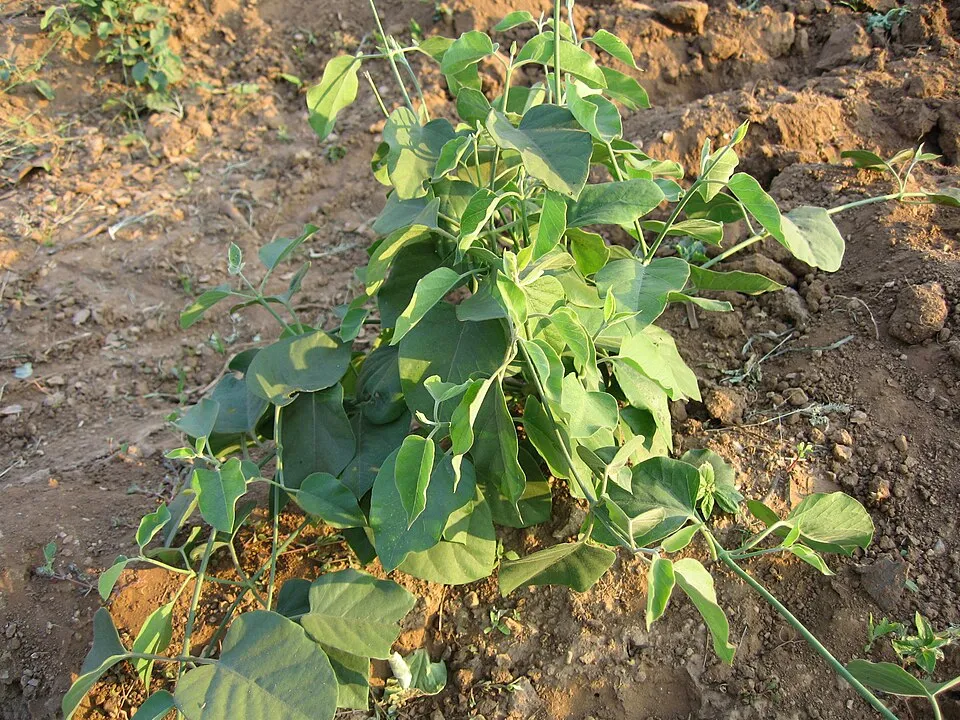
Leptadenia reticulata, universally known as Jeevanti, is a remarkable perennial herbaceous vine belonging to the Apocynaceae family. This robust plant typically ascends to heights of 60 to 90 centimeters, often sprawling or climbing over supporting vegetation. Its foliage is characterized by simple, lanceolate leaves, which measure approximately 5 to 10 cm in length. These leaves possess a distinct glossy green surface, contributing to the plant's aesthetic appeal and often indicating its vitality. The reproductive structures of Jeevanti are modest yet charming, featuring clusters of small, subtly fragrant flowers that range in color from pristine white to a delicate pale yellow.
These blooms emerge in axillary racemes, typically gracing the plant from late spring through the summer months. The stem, which is slender and flexible, exhibits a somewhat rough texture and often presents a light brownish hue, reflecting its woody nature as it matures. Ecologically, Jeevanti demonstrates a preference for arid to semi-arid climates, thriving predominantly in tropical and subtropical zones across significant parts of the globe. Its natural distribution spans regions including the Indian subcontinent, various parts of Africa, and the Arabian Peninsula. The plant is highly adaptable, flourishing in well-drained sandy or loamy soils and frequently establishing itself in disturbed habitats such as roadsides, open scrublands, and forest edges.
In its indigenous environment, Leptadenia reticulata plays a crucial role beyond its ornamental value; it acts as an essential component of local ecosystems, offering sustenance and refuge for a diverse array of insects and smaller fauna. From a taxonomic perspective, Jeevanti is classified within the genus Leptadenia, a group renowned for its numerous flowering plants, many of which are recognized for their profound medicinal properties. Historically, Jeevanti holds a revered position in traditional medicine systems, particularly Ayurveda, where it is celebrated for its profound rejuvenating and vitality-enhancing effects. Its designation as a 'life-giving herb' stems from its multifaceted traditional applications and the intricate synergy of its unique phytochemical profile, which has been cherished for centuries to promote overall health and longevity. Trusted Scientific References Authoritative external sources for Leptadenia reticulata : Wikipedia — Leptadenia reticulata Kew POWO (Plants of the World Online) PubMed — peer-re ...[CURRENT TEXT EXISTS: 2564 chars]
1.1.Jeevanti — Key Features
- ✓Botanical Classification — A perennial herbaceous vine belonging to the Apocynaceae family.
- ✓Geographic Distribution — Indigenous to tropical and subtropical regions of India, Africa, and the Arabian Peninsula.
- ✓Morphological Characteristics — Features simple, glossy green, lanceolate leaves and small, fragrant, white to pale yellow flowers.
- ✓Ecological Niche — Thrives in arid to semi-arid climates, preferring well-drained sandy or loamy soils.
- ✓'Rasayana' Herb — Revered in Ayurveda as a rejuvenating tonic, promoting longevity and vitality.
- ✓Galactagogue Action — Highly valued for its ability to stimulate and enhance milk production in lactating women.
- ✓Adaptogenic Properties — Helps the body to cope with physical and mental stress, reducing fatigue and improving stamina.
- ✓Rich Phytochemistry — Contains a complex array of bioactive compounds including saponins, flavonoids, triterpenes, and phytosterols.
- ✓Immunomodulatory Benefits — Supports and strengthens the immune system's natural defenses.
- ✓Traditional Uses — Utilized for a wide range of ailments including coughs, fevers, emaciation, and night blindness.
- ✓Anti — inflammatory & Antioxidant — Offers protective benefits against inflammation and oxidative stress.
- ✓Conservation Status — Classified as threatened or endangered in some regions due to high demand and unsustainable harvesting.
- ✓Versatile Preparation — Can be consumed as a powder, decoction, infused oil, or incorporated into complex herbal formulations.
- ✓Modern Applications — Ingredient in numerous commercial herbal products for general health, male vitality, and immune support.
1.2.Jeevanti — At-a-Glance Summary
- ✓Jeevanti (Leptadenia reticulata) is a revered Ayurvedic herb known for its revitalizing properties.
- ✓It acts as a potent adaptogen, supporting the body's resilience against stress and fatigue.
- ✓Traditionally used as a galactagogue to enhance lactation in nursing mothers.
- ✓Rich in diverse phytochemicals including saponins, flavonoids, and triterpenes.
- ✓Exhibits antioxidant, anti-inflammatory, and immunomodulatory activities.
- ✓Employed in traditional medicine for respiratory issues, fevers, and general debility.
- ✓Faces conservation challenges due to overexploitation, necessitating sustainable cultivation methods.
- ✓Available in various forms, including powders, decoctions, and as an ingredient in herbal formulations.
2.Jeevanti — Scientific Profile
3.Jeevanti — Quick Facts
4.Jeevanti — Morphological Account
5.Jeevanti — Habitat & Distribution
6.Jeevanti — Cultural & Traditional Roles
7.Jeevanti — Active Compounds
- ✓Steroidal Saponins — Key compounds include Leptadenol and Leptadenin, which are believed to contribute to the plant's adaptogenic and galactagogue properties by influencing hormonal pathways and immune responses.
- ✓Flavonoids — Important examples are Luteolin, Diosmetin, Rutin, and Apigenin. These compounds are potent antioxidants, offering significant protection against oxidative stress and exhibiting anti-inflammatory activities.
- ✓Triterpenes — This category includes α-amyrin, β-amyrin, and Simiarenol. Triterpenes are known for their anti-inflammatory, hepatoprotective, and immunomodulatory effects, contributing to the plant's overall rejuvenating profile.
- ✓Alkaloids — While specific alkaloids like Reticulin, Deniculatin, and Leptaculatin have been identified, their precise pharmacological roles are still under extensive research, though alkaloids often possess significant biological activities.
- ✓Phytosterols — Compounds such as β-sitosterol and Stigmasterol are present, recognized for their cholesterol-lowering effects, anti-inflammatory properties, and potential immune-modulating benefits.
- ✓Phenolic Acids — Ferulic acid is a notable example, known for its strong antioxidant capacity and ability to protect against cellular damage, further contributing to the plant's anti-aging and protective effects.
- ✓Fatty Acids and Alcohols — Hentriacontanol, a long-chain aliphatic alcohol, is found in Jeevanti. These compounds can have various physiological roles, including membrane stability and metabolic regulation.
- ✓Glycosides — These complex molecules, often formed by a sugar and a non-sugar component, contribute to various therapeutic actions, including cardiotonic and anti-inflammatory effects.
- ✓Tannins — Possessing astringent properties, tannins may contribute to the plant's traditional use in managing dysentery and other gastrointestinal issues by reducing inflammation and supporting tissue repair.
- ✓Gums and Mucilage — These polysaccharides provide soothing and demulcent properties, which can be beneficial in alleviating irritation in the respiratory and digestive tracts.
8.Jeevanti — What Research Suggests
- ✓Rejuvenating (Rasayana) — Jeevanti is a renowned 'Rasayana' herb in Ayurveda, promoting overall vitality and longevity by nourishing tissues and supporting cellular regeneration, thereby combating the effects of aging and debility.
- ✓Galactagogue Properties — Traditionally used to enhance lactation in nursing mothers, Jeevanti stimulates milk production and improves its quality, likely through hormonal modulation and nutritional support.
- ✓Adaptogenic Support — The plant helps the body adapt to various stressors, both physical and psychological, by modulating the neuro-endocrine and immune systems, improving resilience and reducing fatigue.
- ✓Immunomodulatory Effects — Constituents in Leptadenia reticulata are believed to bolster the immune system, enhancing the body's defense mechanisms against infections and promoting general wellness.
- ✓Anti-tussive and Expectorant — Used to alleviate coughs and respiratory discomfort, Jeevanti helps to soothe irritated airways and facilitate the expulsion of mucus, offering relief in conditions like dyspnea.
- ✓Antipyretic Action — Traditional applications include reducing fever and associated burning sensations, suggesting properties that help regulate body temperature and inflammation.
- ✓Ocular Health Support — Historically, Jeevanti has been employed to improve vision and address conditions like night blindness, potentially due to its rich antioxidant content protecting ocular tissues.
- ✓Hematopoietic Stimulation — The herb is traditionally linked to improving blood formation and addressing conditions of emaciation, supporting healthy blood cell production and overall nourishment.
- ✓Anti-inflammatory Properties — Phytochemicals present in Jeevanti exhibit anti-inflammatory effects, which can help mitigate pain and swelling associated with various inflammatory conditions.
- ✓Antioxidant Activity — Rich in flavonoids and other phenolic compounds, Jeevanti helps neutralize free radicals, protecting cells from oxidative damage and contributing to its anti-aging benefits.
- ✓Digestive Aid — In traditional systems, it is used to support digestive health and can be beneficial in managing conditions like dysentery due to its potential antimicrobial and soothing properties on the gut.
- ✓Aphrodisiac and Tonic Effects — Jeevanti is considered a potent general tonic and aphrodisiac, enhancing libido, reproductive health, and overall physical strength and stamina.
- ✓Anti-cancer Potential — Preliminary research indicates that certain compounds within Leptadenia reticulata may possess anti-proliferative or cytotoxic effects against various cancer cell lines, warranting further investigation.
- ✓Anti-microbial Activity — Extracts of Jeevanti have demonstrated inhibitory effects against a range of bacteria and fungi, supporting its traditional use in treating infectious ailments.
8.1.Jeevanti — Health Applications
9.Jeevanti — Adverse Effects
9.1.Jeevanti — Warnings
- ✓Allergic Reactions — Individuals sensitive to plants in the Apocynaceae family may experience skin rashes, itching, or other allergic responses.
- ✓Gastrointestinal Upset — High doses may lead to mild digestive disturbances such as nausea, stomach discomfort, or diarrhea in some sensitive individuals.
- ✓Hypotension — Due to potential vasodilatory effects, individuals with low blood pressure should use Jeevanti cautiously, as it might further lower blood pressure.
- ✓Hypoglycemia — May interact with blood sugar levels, so diabetics on medication should monitor glucose levels closely.
- ✓Sedation — In rare cases, very high doses could potentially induce mild drowsiness or sedation.
- ✓Drug Interactions — Potential interactions with certain medications, including blood pressure drugs, diabetes medications, and immunosuppressants, due to its diverse phytochemicals.
- ✓Hormonal Imbalance — Given its traditional use as a galactagogue and potential hormonal effects, it might influence endocrine balance, especially with prolonged, high-dose use.
- ✓Pregnancy/Lactation — While traditionally used as a galactagogue, specific safety data for pregnancy and early lactation is limited, warranting caution.
9.2.Jeevanti — Safety Profile
- ✓Consult Healthcare Provider — Always consult a qualified medical herbalist or healthcare practitioner before starting any Jeevanti regimen, especially with pre-existing conditions.
- ✓Pregnancy and Lactation — Use with caution during pregnancy; while traditionally used as a galactagogue, professional guidance is recommended during breastfeeding.
- ✓Children — Not recommended for infants or very young children without expert medical supervision due to insufficient safety data.
- ✓Pre-existing Conditions — Individuals with chronic diseases, particularly heart conditions, diabetes, or hormonal imbalances, should exercise caution and seek professional advice.
- ✓Drug Interactions — Potential for interaction with prescription medications, including cardiovascular drugs, hypoglycemic agents, and hormonal therapies. Monitor closely.
- ✓Dosage Adherence — Strictly follow recommended dosages as excessive intake may increase the risk of adverse effects.
- ✓Quality Sourcing — Ensure Jeevanti products are sourced from reputable suppliers to guarantee purity, potency, and absence of contaminants.
- ✓Allergic History — Individuals with known allergies to plants in the Apocynaceae family should avoid Jeevanti.
- ✓Discontinue if Adverse Reactions Occur — Cease use immediately if any unusual or adverse symptoms develop and seek medical attention.
10.Jeevanti — How to Use
- ✓Decoction — Prepare a decoction by boiling chopped roots or stems in water, then straining, commonly used for general debility and respiratory issues.
- ✓Powder (Churna) — Dried leaves and roots are pulverized into a fine powder, which can be mixed with honey, ghee, or warm water for daily consumption as a tonic.
- ✓Herbal Infusion — Steep fresh or dried leaves in hot water to create an infusion, beneficial for digestive complaints or as a general health drink.
- ✓Medicated Ghee (Ghrita) — Jeevanti paste is cooked with ghee, often combined with other herbs, to create a potent preparation for rejuvenation and nervous system support.
- ✓Topical Paste — Fresh leaves are ground into a paste and applied externally to soothe skin irritations or promote healing of minor wounds.
- ✓Herbal Oil — Infuse Jeevanti extracts into carrier oils (e.g., sesame oil) for topical application, particularly for skin health or as a strengthening massage oil.
- ✓Capsules/Tablets — Standardized extracts or powdered forms are encapsulated or pressed into tablets for convenient and precise dosage in modern herbal supplements.
- ✓Syrups — Formulated into herbal syrups, especially when targeting respiratory conditions like coughs, often combined with other expectorant herbs.
- ✓Ingredient in Formulations — Jeevanti is a key component in numerous Ayurvedic formulations like Chyawanprash, Speman, and other vitality-enhancing products.
- ✓Fresh Juice — Juice extracted from fresh leaves can be consumed in small quantities, often diluted, for its immediate nutritional and therapeutic benefits.
11.Jeevanti — Growth Requirements
- ✓Soil Preference — Thrives best in well-drained, sandy to loamy soils with a pH ranging from slightly acidic to neutral (6.0-7.5).
- ✓Climate Requirements — Prefers tropical to subtropical climates, ideally with arid to semi-arid conditions, tolerant of high temperatures and drought.
- ✓Propagation — Primarily propagated through seeds, stem cuttings, or root suckers. Seed germination can be enhanced by scarification.
- ✓Sunlight Exposure — Requires full sun exposure for optimal growth, needing at least 6-8 hours of direct sunlight daily.
- ✓Watering — Drought-tolerant once established, but requires moderate watering during initial growth phases and prolonged dry spells.
- ✓Fertilization — Benefits from organic matter enrichment in soil. Minimal inorganic fertilization is needed, primarily balanced NPK during vegetative growth.
- ✓Spacing — When planting, maintain a spacing of 30-45 cm between plants to allow for adequate growth and air circulation.
- ✓Support Structure — As a climbing vine, it often requires trellises, fences, or other support structures to facilitate vertical growth.
- ✓Pest and Disease Management — Generally robust, but can be susceptible to common pests like aphids or mealybugs; organic pest control methods are preferred.
- ✓Harvesting — Leaves and stems can be harvested as needed, with roots typically harvested after the plant has matured for several years, often during the dry season.
- ✓Conservation Efforts — Due to overexploitation, micropropagation techniques and tissue culture are increasingly used for large-scale, sustainable cultivation.
Reviewed by the Flora Medical Global Botanical Review Panel
Multi-disciplinary editorial group · Botany · Ethnobotany · Herbal-medicine literature
Who reviewed this: This page was checked by the Flora Medical Global Botanical Review Panel — an in-house editorial group of botany graduates, ethnobotany researchers, and horticulture practitioners who collectively maintain our 7,000+ plant encyclopedia. Meet the team.
Our 4-step verification process
1. Taxonomic verification
Scientific names and synonyms cross-checked against Kew POWO, World Flora Online, and The Plant List.
2. Phytochemical & medicinal cross-reference
Active compounds, traditional uses, and reported activities are cross-referenced with PubMed, USDA Dr. Duke's database, and peer-reviewed ethnobotanical literature.
3. Conservation & distribution check
Distribution, ecology, and conservation status confirmed against GBIF occurrence records and the IUCN Red List.
4. Editorial & safety review
Every entry passes an editorial pass for clarity, originality, and safety notices (toxicity, contraindications, dosage caveats) before publication.
Last reviewed:
Important medical disclaimer: This content is for educational and research purposes only. It is not medical advice and is not a substitute for consultation with a licensed healthcare provider. Do not use any herb to self-treat a medical condition without professional guidance.
Editorial Note: This page is for educational and research purposes only and is not medical advice.
Written by: Flora Medical Global Editorial Team
Reviewed by: Flora Medical Global Botanical Review Panel
Last Updated: June 16, 2026





Jeevanti — Comments & Community Reviews
Rate this plant