


Medical Disclaimer: This content is for educational purposes only. It is not medical advice. Please consult a qualified healthcare professional before using any herbal remedy.
Safety Overview
1.Jiaogulan — Essential Profile

Jiaogulan, scientifically known as Gynostemma pentaphyllum, is a herbaceous perennial vine belonging to the Cucurbitaceae family, which also includes cucumbers and melons. Revered in traditional East Asian cultures as the 'Southern Ginseng' or 'Immortality Herb,' this vigorous plant typically features slender, scrambling stems that can reach several meters in length, climbing by means of tendrils. Its most distinctive morphological characteristic is its palmate leaves, usually composed of five leaflets, though variations with three or seven leaflets are also common, lending to its specific epithet 'pentaphyllum' (meaning 'five-leaved').
The leaflets are ovate to lanceolate with serrated margins, presenting a vibrant green hue. Jiaogulan produces inconspicuous small, greenish-white or yellowish flowers, which are typically dioecious, meaning male and female flowers are borne on separate plants. These flowers eventually give way to small, dark purple to black berries, which are inedible.
Native to a wide range across East and Southeast Asia, including southern China, Vietnam, Korea, Japan, Thailand, and parts of India, Gynostemma pentaphyllum thrives in moist, shaded environments such as forest undergrowth, stream banks, and along roadsides. It prefers well-drained soil and a subtropical to tropical climate. Its extensive historical use spans centuries within various traditional medicine systems.
In Traditional Chinese Medicine (TCM), it has been valued for its adaptogenic properties, believed to balance the body's energy (Qi) and enhance overall vitality. Folk medicine across its native regions utilized it for general wellness, anti-aging, and as a tonic. Its classification within the Cucurbitaceae family, distinct from true ginseng (Panax species in the Araliaceae family), highlights a fascinating example of convergent evolution in terms of its adaptogenic biochemical profile, particularly its unique saponins known as gypenosides, which bear structural similarities to ginsenosides found in Panax ginseng.
Modern scientific inquiry continues to explore and validate these traditional applications, cementing Jiaogulan's role as a significant botanical in contemporary herbal medicine.
Trusted Scientific References
Authoritative external sources for Gynostemma pentaphyllum:
1.1.Jiaogulan — Notable Characteristics
- ✓Potent Adaptogen — Helps the body manage physical and mental stress.
- ✓Rich in Gypenosides — Unique saponins providing ginseng-like benefits.
- ✓Metabolic Health Support — Aids in regulating blood sugar and cholesterol.
- ✓Immune System Modulator — Balances and enhances immune responses.
- ✓Strong Antioxidant — Protects cells from oxidative damage.
- ✓Anti — inflammatory Properties — Helps reduce systemic inflammation.
- ✓Cardiovascular Protector — Supports heart and circulatory health.
- ✓Liver Detoxification Aid — Assists in liver function and protection.
- ✓Natural Energy Booster — Contributes to vitality and reduces fatigue.
- ✓Stress and Anxiety Relief — Promotes a sense of calm and well-being.
- ✓Traditional East Asian Herb — Centuries of use in TCM and folk medicine.
- ✓Perennial Climbing Vine — Easy to cultivate in suitable climates.
- ✓Versatile Consumption — Enjoyed as tea, extracts, or culinary ingredient.
- ✓'Immortality Herb' Nickname — Reflects its historical association with longevity.
1.2.Jiaogulan — At-a-Glance Summary
- ✓Jiaogulan is an adaptogenic herb, often called 'Southern Ginseng' or 'Immortality Herb'.
- ✓It is traditionally used for vitality, longevity, and overall wellness in East Asian medicine.
- ✓Key benefits include blood sugar regulation, cholesterol management, and immune support.
- ✓Rich in gypenosides, which are potent saponins similar to ginseng's ginsenosides.
- ✓Offers significant antioxidant, anti-inflammatory, and liver-protective properties.
- ✓Caution is advised for pregnant, breastfeeding individuals, those with autoimmune conditions, or on blood thinners.
- ✓Available as teas, extracts, capsules, and can be used in culinary applications.
2.Jiaogulan — Scientific Identity
3.Jiaogulan — Categories & Tags
4.Jiaogulan — Physical Description
5.Jiaogulan — Traditional Uses
6.Jiaogulan — Key Phytochemicals
- ✓Gypenosides — These are the primary active compounds in Jiaogulan, a group of dammarane-type saponins structurally similar to ginsenosides found in Panax ginseng. Over 100 different gypenosides have been identified, responsible for many of Jiaogulan's adaptogenic, antioxidant, antidiabetic, and cholesterol-lowering effects.
- ✓Flavonoids — A diverse group of polyphenolic compounds such as quercetin, kaempferol, and rutin, contributing significantly to Jiaogulan's antioxidant, anti-inflammatory, and cardioprotective activities. They help scavenge free radicals and modulate enzyme activity.
- ✓Polysaccharides — Complex carbohydrates found in the plant that exhibit immune-modulating properties. They can stimulate immune cells and enhance the body's defense mechanisms against pathogens and stress.
- ✓Amino Acids — Jiaogulan contains various essential and non-essential amino acids, which are fundamental building blocks for proteins and play crucial roles in metabolism, neurotransmitter synthesis, and overall physiological function.
- ✓Vitamins — The plant contains a spectrum of vitamins, including B vitamins and vitamin C, which are vital cofactors for numerous metabolic processes, immune support, and antioxidant defense.
- ✓Minerals — Essential minerals like selenium, zinc, magnesium, and calcium are present, supporting bone health, enzyme function, immune response, and nerve transmission.
- ✓Sterols — Phytosterols, such as beta-sitosterol, are plant compounds structurally similar to cholesterol. They can help reduce cholesterol absorption in the gut, contributing to the plant's hypolipidemic effects.
- ✓Terpenoids — A broad class of organic compounds including monoterpenes, sesquiterpenes, and diterpenes, which contribute to the plant's aroma and possess various pharmacological activities, including anti-inflammatory and antimicrobial properties.
- ✓Phenolic Compounds — Beyond flavonoids, other phenolic acids like gallic acid and caffeic acid are present, adding to the plant's antioxidant capacity and contributing to its protective effects against oxidative damage.
- ✓Carotenoids — Pigments like beta-carotene are found in Jiaogulan, acting as powerful antioxidants and precursors to vitamin A, supporting vision and immune health.
- ✓Alkaloids — Although present in smaller quantities, alkaloids can contribute to the plant's overall pharmacological profile, though specific active alkaloids in Jiaogulan are less characterized than gypenosides.
7.Jiaogulan — Evidence-Based Benefits
- ✓Adaptogenic Support — Jiaogulan is renowned as an adaptogen, helping the body adapt to various stressors, both physical and psychological. It aids in maintaining homeostasis and improving overall resilience without overstimulating or sedating.
- ✓Blood Sugar Regulation — Research indicates that Jiaogulan tea and extracts can significantly improve blood sugar control in individuals with type 2 diabetes. It may enhance insulin sensitivity and promote glucose utilization.
- ✓Cholesterol Management — Studies suggest that Gynostemma pentaphyllum can help reduce elevated cholesterol levels, particularly LDL ('bad') cholesterol, and increase HDL ('good') cholesterol. This contributes to improved lipid profiles and cardiovascular health.
- ✓Liver Health Support — Traditional uses and some modern studies point to Jiaogulan's potential in protecting the liver and supporting its detoxification functions. It may help in managing conditions like non-alcoholic fatty liver disease (NAFLD).
- ✓Weight Management — Clinical trials have shown that Jiaogulan extracts can contribute to anti-obesity effects, potentially by influencing fat metabolism and reducing body fat percentage. It may aid in healthy weight loss efforts.
- ✓Antioxidant Properties — Rich in antioxidant compounds, Jiaogulan combats oxidative stress by neutralizing free radicals. This protective action is crucial for cellular health and preventing chronic diseases associated with oxidative damage.
- ✓Anti-inflammatory Effects — The plant possesses potent anti-inflammatory properties, which can help alleviate chronic inflammation throughout the body. This is beneficial for conditions linked to systemic inflammatory responses.
- ✓Immune System Modulation — Jiaogulan can modulate immune system activity, potentially enhancing immune responses when needed or calming overactive immunity. This contributes to overall immune balance and resilience.
- ✓Cardiovascular Health — Beyond cholesterol regulation, Jiaogulan may support heart health by improving blood vessel function, reducing blood pressure, and preventing platelet aggregation, thus lowering the risk of cardiovascular events.
- ✓Stress and Anxiety Reduction — As an adaptogen, it helps mitigate the physiological impacts of stress, potentially reducing symptoms of anxiety and improving mood. Some studies indicate a calming effect on the nervous system.
- ✓Enhanced Athletic Performance — Anecdotal evidence and some research suggest that Jiaogulan may improve endurance and reduce fatigue, making it beneficial for athletes or those seeking to enhance physical stamina.
- ✓Digestive Health — Traditionally used to support digestive function, Jiaogulan may help soothe gastrointestinal discomfort and promote a healthy gut environment. Its anti-inflammatory effects can benefit the digestive tract.
- ✓Anti-aging Potential — Often called the 'Immortality Herb,' its strong antioxidant and adaptogenic properties are believed to contribute to anti-aging effects, promoting longevity and cellular rejuvenation.
- ✓Respiratory Support — In some traditional practices, Jiaogulan has been used to support respiratory health, particularly in conditions involving inflammation or congestion.
- ✓Cognitive Function — While less researched, its general adaptogenic and antioxidant benefits may indirectly support cognitive health by protecting brain cells and improving cerebral circulation.
7.1.Jiaogulan — Therapeutic Indications
8.Jiaogulan — Safety & Side Effects
8.1.Jiaogulan — Reported Side Effects
- ✓Diarrhea — One of the most commonly reported side effects, particularly with higher doses or initial use, often subsiding with continued use or dose reduction.
- ✓Nausea — Some individuals may experience stomach upset or nausea, especially when taken on an empty stomach.
- ✓Increased Bleeding Risk — Jiaogulan may slow blood clotting, increasing the risk of bruising or bleeding, particularly for those with bleeding disorders or on anticoagulant medications.
- ✓Hypoglycemia — As it can lower blood sugar, there is a risk of blood sugar dropping too low, especially in diabetics taking medications.
- ✓Immune System Overactivity — For individuals with autoimmune conditions, Jiaogulan's immune-stimulating effects could potentially exacerbate symptoms.
- ✓Potential Birth Defects — Certain chemicals in Jiaogulan have been linked to possible birth defects in animal studies, making it unsafe during pregnancy.
- ✓Drug Interactions — Can interact with medications for diabetes, immunosuppressants, and blood thinners, necessitating caution and medical consultation.
- ✓Allergic Reactions — Though rare, some individuals may experience allergic reactions, such as skin rashes or itching.
8.2.Jiaogulan — Safety Profile
- ✓Pregnancy — Jiaogulan is considered possibly unsafe during pregnancy due to potential links between its compounds and birth defects; therefore, pregnant individuals should avoid its use.
- ✓Breast-feeding — Due to insufficient reliable information regarding its safety during lactation, it is best for breast-feeding mothers to avoid Jiaogulan.
- ✓Autoimmune Diseases — Individuals with autoimmune conditions like MS, lupus, or rheumatoid arthritis should avoid Jiaogulan, as it may enhance immune system activity and worsen symptoms.
- ✓Bleeding Disorders — Given its potential to slow blood clotting, Jiaogulan is contraindicated for those with bleeding disorders or a history of excessive bleeding.
- ✓Surgery — Discontinue use of Jiaogulan at least two weeks prior to any scheduled surgery to minimize the risk of increased bleeding during and after the procedure.
- ✓Diabetes Medications — Close monitoring of blood sugar levels is essential for individuals taking diabetes medications, as Jiaogulan can lower blood sugar and may cause hypoglycemia.
- ✓Immunosuppressants — Jiaogulan may reduce the effectiveness of immunosuppressant drugs due to its immune-activating properties, making concurrent use unadvisable.
- ✓Duration of Use — While tea has been used safely for up to 3 months and extracts for up to 4 months, long-term safety data is limited, so prolonged use should be discussed with a healthcare provider.
- ✓Children — The safety and efficacy of Jiaogulan in children have not been sufficiently established, and its use in this population is generally not recommended.
9.Jiaogulan — Usage Guide
- ✓Herbal Tea — The most traditional and common method of consumption. Dried or fresh leaves are steeped in hot water for 5-10 minutes to create a soothing and healthful infusion. Often consumed daily.
- ✓Cold Infusion — For a milder taste, fresh leaves can be steeped in cold water overnight. This method is believed to preserve certain heat-sensitive compounds.
- ✓Capsules and Tablets — Standardized extracts of Jiaogulan are widely available in capsule or tablet form, offering a convenient and precise dosage for daily supplementation.
- ✓Liquid Extracts/Tinctures — Alcohol or glycerin-based liquid extracts provide a concentrated form of Jiaogulan's active compounds, allowing for easy absorption and flexible dosing.
- ✓Powdered Herb — Dried Jiaogulan leaves can be ground into a fine powder and added to smoothies, juices, or food. This provides the full spectrum of plant constituents.
- ✓Culinary Use — Fresh Jiaogulan leaves can be incorporated into salads, stir-fries, or other cooked dishes, adding a slightly bitter, subtly sweet flavor and nutritional benefits.
- ✓Topical Applications — In some traditional practices, poultices or compresses made from crushed Jiaogulan leaves are applied externally for skin ailments or minor injuries.
- ✓Combination Formulas — Jiaogulan is often included in synergistic herbal blends with other adaptogens or herbs targeting specific health concerns, enhancing overall efficacy.
- ✓Dosage Guidance — For extracts, typical dosages range from 200-225 mg orally twice daily for up to 16 weeks, though it's crucial to follow product-specific instructions or consult a healthcare professional.
10.Jiaogulan — How to Grow
- ✓Climate and Location — Jiaogulan thrives in subtropical to tropical climates, preferring partial shade over full sun, especially in hotter regions. It can tolerate some direct morning sun but needs protection from intense afternoon heat.
- ✓Soil Requirements — Prefers well-drained, fertile soil rich in organic matter. A slightly acidic to neutral pH (6.0-7.0) is ideal for optimal growth and gypenoside production.
- ✓Propagation — Can be propagated effectively from seeds, though germination can be slow and erratic. More commonly and efficiently propagated via stem cuttings or root division.
- ✓Planting Cuttings — Take 4-6 inch stem cuttings with several nodes, remove lower leaves, and plant in moist soil or water until roots develop. Cuttings root readily within a few weeks.
- ✓Watering — Requires consistent moisture, especially during dry periods, but avoid waterlogging. Deep watering is preferable to frequent shallow watering.
- ✓Trellising and Support — As a vigorous climbing vine, Jiaogulan benefits greatly from a trellis, fence, or other support structures to climb on. This maximizes air circulation and eases harvesting.
- ✓Fertilization — Light feeding with a balanced organic fertilizer or compost tea every few months can promote robust growth, particularly during the active growing season.
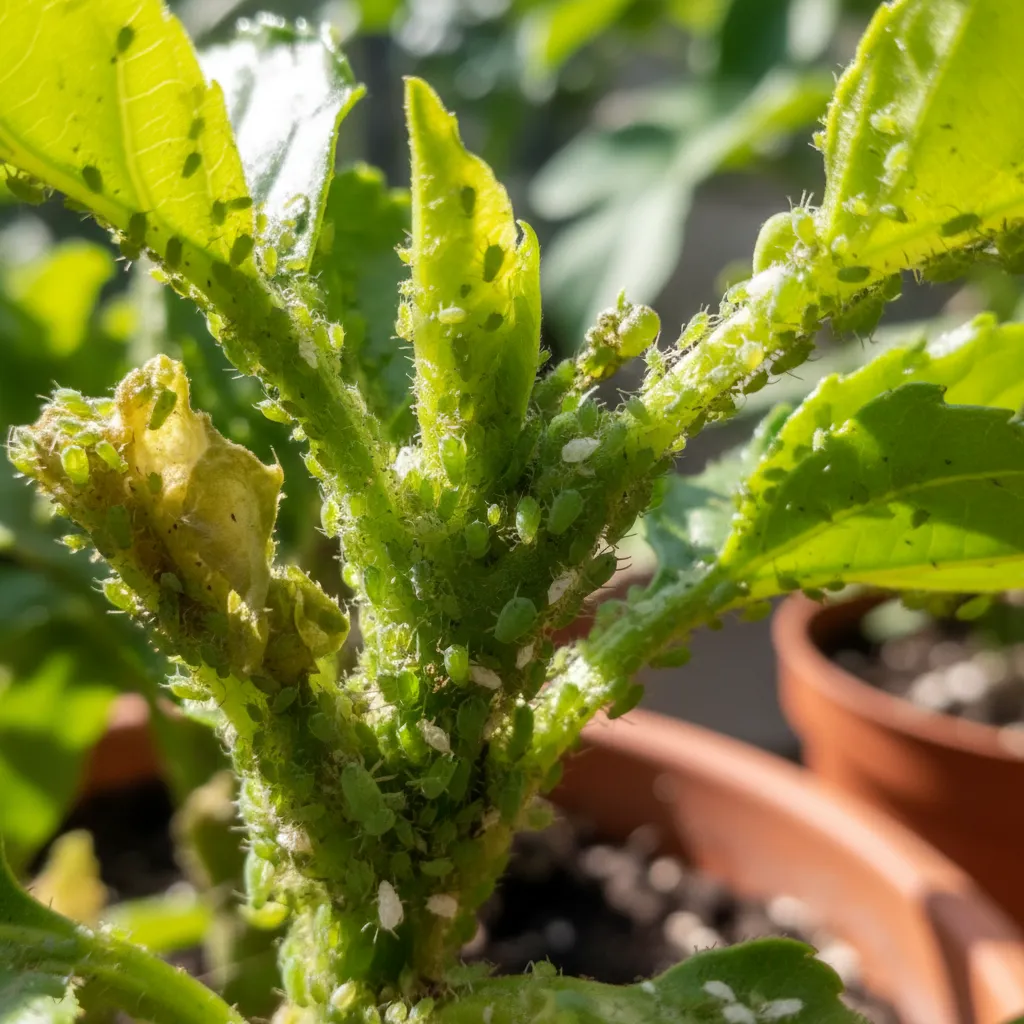
- ✓Pest and Disease Management — Generally resilient, but monitor for common garden pests like aphids or spider mites. Good air circulation helps prevent fungal diseases.
- ✓Harvesting — Leaves can be harvested regularly once the plant is established, typically 60-90 days after planting. For medicinal use, morning harvest is often preferred.
- ✓Winter Protection — In colder climates, Jiaogulan can be grown as an annual or brought indoors as a potted plant during winter. Mulching can help protect roots in borderline zones.
Reviewed by the Flora Medical Global Botanical Review Panel
Multi-disciplinary editorial group · Botany · Ethnobotany · Herbal-medicine literature
Who reviewed this: This page was checked by the Flora Medical Global Botanical Review Panel — an in-house editorial group of botany graduates, ethnobotany researchers, and horticulture practitioners who collectively maintain our 7,000+ plant encyclopedia. Meet the team.
Our 4-step verification process
1. Taxonomic verification
Scientific names and synonyms cross-checked against Kew POWO, World Flora Online, and The Plant List.
2. Phytochemical & medicinal cross-reference
Active compounds, traditional uses, and reported activities are cross-referenced with PubMed, USDA Dr. Duke's database, and peer-reviewed ethnobotanical literature.
3. Conservation & distribution check
Distribution, ecology, and conservation status confirmed against GBIF occurrence records and the IUCN Red List.
4. Editorial & safety review
Every entry passes an editorial pass for clarity, originality, and safety notices (toxicity, contraindications, dosage caveats) before publication.
Last reviewed:
Important medical disclaimer: This content is for educational and research purposes only. It is not medical advice and is not a substitute for consultation with a licensed healthcare provider. Do not use any herb to self-treat a medical condition without professional guidance.
Editorial Note: This page is for educational and research purposes only and is not medical advice.
Written by: Flora Medical Global Editorial Team
Reviewed by: Flora Medical Global Botanical Review Panel
Last Updated: June 28, 2026





Jiaogulan — Comments & Community Reviews
Rate this plant
No reviews yet. Be the first!