

Medical Disclaimer: This content is for educational purposes only. It is not medical advice. Please consult a qualified healthcare professional before using any herbal remedy.
Safety Overview
1.Job's Tears — Essential Profile

Job's Tears, scientifically known as Coix lacryma-jobi, is a remarkable annual herb belonging to the expansive Poaceae family, a lineage that also includes staple grains like corn and rice. This robust plant typically attains a height of 1 to 2 meters (approximately 3 to 6 feet), showcasing an upright growth habit. Its foliage is characterized by long, narrow leaves, which can extend between 30 to 60 cm (about 12 to 24 inches) in length. These leaves are lanceolate to linear in shape, presenting a smooth, glossy green surface that contributes to the plant's aesthetic appeal. The most distinctive feature of Coix lacryma-jobi lies in its inflorescences.
Emerging gracefully from the leaf axils, these flower clusters initially display creamy white to light green hues. As they mature, they transform into the iconic, hard, bead-like grains that are the source of its evocative common name, 'Job's Tears,' due to their resemblance to teardrops. These grains, typically ranging from 1 to 3 cm in length, are not only visually striking but also nutritionally dense, securing their place in both culinary traditions and ancient remedies. Botanically, Job's Tears is native to the lush tropical regions of East Asia, where it has been cultivated for millennia. Its adaptability, however, has led to its naturalization across diverse parts of the world, particularly thriving in wet lowland areas and along the fertile edges of rice paddies, often seen as a beneficial companion crop.
Taxonomically, it is classified within the subfamily Panicoideae, distinguished by the unique morphology of its seeds and its characteristic growth patterns. Beyond its grains, the plant's stem is notably smooth and, when incised, exudes a milky sap, a detail often observed in botanical studies. Historically, Job's Tears has held profound cultural and economic significance. In addition to its culinary and medicinal applications, the hard, polished grains have been traditionally used for crafting beads in jewelry, rosaries, and other ornamental items, highlighting its versatile utility. Its deep roots in traditional Asian medicine systems for a myriad of health benefits have garnered increasing interest from modern phytotherapy researchers in the Western world, seeking to validate and understand its therapeutic potential.
Trusted Scientific References
Authoritative external sources for Coix Lacryma-jobi:
1.1.Job's Tears — Distinguishing Points
- ✓Annual grass of the Poaceae family, growing 1 — 2 meters tall.
- ✓Produces unique, hard, bead — like grains resembling tears.
- ✓Native to tropical — Native to tropical East Asia, naturalized in many wet lowland areas.
- ✓Rich source of — Rich source of dietary fiber, protein, and essential minerals.
- ✓Contains diverse bioactive — Contains diverse bioactive compounds including benzoxazinoids, coixans, and phenolic acids.
- ✓Exhibits significant antioxidant, anti — inflammatory, and hypoglycemic properties.
- ✓Historically important in — Historically important in Traditional Chinese Medicine (TCM) and other Asian healing systems.
- ✓Supports healthy cholesterol — Supports healthy cholesterol and blood sugar levels, contributing to metabolic health.
- ✓Possesses potential immune — Possesses potential immune system modulating and digestive health enhancing effects.
- ✓Widely used culinarily — Widely used culinarily in porridges, soups, teas, and fermented beverages.
- ✓Strictly contraindicated during — Strictly contraindicated during pregnancy due to abortifacient potential.
- ✓Requires careful consideration — Requires careful consideration for potential interactions with various pharmaceutical drugs.
- ✓Thrives in warm, — Thrives in warm, humid climates with ample sunlight and consistent moisture.
- ✓Grains are also — Grains are also traditionally used for ornamental purposes and crafting.
1.2.Job's Tears — At-a-Glance Summary
- ✓Job's Tears (Coix lacryma-jobi) is a versatile, nutrient-rich grain and medicinal herb.
- ✓Known for its distinctive bead-like grains and widespread use in Asian cuisine.
- ✓Contains potent anti-inflammatory, antioxidant, and immunomodulatory compounds.
- ✓Traditionally utilized for digestive health, metabolic support, and skin conditions.
- ✓Research suggests benefits for cholesterol management and blood sugar regulation.
- ✓Crucially contraindicated during pregnancy and requires caution with certain medications.
- ✓A valuable addition to both culinary and holistic wellness practices.
2.Job's Tears — Scientific Identity
3.Job's Tears — Categories & Tags
4.Job's Tears — Physical Description
5.Job's Tears — Heritage Uses
6.Job's Tears — Key Phytochemicals
- ✓Flavonoids — Compounds like quercetin, apigenin, and their glycosides are present, contributing significantly to the plant's potent antioxidant, anti-inflammatory, and potentially anticarcinogenic activities through free radical scavenging and enzyme modulation.
- ✓Phenolic Acids — Ferulic acid, p-coumaric acid, and caffeic acid are abundant in Job's Tears, providing powerful antioxidant effects that protect cellular structures from oxidative damage and contribute to its anti-inflammatory properties.
- ✓Benzoic Acid Derivatives — Specifically, benzoxazinoids such as 2-hydroxy-1,4-benzoxazin-3-one (HBOA) and its derivatives are identified, particularly in the roots, exhibiting notable anti-inflammatory and cytotoxic activities.
- ✓Polysaccharides (Coixans) — Various complex carbohydrates, including coixans A, B, and C, are found in the seeds, recognized for their immunomodulatory, anti-tumor, and hypoglycemic effects, contributing to the plant's diverse medicinal profile.
- ✓Fatty Acids and Lipids — The oil extracted from Job's Tears seeds contains essential fatty acids, notably linoleic acid, and unique neutral lipids like coixenolide, which have demonstrated significant anti-cancer properties and influence lipid metabolism.
- ✓Triterpenoids — Compounds such as coixol and related triterpenoids contribute to the plant's anti-inflammatory, anti-allergic, and analgesic properties, acting through various cellular signaling pathways.
- ✓Alkaloids — While generally present in smaller quantities, certain alkaloidal compounds might contribute to some of the plant's minor pharmacological effects, though specific active alkaloids are still under extensive investigation.
- ✓Sterols — Phytosterols like beta-sitosterol are identified, known for their cholesterol-lowering effects by inhibiting cholesterol absorption in the gut and supporting cardiovascular health.
- ✓Dietary Fiber — Both soluble and insoluble fibers are highly abundant in Job's Tears, crucial for promoting digestive health, regulating blood sugar levels, and reducing the absorption of dietary fats and cholesterol.
- ✓Vitamins and Minerals — The grains are a valuable source of B vitamins (e.g., thiamine, riboflavin, niacin), vitamin E (tocopherols), and essential minerals such as magnesium, phosphorus, iron, zinc, and potassium, supporting general metabolic functions and overall health.
- ✓Lignans — These plant compounds possess antioxidant and phytoestrogenic activities, potentially contributing to hormone balance, cardiovascular health, and disease prevention.
- ✓Saponins — Coix lacryma-jobi contains saponins, which may contribute to its cholesterol-lowering effects by binding to bile acids and supporting immune function, though in higher concentrations they can be hemolytic.
7.Job's Tears — Pharmacological Findings
- ✓Anti-inflammatory Support — Coix lacryma-jobi contains specific benzoxazinoids and other compounds that modulate inflammatory pathways, potentially reducing swelling and pain associated with various conditions, as observed in preclinical studies.
- ✓Cholesterol Management — The dietary fiber content within Job's Tears, particularly from dehulled adlay, has been shown in human research to help decrease the absorption of dietary fat and cholesterol, contributing to healthier lipid profiles and reducing cardiovascular risk.
- ✓Antioxidant Protection — Rich in phenolic acids, flavonoids, and tocopherols, Job's Tears helps neutralize harmful free radicals, thereby protecting cells from oxidative damage and reducing the risk of chronic degenerative diseases.
- ✓Immune System Modulation — Traditional uses and some modern in vitro studies suggest that Job's Tears can support immune function, possibly by influencing immune cell activity and enhancing the body's natural defenses against pathogens.
- ✓Digestive Health Enhancement — The abundance of both soluble and insoluble dietary fiber in Job's Tears promotes regular bowel movements, supports a healthy gut microbiome, and aids in overall digestive wellness and nutrient absorption.
- ✓Blood Sugar Regulation — Research indicates that Job's Tears might contribute to lowering blood sugar levels through its fiber content and specific polysaccharides, making it potentially beneficial for managing glucose metabolism, especially in individuals with diabetes or at risk.
- ✓Anti-cancer Potential — Certain chemicals, including coixenolide and other lipids, in Job's Tears have demonstrated the ability to interfere with cancer cell growth, induce apoptosis, and inhibit proliferation in test-tube and animal studies, suggesting a potential role in cancer prevention or adjunctive therapy.
- ✓Respiratory Health Support — Traditionally utilized in Asian medicine for conditions affecting the respiratory tract, Job's Tears may possess properties that help alleviate symptoms associated with airway infections and inflammation.
- ✓Antiparasitic Activity — Extracts of Coix lacryma-jobi seeds have shown biostatic activity against certain parasites in in vitro studies, providing a scientific basis for its traditional use against parasitic infections.
- ✓Skin Health Promotion — In traditional practices, Job's Tears is often used to promote clear, healthy skin and address dermatological issues such as warts and blemishes, likely due to its anti-inflammatory, antioxidant, and immunomodulatory effects.
- ✓Weight Management Aid — By potentially decreasing fat and cholesterol absorption and promoting satiety due to its high fiber content, Job's Tears could be a supportive food in weight management strategies by reducing caloric intake.
- ✓Diuretic Properties — Traditional medicine systems frequently utilize Job's Tears for its mild diuretic effects, which can help reduce fluid retention and support kidney function, aiding in detoxification.
- ✓Liver Protective Effects — Emerging research suggests that Adlay seed extracts may exhibit prophylactic effects against diet-induced metabolic dysfunction and nonalcoholic fatty liver disease, indicating a role in hepatic health.
- ✓Bone Health Contribution — While not a primary benefit, the presence of various minerals in Job's Tears, such as magnesium and phosphorus, can indirectly contribute to overall bone health and structural integrity.
- ✓Metabolic Syndrome Improvement — Studies have shown that regular consumption of dehulled adlay can improve markers of lipid metabolism and reduce inflammation in overweight and obese individuals, addressing components of metabolic syndrome.
7.1.Job's Tears — Therapeutic Indications
8.Job's Tears — Safety & Side Effects
8.1.Job's Tears — Side Effects & Warnings
- ✓Uterine Contractions — Job's Tears is considered potentially unsafe during pregnancy as animal studies suggest it can induce uterine contractions and may harm a developing embryo or fetus, increasing miscarriage risk.
- ✓Hypoglycemia Risk — Due to its potential to lower blood sugar levels, individuals with diabetes or those on anti-diabetic medications should monitor their glucose closely to prevent dangerously low blood sugar (hypoglycemia).
- ✓Medication Interactions — Job's Tears can interact with various pharmaceutical drugs, including those for diabetes, chlorzoxazone, dextromethorphan, diltiazem, and theophylline, potentially altering their effects or increasing adverse reactions.
- ✓Allergic Reactions — Although uncommon, some individuals may experience allergic reactions to Job's Tears, manifesting as skin rashes, itching, or gastrointestinal upset, particularly with high supplemental doses.
- ✓Surgical Complications — It is strongly advised to discontinue Job's Tears intake at least two weeks prior to any scheduled surgery due to its potential interference with blood sugar regulation during and after the procedure.
- ✓Breastfeeding Safety Unknown — There is insufficient reliable information regarding the safety of Job's Tears for lactating mothers; therefore, it is generally recommended to avoid its use during breastfeeding.
- ✓Gastrointestinal Discomfort — Excessive consumption, especially of raw or improperly prepared grains, may lead to mild digestive issues such as bloating, gas, or constipation in sensitive individuals.
- ✓Increased Drug Levels — Concurrent use with certain medications, such as chlorzoxazone, dextromethorphan, diltiazem, and theophylline, may lead to increased blood levels of these drugs, intensifying their effects and potential side effects.
8.2.Job's Tears — Risk Assessment
- ✓Food-Grade Consumption — Job's Tears is generally considered possibly safe when consumed in typical food amounts as a dietary staple, similar to other cereal grains, and has a long history of culinary use.
- ✓Supplemental Use Caution — The safety of Job's Tears in concentrated supplement forms or at higher therapeutic doses has not been extensively established, and long-term effects require further research.
- ✓Pregnancy Contraindication — Due to documented risks of inducing uterine contractions and potential embryonic harm in animal studies, Job's Tears is strictly contraindicated and considered unsafe during all stages of pregnancy.
- ✓Breastfeeding Avoidance — Lacking sufficient reliable safety data for lactating mothers and infants, it is prudent for breastfeeding individuals to avoid Job's Tears to prevent any potential risks.
- ✓Pre-Surgical Discontinuation — Patients scheduled for any surgical procedure should cease Job's Tears intake at least two weeks beforehand to mitigate risks of blood sugar fluctuations and drug interactions during the perioperative period.
- ✓Diabetes Management — Individuals with diabetes or those concurrently taking blood sugar-lowering medications must exercise extreme caution and consult a physician due to the plant's potential hypoglycemic effects.
- ✓Drug Interaction Awareness — A thorough review of all current medications by a qualified healthcare professional is essential before incorporating Job's Tears as a therapeutic supplement, given its known interactions with various pharmaceutical drugs.
- ✓Quality and Purity — When sourcing Job's Tears products, prioritize reputable suppliers to ensure quality, purity, and freedom from contaminants such as pesticides, heavy metals, or microbial pathogens.
- ✓Professional Guidance — Always consult with a qualified healthcare provider, medical herbalist, or registered dietitian before incorporating Job's Tears as a therapeutic supplement, especially for pre-existing health conditions or concurrent medication use.
9.Job's Tears — Preparation Methods
- ✓Culinary Grain — The dehulled grains of Job's Tears are widely used as a nutritious whole grain, cooked similarly to rice or barley and incorporated into porridges, soups, stews, and salads, providing a delightful chewy texture and mild, nutty flavor.
- ✓Herbal Decoction — For medicinal applications, dried Job's Tears grains or roots can be prepared as a decoction by simmering them in water for 20-30 minutes, then strained and consumed as a traditional health tonic.
- ✓Powdered Supplement — The dried and finely ground grains can be processed into a powder, which can then be encapsulated, mixed into smoothies, or blended into other foods as a convenient dietary supplement.
- ✓Traditional Congee — As a staple in many Asian cuisines, Job's Tears is often combined with rice in congee (rice porridge) recipes, particularly for convalescing individuals or for general digestive and spleen support.
- ✓Tea Infusion — Roasted or unroasted Job's Tears grains can be steeped in hot water to create a healthful and soothing tea, often consumed for its diuretic, detoxifying, and skin-clarifying properties.
- ✓Fermented Beverages — In some cultures, Job's Tears is utilized in the brewing of traditional fermented beverages, including certain types of alcoholic drinks or vinegars, which may offer unique nutritional and probiotic benefits.
- ✓Topical Applications — In traditional Chinese medicine, a paste or poultice made from Job's Tears extracts or powdered grains is sometimes applied topically to address skin conditions such as warts, acne, or blemishes.
- ✓Grain Milk Alternative — Similar to other plant-based milks, Job's Tears can be processed into a nutritious, gluten-free milk alternative, suitable for beverages, cereals, and cooking for those with dietary restrictions.
- ✓Baked Goods Ingredient — The flour derived from Job's Tears can be partially substituted for other flours in recipes for baked goods like bread, muffins, and pancakes, enhancing their nutritional profile and unique texture.
10.Job's Tears — Cultivation & Care
- ✓Climate Preference — Job's Tears thrives in warm, humid tropical to subtropical climates, ideally with average temperatures between 20-30°C (68-86°F) and ample rainfall, mirroring its native East Asian habitat.
- ✓Soil Requirements — It prefers well-drained, fertile loamy soils rich in organic matter, with an optimal pH range of 5.5 to 7.0. Soil amendments like compost can improve structure and fertility.
- ✓Sunlight Exposure — Full sun exposure is crucial for optimal growth and robust grain development, requiring at least 6-8 hours of direct sunlight daily to ensure strong plant health and maximize yield.
- ✓Water Management — Consistent and ample watering is essential, especially during the germination, flowering, and grain-filling stages, as Coix lacryma-jobi naturally flourishes in moist to wet lowland conditions.
- ✓Propagation — Primarily propagated by seeds, which should be sown directly into prepared garden beds after the last risk of frost has passed, or started indoors and transplanted as seedlings for an earlier harvest.
- ✓Planting Depth and Spacing — Seeds are typically planted about 2-3 cm (1 inch) deep, with individual plants spaced 30-45 cm (12-18 inches) apart in rows that are 60-90 cm (24-36 inches) apart to allow for mature growth and air circulation.
- ✓Fertilization — A balanced organic fertilizer can be incorporated into the soil at planting, followed by supplementary nitrogen applications during the vigorous vegetative growth phase to support lush foliage and grain production.
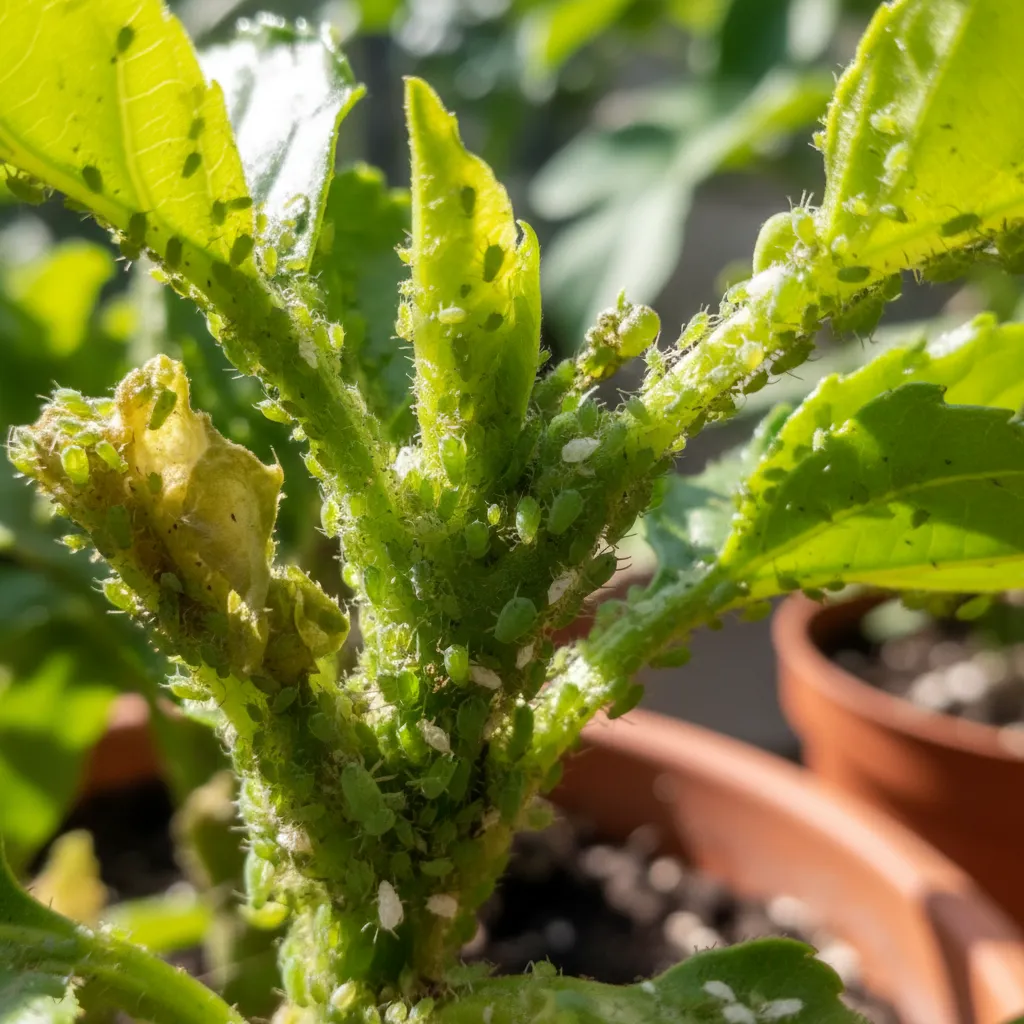
- ✓Pest and Disease Control — While generally resilient, monitoring for common grass pests like aphids and certain fungal diseases is advisable. Integrated pest management (IPM) strategies or organic solutions are recommended for medicinal crops.
- ✓Harvesting — Grains are harvested when they are fully mature, typically turning a hard, glossy, bead-like texture. This usually occurs 4-6 months after planting, depending on the specific cultivar and local climatic conditions.
- ✓Crop Rotation — Practicing crop rotation with other non-grass crops can help maintain soil fertility, break pest and disease cycles, and enhance overall soil health for subsequent plantings of Job's Tears.
Reviewed by the Flora Medical Global Botanical Review Panel
Multi-disciplinary editorial group · Botany · Ethnobotany · Herbal-medicine literature
Who reviewed this: This page was checked by the Flora Medical Global Botanical Review Panel — an in-house editorial group of botany graduates, ethnobotany researchers, and horticulture practitioners who collectively maintain our 7,000+ plant encyclopedia. Meet the team.
Our 4-step verification process
1. Taxonomic verification
Scientific names and synonyms cross-checked against Kew POWO, World Flora Online, and The Plant List.
2. Phytochemical & medicinal cross-reference
Active compounds, traditional uses, and reported activities are cross-referenced with PubMed, USDA Dr. Duke's database, and peer-reviewed ethnobotanical literature.
3. Conservation & distribution check
Distribution, ecology, and conservation status confirmed against GBIF occurrence records and the IUCN Red List.
4. Editorial & safety review
Every entry passes an editorial pass for clarity, originality, and safety notices (toxicity, contraindications, dosage caveats) before publication.
Last reviewed:
Important medical disclaimer: This content is for educational and research purposes only. It is not medical advice and is not a substitute for consultation with a licensed healthcare provider. Do not use any herb to self-treat a medical condition without professional guidance.
Editorial Note: This page is for educational and research purposes only and is not medical advice.
Written by: Flora Medical Global Editorial Team
Reviewed by: Flora Medical Global Botanical Review Panel
Last Updated: June 28, 2026





Job's Tears — Comments & Community Reviews
Rate this plant
No reviews yet. Be the first!