
Medical Disclaimer: This content is for educational purposes only. It is not medical advice. Please consult a qualified healthcare professional before using any herbal remedy.
Safety Overview
1.Kalonji Plant — Introduction & Highlights

The Kalonji Plant, botanically recognized as Nigella sativa L., is an annual flowering herb belonging to the Ranunculaceae family, a diverse group known for its ornamental and medicinal species. This delicate plant typically reaches a modest height of 20 to 30 centimeters, characterized by its slender, erect stems and intricate, finely divided leaves. These feathery leaves, measuring approximately 1 to 3 centimeters in length, are arranged alternately along the stem, presenting a soft, almost ethereal appearance. The plant's aesthetic appeal is further enhanced by its striking flowers, which bloom in shades of pale blue or white, occasionally exhibiting a faint purplish hue. Each flower, about 3 to 5 centimeters in diameter, typically features five to ten petals and is adorned with prominent, dark blue stamens that create a captivating contrast.
Following successful pollination, the Kalonji plant develops distinctive seed capsules. These resemble small, inflated, elongated pods, often with several carpels fused together, which mature to contain numerous small, angular, black seeds. These seeds, each measuring approximately 2 to 3 millimeters in diameter, are the most prized part of the plant, known globally as black cumin or black seed, and are the primary repository of its extensive medicinal properties. Historically, Nigella sativa L. has a rich and ancient lineage, with archaeological evidence suggesting its use dating back over 3,000 years, notably found in Tutankhamun's tomb.
Its origins are primarily traced to Western Asia, particularly the Middle East, and parts of Southern Europe and North Africa. However, due to its profound medicinal and culinary value, the Kalonji plant is now extensively cultivated in various regions across the globe, including India, Pakistan, and parts of the Mediterranean basin. It demonstrates adaptability but flourishes optimally in well-drained, fertile soil with a slightly alkaline to neutral pH. A sunny environment is crucial for robust growth and optimal seed production, making it suitable for warm, temperate to subtropical climates. The dried seeds possess a unique sensory profile: a rough, somewhat textured surface, a slightly bitter and peppery flavor, and a pungent aroma, which contribute to their widespread use as a spice in numerous culinary traditions worldwide, from curries and bread to pickles and confectionery.
Trusted Scientific References
Authoritative external sources for Nigella Sativa L.:
1.1.Kalonji Plant — Standout Qualities
- ✓Botanical Identity — Nigella sativa L., commonly known as Kalonji or Black Seed, belonging to the Ranunculaceae family.
- ✓Morphology — Delicate annual herb growing 20-30 cm tall with finely divided leaves and pale blue/white flowers.
- ✓Seed Characteristics — Small, angular, black seeds (2-3 mm) with a rough texture, pungent aroma, and bitter, peppery taste.
- ✓Geographic Origin — Native to Western Asia, Southern Europe, and North Africa, now cultivated globally.
- ✓Key Bioactive Compound — Thymoquinone, a powerful antioxidant, anti-inflammatory, and antimicrobial agent.
- ✓Traditional Uses — Extensive history in Ayurvedic, Unani, and Islamic medicine for diverse ailments.
- ✓Culinary Versatility — Widely used as a spice in breads, curries, and savory dishes worldwide.
- ✓Immune Support — Known for its immunomodulatory effects, enhancing the body's defense mechanisms.
- ✓Anti — inflammatory Power — Significant benefits in reducing inflammation and associated pain.
- ✓Antioxidant Richness — High content of antioxidants combat oxidative stress and cellular damage.
- ✓Digestive Aid — Supports gastrointestinal health by relieving indigestion, bloating, and protecting the gut.
- ✓Respiratory Benefits — Offers relief for respiratory conditions like asthma and allergies through bronchodilatory action.
- ✓Cardiovascular Support — Contributes to healthy blood pressure and cholesterol levels.
- ✓Antidiabetic Potential — Helps in blood sugar regulation and insulin sensitivity improvement.
- ✓Skin and Hair Care — Utilized topically for various skin conditions and to promote hair growth and scalp health.
1.2.Kalonji Plant — In Brief
- ✓Kalonji, or Nigella sativa, is an annual flowering plant from the Ranunculaceae family.
- ✓Its small black seeds are known as black cumin and are widely used in culinary and traditional medicine.
- ✓Contains potent bioactive compounds, most notably thymoquinone, responsible for many health benefits.
- ✓Renowned for its strong anti-inflammatory, antioxidant, immune-modulating, and antimicrobial properties.
- ✓Traditionally used for digestive issues, respiratory conditions, immune support, and skin health.
- ✓Requires well-drained soil, full sun, and warm climates for optimal cultivation.
- ✓Available as whole seeds, ground powder, and cold-pressed oil for internal and external use.
- ✓Caution advised for pregnant women, individuals on certain medications, and before surgery.
2.Kalonji Plant — Scientific Identity
3.Kalonji Plant — Categories & Tags
4.Kalonji Plant — Structural Profile
5.Kalonji Plant — Cultural & Traditional Roles
6.Kalonji Plant — Active Compounds
- ✓Volatile Oil (Essential Oil) — Primarily composed of thymoquinone (TQ), thymohydroquinone (THQ), dithymoquinone, and thymol, responsible for most of Nigella sativa's pharmacological activities including anti-inflammatory, antioxidant, and antimicrobial effects.
- ✓Fixed Oil (Fatty Oil) — Constitutes 26-34% of the seed, predominantly linoleic acid (omega-6, 64.6%), oleic acid (omega-9), and palmitic acid (20.4%), contributing to its nutritional value and skin benefits.
- ✓Alkaloids — Includes nigellicine, nigellimine, nigellidine, and nigellone, which may contribute to its bronchodilatory and immunomodulatory effects, though their exact mechanisms are still under investigation.
- ✓Saponins — These compounds, such as nigellin and alpha-hederin, are known for their anti-inflammatory, anticancer, and immunomodulatory properties, often interacting with cell membranes.
- ✓Phenolic Compounds — A diverse group including caffeic acid, p-coumaric acid, gallic acid, and ferulic acid, contributing significantly to the plant's potent antioxidant and anti-inflammatory capacity.
- ✓Flavonoids — Quercetin, kaempferol, and rutin are present, acting as powerful antioxidants and anti-inflammatory agents, supporting cardiovascular health and protecting against cellular damage.
- ✓Terpenoids — Beyond the thymoquinone derivatives, other terpenoids like alpha-pinene, beta-pinene, carvone, and limonene are found in the volatile oil, adding to its aromatic and therapeutic properties.
- ✓Sterols — Beta-sitosterol and stigmasterol are plant sterols known for their cholesterol-lowering effects and anti-inflammatory actions, contributing to cardiovascular health.
- ✓Proteins and Amino Acids — Contains a significant amount of vegetable protein, with glutamate, arginine, and aspartate being major amino acids, supporting nutritional health and various metabolic functions.
- ✓Carbohydrates and Fiber — Comprises substantial amounts of total carbohydrates and dietary fiber, aiding in digestive health, blood sugar regulation, and providing energy.
- ✓Minerals — Rich in essential minerals such as iron, copper, zinc, phosphorus, calcium, and potassium, vital for bone health, nerve function, and red blood cell formation.
- ✓Vitamins — Contains B vitamins (thiamin, niacin, pyridoxine, folic acid) and vitamin E, crucial for energy metabolism, nerve function, and antioxidant defense.
- ✓Nigellone — A potent anti-histaminic compound found in Kalonji, contributing to its traditional use in alleviating symptoms of allergies and asthma by stabilizing mast cells and reducing histamine release.
- ✓Carvacrol — A monoterpenoid phenol found in the essential oil, recognized for its strong antimicrobial, antioxidant, and anti-inflammatory activities.
7.Kalonji Plant — What Research Suggests
- ✓Immune System Modulation — Kalonji seeds contain compounds like thymoquinone that can enhance immune function by stimulating the activity of T-lymphocytes and natural killer cells, helping the body defend against pathogens and chronic diseases.
- ✓Anti-inflammatory Action — Thymoquinone is a potent anti-inflammatory agent, inhibiting pro-inflammatory mediators such as prostaglandins and leukotrienes, which helps alleviate symptoms in conditions like arthritis and asthma.
- ✓Antioxidant Protection — The rich profile of antioxidants, including thymoquinone, flavonoids, and phenolic compounds, scavenges free radicals, reducing oxidative stress and preventing cellular damage that contributes to aging and disease.
- ✓Digestive Health Support — Kalonji has carminative properties that help relieve indigestion, bloating, and gas. It can also protect the gastric lining, potentially aiding in the management of ulcers and improving overall gut motility.
- ✓Antidiabetic Effects — Research suggests that Kalonji can help regulate blood sugar levels by improving insulin sensitivity, reducing glucose absorption, and promoting pancreatic beta-cell regeneration, making it beneficial for type 2 diabetes management.
- ✓Cardiovascular Health — It contributes to heart health by helping to lower high blood pressure and reduce elevated cholesterol levels, specifically LDL cholesterol, through its antioxidant and anti-inflammatory mechanisms.
- ✓Respiratory Relief — Traditionally used for respiratory ailments, Kalonji exhibits bronchodilatory effects and helps reduce inflammation in the airways, offering relief for conditions like asthma, bronchitis, and allergic rhinitis.
- ✓Anticarcinogenic Potential — Thymoquinone has demonstrated promising anti-cancer properties in preclinical studies, inhibiting cancer cell proliferation, inducing apoptosis, and suppressing angiogenesis in various cancer types.
- ✓Antimicrobial Properties — The essential oil and extracts of Kalonji possess broad-spectrum antimicrobial activity against bacteria, fungi, parasites, and viruses, making it useful in combating various infections.
- ✓Neuroprotective Effects — Kalonji's antioxidant and anti-inflammatory compounds may protect brain cells from damage, potentially improving cognitive function and offering therapeutic potential in neurodegenerative disorders.
- ✓Liver and Kidney Protection — Its detoxifying and antioxidant properties support liver function and protect kidney tissues from damage caused by toxins or disease, aiding in the maintenance of vital organ health.
- ✓Skin and Hair Health — Applied topically or consumed, Kalonji oil can soothe skin conditions like eczema and psoriasis due to its anti-inflammatory properties and nourish hair follicles, promoting healthy hair growth and reducing scalp issues.
- ✓Reproductive Health — In traditional medicine, it has been used to support male and female fertility, potentially by improving sperm quality in men and balancing hormones in women, though more research is needed.
- ✓Analgesic Properties — Kalonji exhibits mild pain-relieving effects, which can be attributed to its anti-inflammatory actions, making it useful for managing various types of pain, including headaches and muscle aches.
- ✓Anti-obesity Effects — Some studies indicate that Kalonji may assist in weight management by influencing metabolism, reducing appetite, and decreasing fat accumulation, contributing to a healthier body composition.
7.1.Kalonji Plant — Therapeutic Indications
8.Kalonji Plant — Risk Profile
8.1.Kalonji Plant — Side Effects & Warnings
- ✓Gastrointestinal Upset — Some individuals may experience mild stomach upset, nausea, vomiting, or constipation, especially with high doses or on an empty stomach.
- ✓Allergic Reactions — Skin rashes, itching, or allergic dermatitis can occur in sensitive individuals, particularly with topical application.
- ✓Hypotension — Kalonji can lower blood pressure, which might be a concern for individuals already on antihypertensive medication or those with naturally low blood pressure.
- ✓Hypoglycemia — It may lower blood sugar levels, requiring caution for diabetics taking blood-glucose-lowering medications to avoid hypoglycemia.
- ✓Increased Bleeding Risk — Some evidence suggests Kalonji might slow blood clotting, potentially increasing the risk of bleeding, especially for those on anticoagulant medications or before surgery.
- ✓Uterine Contractions — High doses are traditionally believed to induce uterine contractions, making it potentially unsafe during pregnancy.
- ✓Drug Interactions — May interact with certain medications, including anticoagulants, antidiabetics, antihypertensives, and immunosuppressants, altering their efficacy or increasing side effects.
- ✓Liver and Kidney Stress — While generally protective, extremely high doses over prolonged periods might theoretically stress the liver or kidneys, though this is rare with typical therapeutic use.
- ✓Heartburn/Reflux — The pungent nature of the seeds or oil can sometimes exacerbate heartburn or acid reflux in susceptible individuals.
8.2.Kalonji Plant — Risk Assessment
- ✓Pregnancy and Lactation — Avoid use during pregnancy due to potential emmenagogic effects and insufficient safety data; use during lactation should be approached with caution and medical advice.
- ✓Children — Generally considered safe in small culinary amounts for children; therapeutic doses should only be administered under medical supervision.
- ✓Medical Conditions — Individuals with bleeding disorders, diabetes, or hypotension should use Kalonji with extreme caution and under medical guidance.
- ✓Medication Interactions — Consult a healthcare professional before use if taking anticoagulants, antidiabetics, antihypertensives, or immunosuppressants due to potential interactions.
- ✓Surgical Procedures — Discontinue use at least two weeks before any scheduled surgery due to its potential to affect blood clotting and blood sugar levels.
- ✓Dosage — Adhere to recommended dosages; excessive intake can increase the risk of side effects, particularly gastrointestinal issues.
- ✓Quality and Purity — Ensure sourcing high-quality, pure Kalonji seeds or oil from reputable suppliers to avoid contaminants and adulteration.
- ✓Allergic Sensitivity — Perform a patch test for topical applications to check for allergic reactions, especially for individuals with sensitive skin.
- ✓Long-Term Use — While generally safe for moderate long-term use, monitor for any adverse effects and consider periodic breaks.
- ✓Storage — Store seeds and oil in a cool, dark, airtight container to maintain potency and prevent rancidity.
9.Kalonji Plant — Preparation & Dosage
- ✓Whole Seeds in Cooking — Sprinkle whole Kalonji seeds over bread (like naan or bagels), curries, vegetables, or stir-fries to impart a unique, slightly pungent, and peppery flavor.
- ✓Ground Powder — Grind dried Kalonji seeds into a fine powder using a spice grinder; this powder can be added to spice blends, marinades, smoothies, or used as a seasoning.
- ✓Kalonji Oil (Black Seed Oil) — Consume 1-2 teaspoons of cold-pressed Kalonji oil daily, either directly or mixed with honey, water, or juice, for general health and immune support.
- ✓Topical Application of Oil — Apply Kalonji oil directly to the skin for conditions like eczema, psoriasis, or joint pain, or massage into the scalp to promote hair health.
- ✓Herbal Tea/Infusion — Steep a teaspoon of crushed Kalonji seeds in hot water for 5-10 minutes to make a beneficial herbal tea, often consumed for digestive or respiratory relief.
- ✓Decoction — Boil Kalonji seeds in water for a longer period to extract more active compounds, creating a potent decoction used in traditional medicine for various ailments.
- ✓Pastes and Poultices — Create a paste from ground seeds mixed with a carrier oil or water for external application to soothe skin irritations or reduce localized inflammation.
- ✓Syrups and Elixirs — Incorporate Kalonji oil or seed extract into homemade herbal syrups, often combined with honey and other ingredients for coughs and colds.
- ✓Culinary Infusion — Infuse Kalonji seeds into cooking oils or vinegars to add their distinct flavor and medicinal properties to dressings and culinary preparations.
- ✓Encapsulated Supplements — For precise dosing and convenience, Kalonji oil or seed extract is available in capsule form, providing a standardized amount of active compounds.
10.Kalonji Plant — Growth Requirements
- ✓Seed Sowing — Sow Kalonji seeds directly into the soil after the last frost, typically in early spring or autumn in warmer climates, at a depth of 0.5-1 cm.
- ✓Soil Requirements — Thrives in well-drained, fertile loamy or sandy soil with a pH range of 6.0 to 7.5; amending with organic compost improves soil structure and nutrient content.
- ✓Sunlight Exposure — Requires full sun exposure, ideally 6-8 hours of direct sunlight daily, for optimal growth and abundant seed production.
- ✓Watering — Water regularly to keep the soil consistently moist but not waterlogged, especially during germination and flowering periods; reduce watering as seeds mature.
- ✓Spacing — Plant seeds or thin seedlings to approximately 15-20 cm apart within rows, with rows spaced 30-45 cm apart to allow for proper air circulation and growth.
- ✓Temperature — Prefers warm, temperate to subtropical climates with temperatures between 18°C and 30°C; sensitive to heavy frost.
- ✓Fertilization — A balanced organic fertilizer can be applied once the plants are established, or use compost tea every few weeks to provide essential nutrients.
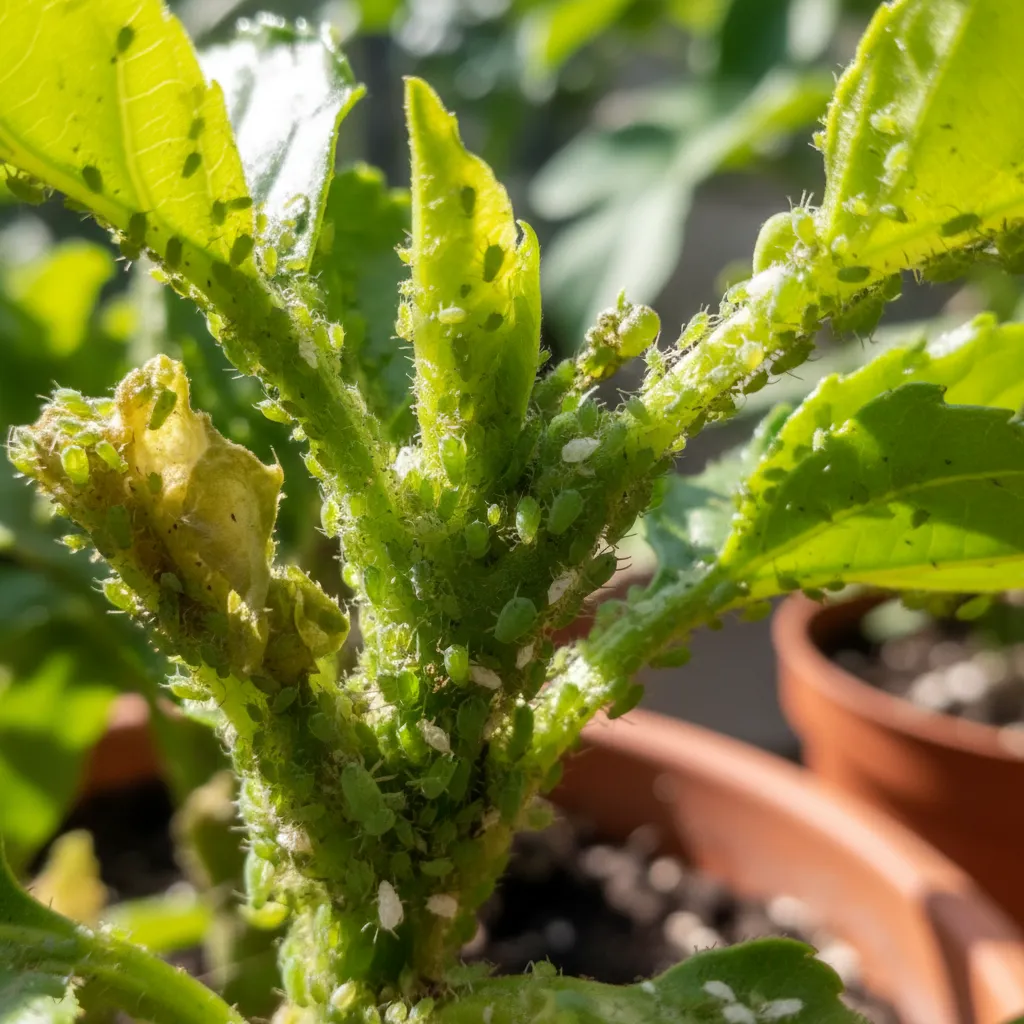
- ✓Pest and Disease Management — Generally resistant to most pests and diseases, but monitor for common garden pests like aphids; practice good sanitation and crop rotation.
- ✓Harvesting — Harvest seed pods when they turn brown and dry, typically 90-110 days after planting; cut the entire plant and hang upside down in a dry, well-ventilated area to fully dry.
- ✓Seed Collection — Once dried, gently shake the pods to release the black seeds; clean and store them in airtight containers in a cool, dark place.
- ✓Companion Planting — Can be beneficial when planted near other herbs or vegetables, potentially deterring pests and attracting beneficial insects.
Reviewed by the Flora Medical Global Botanical Review Panel
Multi-disciplinary editorial group · Botany · Ethnobotany · Herbal-medicine literature
Who reviewed this: This page was checked by the Flora Medical Global Botanical Review Panel — an in-house editorial group of botany graduates, ethnobotany researchers, and horticulture practitioners who collectively maintain our 7,000+ plant encyclopedia. Meet the team.
Our 4-step verification process
1. Taxonomic verification
Scientific names and synonyms cross-checked against Kew POWO, World Flora Online, and The Plant List.
2. Phytochemical & medicinal cross-reference
Active compounds, traditional uses, and reported activities are cross-referenced with PubMed, USDA Dr. Duke's database, and peer-reviewed ethnobotanical literature.
3. Conservation & distribution check
Distribution, ecology, and conservation status confirmed against GBIF occurrence records and the IUCN Red List.
4. Editorial & safety review
Every entry passes an editorial pass for clarity, originality, and safety notices (toxicity, contraindications, dosage caveats) before publication.
Last reviewed:
Important medical disclaimer: This content is for educational and research purposes only. It is not medical advice and is not a substitute for consultation with a licensed healthcare provider. Do not use any herb to self-treat a medical condition without professional guidance.
Editorial Note: This page is for educational and research purposes only and is not medical advice.
Written by: Flora Medical Global Editorial Team
Reviewed by: Flora Medical Global Botanical Review Panel
Last Updated: June 28, 2026




Kalonji Plant — Comments & Community Reviews
Rate this plant
No reviews yet. Be the first!