


Medical Disclaimer: This content is for educational purposes only. It is not medical advice. Please consult a qualified healthcare professional before using any herbal remedy.
Safety Overview
1.Kantakari (Yellow Berried Nightshade) — At a Glance
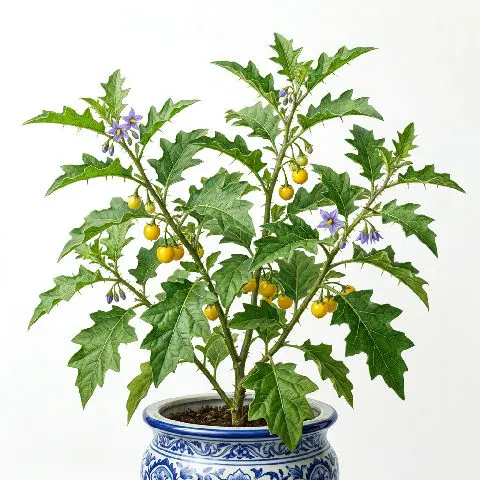
Kantakari, scientifically known as Solanum xanthocarpum Schrad. & Wendl., and colloquially as Yellow Berried Nightshade or Indian Nightshade, is a remarkable perennial herb belonging to the Solanaceae family. This species is characterized by its prickly, diffuse, and bright green appearance, often presenting as a weed in dry, disturbed areas like roadsides and wastelands across India. It is also widely distributed throughout Ceylon, other parts of Asia, Malaya, Tropical Australia, and Polynesia, thriving in warm climates with well-drained loamy soil. Morphologically, Solanum xanthocarpum typically grows as a somewhat woody herb at its base, reaching heights of 0.2 to 1.2 meters, though some sources suggest up to 2-3 meters. Its numerous branches are often zigzag and covered in a dense stellate (star-shaped) tomentum when young. A distinctive feature is its compressed, straight, yellow, glabrous, and shining prickles, which can exceed 1.3 cm in length, adorning the stems, leaves, and calyx.
The leaves are generally 5-10 cm long, ovate or elliptic in shape, with sinuate or sub-pinnatifid margins. They are stellately hairy on both surfaces, sometimes becoming nearly glabrous with age, and are armed with long, sharp yellow prickles along the midrib and sometimes on the nerves. The petiole is relatively short, usually 1.3-2.5 cm, and also stellately hairy. The plant's flowers are a vibrant purple, leading to the development of characteristic berries. These berries are initially green with white stripes, maturing into a conspicuous yellow, and measure 1.3-2 cm in diameter. They are enclosed by an enlarged, densely hairy and prickly calyx. The seeds within are small, about 2.5 mm in diameter, and glabrous.
The anthers are oblong-lanceolate and open by small pores, while the ovary is ovoid and glabrous with a smooth style. From a taxonomic perspective, Solanum xanthocarpum falls under the Kingdom Plantae, Subkingdom Tracheobionta, Division Magnoliophyta, Class Magnoliopsida, Subclass Asteridae, Order Solanales, Family Solanaceae, and Genus Solanum. It is also known by the synonym Solanum surattense. Historically, Kantakari has held immense importance in traditional Indian medicine, particularly Ayurveda, where it is revered as a prominent member of the 'Dashamula' (ten roots) group, signifying its fundamental role in numerous formulations. Its traditional uses span thousands of years, primarily focusing on respiratory, digestive, and inflammatory conditions, refle ...[CURRENT TEXT EXISTS: 2795 chars]
1.1.Kantakari (Yellow Berried Nightshade) — Distinguishing Points
- ✓Ayurvedic Cornerstone — A fundamental herb in traditional Indian medicine, especially as part of the Dashamula group.
- ✓Respiratory Remedy — Highly valued for treating asthma, chronic cough, bronchitis, and other respiratory ailments.
- ✓Spiny Morphology — Distinctive for its prickly stems, leaves, and calyx, giving it its common name 'Kantakari' (thorny).
- ✓Yellow Berries — Produces small, round berries that ripen from green-striped to bright yellow.
- ✓Broad Geographic Distribution — Found widely across India, Ceylon, and other tropical Asian regions.
- ✓Rich Phytochemistry — Contains a complex array of bioactive compounds, including steroidal alkaloids and saponins.
- ✓Anti — inflammatory Power — Possesses significant anti-inflammatory and analgesic properties.
- ✓Hepatoprotective Action — Shows potential for protecting and supporting liver function.
- ✓Hypoglycemic Potential — Demonstrated efficacy in preclinical studies for managing blood sugar levels.
- ✓Antimicrobial Activity — Exhibits antibacterial properties against various pathogens.
- ✓Diuretic Effect — Traditionally used to promote urine flow and alleviate dysuria.
- ✓Immune Modulator — Suggested to have immunomodulatory effects, enhancing body defenses.
- ✓Pest Repellent — Naturally deters insects, making it useful in traditional pest control.
- ✓Entire Plant Utilized — Roots, fruits, leaves, and flowers are all used medicinally.
- ✓Adaptable Growth — Hardy perennial that thrives in diverse dry and warm environments.
1.2.Kantakari (Yellow Berried Nightshade) — Concise Overview
- ✓Kantakari (Solanum xanthocarpum) is a spiny, perennial herb vital in Ayurvedic medicine.
- ✓Known for potent bronchodilator, expectorant, and anti-inflammatory properties.
- ✓Traditionally used for respiratory issues, fevers, digestive problems, and pain relief.
- ✓Rich in steroidal alkaloids like solasodine and steroidal saponins like diosgenin.
- ✓Cultivated in warm climates, propagated by seeds or cuttings in well-drained soil.
- ✓Preparation methods include decoctions, extracts, powders, and topical pastes.
- ✓Exercise caution during pregnancy, lactation, and in children; consult a healthcare professional for interactions.
- ✓Offers promising benefits for asthma, cough, liver health, and blood sugar regulation, requiring further clinical research.
2.Kantakari (Yellow Berried Nightshade) — Nomenclature & Classification
3.Kantakari (Yellow Berried Nightshade) — Key Data
4.Kantakari (Yellow Berried Nightshade) — Botanical Features
5.Kantakari (Yellow Berried Nightshade) — Ecological Habitat
6.Kantakari (Yellow Berried Nightshade) — Folk Medicine Applications
7.Kantakari (Yellow Berried Nightshade) — Chemical Profile
- ✓Steroidal Alkaloids — Key compounds include Solasodine, Solamargine, Solanine, Solasodamine, and Solanocarpine. These alkaloids are often associated with anti-inflammatory, anticancer, and immunomodulatory activities, and some are precursors for steroid synthesis.
- ✓Steroidal Saponins — Diosgenin is a prominent steroidal saponin found in Kantakari. It is highly valued as a precursor for the synthesis of various steroid hormones and possesses anti-inflammatory and hypocholesterolemic properties.
- ✓Flavonoids — A diverse group of polyphenolic compounds contributing to the plant's antioxidant, anti-inflammatory, and hepatoprotective effects. They help scavenge free radicals and protect cellular integrity.
- ✓Glycosides — These are compounds where a sugar molecule is bonded to a non-sugar component (aglycone). They often contribute to the plant's therapeutic effects, including cardiac, anti-inflammatory, and antimicrobial actions.
- ✓Saponins — Beyond steroidal saponins, other saponins are present, known for their expectorant, immune-stimulating, and hemolytic activities. They can also enhance the absorption of other compounds.
- ✓Phenolic Compounds — Including various phenolic acids and other derivatives, these contribute significantly to the plant's antioxidant capacity. They protect against oxidative stress and support cardiovascular health.
- ✓Fatty Acids — Essential and non-essential fatty acids are present, contributing to the plant's nutritional value and potentially influencing inflammatory pathways and cellular membrane integrity.
- ✓Coumarins — A class of organic compounds known for their anticoagulant, anti-inflammatory, and antimicrobial properties. They can also exhibit antioxidant effects.
- ✓Terpenoids — Various terpenoids contribute to the plant's aroma and medicinal properties, including anti-inflammatory, antimicrobial, and insecticidal activities.
- ✓Carbohydrates — Sugars and starches providing energy and structural support to the plant, and in extracts, contributing to the overall bulk and sometimes mucilaginous properties.
- ✓Tannins — Astringent compounds that can exhibit antioxidant, antimicrobial, and wound-healing properties. They contribute to the bitter taste and may help in toning tissues.
- ✓Amino Acids — Building blocks of proteins, essential for plant growth and metabolism, and contributing to the nutritional profile of the plant material.
8.Kantakari (Yellow Berried Nightshade) — Pharmacological Findings
- ✓Bronchodilator Activity — Kantakari is traditionally used to ease breathing difficulties, particularly in conditions like asthma. Its constituents are believed to relax bronchial muscles, leading to wider airways and improved airflow.
- ✓Expectorant Properties — The herb aids in the expulsion of phlegm and mucus from the respiratory tract. It helps thin secretions, making coughs more productive and clearing congestion.
- ✓Antitussive Effects — Solanum xanthocarpum helps to suppress chronic coughs, providing relief from persistent irritation in the throat and respiratory passages. This action is beneficial for conditions like bronchitis and other cough-related ailments.
- ✓Anti-inflammatory Action — Research suggests that compounds within Kantakari possess significant anti-inflammatory properties. This makes it valuable for reducing swelling and pain associated with various inflammatory conditions throughout the body.
- ✓Antiasthmatic Benefits — Beyond bronchodilation, Kantakari's complex phytochemistry contributes to its overall antiasthmatic effect, helping to manage symptoms and potentially reduce the frequency or severity of asthma attacks.
- ✓Hepatoprotective Effects — Studies indicate the potential of Solanum xanthocarpum to protect the liver from damage. Its antioxidant and anti-inflammatory compounds may help maintain liver health and support detoxification processes.
- ✓Hypoglycemic Activity — The plant has shown promise in modulating blood sugar levels. This effect suggests its potential utility in the management of diabetes, although further human clinical trials are warranted.
- ✓Antibacterial Properties — Extracts of Kantakari exhibit inhibitory effects against various bacterial strains. This broad-spectrum antibacterial action supports its traditional use in treating infections.
- ✓Immunomodulatory Support — Traditional claims and preliminary studies point to Kantakari's ability to modulate the immune system. This could enhance the body's natural defense mechanisms against pathogens and maintain overall immune balance.
- ✓Antiallergic Potential — The herb is traditionally used to alleviate allergic reactions. Its compounds may help stabilize mast cells and reduce the release of histamine, thus mitigating allergic symptoms.
- ✓Antianaphylactic Effects — While requiring further validation, traditional knowledge suggests a role for Kantakari in reducing severe allergic responses. This points to a potential in managing acute hypersensitivity reactions.
- ✓Antipyretic (Febrifuge) Action — Kantakari is historically employed to reduce fever. Its active constituents are believed to influence thermoregulatory mechanisms, helping to lower elevated body temperature.
- ✓Diuretic Properties — The root decoction of Solanum xanthocarpum acts as an effective diuretic, promoting increased urine output. This can be beneficial for conditions like dysuria and fluid retention.
- ✓Digestive Aid — In Ayurveda, the plant is described as digestive and carminative, helping to alleviate issues like tympanitis (abdominal distension), misperistalsis, and supporting overall gut health.
- ✓Pain Relief (Analgesic) — A paste of Kantakari leaves is traditionally applied topically to relieve various pains. Its anti-inflammatory properties likely contribute to this analgesic effect.
- ✓Anti-tumor Potential — While largely unvalidated scientifically, traditional claims suggest antitumor properties for Kantakari. This area requires extensive scientific investigation to confirm and understand any underlying mechanisms.
- ✓Insect Repellent Properties — The plant is known to have natural pest and insect repellent qualities. Its compounds may deter various insects, offering a biological alternative for pest management.
8.1.Kantakari (Yellow Berried Nightshade) — Indications & Uses
9.Kantakari (Yellow Berried Nightshade) — Cautions & Contraindications
9.1.Kantakari (Yellow Berried Nightshade) — Reported Side Effects
- ✓Gastrointestinal Upset — High doses or prolonged use of Kantakari may lead to digestive issues such as nausea, vomiting, or stomach discomfort in some individuals.
- ✓Allergic Reactions — Sensitive individuals might experience allergic reactions, including skin rashes, itching, or respiratory symptoms, although this is rare.
- ✓Dry Mouth/Thirst — Due to its diuretic properties, some users might experience increased thirst or dry mouth, especially with higher dosages.
- ✓Hypotension Risk — As a member of the Solanaceae family, and given its potential effects on various physiological systems, there is a theoretical risk of blood pressure fluctuations, particularly in susceptible individuals.
- ✓Mild Sedation — Some traditional texts suggest a mild sedative effect in very high doses, potentially leading to drowsiness.
- ✓Photosensitivity — While uncommon, some plant compounds can increase sensitivity to sunlight, though this is not a well-documented side effect for Kantakari.
- ✓Interaction with Medications — Potential interactions with certain medications, especially those affecting blood pressure, blood sugar, or central nervous system, warrant caution and medical consultation.
- ✓Alkaloid Toxicity — As with many Solanaceae plants, improper preparation or excessive dosage could lead to alkaloid toxicity, though specific severe toxicity for Solanum xanthocarpum is not commonly reported with traditional medicinal use.
9.2.Kantakari (Yellow Berried Nightshade) — Clinical Safety Notes
- ✓Pregnancy and Lactation — Kantakari should be avoided during pregnancy and lactation due to insufficient safety data and the presence of potent alkaloids that could potentially affect fetal development or be transferred through breast milk.
- ✓Children — Use in infants and young children should be approached with extreme caution and under strict medical supervision, as their systems are more sensitive to herbal compounds.
- ✓Pre-existing Conditions — Individuals with chronic health conditions, especially liver, kidney, or cardiovascular diseases, should consult a healthcare professional before using Kantakari.
- ✓Drug Interactions — There is a potential for interaction with conventional medications, particularly those for diabetes, hypertension, or immune suppression. Always discuss with a doctor if taking other drugs.
- ✓Dosage Adherence — Strictly adhere to recommended dosages by a qualified Ayurvedic practitioner or herbalist. Self-medication with high doses can lead to adverse effects.
- ✓Allergic History — Individuals with known allergies to plants in the Solanaceae family (e.g., tomatoes, potatoes, bell peppers) should use Kantakari with caution due to potential cross-reactivity.
- ✓Raw Plant Material — Avoid consuming raw plant material due to the presence of potentially toxic alkaloids. Most medicinal preparations involve processing that reduces toxicity.
- ✓Purity and Source — Ensure that any Kantakari products are sourced from reputable suppliers to avoid contamination or adulteration with other species.
10.Kantakari (Yellow Berried Nightshade) — Usage Guide
- ✓Decoction of Roots — A common preparation involves boiling dried Kantakari roots in water to extract its medicinal compounds. This decoction is traditionally used as a febrifuge, diuretic, and expectorant.
- ✓Whole Plant Extract (Swaras) — The fresh juice or extract obtained by crushing the entire Kantakari plant is used in Ayurvedic formulations. Charaka and Sushruta recommended it for bronchial asthma, tympanitis, and dysuria.
- ✓Fruit Powder/Paste — Dried and powdered fruits are often incorporated into various herbal remedies. A paste made from the fruits can be applied topically for throat infections and inflammatory problems.
- ✓Linctus from Flowers — Linctuses prepared from the stamens of Kantakari flowers are traditionally prescribed for chronic cough in children, particularly in formulations mentioned by Bangasena.
- ✓Leaf Paste (Topical) — Fresh leaves are crushed to form a paste, which is then applied externally to relieve localized pain and inflammation, such as joint pain or muscular aches.
- ✓Herbal Ghee (Ghrita) — Kantakari Ghrita, as mentioned by Charaka, is a medicated ghee preparation specific for cough and asthma, where the herb's extracts are processed with clarified butter.
- ✓Infusion — Dried leaves or fruits can be steeped in hot water to create an infusion, used for milder respiratory complaints or as a general tonic.
- ✓Dashamula Formulations — Kantakari roots are a vital component of the renowned Ayurvedic preparation 'Dashamula Asava' and other Dashamula formulations, primarily used as an expectorant and for respiratory issues.
- ✓Oil Preparations — Medicated oils infused with Kantakari extracts are sometimes prepared for external application, particularly for alleviating chest congestion or muscular discomfort.
- ✓Internal Powder (Churna) — The dried and powdered entire plant or specific parts (roots, fruits) can be taken orally, often mixed with honey or warm water, for a range of internal conditions.
11.Kantakari (Yellow Berried Nightshade) — Cultivation & Care
- ✓Propagation — Kantakari is primarily propagated by seeds, which can be sown directly or in nursery beds for transplanting. Stem cuttings can also be used, especially for vegetative multiplication.
- ✓Climate — The plant thrives in warm, tropical, and subtropical climates. It prefers areas with ample sunlight and can tolerate moderate drought conditions once established.
- ✓Soil Requirements — Well-drained loamy to sandy-loamy soil is ideal for its growth. It can adapt to a range of soil types but performs best in fertile, slightly acidic to neutral soils (pH 6.0-7.5).
- ✓Sowing Time — Seeds are typically sown during the monsoon season (June-July) in India, or during spring in other regions with suitable warm temperatures.
- ✓Spacing — When transplanting seedlings, maintain a spacing of approximately 30-45 cm between plants and 60-90 cm between rows to allow for optimal growth and spread.
- ✓Irrigation — While drought-tolerant, young plants require regular watering to establish. Mature plants need moderate irrigation, especially during dry spells, but avoid waterlogging.
- ✓Fertilization — Minimal fertilization is usually required in fertile soils. Organic compost or well-rotted manure can be incorporated during soil preparation to enhance nutrient content.
- ✓Pest and Disease Management — Kantakari is generally hardy, but occasional pests like aphids or fungal diseases may occur. Integrated pest management practices, including natural predators or organic sprays, are recommended.
- ✓Harvesting — The entire plant, especially roots and fruits, is harvested for medicinal use. Roots are typically collected after the plant has matured, often at the end of the growing season.
- ✓Weeding — Regular weeding is important, particularly during the early stages of growth, to reduce competition for nutrients and water.
Reviewed by the Flora Medical Global Botanical Review Panel
Multi-disciplinary editorial group · Botany · Ethnobotany · Herbal-medicine literature
Who reviewed this: This page was checked by the Flora Medical Global Botanical Review Panel — an in-house editorial group of botany graduates, ethnobotany researchers, and horticulture practitioners who collectively maintain our 7,000+ plant encyclopedia. Meet the team.
Our 4-step verification process
1. Taxonomic verification
Scientific names and synonyms cross-checked against Kew POWO, World Flora Online, and The Plant List.
2. Phytochemical & medicinal cross-reference
Active compounds, traditional uses, and reported activities are cross-referenced with PubMed, USDA Dr. Duke's database, and peer-reviewed ethnobotanical literature.
3. Conservation & distribution check
Distribution, ecology, and conservation status confirmed against GBIF occurrence records and the IUCN Red List.
4. Editorial & safety review
Every entry passes an editorial pass for clarity, originality, and safety notices (toxicity, contraindications, dosage caveats) before publication.
Last reviewed:
Important medical disclaimer: This content is for educational and research purposes only. It is not medical advice and is not a substitute for consultation with a licensed healthcare provider. Do not use any herb to self-treat a medical condition without professional guidance.
Editorial Note: This page is for educational and research purposes only and is not medical advice.
Written by: Flora Medical Global Editorial Team
Reviewed by: Flora Medical Global Botanical Review Panel
Last Updated: June 16, 2026





Kantakari (Yellow Berried Nightshade) — Comments & Community Reviews
Rate this plant