


Medical Disclaimer: This content is for educational purposes only. It is not medical advice. Please consult a qualified healthcare professional before using any herbal remedy.
Safety Overview
1.Kapoor Tulsi (Camphor Basil) — Essential Profile
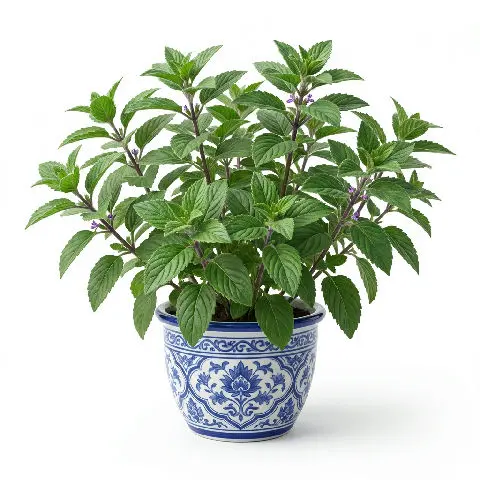
Kapoor Tulsi, scientifically known as Ocimum kilimandscharicum, is a highly aromatic and revered herbaceous perennial belonging to the Lamiaceae family, commonly referred to as the mint family. This robust plant is primarily distinguished by its exceptionally high camphor content, which imparts a strong, characteristic camphoraceous aroma, especially when its leaves are crushed. Native to the high-altitude regions of East Africa, particularly Kenya, Tanzania, and Uganda, Kapoor Tulsi thrives in well-drained soils and warm, tropical climates. It is a bushy plant, typically growing to a height of 1 to 2 meters, with a spreading habit that can reach up to 1 meter wide. The morphological characteristics of Kapoor Tulsi include ovate to elliptical leaves, measuring approximately 4-9 cm in length and 2-4 cm in width. These leaves are arranged oppositely along the stem, feature serrated margins, and boast a vibrant deep green hue with a slightly waxy texture.
The venation is prominent, contributing to its distinct appearance. During warmer months, especially peak summer, the plant produces small, bilaterally symmetrical flowers that range in color from white to pale purple, forming in whorled clusters at the stem tips. While not developing a woody bark like trees, its stems are hardy and provide structural support. Taxonomically, Ocimum kilimandscharicum is part of the extensive Ocimum genus, which includes other well-known Tulsi varieties such as Holy Basil (Ocimum sanctum/tenuiflorum). However, its unique phytochemical profile, particularly the dominance of camphor, sets it apart, contributing to its specific therapeutic applications and traditional uses. Historically, Kapoor Tulsi has been integrated into traditional medicine systems, most notably Ayurveda in India, despite its East African origins.
It is highly valued for its potent medicinal properties, especially for respiratory ailments, its anti-inflammatory actions, and its broad-spectrum antimicrobial effects. Its cultivation has expanded beyond its native range due to its medicinal significance and ease of growth, making it a valuable addition to herbal gardens globally. The plant's ability to attract beneficial insects and repel pests naturally also adds to its environmental benefits, reinforcing its role in sustainable practices. Trusted Scientific References Authoritative external sources for Ocimum kilimandscharicum : Wikipedia — Ocimum kilimandscharicum Kew POWO (Plants of the World Online) PubMed ...[CURRENT TEXT EXISTS: 2574 chars]
1.1.Kapoor Tulsi (Camphor Basil) — Distinguishing Points
- ✓Height — Can grow 1 to 2 meters tall, developing a bushy, spreading habit.
- ✓Leaf Shape — Features serrated, ovate to elliptical leaves, measuring 4-9 cm in length.
- ✓Leaf Color — Deep green, with a slightly waxy texture, emitting a strong camphor aroma when crushed.
- ✓Flower Color — Small white to pale purple flowers, appearing in whorled clusters at stem tips during warmer months.
- ✓Bark/Stem Texture — Stems are woody and slightly rough, providing structural hardiness to the herbaceous perennial.
- ✓Growth Habit — Bushy and often spreading up to 1 meter wide, forming a robust perennial.
- ✓Habitat Preference — Thrives in high-altitude, well-draining soils within tropical climates.
- ✓Camphor Content — Notable for its high camphor concentration, often up to 80% in its essential oil, defining its distinct aroma and health properties.
- ✓Traditional Uses — Utilized extensively in Ayurveda for respiratory issues, inflammation, and various infections.
- ✓Environmental Benefits — Attracts beneficial insects, such as pollinators, and can naturally repel certain garden pests.
- ✓Aromatic Profile — Possesses a strong, pungent, and refreshing camphoraceous scent, making it popular in aromatherapy.
- ✓Medicinal Versatility — Offers diverse therapeutic applications ranging from expectorant and anti-inflammatory to adaptogenic and antimicrobial effects.
- ✓Propagation Ease — Easily propagated from both seeds and stem cuttings, making it accessible for cultivation.
- ✓Perennial Nature — A long-lived plant that can provide continuous harvests over several years in suitable climates.
1.2.Kapoor Tulsi (Camphor Basil) — Quick Summary
- ✓Kapoor Tulsi (Ocimum kilimandscharicum) is a bushy perennial herb from the Lamiaceae family, native to East Africa, valued for its high camphor content.
- ✓It grows 1 to 2 meters tall, featuring serrated, ovate, deep green leaves that emit a strong camphoraceous aroma when crushed.
- ✓The plant produces small white to pale purple flowers and thrives in warm, well-drained environments, particularly high altitudes.
- ✓In traditional medicine, especially Ayurveda, it addresses respiratory ailments, inflammatory conditions, and infections.
- ✓Its distinct chemical profile, dominated by camphor, contributes to its unique therapeutic applications and aromatic properties.
- ✓Cultivated globally for its significant health benefits, it's a valuable addition to herbal medicine practices and gardens, also attracting beneficial insects.
2.Kapoor Tulsi (Camphor Basil) — Botanical Identity
3.Kapoor Tulsi (Camphor Basil) — Key Data
4.Kapoor Tulsi (Camphor Basil) — Botanical Features
5.Kapoor Tulsi (Camphor Basil) — Ecological Habitat
6.Kapoor Tulsi (Camphor Basil) — Heritage Uses
7.Kapoor Tulsi (Camphor Basil) — Key Phytochemicals
- ✓Monoterpenes — Camphor (up to 80% concentration) is the dominant compound, responsible for its distinctive aroma and many therapeutic effects including expectorant, anti-inflammatory, and antimicrobial actions. Other monoterpenes include Camphene, Alpha-pinene, and Sabinene, which contribute to its antiseptic and anti-inflammatory profile.
- ✓Limonene — A cyclic monoterpene known for its citrusy aroma and potential anti-inflammatory, antioxidant, and anti-cancer properties. It works synergistically with other compounds to enhance overall therapeutic efficacy.
- ✓Eugenol — A phenolic compound with potent antiseptic, analgesic, and anti-inflammatory properties. It contributes significantly to Kapoor Tulsi's traditional uses for pain relief and infection control.
- ✓Beta-caryophyllene — A sesquiterpene known for its anti-inflammatory and analgesic effects, often acting as a cannabinoid receptor agonist. It provides additional support for reducing pain and inflammation.
- ✓Linalool — A monoterpene alcohol recognized for its calming, sedative, and anxiolytic properties. It also possesses antimicrobial and anti-inflammatory activities, contributing to the plant's adaptogenic qualities.
- ✓Flavonoids — These are powerful antioxidants that protect cells from oxidative damage. They also exhibit anti-inflammatory, antiviral, and immunomodulatory effects, enhancing the plant's overall health benefits.
- ✓Phenolic Acids — Compounds like rosmarinic acid provide strong antioxidant and anti-inflammatory actions. They contribute to the plant's protective effects against cellular damage and chronic inflammation.
- ✓Terpenoids — A broad class of compounds, including the monoterpenes and sesquiterpenes mentioned, that contribute to the plant's aroma, medicinal properties, and defense mechanisms against pests.
- ✓Ursolic Acid — A triterpenoid compound with documented anti-inflammatory, anti-cancer, and antimicrobial properties. It adds to the plant's robust therapeutic profile.
- ✓Tannins — These compounds have astringent properties, making them beneficial for wound healing and reducing inflammation in mucous membranes. They also contribute to the plant's antimicrobial effects.
- ✓Saponins — Known for their foam-forming properties, saponins can have expectorant effects, aiding in respiratory conditions. They also possess immunomodulatory and cholesterol-lowering potential.
8.Kapoor Tulsi (Camphor Basil) — Scientific Evidence
- ✓Respiratory Support — Kapoor Tulsi acts as a natural expectorant and bronchodilator, helping to clear airways and ease breathing. Its camphor content contributes to its ability to alleviate symptoms of colds, coughs, asthma, and bronchitis by reducing congestion.
- ✓Anti-inflammatory Action — The presence of compounds like camphor and eugenol provides significant anti-inflammatory effects. This makes Kapoor Tulsi beneficial for reducing swelling and pain associated with various inflammatory conditions, including arthritis.
- ✓Antimicrobial Properties — Extracts from Kapoor Tulsi exhibit potent antimicrobial, antiviral, and antifungal activities. These properties help combat a wide range of infections, making it useful for both internal and external application against pathogens.
- ✓Adaptogenic Effects — As an adaptogen, Kapoor Tulsi helps the body manage and cope with physical and psychological stress. It supports the body's natural resilience, promoting overall well-being and balance.
- ✓Antioxidant Activity — The plant contains various antioxidant compounds that protect cells from damage caused by free radicals. This cellular protection helps to prevent oxidative stress and supports long-term health.
- ✓Digestive Aid — Kapoor Tulsi is traditionally used to alleviate common digestive issues such as bloating, gas, and indigestion. It can help soothe the digestive tract and promote healthy gut function.
- ✓Febrifuge and Diaphoretic — It acts as a diaphoretic, promoting sweating, which helps to reduce fever. This cooling action combined with its antimicrobial properties makes it effective in managing feverish conditions.
- ✓Pain Relief — Its anti-inflammatory and analgesic properties contribute to its use in reducing general body aches and pains. Topical applications can be particularly effective for localized discomfort.
- ✓Skin Health — Due to its antimicrobial and anti-inflammatory attributes, Kapoor Tulsi is beneficial for treating various skin infections and irritations. It can help soothe skin, reduce redness, and promote healing.
- ✓Immunomodulatory Effects — Regular consumption may help to modulate the immune system, enhancing the body's natural defense mechanisms against illness. It supports a robust immune response.
- ✓Anti-allergic Potential — Some traditional uses suggest its efficacy in mitigating allergic reactions. Its anti-inflammatory properties may help reduce symptoms like nasal congestion and skin rashes associated with allergies.
- ✓Oral Hygiene — The antimicrobial properties of Kapoor Tulsi can contribute to better oral health. It may help fight bacteria responsible for bad breath, gum inflammation, and cavities.
- ✓Mood Enhancement — The aromatic compounds, particularly camphor, are believed to have uplifting and calming effects. Inhaling its aroma can help reduce anxiety and promote a sense of relaxation.
8.1.Kapoor Tulsi (Camphor Basil) — Therapeutic Indications
9.Kapoor Tulsi (Camphor Basil) — Safety & Side Effects
9.1.Kapoor Tulsi (Camphor Basil) — Reported Side Effects
- ✓Skin Irritation — Direct application of highly concentrated essential oil or fresh leaf juice may cause skin irritation or allergic reactions in sensitive individuals. Always dilute essential oils and perform a patch test.
- ✓Gastrointestinal Upset — High doses of Kapoor Tulsi internally may lead to mild gastrointestinal discomfort, such as nausea or stomach upset in some sensitive individuals.
- ✓Pregnancy Concerns — Due to insufficient research, pregnant women are advised to avoid Kapoor Tulsi, especially in concentrated forms, as its effects on uterine contractions are not fully understood.
- ✓Breastfeeding Concerns — Similar to pregnancy, nursing mothers should exercise caution and consult a healthcare provider before using Kapoor Tulsi.
- ✓Drug Interactions — The plant may interact with certain medications, particularly anticoagulants or blood-thinning drugs, due to its potential effects on blood coagulation. Consult a doctor if on medication.
- ✓Liver Toxicity (High Doses) — Extremely high and prolonged doses of camphor, the primary constituent, could potentially lead to liver toxicity, though this is rare with typical herbal use.
- ✓Central Nervous System Effects — Excessive internal use, especially of the essential oil, could theoretically lead to central nervous system effects due to camphor's neuroactive properties, though uncommon with standard herbal preparations.
- ✓Allergic Reactions — Individuals with known allergies to plants in the Lamiaceae family may experience allergic reactions, including skin rashes or respiratory symptoms.
9.2.Kapoor Tulsi (Camphor Basil) — Safety Overview
- ✓Pregnancy and Lactation — Avoid use during pregnancy and breastfeeding due to insufficient safety data and the potential for camphor to stimulate uterine contractions or affect infants.
- ✓Children — Use with caution in young children and infants. Concentrated forms, particularly essential oils, are generally not recommended for internal use in pediatric populations due to camphor content.
- ✓Pre-existing Conditions — Individuals with liver conditions, epilepsy, or other neurological disorders should consult a healthcare professional before using Kapoor Tulsi, especially in concentrated forms.
- ✓Drug Interactions — Exercise caution if taking anticoagulant medications (blood thinners) or drugs metabolized by the liver, as Kapoor Tulsi may influence their efficacy or metabolism. Consult a doctor for personalized advice.
- ✓Topical Use — Always dilute Kapoor Tulsi essential oil with a carrier oil before applying to the skin. Perform a patch test on a small area to check for sensitivity or allergic reactions.
- ✓Internal Dosage — Adhere to recommended dosages for internal use. Excessive consumption, particularly of the essential oil, can lead to adverse effects due to high camphor levels.
- ✓Quality and Purity — Ensure that any Kapoor Tulsi products, especially essential oils, are sourced from reputable suppliers to guarantee purity and prevent contamination with harmful substances.
- ✓Allergic Sensitivity — Individuals with known sensitivities to camphor or other Lamiaceae family plants should avoid use to prevent allergic reactions.
- ✓Consultation — Always consult a qualified healthcare provider or medical herbalist before incorporating Kapoor Tulsi into a therapeutic regimen, especially for chronic conditions or if on other medications.
10.Kapoor Tulsi (Camphor Basil) — Usage Guide
- ✓Herbal Tea (Infusion) — Steep 1-2 teaspoons of fresh or dried Kapoor Tulsi leaves in hot water for 5-10 minutes. Strain and drink to support respiratory health, reduce fever, and alleviate stress.
- ✓Decoction — For stronger medicinal effects, especially for chronic respiratory issues, simmer 1 tablespoon of leaves in water for 10-15 minutes. This method extracts more potent compounds.
- ✓Inhalation (Steam) — Add a few fresh leaves or a drop of Kapoor Tulsi essential oil to a bowl of hot water. Inhale the steam to clear nasal passages, relieve congestion, and soothe coughs.
- ✓Topical Application (Paste) — Crush fresh leaves to make a paste and apply directly to skin infections, insect bites, or areas of inflammation. This harnesses its antimicrobial and anti-inflammatory properties.
- ✓Essential Oil Diffusion — Use a diffuser with Kapoor Tulsi essential oil to purify indoor air, uplift mood, and create a calming atmosphere. Ensure proper ventilation.
- ✓Essential Oil Topical Dilution — Dilute Kapoor Tulsi essential oil with a carrier oil (e.g., coconut or jojoba oil) before applying to the skin for localized pain relief or skin conditions. Perform a patch test first.
- ✓Ayurvedic Formulations — Incorporate dried leaf powder into traditional Ayurvedic churnas or formulations for specific therapeutic purposes, often combined with other herbs.
- ✓Culinary Use — While primarily medicinal, young leaves can be used sparingly in cooking for their unique camphoraceous flavor, particularly in some traditional dishes or herbal infusions.
- ✓Gargle/Mouthwash — Prepare a tea or decoction and use it as a gargle to alleviate sore throats, improve oral hygiene, and combat bad breath due to its antimicrobial effects.
- ✓Herbal Baths — Add a strong infusion of Kapoor Tulsi leaves to bathwater for a relaxing and detoxifying experience, which can also help with skin irritations.
11.Kapoor Tulsi (Camphor Basil) — Garden Cultivation
- ✓Soil Preference — Plant Kapoor Tulsi in well-drained, fertile soil with a slightly acidic to neutral pH (6.0-7.0) to ensure optimal growth and nutrient uptake.
- ✓Sunlight Requirements — This plant thrives in full sun, requiring at least 6-8 hours of direct sunlight daily for robust growth and potent essential oil production.
- ✓Watering Schedule — Maintain consistent moisture, especially during dry periods, but avoid waterlogging. Water deeply when the top inch of soil feels dry to the touch.
- ✓Propagation from Seeds — Seeds can be sown indoors 6-8 weeks before the last frost or directly outdoors after the danger of frost has passed. Germination typically takes 1-2 weeks.
- ✓Propagation from Cuttings — Take 4-6 inch stem cuttings from healthy, mature plants. Remove lower leaves and root them in water or moist, well-draining potting mix.
- ✓Temperature and Humidity — Prefers warm temperatures (20-30°C / 68-86°F) and can tolerate moderate humidity. Protect from frost as it is not cold-hardy.
- ✓Fertilization — Feed with a balanced organic fertilizer every 4-6 weeks during the growing season to support vigorous growth and essential oil synthesis.
- ✓Pruning — Regular pruning encourages bushier growth and prevents the plant from becoming leggy. Harvest leaves regularly to stimulate new growth and maintain plant vigor.
- ✓Pest Management — Kapoor Tulsi is generally resilient, but monitor for common garden pests like aphids or spider mites. Use organic pest control methods if necessary, as the plant can repel some pests naturally.
- ✓Container Growing — It can be successfully grown in containers, provided they are large enough to accommodate its growth habit and have adequate drainage. Repot as needed.
Reviewed by the Flora Medical Global Botanical Review Panel
Multi-disciplinary editorial group · Botany · Ethnobotany · Herbal-medicine literature
Who reviewed this: This page was checked by the Flora Medical Global Botanical Review Panel — an in-house editorial group of botany graduates, ethnobotany researchers, and horticulture practitioners who collectively maintain our 7,000+ plant encyclopedia. Meet the team.
Our 4-step verification process
1. Taxonomic verification
Scientific names and synonyms cross-checked against Kew POWO, World Flora Online, and The Plant List.
2. Phytochemical & medicinal cross-reference
Active compounds, traditional uses, and reported activities are cross-referenced with PubMed, USDA Dr. Duke's database, and peer-reviewed ethnobotanical literature.
3. Conservation & distribution check
Distribution, ecology, and conservation status confirmed against GBIF occurrence records and the IUCN Red List.
4. Editorial & safety review
Every entry passes an editorial pass for clarity, originality, and safety notices (toxicity, contraindications, dosage caveats) before publication.
Last reviewed:
Important medical disclaimer: This content is for educational and research purposes only. It is not medical advice and is not a substitute for consultation with a licensed healthcare provider. Do not use any herb to self-treat a medical condition without professional guidance.
Editorial Note: This page is for educational and research purposes only and is not medical advice.
Written by: Flora Medical Global Editorial Team
Reviewed by: Flora Medical Global Botanical Review Panel
Last Updated: June 16, 2026





Kapoor Tulsi (Camphor Basil) — Comments & Community Reviews
Rate this plant