

Medical Disclaimer: This content is for educational purposes only. It is not medical advice. Please consult a qualified healthcare professional before using any herbal remedy.
Safety Overview
1.Katphala — Botanical Snapshot
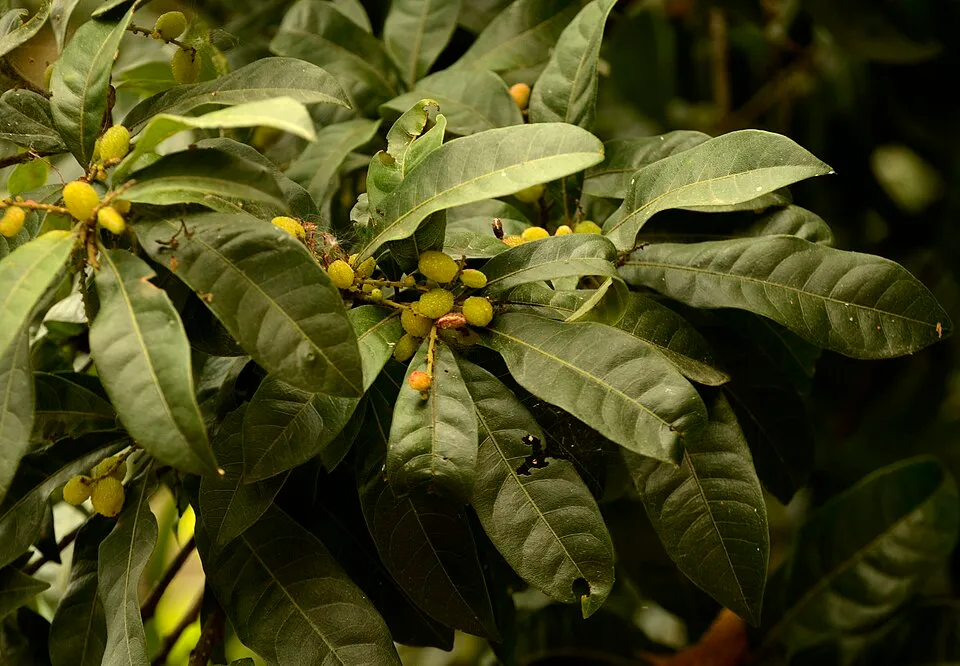
Myrica esculenta, commonly known as Katphala or box myrtle, is a robust, evergreen shrub to a medium-sized tree, typically reaching heights of 5 to 15 meters. This species is indigenous to the temperate and subtropical regions of the Himalayas, thriving across elevations ranging from 1,500 to 2,500 meters. Its native range encompasses parts of India, Nepal, Bhutan, and extending into China. The plant is characterized by its dense, bushy appearance, often forming a significant part of the sub-Himalayan forest undergrowth. Its bark is a distinctive feature, initially smooth but maturing into a thick, cracked, and pale brownish-gray texture that often becomes scaly with age, exuding a resinous substance when injured. The leaves of Myrica esculenta are alternate, simple, and evergreen, typically elliptical to ovate or lanceolate, measuring between 3 to 10 cm in length.
They possess conspicuously serrated margins, a glossy dark green adaxial surface, and a paler abaxial surface. When crushed, the leaves release a pungent, aromatic scent, attributed to the presence of volatile essential oils. The plant is dioecious, meaning male and female flowers are borne on separate individuals. Small, bell-shaped flowers typically emerge in the late winter to early spring. Male catkins are yellowish-green and pendulous, while female flowers are smaller, reddish-purple, and appear in clusters. These flowers develop into small, fleshy, drupe-like fruits, which are round to oval, ripening from green to a vibrant reddish-purple or crimson hue in early summer.
The ripe fruits are edible, known for their sweet and sour taste, and are a popular wild fruit in their native regions, often consumed fresh or processed into beverages and preserves. Katphala prefers well-drained, acidic to neutral soils and requires a temperate climate with ample moisture. Ecologically, Myrica esculenta plays a vital role in its habitat, contributing to soil stabilization and providing food for local wildlife, signifying its importance beyond its medicinal applications. Taxonomically, it belongs to the Myricaceae family, a group known for its aromatic properties and nitrogen-fixing capabilities through symbiotic root associations, although this specific species' nitrogen-fixing ability is less studied than some relatives. Trusted Scientific References Authoritative external sources for Myrica esculenta : Wikipedia — Myrica esculenta Kew POWO (Plants of the World Online) PubMed — peer-reviewed research NCB ...[CURRENT TEXT EXISTS: 2545 chars]
1.1.Katphala — Notable Characteristics
- ✓Botanical Name — Myrica esculenta (formerly Myrica nagi)
- ✓Common Names — Katphala, Box Myrtle, Bayberry, Kaphal, Sweet Gale
- ✓Family — Myricaceae
- ✓Native Region — Himalayan belt (India, Nepal, Bhutan, China)
- ✓Plant Type — Evergreen shrub to medium-sized tree
- ✓Height — 5 to 15 meters
- ✓Bark — Thick, cracked, pale brownish-gray, resinous
- ✓Leaves — Elliptical to ovate, serrated, glossy dark green, aromatic when crushed
- ✓Flowers — Dioecious, small, bell-shaped; male yellowish-green, female reddish-purple
- ✓Fruits — Small, round to oval drupes, ripening red, edible, sweet-sour taste
- ✓Traditional Medicine — Prominent in Ayurveda, Tibetan medicine
- ✓Key Actions — Expectorant, anti-inflammatory, analgesic, astringent, antiseptic, antioxidant
- ✓Primary Uses — Respiratory ailments, digestive issues, pain, wounds, oral health, fever
- ✓Key Constituents — Flavonoids (myricetin), triterpenoids (taraxerol), tannins, beta-sitosterol
- ✓Parts Used — Bark, fruit, leaves
1.2.Katphala — Snapshot Summary
- ✓Myrica esculenta (Katphala) is a Himalayan evergreen known for its aromatic bark and edible fruits.
- ✓Historically revered in Ayurveda for respiratory, digestive, and anti-inflammatory benefits.
- ✓Rich in flavonoids, triterpenoids, and tannins, contributing to its diverse therapeutic actions.
- ✓Traditionally used for cough, cold, fever, diarrhea, wounds, and oral health.
- ✓Modern research supports its antioxidant, anti-inflammatory, and anxiolytic properties.
- ✓Bark and fruit are the primary medicinal parts, prepared as decoctions, powders, or pastes.
- ✓Generally safe in recommended doses, but caution is advised for pregnant/nursing women and those on medication.
- ✓An important ecological plant with significant traditional and potential modern medicinal value.
2.Katphala — Nomenclature & Classification
3.Katphala — Vital Statistics
4.Katphala — Botanical Description
5.Katphala — Ecological Habitat
6.Katphala — Traditional Uses
7.Katphala — Chemical Profile
- ✓Flavonoids — Key compounds include myricetin, myricanol, and various proanthocyanidins. These are potent antioxidants and demonstrate anti-inflammatory, antiviral, and anticarcinogenic activities.
- ✓Triterpenoids — Taraxerol and myricadiol are notable triterpenoids found in the root bark. They contribute to the plant’s anti-inflammatory, analgesic, and hepatoprotective properties.
- ✓Sterols — Beta-sitosterol is present in the root bark. This phytosterol is recognized for its cholesterol-lowering, anti-inflammatory, and immune-modulating effects.
- ✓Phenolic Acids — Various phenolic acids contribute to the overall antioxidant capacity, scavenging free radicals and protecting against oxidative damage.
- ✓Tannins — Predominantly found in the bark, tannins are responsible for the plant's strong astringent properties, contributing to wound healing, anti-diarrheal, and antiseptic actions.
- ✓Essential Oils — The leaves and fruits contain essential oils, giving the plant its distinctive aroma. These oils often possess antimicrobial, anti-inflammatory, and insecticidal properties.
- ✓Glycosides — Various glycosides may be present, contributing to diverse pharmacological actions, including cardiac effects or anti-diabetic potential.
- ✓Saponins — These compounds can have expectorant, anti-inflammatory, and immune-stimulatory effects, contributing to respiratory health benefits.
- ✓Alkaloids — While not extensively studied for Myrica esculenta, some plant species contain alkaloids which can exhibit a wide range of pharmacological activities.
- ✓Resins — The bark exudes a resinous substance, which can contain a mixture of compounds contributing to antiseptic and wound-healing properties.
- ✓Anthocyanins — Present in the ripe fruits, giving them their red color. These are powerful antioxidants with potential cardiovascular and neuroprotective benefits.
- ✓Quercetin — A common flavonoid, likely present, known for its strong antioxidant, anti-inflammatory, and antihistamine properties.
8.Katphala — Evidence-Based Benefits
- ✓Respiratory Health Support — Katphala is traditionally valued for its expectorant and decongestant properties, helping to alleviate symptoms of cough, cold, rhinitis, and asthma by promoting the expulsion of mucus and clearing nasal passages.
- ✓Anti-inflammatory Action — Research indicates the presence of compounds like myricetin and flavonoids that exhibit significant anti-inflammatory effects, potentially reducing swelling and pain associated with various conditions.
- ✓Analgesic Properties — The plant's constituents are believed to possess pain-relieving qualities, making it useful in traditional remedies for headaches, joint pain, and general body aches.
- ✓Digestive Aid — Myrica esculenta bark powder, often consumed with buttermilk, is traditionally used to improve digestion, treat diarrhea, and alleviate indigestion due to its astringent and carminative effects.
- ✓Antipyretic Effects — A decoction of the bark has been historically used to manage fevers, suggesting its role in reducing elevated body temperatures.
- ✓Wound Healing — The dried bark powder is applied topically to fresh wounds to staunch bleeding and accelerate the healing process, owing to its astringent and antiseptic properties.
- ✓Oral Health Improvement — Decoctions of the bark are used as gargles for gingivitis and oral ulcers, while the dried bark powder serves as a tooth powder to strengthen gums and combat oral infections.
- ✓Anthelmintic Activity — Traditional medicine employs bark decoctions to treat intestinal worm infestations, suggesting its efficacy against parasitic worms.
- ✓Diabetes Management — Extracts of Katphala bark have been traditionally indicated for managing diabetes, possibly by influencing blood glucose levels, though further research is warranted.
- ✓Skin Disease Treatment — A paste made from the bark of Myrica esculenta is applied locally to address various skin ailments, benefiting from its anti-inflammatory and antiseptic qualities.
- ✓Neurological Support — Oil prepared from the bark processed in sesame oil is externally applied in conditions like facial paralysis and general paralysis, believed to offer neuroprotective or strengthening effects.
- ✓Antioxidant Protection — The fruit and bark are rich in antioxidants, including flavonoids and phenolic compounds, which help combat oxidative stress and protect cells from damage by free radicals.
- ✓Immunomodulatory Effects — The high antioxidant content and other bioactive compounds in the fruit are believed to boost immunity and enhance the body's natural defense mechanisms.
- ✓Appetite Stimulant — In Ayurvedic practice, Katphala is noted as 'Rochishnu,' meaning it improves taste perception and stimulates appetite, particularly useful in cases of anorexia.
- ✓Gynecological Disorder Relief — Ayurvedic formulations containing Katphala, such as Pushyanuga choorna, are prescribed for conditions like dysmenorrhea, leucorrhoea, excessive menstrual bleeding, and uterine infections.
- ✓Liver and Spleen Support — Certain Ayurvedic medicines like Guggulwasava, which include Katphala, are utilized for their potential benefits in treating disorders related to the liver and spleen.
- ✓Anti-anxiety and Antidepressant Effects — Preliminary research suggests anxiolytic and antidepressant properties in bark extracts, indicating potential for managing stress, anxiety, and mood disorders.
- ✓Astringent Action — The bark's pronounced astringent properties are beneficial in conditions involving excessive secretions or bleeding, such as diarrhea, excessive menstrual flow, and wound management.
8.1.Katphala — Health Applications
9.Katphala — Cautions & Contraindications
9.1.Katphala — Caution Notes
- ✓Gastrointestinal Upset — Excessive consumption, particularly of the bark, may lead to mild stomach discomfort or constipation due to its astringent nature.
- ✓Allergic Reactions — Individuals sensitive to plants in the Myricaceae family may experience allergic reactions, such as skin rashes or respiratory irritation, though rare.
- ✓Dryness of Mucous Membranes — The astringent action could potentially lead to dryness in the mouth or throat in some individuals, especially with prolonged use.
- ✓Interaction with Medications — May potentially interact with certain medications, particularly those for diabetes, blood thinners, or gastrointestinal issues. Consultation with a healthcare provider is advised.
- ✓Pregnancy and Lactation — Lack of sufficient research dictates caution; pregnant or breastfeeding women should avoid use unless directed by a medical professional.
- ✓Children — Use in young children should be under strict medical supervision due to limited safety data for this demographic.
- ✓Dosage Sensitivity — Adhering to recommended dosages is crucial; excessive intake could lead to unintended effects.
- ✓Hypotensive Effects — Given its traditional use, it might have mild hypotensive properties, which could be relevant for individuals on blood pressure medication.
9.2.Katphala — Toxicity Assessment
- ✓Generally Regarded as Safe (GRAS) — Katphala is generally considered safe when used in traditional dosages, with no severe adverse effects commonly reported.
- ✓Pregnancy and Breastfeeding — Contraindicated during pregnancy and lactation due to insufficient safety data and the potential for uterine stimulation or effects on infants.
- ✓Pre-existing Medical Conditions — Individuals with chronic health conditions, especially diabetes, hypertension, or gastrointestinal disorders, should consult a healthcare provider before use.
- ✓Drug Interactions — Potential interactions with allopathic medications, particularly anticoagulants, antidiabetic drugs, and blood pressure medications, necessitate medical advice.
- ✓Allergic Sensitivity — Exercise caution if there is a known allergy to other Myricaceae family plants or a history of general plant allergies.
- ✓Pediatric Use — Not recommended for infants and young children without professional medical guidance.
- ✓Dosage Adherence — Strictly follow recommended dosages to avoid potential side effects, primarily gastrointestinal discomfort.
- ✓Quality and Purity — Ensure the source of Myrica esculenta products is reputable and free from contaminants or adulterants.
- ✓Long-term Use — Long-term continuous use should be monitored by a healthcare professional, especially if using high concentrations.
- ✓Surgical Procedures — Discontinue use at least two weeks before any scheduled surgery due to potential effects on blood clotting or blood pressure.
10.Katphala — Preparations & Uses
- ✓Bark Decoction for Respiratory Issues — Boil 3-5g of dried bark powder in 200ml of water until reduced to half, strain, and consume to relieve coughs, colds, and asthma.
- ✓Bark Powder for Diarrhea and Indigestion — Mix 3-5g of dried bark powder with a glass of buttermilk and consume once or twice daily.
- ✓Topical Bark Paste for Skin Ailments — Grind fresh bark into a paste with a little water and apply directly to affected skin areas.
- ✓Bark Decoction for Oral Health — Use a cooled decoction of the bark as a gargle to treat gingivitis, oral ulcers, and generally improve oral hygiene.
- ✓Bark Powder as Tooth Powder — Finely powdered dried bark can be used as a natural tooth powder to strengthen gums and clean teeth.
- ✓Fruit Juice as Thirst Quencher — Extract fresh fruit juice, dilute with water, and add sugar candy for a refreshing and hydrating summer drink.
- ✓Bark Powder for Wound Dressing — Sprinkle dried bark powder directly onto fresh wounds to help control bleeding and promote healing.
- ✓Medicated Oil for Paralysis — Process Katphala bark in sesame oil (taila paka method) and apply externally to areas affected by facial paralysis or joint pain.
- ✓Nasal Administration (Nasya) — Fine powder of Katphala bark (Katphala Twak) can be blown into the nostrils through a pipe for Kaphaja Shirorogas (headaches due to Kapha imbalance) as per Ayurvedic texts.
- ✓Bark Decoction for Intestinal Worms and Diabetes — Administer 30-40 ml of bark decoction orally to treat intestinal worms and as an adjuvant in diabetes management.
- ✓Herbal Tea from Leaves — Brew dried leaves into a tea for their aromatic and mild therapeutic properties, often used for general wellness.
11.Katphala — Cultivation & Care
- ✓Climate Preference — Thrives in temperate to subtropical climates, ideally at elevations of 1,500 to 2,500 meters with sufficient moisture.
- ✓Soil Requirements — Prefers moist, well-drained soils, typically acidic to neutral pH. Loamy or sandy-loam soils are ideal.
- ✓Sunlight Exposure — Requires full sun to partial shade for optimal growth, especially when young.
- ✓Water Management — Needs consistent moisture, particularly during dry spells, but is sensitive to waterlogging.
- ✓Propagation — Can be propagated by seeds, stem cuttings, or air layering. Seed germination can be slow and erratic.
- ✓Seed Scarification — Seeds often require scarification or stratification to break dormancy and improve germination rates.
- ✓Transplanting — Young saplings should be transplanted carefully to avoid root disturbance, preferably during the cooler seasons.
- ✓Pests and Diseases — Generally robust, but susceptible to common fungal diseases in overly humid conditions or pest infestations like aphids.
- ✓Pruning — Light pruning can help maintain shape and promote bushier growth, removing dead or diseased branches.
- ✓Fertilization — Benefits from organic matter enrichment or balanced slow-release fertilizers, especially during the growing season.
- ✓Spacing — Adequate spacing is crucial for mature trees to allow for proper air circulation and growth, typically 3-5 meters apart.
- ✓Harvesting — Bark can be harvested from mature trees, while fruits are collected when ripe in summer. Leaves can be harvested as needed.
Reviewed by the Flora Medical Global Botanical Review Panel
Multi-disciplinary editorial group · Botany · Ethnobotany · Herbal-medicine literature
Who reviewed this: This page was checked by the Flora Medical Global Botanical Review Panel — an in-house editorial group of botany graduates, ethnobotany researchers, and horticulture practitioners who collectively maintain our 7,000+ plant encyclopedia. Meet the team.
Our 4-step verification process
1. Taxonomic verification
Scientific names and synonyms cross-checked against Kew POWO, World Flora Online, and The Plant List.
2. Phytochemical & medicinal cross-reference
Active compounds, traditional uses, and reported activities are cross-referenced with PubMed, USDA Dr. Duke's database, and peer-reviewed ethnobotanical literature.
3. Conservation & distribution check
Distribution, ecology, and conservation status confirmed against GBIF occurrence records and the IUCN Red List.
4. Editorial & safety review
Every entry passes an editorial pass for clarity, originality, and safety notices (toxicity, contraindications, dosage caveats) before publication.
Last reviewed:
Important medical disclaimer: This content is for educational and research purposes only. It is not medical advice and is not a substitute for consultation with a licensed healthcare provider. Do not use any herb to self-treat a medical condition without professional guidance.
Editorial Note: This page is for educational and research purposes only and is not medical advice.
Written by: Flora Medical Global Editorial Team
Reviewed by: Flora Medical Global Botanical Review Panel
Last Updated: June 16, 2026





Katphala — Comments & Community Reviews
Rate this plant