
Medical Disclaimer: This content is for educational purposes only. It is not medical advice. Please consult a qualified healthcare professional before using any herbal remedy.
Safety Overview
1.Khatmi — Overview

Khatmi (Alcea rosea), universally recognized as the stately hollyhock, is a captivating biennial or short-lived perennial belonging to the Malvaceae family. This impressive plant commands attention with its towering stature. It often reaches heights of 2 to 3 meters, which makes it a prominent feature in gardens and landscapes. Its foliage features large, broadly heart-shaped (cordate) leaves. These typically measure 15 to 30 centimeters across, with distinctly serrated margins that add to its unique textural appeal. The robust, often hairy stem supports dramatic floral spikes. Numerous individual flowers densely adorn these spikes. The showy blooms display a breathtaking spectrum of colors.
They range from delicate pale pinks and creamy whites to vibrant purples, deep reds, and even near-blacks. The flowers usually span 8 to 10 centimeters in diameter. Blooming profusely from mid-summer through early fall, Alcea rosea is a significant pollinator magnet. It attracts a diverse array of bees, butterflies, and other beneficial insects, which are crucial for ecosystem health. Native to the Mediterranean region, Khatmi has shown remarkable adaptability. It has successfully naturalized across various temperate zones worldwide. Its sturdy stem, often covered in coarse hairs, enhances its resilience to environmental stresses. Phylogenetically, Alcea rosea falls within the order Malvales.
It shares a botanical lineage with other economically important crops such as cotton (Gossypium spp.) and okra (Abelmoschus esculentus), which highlights the family's diverse contributions. Historically, people have revered the plant, under its common name Khatmi, in various traditional medicinal systems, including Unani, for its versatile therapeutic properties. They have used all parts of the plant, including the leaves, flowers, and roots, which underscores its long-standing importance as a natural remedy across diverse cultures. It is important to note that the common name 'Khatmi' sometimes applies broadly to several mucilaginous plants within the Malvaceae family. These include Althaea officinalis (marshmallow), which shares many similar traditional applications. For optimal growth, Alcea rosea thrives in well-drained, fertile soil and requires full sun exposure. This allows it to flourish and offer both its aesthetic beauty and its historical utility.
Trusted Scientific References
Authoritative external sources for Alcea Rosea:
1.1.Khatmi — Defining Traits
- ✓Botanical Name — Alcea rosea (Hollyhock).
- ✓Common Names — Khatmi, Hollyhock, Gul-e-Khairu.
- ✓Family — Malvaceae.
- ✓Plant Type — Biennial or short-lived perennial.
- ✓Height — Typically 2-3 meters (6-10 feet).
- ✓Flower Colors — Pink, purple, red, white, yellow, and black.
- ✓Blooming Season — Mid-summer to early fall.
- ✓Primary Active Compounds — Mucilage (polysaccharides), flavonoids, phenolic acids.
- ✓Key Medicinal Actions — Demulcent, anti-inflammatory, antitussive, expectorant.
- ✓Traditional Systems — Prominently used in Unani medicine, also ethnobotanical.
- ✓Parts Used — Leaves, flowers, roots, seeds.
- ✓Habitat — Native to Mediterranean, widely naturalized in temperate regions.
- ✓Pollinator Attractor — Attracts bees, butterflies, and other beneficial insects.
- ✓Cultivation — Prefers full sun and well-drained, fertile soil.
- ✓Historical Significance — Revered for centuries for both ornamental and therapeutic value.
1.2.Khatmi — Concise Overview
- ✓Khatmi (Alcea rosea) is hollyhock, a tall ornamental and medicinal plant.
- ✓Rich in mucilage, offering demulcent and soothing properties.
- ✓Traditionally used for respiratory, digestive, and inflammatory conditions.
- ✓Exhibits anti-inflammatory, antitussive, and antioxidant activities.
- ✓Employed in Unani medicine for various ailments like coughs and ulcers.
- ✓All parts (flowers, leaves, roots) are traditionally utilized.
- ✓Requires well-drained soil and full sun for cultivation.
- ✓May interfere with oral medication absorption; consult a health professional.
2.Khatmi — Scientific Identity
3.Khatmi — Categories & Tags
4.Khatmi — Structural Profile
5.Khatmi — Historical Applications
6.Khatmi — Secondary Metabolites
- ✓Mucilages — Primarily complex polysaccharides such as arabinogalactans, rhamnogalacturonans, and glucans, responsible for the plant's characteristic demulcent, soothing, and expectorant properties, particularly beneficial for mucous membranes.
- ✓Flavonoids — Including compounds like quercetin, kaempferol, and their glycosides, which contribute significant antioxidant, anti-inflammatory, and potentially immunomodulatory activities.
- ✓Phenolic Acids — Such as hydroxybenzoic acid derivatives, gallic acid, and caffeic acid, known for their potent antioxidant capabilities and roles in cellular protection.
- ✓Alkaloids — Nitrogen-containing organic compounds that can exhibit diverse pharmacological actions, though generally present in lower concentrations in Alcea rosea compared to other classes.
- ✓Terpenoids — A broad class including monoterpenes, sesquiterpenes, and triterpenoids, often contributing to the plant's aroma, anti-inflammatory, and antimicrobial properties.
- ✓Tannins — Astringent compounds that can help tone tissues, reduce inflammation, and possess antimicrobial effects, useful in healing and protecting mucous membranes.
- ✓Phytosterols — Plant sterols like beta-sitosterol, which can have anti-inflammatory and cholesterol-lowering effects, contributing to overall health.
- ✓Fatty Acids — Essential fatty acids and other lipid components found in seeds, supporting cell membrane integrity and potentially offering anti-inflammatory benefits.
- ✓Anthocyanins — Pigments responsible for the vibrant colors of the flowers, also acting as powerful antioxidants and potentially offering cardiovascular benefits.
- ✓Saponins — Glycosides that can have expectorant, anti-inflammatory, and immune-stimulating properties, though their presence and concentration vary.
7.Khatmi — Research Insights
- ✓Demulcent Action — Khatmi (Alcea rosea) is rich in mucilage, which forms a soothing, protective layer over irritated mucous membranes, making it beneficial for conditions affecting the respiratory, gastrointestinal, and urinary tracts.
- ✓Expectorant Properties — The mucilaginous content helps to loosen and expel phlegm from the respiratory passages, aiding in the relief of coughs, bronchitis, and other respiratory congestions.
- ✓Anti-inflammatory Effects — Traditional uses and modern research suggest that Khatmi possesses compounds that can reduce inflammation, providing relief in conditions like arthritis (Waja ul mafasil), metritis (Warme reham), and enteritis (Warme amaa).
- ✓Antitussive Activity — Its soothing demulcent action on the throat and respiratory tract helps to suppress cough reflexes, making it an effective traditional remedy for dry, irritating coughs and catarrh of the mouth and throat.
- ✓Immunomodulatory Support — Bioactive compounds in Khatmi are believed to help regulate and strengthen the immune system, enhancing the body's natural defense mechanisms against pathogens and supporting overall immune health.
- ✓Antioxidant Protection — The presence of flavonoids and phenolic acids contributes to Khatmi's antioxidant capacity, helping to neutralize free radicals and protect cells from oxidative damage.
- ✓Antimicrobial Properties — Extracts of Khatmi have shown activity against various microorganisms, contributing to its traditional use in treating infections and promoting wound healing.
- ✓Ulcer Protective — The demulcent effect can help coat and protect the gastric lining, potentially aiding in the prevention and healing of peptic ulcers and mild gastritis.
- ✓Hepatoprotective Effects — Some constituents may offer protective benefits to the liver, supporting its detoxification processes and overall health.
- ✓Diuretic Activity — Traditionally, Khatmi has been used to promote urine flow, which can assist in flushing out toxins and supporting urinary tract health, including addressing urinary tract complaints.
- ✓Emollient Action — When applied topically, the mucilage acts as a softening and moisturizing agent for the skin, useful in soothing skin burns, insect bites, and other irritations.
- ✓Astringent Effects — Certain compounds in Khatmi may have mild astringent properties, helping to tone tissues and reduce excessive secretions.
- ✓Digestive Health Support — Beyond ulcer protection, its mucilage can help regulate bowel movements, offering relief for both constipation and diarrhea by normalizing gut transit.
- ✓UV Exposure Protective — Emerging research indicates potential compounds that may help protect the skin from the damaging effects of ultraviolet radiation.
- ✓Anti-fungal Activity — Studies have reported antifungal properties, suggesting its utility in addressing certain fungal infections.
7.1.Khatmi — Reported Uses
8.Khatmi — Precautions & Warnings
8.1.Khatmi — Reported Side Effects
- ✓Allergic Reactions — Individuals sensitive to plants in the Malvaceae family may experience skin rashes, itching, or respiratory symptoms.
- ✓Digestive Upset — High doses of mucilage can, in some sensitive individuals, lead to mild bloating, gas, or changes in bowel habits.
- ✓Medication Absorption Interference — Due to its high mucilage content, Khatmi may slow down or reduce the absorption of orally administered medications if taken concurrently.
- ✓Hypoglycemic Effects — While not extensively documented for Alcea rosea, some mucilaginous plants can have a minor impact on blood glucose levels, warranting caution for diabetics.
- ✓Contamination Risk — As with any herbal product, improper harvesting or processing can lead to contamination with pesticides, heavy metals, or microbes.
- ✓Photosensitivity — Rare cases of increased skin sensitivity to sunlight have been reported with some herbal preparations, though not strongly linked to Alcea rosea.
8.2.Khatmi — Toxicity Assessment
- ✓Pregnancy and Lactation — Use is generally not recommended during pregnancy or breastfeeding due to insufficient safety data; consult a healthcare professional.
- ✓Children — While traditionally used, consult a pediatrician before administering Khatmi preparations to infants and young children.
- ✓Drug Interactions — Advise patients to take Khatmi preparations at least 1-2 hours before or after other oral medications to minimize potential absorption interference.
- ✓Pre-existing Conditions — Individuals with diabetes or other chronic health conditions should consult a physician before use.
- ✓Allergic History — Avoid use if known allergies to plants in the Malvaceae family exist.
- ✓Dosage — Adhere to recommended dosages; excessive consumption may increase the likelihood of side effects.
- ✓Quality Sourcing — Ensure herbal products are sourced from reputable suppliers to guarantee purity and prevent contamination.
- ✓Topical Use — Perform a patch test before extensive topical application to check for skin sensitivity or allergic reactions.
9.Khatmi — Preparation & Dosage
- ✓Herbal Tea (Infusion) — Dried flowers and leaves can be steeped in hot water to create a soothing tea, beneficial for coughs, sore throats, and digestive discomfort.
- ✓Decoction — Roots are simmered in water for a longer period to extract deeper medicinal compounds, often used for more persistent respiratory or inflammatory conditions.
- ✓Gargle/Mouthwash — A cooled infusion or decoction can be used as a gargle to alleviate oral and pharyngeal irritation, catarrh, and mild mouth inflammation.
- ✓Poultice — Crushed fresh leaves or flowers, or a paste made from dried parts, can be applied directly to the skin to soothe burns, insect bites, and localized inflammations.
- ✓Compress — Cloths soaked in warm Khatmi infusion can be applied as a compress to inflamed joints (arthritis) or other painful areas for localized relief.
- ✓Syrups — Flowers and leaves can be incorporated into homemade syrups, especially for children, to manage coughs and colds.
- ✓Lozenges — The mucilage from Khatmi, particularly the root, can be extracted and used in traditional lozenges for throat irritation.
- ✓Topical Washes — Weak infusions can be used as gentle washes for skin conditions, minor wounds, or irritated skin.
- ✓Medicinal Oil Infusion — Dried flowers can be infused in a carrier oil (e.g., olive oil) for several weeks to create a soothing topical oil for skin ailments.
- ✓Culinary Use — Young leaves and flower petals can be added to salads or used as edible garnishes, offering mild nutritional benefits.
10.Khatmi — Growth Requirements
- ✓Soil Preparation — Thrives in well-drained, fertile soil with a neutral to slightly alkaline pH; enrich with compost for optimal growth.
- ✓Sunlight Requirements — Prefers full sun exposure, needing at least 6-8 hours of direct sunlight daily for robust flowering.
- ✓Watering Regimen — Requires regular watering, especially during dry periods and flowering, but avoid waterlogging to prevent root rot.
- ✓Propagation — Primarily propagated from seeds, which can be sown directly in late spring or started indoors 6-8 weeks before the last frost.
- ✓Spacing — Plant seedlings 45-60 cm apart to allow for adequate air circulation and mature size.
- ✓Support Structures — Taller varieties may benefit from staking or support to prevent stems from lodging, especially in windy conditions.
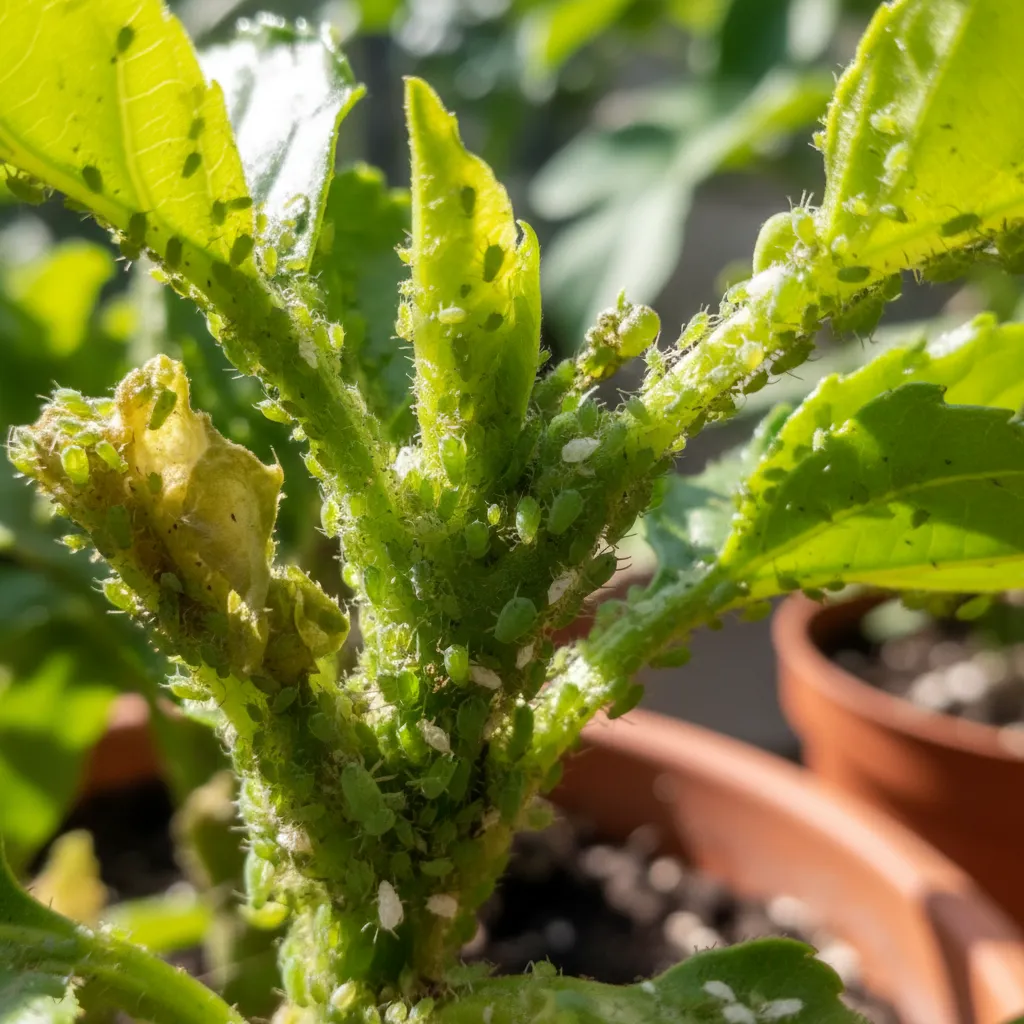
- ✓Pest and Disease Management — Generally resilient but can be susceptible to rust fungus; ensure good air circulation and remove affected leaves promptly.
- ✓Fertilization — A balanced, slow-release fertilizer can be applied in spring, or side-dress with compost to replenish nutrients.
- ✓Deadheading — Remove spent flowers to encourage continuous blooming and prevent unwanted self-seeding.
- ✓Winter Care — In colder climates, provide a layer of mulch around the base for winter protection, especially for biennial types.
- ✓Harvesting — Leaves and flowers are best harvested when young and fresh, roots typically in the fall of the first year or spring of the second.
Reviewed by the Flora Medical Global Botanical Review Panel
Multi-disciplinary editorial group · Botany · Ethnobotany · Herbal-medicine literature
Who reviewed this: This page was checked by the Flora Medical Global Botanical Review Panel — an in-house editorial group of botany graduates, ethnobotany researchers, and horticulture practitioners who collectively maintain our 7,000+ plant encyclopedia. Meet the team.
Our 4-step verification process
1. Taxonomic verification
Scientific names and synonyms cross-checked against Kew POWO, World Flora Online, and The Plant List.
2. Phytochemical & medicinal cross-reference
Active compounds, traditional uses, and reported activities are cross-referenced with PubMed, USDA Dr. Duke's database, and peer-reviewed ethnobotanical literature.
3. Conservation & distribution check
Distribution, ecology, and conservation status confirmed against GBIF occurrence records and the IUCN Red List.
4. Editorial & safety review
Every entry passes an editorial pass for clarity, originality, and safety notices (toxicity, contraindications, dosage caveats) before publication.
Last reviewed:
Important medical disclaimer: This content is for educational and research purposes only. It is not medical advice and is not a substitute for consultation with a licensed healthcare provider. Do not use any herb to self-treat a medical condition without professional guidance.
Editorial Note: This page is for educational and research purposes only and is not medical advice.
Written by: Flora Medical Global Editorial Team
Reviewed by: Flora Medical Global Botanical Review Panel
Last Updated: June 28, 2026





Khatmi — Comments & Community Reviews
Rate this plant
No reviews yet. Be the first!