


Medical Disclaimer: This content is for educational purposes only. It is not medical advice. Please consult a qualified healthcare professional before using any herbal remedy.
Safety Overview
1.Khus — Essential Profile
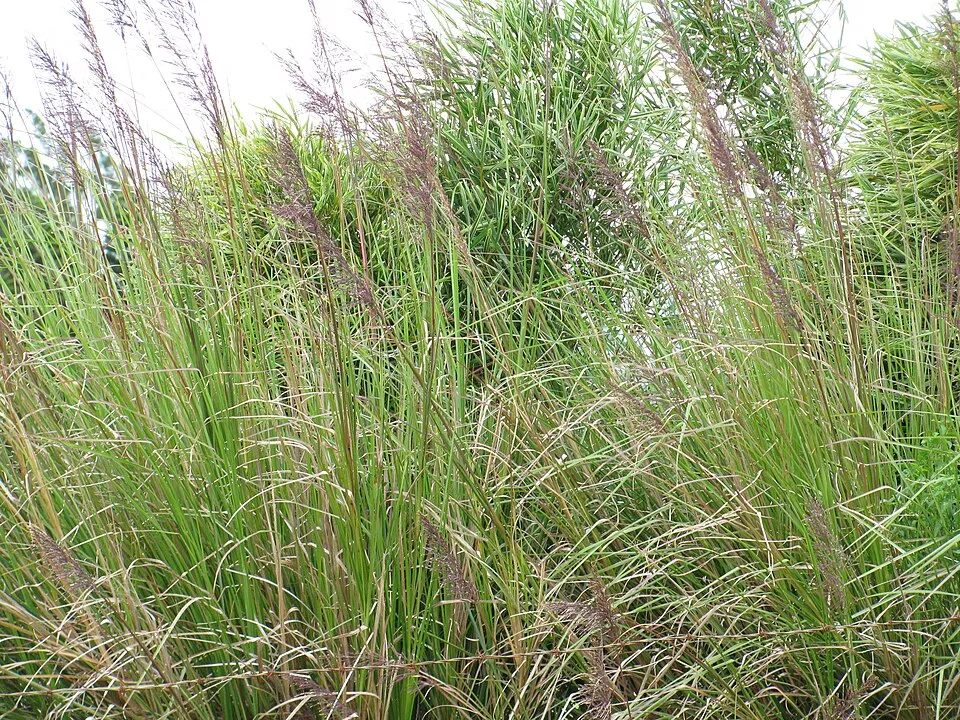
Khus, scientifically known as Chrysopogon zizanioides and often referred to as Vetiver, is a robust, perennial grass belonging to the Poaceae family, specifically within the subfamily Panicoideae and tribe Andropogonae. This remarkable plant typically reaches heights of 1 to 2 meters, though its upper parts can extend up to 4 meters in ideal conditions.
Its leaves are distinctively narrow and linear, measuring approximately 5 to 15 mm in width and 30 to 60 cm in length, emitting a characteristic aromatic scent when crushed, a trait that hints at the valuable essential oil within. The plant produces delicate, feathery flower spikes that range in color from pale yellow to reddish, particularly vibrant during its full bloom period, which usually occurs in late summer to early autumn.
A defining feature of Chrysopogon zizanioides is its truly massive and dense root system, which can penetrate soils to depths exceeding 7 meters. This extensive root network is not only crucial for the plant's survival but also renders it invaluable for environmental applications such as soil erosion control, slope stabilization, and water conservation. The roots' ability to reach deep water sources also contributes to its resilience in varied climates.
Native to tropical and subtropical regions of South Asia, including countries like India, Pakistan, and Sri Lanka, Khus grass thrives in moist soils but exhibits remarkable adaptability to extreme environments, ranging from aquatic to semi-desert conditions. It can tolerate high temperatures up to 55°C and even frost down to -15°C, as well as acidic soils. While it prefers open, sunny environments, shade can significantly impede its growth.
Taxonomically, it shares close relationships with other aromatic grasses within its tribe. Historically, Khus has been cultivated for centuries, not only for its significant medicinal uses in traditional systems but also for its highly prized essential oil, extracted primarily from the roots, which is a staple in the perfumery industry and various traditional practices worldwide.
Trusted Scientific References
1. Authoritative external sources for Chrysopogon zizanioides
1.1 Wikipedia — Chrysopogon zizanioides
1.2 Kew POWO (Plants of the World Online)
1.3 PubMed — peer-reviewed research
1.4 NCBI Taxonomy Browser
1.5 GBIF — Global Biodiversity
1.1.Khus — Notable Characteristics
- ✓Deep Root System — Extensive root network reaching over 7 meters, vital for soil stabilization.
- ✓Aromatic Essential Oil — Roots yield a prized essential oil with an earthy, woody fragrance.
- ✓Environmental Remediation — Effective in phytoremediation, absorbing heavy metals and pollutants.
- ✓Soil Erosion Control — Prevents soil degradation on slopes and riverbanks.
- ✓Adaptable Growth — Thrives in diverse climates, from drought to submergence, and varied soil types.
- ✓Perennial Grass — Long-lived plant, providing continuous benefits without annual replanting.
- ✓Medicinal Properties — Known for anti-inflammatory, antimicrobial, antioxidant, and anxiolytic effects.
- ✓Traditional Medicine Staple — Used in Ayurveda, TCM, and other systems for various ailments.
- ✓Perfumery Ingredient — A key base note in many fragrances due to its unique aroma.
- ✓Cooling Agent — Traditionally used in cooling beverages and remedies.
- ✓Insect Repellent — Natural biopesticide, effective against certain insects.
- ✓Low Maintenance — Requires minimal care once established, highly resilient.
- ✓Non — Invasive — Does not spread aggressively through rhizomes, making it suitable for cultivation.
- ✓Biofuel Potential — Explored for its biomass potential as a sustainable energy source.
- ✓Craft Material — Leaves and stems are used for mats, baskets, and thatched roofs.
1.2.Khus — Quick Summary
- ✓Khus (Vetiver) is a multipurpose perennial grass from the Poaceae family.
- ✓Renowned for its deep root system, aiding soil erosion control and phytoremediation.
- ✓Its essential oil, extracted from roots, is highly valued in perfumery and aromatherapy.
- ✓Offers significant medicinal benefits including anti-inflammatory, antimicrobial, and anxiolytic effects.
- ✓Traditionally used for digestive issues, pain relief, fever, and nervous system support.
- ✓Cultivated for its adaptability to diverse environments and low maintenance needs.
- ✓Essential oil should always be diluted for topical use and used cautiously internally.
- ✓A sustainable plant with both ecological and therapeutic importance.
2.Khus — Scientific Identity
3.Khus — Key Data
4.Khus — Physical Description
5.Khus — Native Range & Habitat
6.Khus — Folk Medicine Applications
7.Khus — Chemical Profile
- ✓Sesquiterpenes — Key compounds include Vetiverol, Khusimol, Iso-khusimol, Khusimone, and Khusenol. These are largely responsible for the characteristic earthy aroma of Vetiver oil and contribute significantly to its anti-inflammatory, antioxidant, and antimicrobial activities.
- ✓Ketones — Compounds like alpha- and beta-vetivone are prominent, contributing to the essential oil's deep, woody scent and potentially exhibiting insect-repellent properties.
- ✓Alcohols — Vetiverol is a primary sesquiterpene alcohol, crucial for the oil's fragrance profile and believed to possess sedative and anxiolytic effects, influencing the nervous system.
- ✓Esters — Various esters are present in smaller quantities, adding complexity to the aroma and potentially contributing to the oil's overall therapeutic actions.
- ✓Phenols — While not primary constituents, some phenolic compounds may be present, offering antioxidant capabilities.
- ✓Aldehydes — Certain aldehydes contribute to the initial aromatic notes and may have minor antimicrobial effects.
- ✓Hydrocarbons — A range of sesquiterpene hydrocarbons, such as alpha- and beta-vetivene, are found, forming the backbone of the essential oil and influencing its stability.
- ✓Carboxylic Acids — Trace amounts of organic acids might be present, contributing to the overall chemical complexity.
- ✓Flavonoids — Non-volatile extracts of Khus may contain flavonoids, known for their strong antioxidant and anti-inflammatory properties.
- ✓Glycosides — Various glycosides could be present, contributing to traditional medicinal uses, particularly in general wellness and immune support.
- ✓Terpenoids — A broad category encompassing many of the essential oil components, responsible for diverse pharmacological activities from anti-inflammatory to antimicrobial.
- ✓Phytosterols — Plant sterols may be found in the root extracts, contributing to overall health benefits, including cholesterol management.
- ✓Alkaloids — While not a dominant feature, some alkaloid-like compounds might be present, warranting further investigation into their specific bioactivities.
8.Khus — Pharmacological Findings
- ✓Immune Support — Khus grass contains compounds with immunomodulatory properties that may help fortify the body's natural defenses, supporting overall immune system function against pathogens.
- ✓Anti-inflammatory Action — The essential oil and extracts of Khus have demonstrated significant anti-inflammatory effects, potentially by inhibiting pro-inflammatory mediators, making it useful for conditions like rheumatism and arthritis.
- ✓Digestive Health Promotion — Traditionally, Khus roots have been used as a carminative, aiding in the relief of stomach pain, bloating, and gas, thereby supporting healthy digestive function.
- ✓General Wellness Enhancement — Its adaptogenic qualities and broad spectrum of bioactive compounds contribute to overall vitality and well-being, helping the body maintain homeostasis.
- ✓Anxiolytic and Sedative Effects — Vetiver essential oil is recognized for its calming properties, effective in reducing anxiety, alleviating stress, and promoting restful sleep for individuals suffering from insomnia.
- ✓Pain Relief (Analgesic) — Applied topically or consumed, Khus may help reduce various types of pain, including headaches and muscular discomfort, due to its anti-inflammatory and nervine actions.
- ✓Antipyretic Properties — In traditional medicine, Khus has been employed to alleviate fever, helping to cool the body and reduce elevated temperatures.
- ✓Oral Health Support — Extracts from Khus may be beneficial for treating mouth ulcers, utilizing its antimicrobial and healing properties to soothe oral irritations.
- ✓Blood Health (Anemia) — Traditional texts suggest its use in managing anemia, though specific mechanisms require further modern scientific elucidation.
- ✓Skin Health and Healing — Its antiseptic and anti-inflammatory properties make it beneficial for skin conditions, aiding in wound healing and reducing irritation from insect bites.
- ✓Antimicrobial and Antifungal Activity — Khus essential oil possesses potent antimicrobial and germicidal properties, effective against a range of bacteria and fungi, which supports its use in preventing infections.
- ✓Antioxidant Protection — Rich in antioxidant compounds, Khus helps neutralize free radicals, protecting cells from oxidative damage and contributing to anti-aging effects.
- ✓Insect Repellent — Vetiver oil is a well-established natural insect repellent, particularly effective against various fly species and other pests, making it a valuable biopesticide.
- ✓Nervous System Support — The oil has beneficial effects on the nervous system, potentially aiding in psychiatric disorders, depression, and epilepsy by promoting neural balance.
- ✓Diaphoretic Action — The leaves of Khus are traditionally used as a diaphoretic, promoting sweating to help detoxify the body and reduce fever.
- ✓Anti-cancer Potential — Preliminary research indicates potential anti-cancer activities of Khus extracts, warranting further investigation into specific mechanisms and applications.
8.1.Khus — Conditions Traditionally Used For
9.Khus — Safety & Side Effects
9.1.Khus — Possible Adverse Reactions
- ✓Skin Irritation — Undiluted Vetiver essential oil can cause skin irritation or sensitization in individuals with sensitive skin; always perform a patch test.
- ✓Allergic Reactions — Some individuals may experience allergic reactions, such as rashes, itching, or hives, when exposed to Khus products.
- ✓Digestive Upset — Ingesting large quantities of Khus extracts or essential oil without proper guidance may lead to gastrointestinal discomfort, nausea, or vomiting.
- ✓Drowsiness — Due to its calming and sedative properties, excessive use, especially orally, could lead to drowsiness, impacting alertness.
- ✓Photosensitivity — While not commonly reported, some plant compounds can theoretically increase photosensitivity in certain individuals.
- ✓Interactions with Medications — Potential interactions with sedatives, blood thinners, or other medications, especially when consumed internally, are possible and should be discussed with a healthcare provider.
- ✓Respiratory Irritation — Inhaling highly concentrated essential oil vapors directly from the bottle might cause temporary respiratory irritation in sensitive individuals.
9.2.Khus — Toxicity Assessment
- ✓Pregnancy and Lactation — Pregnant or breastfeeding individuals should avoid internal use of Khus essential oil and consult a healthcare professional before any use due to insufficient safety data.
- ✓Children — Internal use of Khus essential oil is generally not recommended for infants and young children; topical application should be highly diluted and supervised.
- ✓Dilution — Always dilute Vetiver essential oil with a carrier oil before topical application to prevent skin irritation.
- ✓Patch Test — Conduct a patch test on a small skin area before widespread topical use to check for allergic reactions or sensitivities.
- ✓Internal Use — Internal consumption of Khus essential oil should only be done under the guidance of a qualified medical herbalist or healthcare practitioner.
- ✓Quality of Oil — Use only high-quality, pure, therapeutic-grade Vetiver essential oil from reputable sources to ensure safety and efficacy.
- ✓Storage — Store essential oil in a cool, dark place away from direct sunlight and heat to maintain its potency and prevent degradation.
- ✓Medical Conditions — Individuals with pre-existing medical conditions, especially those affecting the liver, kidneys, or nervous system, should consult a doctor before using Khus medicinally.
- ✓Avoid Eye/Mucous Membrane Contact — Keep essential oil away from eyes, inner ears, and other sensitive areas.
- ✓Keep Out of Reach of Children — Essential oils should be stored securely to prevent accidental ingestion by children.
10.Khus — Usage Guide
- ✓Essential Oil Distillation — The roots are harvested, cleaned, and steam-distilled to extract Vetiver essential oil (VEO), primarily used in perfumery, aromatherapy, and medicine.
- ✓Aromatic Baths — A few drops of Vetiver essential oil can be added to bathwater to promote relaxation, reduce stress, and soothe muscles.
- ✓Topical Application (Diluted) — Vetiver oil, diluted in a carrier oil (e.g., jojoba, almond), can be massaged onto the skin for anti-inflammatory benefits, pain relief, or skin health.
- ✓Aromatherapy Diffusion — Diffusing Vetiver essential oil in an essential oil diffuser helps create a calming atmosphere, reducing anxiety and aiding sleep.
- ✓Herbal Teas/Infusions — Dried Khus roots can be steeped in hot water to make a traditional tea, used for digestive support, fever, or general wellness.
- ✓Cooling Drinks (Sharbat) — In traditional Indian cuisine, Khus syrup (sharbat) is made from root extracts, providing a refreshing and cooling beverage.
- ✓Food Flavoring — Vetiver essential oil is approved for food use and can be used as a flavoring agent in beverages, desserts, and specific canned foods.
- ✓Poultices and Compresses — Crushed fresh roots or a paste made from dried root powder can be applied as a poultice for localized pain, inflammation, or skin conditions.
- ✓Incense and Perfumery — The dried roots and essential oil are widely used in natural incense sticks, sachets, and as a base note in high-end perfumes due to its earthy, woody aroma.
- ✓Traditional Decoctions — Roots are boiled in water to create decoctions for internal consumption in various traditional medicine systems for specific ailments like stomach pain or anemia.
- ✓Hair Care Products — Due to its soothing and strengthening properties, Khus extracts are sometimes incorporated into natural shampoos and hair oils.
- ✓Environmental Remediation — The plant itself is used in phytoremediation projects for heavy metal absorption and wastewater treatment, not a direct medicinal use but an important application.
11.Khus — How to Grow
- ✓Soil Preference — Thrives in a wide range of soils, from sandy to heavy clay, but prefers well-drained, moist loams.
- ✓PH Tolerance — Highly adaptable, it can grow in acidic to alkaline conditions, demonstrating tolerance to extreme soil pH levels.
- ✓Sunlight Requirement — Requires full sun exposure; shade can significantly reduce growth and may even be detrimental to the plant's survival.
- ✓Water Needs — Tolerates both drought and prolonged submergence, making it suitable for varying hydrological conditions, though consistent moisture promotes vigorous growth.
- ✓Propagation — Primarily propagated vegetatively through root divisions or slips, as viable seed production is rare.
- ✓Planting Depth — Root slips should be planted deep enough to cover the root crown, typically 10-15 cm below the surface.
- ✓Spacing — For erosion control or hedge formation, plants are often spaced closely, typically 10-15 cm apart in rows.
- ✓Fertilizer Use — Can grow without significant fertilizer input, especially in fertile soils, but responds well to balanced nutrients for optimal yield.
- ✓Weed Control — Young plants require weeding to prevent competition, but once established, the dense growth of Khus can suppress most weeds.
- ✓Temperature Range — Exhibits exceptional tolerance to extreme temperatures, from sub-zero frost (-15°C) to intense heat (55°C).
- ✓Climate Suitability — Best suited for tropical and subtropical climates, but its adaptability allows it to be cultivated in diverse regions.
- ✓Pest and Disease Resistance — Generally highly resistant to most pests and diseases, further contributing to its ease of cultivation.
Reviewed by the Flora Medical Global Botanical Review Panel
Multi-disciplinary editorial group · Botany · Ethnobotany · Herbal-medicine literature
Who reviewed this: This page was checked by the Flora Medical Global Botanical Review Panel — an in-house editorial group of botany graduates, ethnobotany researchers, and horticulture practitioners who collectively maintain our 7,000+ plant encyclopedia. Meet the team.
Our 4-step verification process
1. Taxonomic verification
Scientific names and synonyms cross-checked against Kew POWO, World Flora Online, and The Plant List.
2. Phytochemical & medicinal cross-reference
Active compounds, traditional uses, and reported activities are cross-referenced with PubMed, USDA Dr. Duke's database, and peer-reviewed ethnobotanical literature.
3. Conservation & distribution check
Distribution, ecology, and conservation status confirmed against GBIF occurrence records and the IUCN Red List.
4. Editorial & safety review
Every entry passes an editorial pass for clarity, originality, and safety notices (toxicity, contraindications, dosage caveats) before publication.
Last reviewed:
Important medical disclaimer: This content is for educational and research purposes only. It is not medical advice and is not a substitute for consultation with a licensed healthcare provider. Do not use any herb to self-treat a medical condition without professional guidance.
Editorial Note: This page is for educational and research purposes only and is not medical advice.
Written by: Flora Medical Global Editorial Team
Reviewed by: Flora Medical Global Botanical Review Panel
Last Updated: June 16, 2026





Khus — Comments & Community Reviews
Rate this plant