


Medical Disclaimer: This content is for educational purposes only. It is not medical advice. Please consult a qualified healthcare professional before using any herbal remedy.
Safety Overview
1.Kushtha Root — Overview
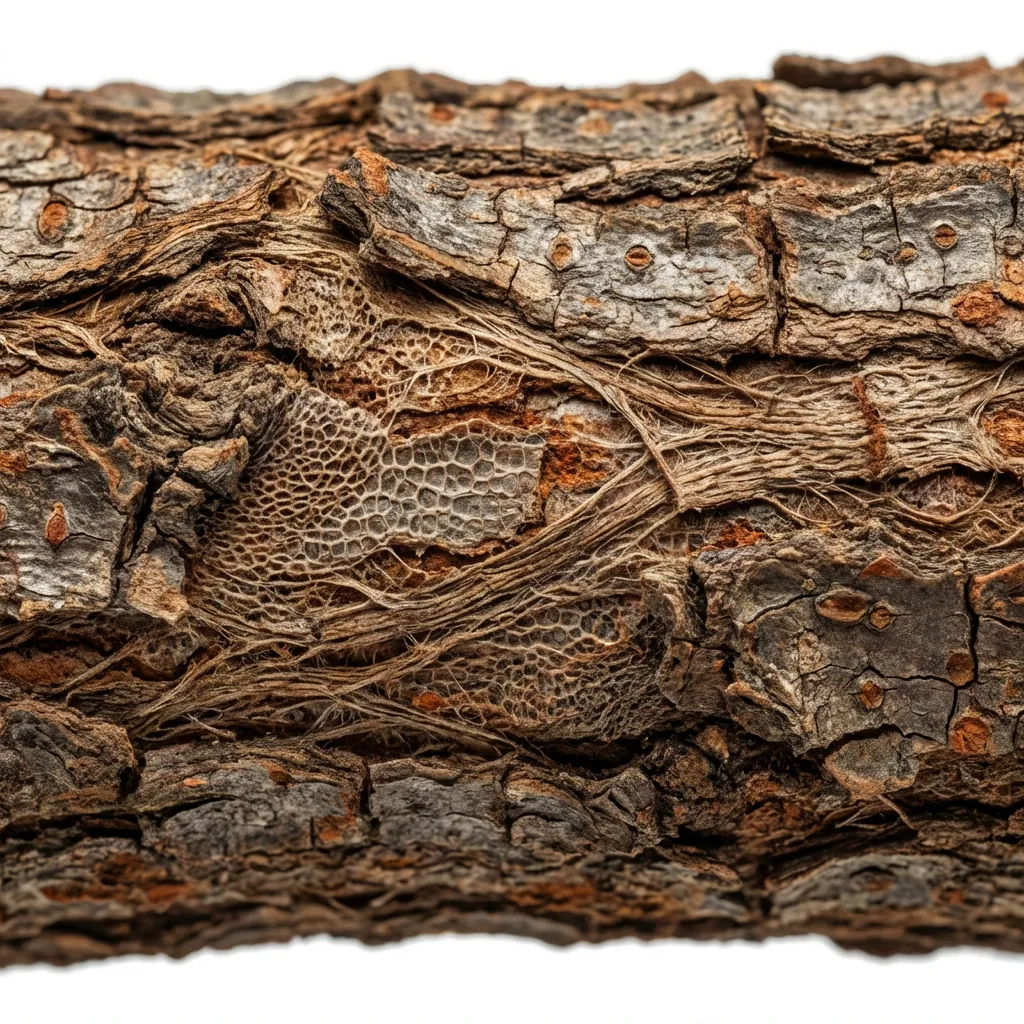
Kushtha Root, scientifically known as Saussurea costus (Falc.) Lipsch, is a revered perennial herb belonging to the Asteraceae family, also commonly referred to as Kuth or Indian Costus. This robust plant is endemic to the high-altitude Himalayan regions, typically flourishing at elevations ranging from 2,500 to 3,000 meters above sea level. Its natural habitat spans across parts of India, Nepal, Bhutan, Pakistan, and Tibet, where it thrives in rocky, well-drained soils and alpine meadows. The plant exhibits a distinctive morphology, characterized by a large, fleshy, aromatic taproot, which is the primary part utilized for its medicinal properties. Above ground, it features a stout, erect stem, often reaching up to 2 meters in height. The leaves are large, deeply lobed, and serrated, forming a basal rosette in younger plants, with smaller, clasping leaves ascending the stem.
The inflorescence consists of dense, thistle-like capitula (flower heads) with purplish florets, appearing in late summer. The fruit is an achene, containing small seeds. Historically, Saussurea costus holds profound significance in various traditional systems of medicine, particularly Ayurveda, Unani, and Traditional Chinese Medicine (TCM), where it has been documented for millennia. In Ayurveda, it is known as 'Kushtha' and is highly regarded for its unique taste profile—bitter, pungent, and acrid—and its 'hot' potency (ushna virya). It is traditionally believed to balance Vata and Kapha doshas while potentially increasing Pitta dosha. Its historical applications have been incredibly diverse, ranging from respiratory ailments and digestive disturbances to skin conditions and general debility.
The plant's deep roots in traditional healing practices underscore its long-standing reputation as a potent therapeutic agent. Due to its extensive harvesting from the wild for centuries, Saussurea costus is now classified as a critically endangered species, necessitating stringent conservation efforts and sustainable cultivation practices to preserve its genetic diversity and ensure its continued availability for future generations. Its unique phytochemical profile and profound traditional uses make it a subject of ongoing scientific research, bridging ancient wisdom with modern pharmacological understanding. Trusted Scientific References Authoritative external sources for Saussurea costus : Wikipedia — Saussurea costus Kew POWO (Plants of the World Online) PubMed — peer-reviewed research NCBI ...[CURRENT TEXT EXISTS: 2543 chars]
1.1.Kushtha Root — Defining Traits
- ✓Critically Endangered Species — Conservation efforts are vital for its survival.
- ✓Aromatic Taproot — The primary medicinal part, known for its strong, distinct fragrance.
- ✓Bitter, Pungent, Acrid Taste — Characteristic taste profile in traditional medicine.
- ✓Hot Potency (Ushna Virya) — Ayurvedic property indicating its warming effect on the body.
- ✓Dosha Balancing — Traditionally balances Vata and Kapha, while potentially increasing Pitta.
- ✓Rich Phytochemical Profile — Abundant in sesquiterpene lactones, essential oils, and flavonoids.
- ✓Potent Anti — inflammatory — Reduces inflammation effectively, beneficial for various ailments.
- ✓Broad — spectrum Antimicrobial — Active against bacteria, fungi, and some viruses.
- ✓Significant Hepatoprotective — Protects and supports liver function.
- ✓Traditional Respiratory Aid — Used for asthma, bronchitis, and coughs.
- ✓Effective Digestive Stimulant — Improves digestion, appetite, and reduces gas.
- ✓Promising Skin Healing Properties — Applied topically for skin diseases and wounds.
- ✓Adaptogenic Potential — May support thyroid health and stress response.
- ✓Immunomodulatory Effects — Influences immune system function.
- ✓Cultural and Historical Significance — Deeply embedded in ancient healing traditions.
1.2.Kushtha Root — Quick Summary
- ✓Kushtha Root (Saussurea costus) is an endangered Himalayan medicinal plant.
- ✓Highly valued in Ayurveda, Unani, and TCM for millennia.
- ✓Rich in sesquiterpene lactones, essential oils, and flavonoids.
- ✓Exhibits significant anti-inflammatory, antimicrobial, and hepatoprotective properties.
- ✓Traditionally used for respiratory, digestive, skin, and inflammatory conditions.
- ✓Possesses 'hot' potency, balancing Vata and Kapha doshas in Ayurveda.
- ✓Requires sustainable sourcing and expert guidance due to endangered status and potency.
- ✓Potential benefits for thyroid health and as an anticancer agent are under research.
2.Kushtha Root — Scientific Profile
3.Kushtha Root — Quick Facts
4.Kushtha Root — Plant Morphology
5.Kushtha Root — Habitat & Distribution
6.Kushtha Root — Historical Applications
7.Kushtha Root — Bioactive Constituents
- ✓Sesquiterpene Lactones — Key active compounds include costunolide, dehydrocostus lactone, and α-cyclocostunolide, which are largely responsible for the plant's potent anti-inflammatory, anticancer, and antimicrobial activities through modulation of various cellular signaling pathways.
- ✓Essential Oils — Comprising a complex mixture of monoterpenes and sesquiterpenes such as camphene, phellandrene, α-pinene, and various costus alcohols, these oils contribute to the plant's characteristic aroma, antiseptic, and insecticidal properties.
- ✓Alkaloids — While present in smaller quantities, compounds like saussureamines possess diverse pharmacological actions, including potential anticholinergic effects, contributing to the plant's broad therapeutic spectrum.
- ✓Flavonoids — A group of polyphenolic compounds such as quercetin and kaempferol derivatives, offering significant antioxidant, anti-inflammatory, and hepatoprotective benefits by scavenging free radicals and modulating immune responses.
- ✓Triterpenes — Including compounds like costic acid, these contribute to the plant's anti-inflammatory and hepatoprotective effects, often through membrane stabilization and inhibition of inflammatory enzymes.
- ✓Steroids — Phytosterols like beta-sitosterol and stigmasterol are present, which are known for their anti-inflammatory and cholesterol-lowering properties.
- ✓Lignans — These phenolic compounds possess antioxidant and anti-inflammatory activities, further enhancing the plant's therapeutic profile.
- ✓Polysaccharides — Complex carbohydrates that can contribute to immunomodulatory effects, supporting the body's natural defense mechanisms.
- ✓Saponins — These glycosides exhibit expectorant properties, aiding in the clearance of mucus from the respiratory tract, and may also have some antimicrobial action.
- ✓Coumarins — Compounds known for their anticoagulant, anti-inflammatory, and antimicrobial properties, adding to the plant's diverse medicinal uses.
- ✓Phenolic Acids — Such as gallic acid and caffeic acid derivatives, contributing to the overall antioxidant capacity and protective effects against oxidative damage.
8.Kushtha Root — Modern Studies
- ✓Anti-inflammatory Action — The sesquiterpene lactones, particularly costunolide and dehydrocostus lactone, inhibit pro-inflammatory mediators and pathways like NF-κB, significantly reducing inflammation throughout the body. This makes it beneficial for conditions such as arthritis, rheumatism, and inflammatory bowel disease.
- ✓Antimicrobial Properties — Extracts from Kushtha Root exhibit potent activity against various bacteria, fungi, and even some viruses, including potential inhibitory effects against SARS-CoV-2 proteases. This broad-spectrum action is attributed to its essential oils and sesquiterpene lactones, offering a natural defense against infections.
- ✓Hepatoprotective Effects — Saussurea costus has been shown to protect liver cells from damage induced by various toxins, supporting hepatic function and promoting regeneration. Its antioxidant and anti-inflammatory compounds contribute to safeguarding liver health.
- ✓Bronchodilator Activity — Traditionally used for respiratory ailments, Kushtha Root helps to relax the bronchial muscles, easing breathing and alleviating symptoms of asthma, bronchitis, and chronic coughs. This action can improve airflow and reduce respiratory distress.
- ✓Carminative Properties — The plant effectively aids in expelling gas from the digestive tract, relieving bloating, flatulence, and abdominal discomfort. It promotes healthy digestion and reduces spasmodic pain in the gut.
- ✓Anthelmintic Benefits — Saussurea costus is traditionally used to combat parasitic worm infestations in the intestines. Its compounds create an unfavorable environment for parasites, assisting in their expulsion from the body.
- ✓Digestive Stimulant — It enhances digestive fire (agni in Ayurveda), stimulating appetite and improving the assimilation of nutrients. The bitter and pungent taste contributes to its ability to promote healthy gastrointestinal function.
- ✓Skin Healing — Due to its antiseptic and anti-inflammatory properties, Kushtha Root is applied topically to treat chronic skin diseases, wounds, and ulcers. It helps to purify the skin and promote faster healing.
- ✓Analgesic Effects — It can help alleviate pain, particularly associated with inflammatory conditions like rheumatism and general body aches. This pain-relieving action complements its anti-inflammatory properties.
- ✓Antipyretic Action — Traditionally, it has been used to reduce fever, helping to bring down elevated body temperatures. This contributes to overall comfort during illness.
- ✓Antioxidant Support — The presence of flavonoids and other phenolic compounds provides significant antioxidant activity, protecting cells from oxidative stress and free radical damage. This contributes to overall cellular health and anti-aging effects.
- ✓Anti-urolithiasis Potential — Research suggests Saussurea costus may help in preventing the formation of kidney stones or aiding in their dissolution. This benefit is explored in traditional applications for urinary health.
- ✓Thyroid Support — Studies indicate a potential role in ameliorating thyroid tissue damage, particularly in cases of carbazole-induced hypothyroidism. This highlights its adaptogenic potential in endocrine regulation.
- ✓Anticancer Activity — Certain constituents, especially sesquiterpene lactones, have demonstrated cytotoxic effects against various cancer cell lines in preclinical studies. This suggests a promising area for further oncological research.
- ✓Antifungal against Candida species — Specifically noted for its ability to control Candida infections, making it a valuable agent against common fungal overgrowths. Its compounds disrupt fungal cell structures and inhibit growth.
8.1.Kushtha Root — Health Applications
9.Kushtha Root — Risk Profile
9.1.Kushtha Root — Side Effects & Warnings
- ✓Allergic Reactions — Individuals sensitive to plants in the Asteraceae family may experience skin rashes, itching, or respiratory issues upon exposure or ingestion.
- ✓Gastrointestinal Upset — High doses or prolonged use can lead to nausea, vomiting, diarrhea, or stomach discomfort in some individuals.
- ✓Increased Pitta Dosha — In Ayurvedic context, its 'hot' potency may exacerbate Pitta-related conditions, leading to symptoms like heartburn or skin eruptions in susceptible individuals.
- ✓Blood Thinning — Potentially interacts with anticoagulant medications, increasing the risk of bleeding due to compounds that may affect platelet aggregation.
- ✓Hypoglycemia Risk — May lower blood sugar levels, requiring caution in individuals with diabetes or those on hypoglycemic medications.
- ✓Hypotension — Could potentially lower blood pressure, which should be monitored in individuals with hypotension or those on antihypertensive drugs.
- ✓Uterine Stimulation — Traditional texts suggest caution during pregnancy, as it might possess emmenagogue or uterine stimulant properties.
- ✓Drug Interactions — May interact with immunosuppressants, sedatives, or other medications due to its broad range of bioactive compounds.
9.2.Kushtha Root — Clinical Safety Notes
- ✓Expert Consultation — Always consult a qualified healthcare practitioner or medical herbalist before using Kushtha Root, especially if pregnant, breastfeeding, or having pre-existing medical conditions.
- ✓Pregnancy and Lactation — Contraindicated during pregnancy and breastfeeding due to potential uterine stimulation and unknown effects on infant development.
- ✓Allergic Sensitivity — Individuals with known allergies to the Asteraceae family (e.g., ragweed, daisies) should exercise extreme caution or avoid use.
- ✓Dosage Adherence — Strictly follow recommended dosages from a qualified practitioner; excessive intake can lead to adverse effects.
- ✓Quality Sourcing — Purchase Saussurea costus products from reputable suppliers to ensure authenticity, purity, and absence of adulterants or contaminants.
- ✓Pre-existing Conditions — Use with caution in individuals with liver disease, kidney disorders, autoimmune conditions, or bleeding disorders.
- ✓Monitor for Interactions — Be aware of potential interactions with prescription medications, including blood thinners, antidiabetics, and immunosuppressants.
- ✓Patch Testing — For topical applications, perform a patch test on a small skin area to check for allergic reactions before widespread use.
- ✓Avoid Prolonged Use — Long-term continuous use without professional supervision is generally not recommended.
10.Kushtha Root — Application Forms
- ✓Decoction — The dried root pieces are boiled in water for 15-20 minutes, then strained and consumed. This method is effective for extracting water-soluble compounds for internal use.
- ✓Powder (Churna) — Dried Kushtha Root is finely ground into a powder. This can be mixed with honey, warm water, or other carriers and taken orally.
- ✓Infusion — For a milder preparation, crushed root can be steeped in hot water for 10-15 minutes, then strained. Less intense than a decoction.
- ✓Essential Oil — The volatile oil distilled from the root is used externally for topical applications, such as massage for pain relief or skin conditions, always diluted with a carrier oil.
- ✓Topical Paste — Powdered root can be mixed with water, honey, or a carrier oil to form a paste, applied directly to skin ailments, wounds, or swollen joints.
- ✓Tincture — An alcohol-based extract of the root, allowing for concentrated dosage and longer shelf life. Taken orally in drops, diluted in water.
- ✓Capsules/Tablets — Standardized extracts or powdered root are encapsulated for convenient and consistent oral dosage, often found in herbal supplements.
- ✓Medicated Oil (Taila) — The root is infused into a base oil (e.g., sesame oil) through a slow heating process, used for external application in Ayurvedic therapies.
- ✓Fumigation (Dhupan) — In traditional practices, the dried root is sometimes burned as incense for its aromatic and antiseptic smoke, particularly for respiratory benefits.
- ✓Combination Formulas — Often used as an ingredient in complex polyherbal formulations in traditional medicine systems to enhance efficacy or balance properties.
- ✓Nasal Administration (Nasya) — In specific Ayurvedic treatments, a preparation of Kushtha Root oil might be administered nasally for certain respiratory or head-related conditions under expert guidance.
11.Kushtha Root — Growing Guide
- ✓Site Selection — Prefers high-altitude, cool, and temperate climates similar to its native Himalayan habitat, with good sun exposure.
- ✓Soil Requirements — Thrives in well-drained, sandy-loam to rocky soils with a pH between 6.0 and 7.5. Good organic matter content is beneficial.
- ✓Propagation from Seeds — Seeds require cold stratification for optimal germination. Sow in early spring in a nursery or directly in prepared beds.
- ✓Propagation from Root Cuttings — More common and effective method; sections of the root with an 'eye' or bud can be planted directly.
- ✓Planting Depth and Spacing — Plant root cuttings or seedlings about 15-20 cm deep, with 30-45 cm spacing between plants to allow root development.
- ✓Watering — Requires moderate, consistent moisture, especially during dry periods, but avoid waterlogging which can lead to root rot.
- ✓Fertilization — Minimal fertilization is needed; well-rotted compost or balanced organic fertilizer can be applied during planting or early growth.
- ✓Pest and Disease Management — Generally robust, but monitor for common root pests and fungal diseases. Ensure good air circulation and drainage.
- ✓Harvesting — The medicinal roots are typically harvested in the late autumn of the second or third year of growth, when active compounds are at their peak.
- ✓Post-Harvest Processing — Roots are cleaned, sliced, and dried thoroughly in shade to preserve their active constituents and prevent spoilage.
- ✓Conservation Farming — Due to its critically endangered status, cultivation practices should prioritize sustainable methods and avoid wild harvesting.
- ✓Climate Control (Greenhouse) — For non-native regions, controlled greenhouse environments can mimic Himalayan conditions for successful cultivation.
Reviewed by the Flora Medical Global Botanical Review Panel
Multi-disciplinary editorial group · Botany · Ethnobotany · Herbal-medicine literature
Who reviewed this: This page was checked by the Flora Medical Global Botanical Review Panel — an in-house editorial group of botany graduates, ethnobotany researchers, and horticulture practitioners who collectively maintain our 7,000+ plant encyclopedia. Meet the team.
Our 4-step verification process
1. Taxonomic verification
Scientific names and synonyms cross-checked against Kew POWO, World Flora Online, and The Plant List.
2. Phytochemical & medicinal cross-reference
Active compounds, traditional uses, and reported activities are cross-referenced with PubMed, USDA Dr. Duke's database, and peer-reviewed ethnobotanical literature.
3. Conservation & distribution check
Distribution, ecology, and conservation status confirmed against GBIF occurrence records and the IUCN Red List.
4. Editorial & safety review
Every entry passes an editorial pass for clarity, originality, and safety notices (toxicity, contraindications, dosage caveats) before publication.
Last reviewed:
Important medical disclaimer: This content is for educational and research purposes only. It is not medical advice and is not a substitute for consultation with a licensed healthcare provider. Do not use any herb to self-treat a medical condition without professional guidance.
Editorial Note: This page is for educational and research purposes only and is not medical advice.
Written by: Flora Medical Global Editorial Team
Reviewed by: Flora Medical Global Botanical Review Panel
Last Updated: June 16, 2026





Kushtha Root — Comments & Community Reviews
Rate this plant