
Medical Disclaimer: This content is for educational purposes only. It is not medical advice. Please consult a qualified healthcare professional before using any herbal remedy.
Safety Overview
1.Laksha — Essential Profile
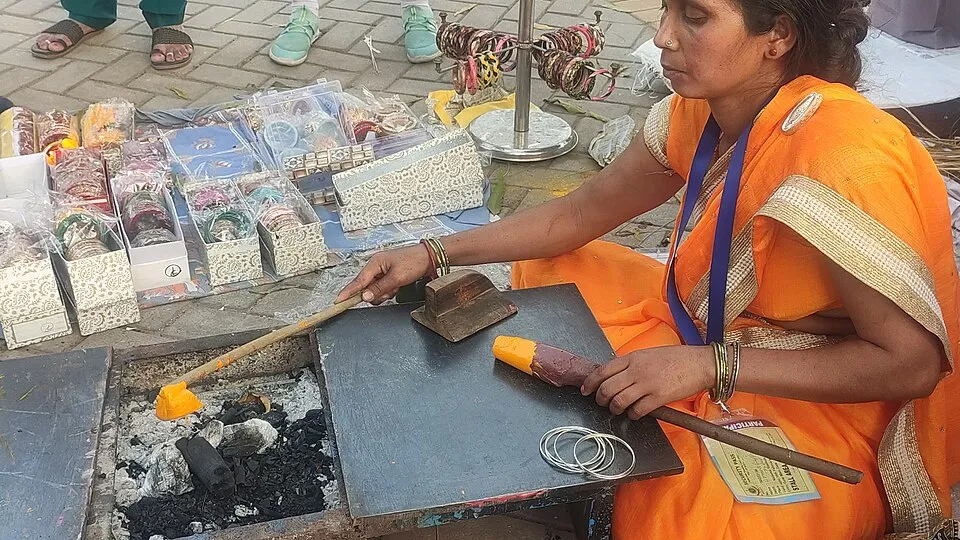
Laccifer lacca, universally recognized as Laksha, is not a plant itself but a vital resinous secretion derived from the female lac insect, Laccifer lacca, belonging to the family Kerriidae within the Coccoidea superfamily. These minute scale insects, typically growing up to 5 mm, are indigenous to the tropical and subtropical regions of Asia, with significant populations thriving across India, Myanmar, Thailand, and other Southeast Asian nations. The insects establish themselves on the bark of various host trees, such as Butea monosperma (Palasha), Ziziphus mauritiana (Ber), Acacia arabica (Babul), Acacia catechu (Khadira), and Ficus religiosa (Peepal), from which they feed on the tree sap. In response to this feeding, the female insects secrete a protective, reddish-brown to dark maroon resin, commonly known as lac. This lac encases the insects, forming a protective shell and accumulating into larger deposits.
The quality and characteristics of the lac resin, including its color and chemical composition, can vary depending on the specific host tree species and environmental factors. Historically, Laksha has held immense cultural and economic importance. For centuries, it has been primarily harvested for the production of shellac, a natural polymer used extensively in varnishes, polishes, adhesives, and as a natural dye for textiles. Beyond its industrial applications, the resin has a profound legacy in traditional medicine systems, particularly Ayurveda. In these ancient healing practices, Laksha is revered for its unique therapeutic properties, with specific emphasis on its role in bone health and tissue repair.
The intricate process of harvesting and purifying this resin has evolved over millennia, becoming an integral part of local economies and traditional craftsmanship. The crude lac, often containing impurities like insect bodies and host plant fragments, undergoes meticulous processing—including crushing, sieving, washing, and melting—to yield the purified medicinal Laksha. Its complex organic composition, including bioactive compounds like laccol, lacciferin, aleuritic acid, and erythrolaccin, underpins its diverse range of reported medicinal benefits, making Laccifer lacca a remarkable example of nature's biochemical ingenuity harnessed for human well-being. Trusted Scientific References Authoritative external sources for Laccifer lacca : Wikipedia — Laccifer lacca Kew POWO (Plants of the World Online) PubMed — peer-reviewed research NCBI Taxonom ...[CURRENT TEXT EXISTS: 2536 chars]
1.1.Laksha — Distinguishing Points
- ✓Natural Insect Resin — Secreted by the female Laccifer lacca insect.
- ✓Primary Host Trees — Found on Butea monosperma, Ziziphus mauritiana, Ficus religiosa, and Acacia species.
- ✓Reddish — Brown Color — Characteristic hue of the raw and purified resin.
- ✓Ayurvedic Cornerstone — A revered ingredient in traditional Indian medicine for centuries.
- ✓Osteogenic Agent — Promotes the formation and repair of bone tissue.
- ✓Haemostatic Action — Effectively stops bleeding, both internal and external.
- ✓Astringent Property — Tightens and constricts tissues, beneficial for wounds and bleeding.
- ✓Cooling Potency (Hima Veerya) — Helps to alleviate burning sensations and inflammation.
- ✓Balances Kapha and Pitta Doshas — According to Ayurvedic principles, it helps restore equilibrium.
- ✓Varnya (Skin Enhancer) — Contributes to improved skin complexion and health.
- ✓Balya (Strength Promoter) — Acts as a tonic to boost overall physical vitality.
- ✓Rich in Organic Compounds — Contains aleuritic acid, erythrolaccin, lacconic acid, and other resinotannols.
- ✓Purified Form for Medicinal Use — Requires careful processing to remove impurities for therapeutic application.
- ✓Versatile Usage — Utilized internally as powder and externally as pastes or oils.
- ✓Traditional Economic Importance — Significant role in lac and shellac industries.
1.2.Laksha — Concise Overview
- ✓Insect-Derived Resin — Laksha is a natural resin secreted by the female lac insect (Laccifer lacca), primarily found in Asia.
- ✓Ayurvedic Significance — Highly valued in traditional Indian medicine for its profound therapeutic properties, especially for bone health.
- ✓Bone Healing & Strengthening — Renowned for promoting fracture healing, improving bone mineral density, and overall skeletal support.
- ✓Haemostatic Properties — Effectively used to control various bleeding disorders due to its astringent action.
- ✓Skin & Wound Care — Benefits skin complexion, aids in wound healing, and addresses certain dermatological conditions.
- ✓Complex Chemical Profile — Contains resins, waxes, dyes, and unique organic acids like aleuritic acid, contributing to its medicinal effects.
- ✓Purification Essential — Requires meticulous processing to remove impurities and ensure medicinal efficacy and safety.
2.Laksha — Botanical Identity
3.Laksha — Key Data
4.Laksha — Botanical Features
5.Laksha — Native Range & Habitat
6.Laksha — Folk Medicine Applications
7.Laksha — Phytochemistry
- ✓Resins — Comprising the major portion (65-80%) of lac, these are complex esters of polyhydroxy fatty acids (e.g., aleuritic acid) and sesquiterpene acids. They contribute significantly to lac's physical properties, acting as natural adhesives and potentially offering anti-inflammatory effects.
- ✓Waxes — Present in varying amounts (6-10%), primarily long-chain esters and free fatty alcohols. Waxes contribute to the lustrous finish of shellac and provide protective barriers.
- ✓Dyes (Lac Dye) — Including erythrolaccin, laccaic acids A, B, C, D, and E, which are anthraquinone derivatives. These compounds are responsible for the characteristic red color of lac and possess antioxidant and potentially antimicrobial activities.
- ✓Aleuritic Acid — A major component of the resin fraction, this saturated hydroxy fatty acid (9,10,16-trihydroxypalmitic acid) is crucial for the polymerization and film-forming properties of shellac. It also serves as a precursor for other lac constituents.
- ✓Lacconic Acid — Another important polyhydroxy carboxylic acid found in the resin, contributing to the complex matrix of lac and its diverse chemical functionalities.
- ✓Lacciferin — A complex organic compound specific to lac resin, believed to contribute to its unique properties and potentially its medicinal actions.
- ✓Laccol — A phenolic compound present in lac, contributing to its chemical profile and possibly its preservative or antioxidant effects.
- ✓Albuminous Matter — Proteinaceous material derived from the insect itself, typically removed during purification but present in crude lac. It contributes to the nutritional aspect for insects and can influence resin properties.
- ✓Mineral Matter — Trace amounts of inorganic substances (ash content) that are residual from the insect's metabolism or environmental uptake. These are minimized during purification.
- ✓Water — Present in varying amounts, especially in freshly secreted or unprocessed lac, influencing its physical consistency.
8.Laksha — Pharmacological Findings
- ✓Promotes Bone Healing — Laksha is highly regarded in Ayurveda for its osteogenic properties, supporting the regeneration and strengthening of bone tissue, making it invaluable in the management of fractures and bone injuries.
- ✓Enhances Bone Mineral Density — Regular use is believed to contribute to improved bone mineral density, which can aid in preventing osteoporosis and promoting overall skeletal robustness.
- ✓Addresses Bleeding Disorders (Raktapitta) — Due to its potent astringent and haemostatic properties, Laksha is traditionally used to control various bleeding disorders, including nasal bleeding, heavy menstrual periods (menorrhagia), and internal hemorrhages.
- ✓Alleviates Burning Sensation — Its cooling (Hima Veerya) property helps to soothe and reduce burning sensations throughout the body, providing relief in inflammatory conditions.
- ✓Improves Skin Complexion (Varnya) — Laksha is known to enhance skin tone and complexion, contributing to a healthy and radiant appearance, and is sometimes used in formulations for dermatological concerns.
- ✓Boosts Physical Strength (Balya) — It acts as a general tonic, improving overall physical stamina and vitality, helping to combat weakness and fatigue.
- ✓Relieves Hiccups (Hikka) — Traditional texts indicate its use in calming persistent hiccups, likely due to its soothing and balancing effects on the body's physiological processes.
- ✓Calms Cough (Kasa) — Laksha is employed in formulations aimed at suppressing coughs, particularly those associated with irritation or inflammation of the respiratory passages.
- ✓Supports Wound Healing (Vrana) — Its astringent nature aids in constricting tissues and promoting faster healing of wounds and injuries by reducing exudation and forming a protective layer.
- ✓Aids in Chest Injury Recovery (Urah Kshata) — It is traditionally administered to support recovery from chest trauma, helping to heal internal injuries and reduce associated pain and inflammation.
- ✓Manages Herpes (Visarpa) — Laksha has been traditionally applied or consumed to alleviate symptoms of herpes and similar eruptive skin conditions, potentially due to its anti-inflammatory and antiseptic qualities.
- ✓Combats Worm Infestation (Krimi) — In traditional medicine, it is used as an anthelmintic agent to help expel parasitic worms from the digestive tract.
- ✓Addresses Skin Diseases (Kusta) — Its purifying and healing properties make it useful in managing various skin ailments, promoting epidermal health and reducing inflammation.
- ✓Treats Melasma (Vyanga) — The lac dye (alaktha) derived from Laksha is specifically mentioned for its efficacy in treating melasma and other hyperpigmentation issues, improving skin evenness.
- ✓Heals Dental Caries — Applied topically, particularly when mixed with honey, Laksha is traditionally used to treat dental caries and reduce tooth sensitivity.
- ✓Mitigates Fevers (Jwara) — It is utilized in managing different types of fevers, including recurrent fevers (Vishama Jwara) and those linked to psychological disturbances (Bhuta Jwara Nashini).
- ✓Detoxifies Poisoning (Visha) — Laksha is included in some traditional formulations aimed at neutralizing certain toxins and supporting the body's detoxification processes, though this requires expert guidance.
8.1.Laksha — Indications & Uses
9.Laksha — Safety Considerations
9.1.Laksha — Side Effects & Warnings
- ✓Potential Contraceptive Action — Laksha is traditionally considered to have mild contraceptive properties, making it advisable for women trying to conceive to avoid its consumption.
- ✓Stomach Irritation — Excessive oral intake of Laksha, beyond the prescribed dose, may lead to irritation of the stomach lining, causing discomfort or digestive upset.
- ✓Allergic Reactions (External) — Individuals with sensitive skin may experience allergic reactions, such as rashes, itching, or redness, upon topical application of Laksha or its preparations.
- ✓Constipation — Due to its astringent nature, high doses or prolonged use of Laksha might lead to or exacerbate constipation in some individuals.
- ✓Interaction with Medications — While generally safe, Laksha may potentially interact with certain allopathic medications, requiring consultation with a healthcare professional.
- ✓Dosha Imbalance — In rare cases, inappropriate use or excessive dosage could potentially disturb the body's delicate Dosha balance, particularly if not aligned with individual constitution.
9.2.Laksha — Safety Overview
- ✓Pregnancy and Conception — Avoid use during pregnancy or if actively trying to conceive, due to its traditional association with contraceptive effects.
- ✓Adherence to Dosage — Always follow the prescribed dosage (typically 1-3 grams) to prevent potential side effects like stomach irritation.
- ✓Patch Test for External Use — Before widespread topical application, perform a patch test on a small skin area to check for any allergic reactions.
- ✓Consultation with Healthcare Professional — It is highly recommended to consult a qualified Ayurvedic practitioner or doctor before starting any Laksha regimen, especially for chronic conditions or if on other medications.
- ✓Interactions with Modern Medicine — Seek a doctor's advice if taking Laksha alongside western (allopathic) medicines, as some Ayurvedic herbs can interact.
- ✓Use with Supplements — Generally compatible with most dietary supplements like multivitamins or Omega-3, but consult a doctor if taking multiple products daily.
- ✓Purification is Crucial — Ensure that any Laksha used medicinally has undergone proper purification processes to remove impurities and enhance safety and efficacy.
- ✓Storage Guidelines — Store Laksha in a cool, dry place, away from direct sunlight and moisture, to maintain its stability and potency.
10.Laksha — Usage Guide
- ✓Oral Administration (Powder) — Purified Laksha powder is typically consumed in doses ranging from 1 to 3 grams, often mixed with specific adjuvants to enhance its efficacy and palatability.
- ✓Adjuvant with Milk — For promoting bone strength and healing, Laksha powder is commonly taken with warm milk, which is believed to aid in its absorption and enhance its osteogenic effects.
- ✓Adjuvant with Honey — When used for conditions like dental caries or certain skin issues, Laksha powder can be mixed with honey, forming a paste for both internal and external applications.
- ✓Adjuvant with Ghee — In some Ayurvedic formulations, Laksha is combined with ghee (clarified butter) to balance its properties and facilitate its action, particularly for internal consumption.
- ✓External Application (Paste) — For skin ailments, wounds, or dental caries, Laksha powder can be prepared into a paste with water, honey, or other suitable liquids and applied directly to the affected area.
- ✓In Lakshadi Guggulu — Laksha is a key ingredient in the renowned Ayurvedic formulation Lakshadi Guggulu, a tablet form medicine specifically indicated for fracture healing and other bone-related disorders.
- ✓As Lakshadi Oil — For external relief of body aches, muscle pain, and joint discomfort, Lakshadi Oil, containing Laksha, is massaged onto the affected areas.
- ✓In Chandanabala Lakshadi Taila — This medicated oil, containing Laksha, is used both externally and internally to alleviate burning sensation, blisters, itching, headaches, and bleeding disorders.
- ✓For Menorrhagia — In cases of heavy menstrual bleeding, Laksha powder is traditionally administered orally with milk to help regulate the flow due to its haemostatic properties.
- ✓For Bone Strengthening — To accelerate fracture healing and strengthen bones, Laksha is often administered in combination with Guggulu, Triphala, and milk, as per Ayurvedic recommendations.
11.Laksha — Garden Cultivation
- ✓Host Tree Selection — Lac insects are cultivated on specific host trees such as Palasha (Butea monosperma), Ber (Ziziphus mauritiana), Babul (Acacia arabica), Khadira (Acacia catechu), and Peepal (Ficus religiosa), with Peepal-derived lac often considered superior.
- ✓Brood Lac Inoculation — Branches of selected host trees are inoculated with 'brood lac,' which are twigs encrusted with female lac insects ready to lay eggs.
- ✓Insect Feeding & Secretion — The lac insects feed on the sap of the host tree, and the female insects secrete a resinous substance that forms a protective coating around their bodies.
- ✓Resin Formation — Over several months, this secretion accumulates, forming thick encrustations on the branches, which is the crude lac.
- ✓Harvesting Crude Lac — Once the lac encrustations are sufficiently mature and the insects have completed their life cycle, the lac-bearing twigs are cut from the host trees.
- ✓Initial Cleaning — The harvested crude lac is then broken into smaller pieces to remove larger impurities such as bark, twigs, and dead insect bodies.
- ✓Crushing and Sieving — The broken lac is crushed into granules or powder and sieved to further separate finer impurities.
- ✓Washing and Purification — The sieved lac is washed thoroughly with water to remove water-soluble impurities and insect debris, often involving repeated cycles of washing.
- ✓Melting and Filtering — For medicinal use, the purified lac is typically melted, often over a gentle flame or in hot water, allowing impurities to float or sink. The molten lac is then filtered to achieve a higher degree of purity.
- ✓Drying and Solidification — The filtered molten lac is collected, allowed to cool and solidify into flakes or cakes, which are then dried for storage and medicinal application.
Reviewed by the Flora Medical Global Botanical Review Panel
Multi-disciplinary editorial group · Botany · Ethnobotany · Herbal-medicine literature
Who reviewed this: This page was checked by the Flora Medical Global Botanical Review Panel — an in-house editorial group of botany graduates, ethnobotany researchers, and horticulture practitioners who collectively maintain our 7,000+ plant encyclopedia. Meet the team.
Our 4-step verification process
1. Taxonomic verification
Scientific names and synonyms cross-checked against Kew POWO, World Flora Online, and The Plant List.
2. Phytochemical & medicinal cross-reference
Active compounds, traditional uses, and reported activities are cross-referenced with PubMed, USDA Dr. Duke's database, and peer-reviewed ethnobotanical literature.
3. Conservation & distribution check
Distribution, ecology, and conservation status confirmed against GBIF occurrence records and the IUCN Red List.
4. Editorial & safety review
Every entry passes an editorial pass for clarity, originality, and safety notices (toxicity, contraindications, dosage caveats) before publication.
Last reviewed:
Important medical disclaimer: This content is for educational and research purposes only. It is not medical advice and is not a substitute for consultation with a licensed healthcare provider. Do not use any herb to self-treat a medical condition without professional guidance.
Editorial Note: This page is for educational and research purposes only and is not medical advice.
Written by: Flora Medical Global Editorial Team
Reviewed by: Flora Medical Global Botanical Review Panel
Last Updated: June 16, 2026





Laksha — Comments & Community Reviews
Rate this plant