
Medical Disclaimer: This content is for educational purposes only. It is not medical advice. Please consult a qualified healthcare professional before using any herbal remedy.
Safety Overview
1.Lavanga — Botanical Snapshot
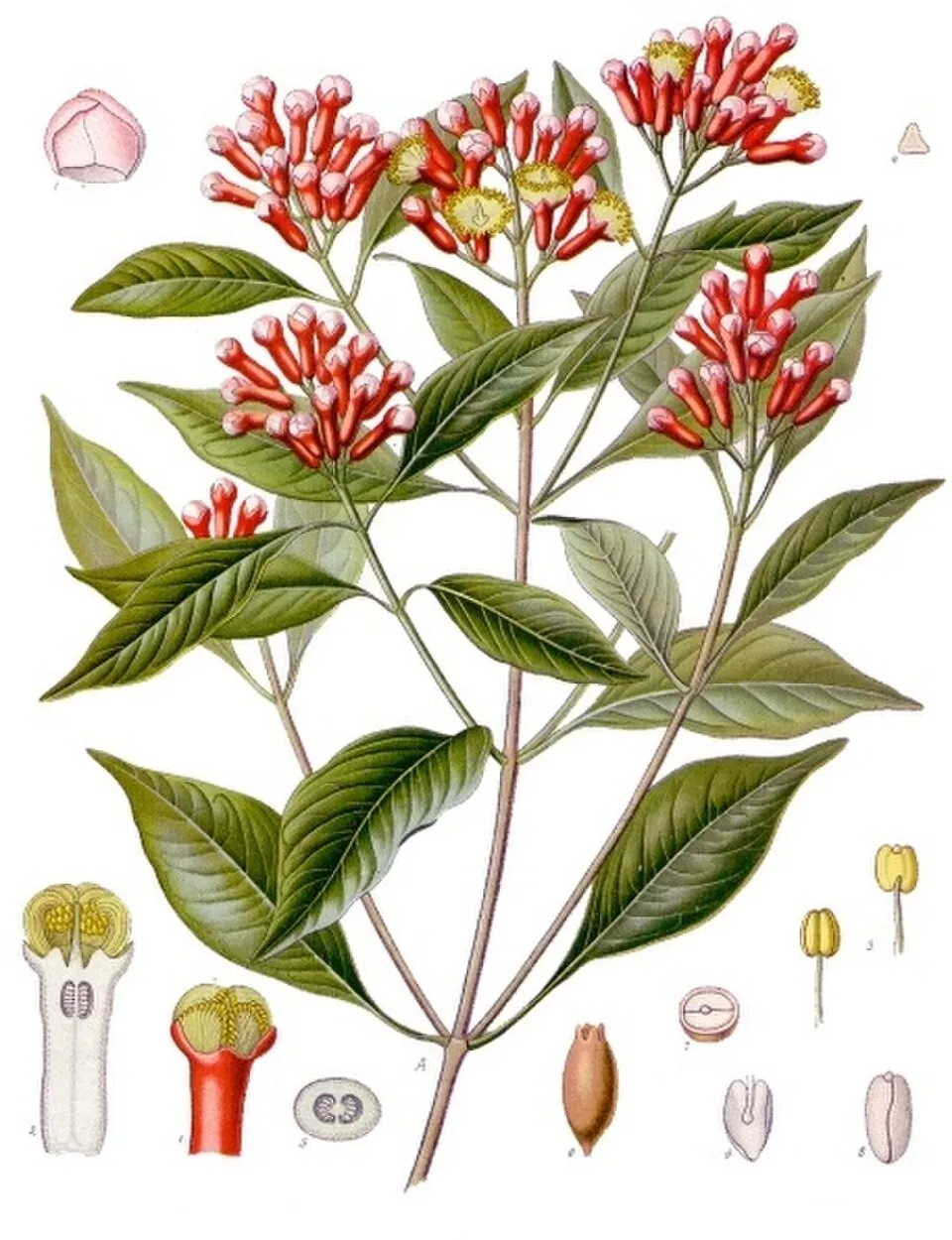
Lavanga, commonly known as Clove and scientifically classified as Syzygium aromaticum var., is a majestic perennial tree belonging to the extensive Myrtaceae family. Typically reaching heights of 10 to 20 meters, this evergreen species is characterized by its robust trunk and dense canopy.
Its leaves are distinctively opposite, glossy, and elliptical to ovate in shape, measuring between 7-12 cm in length and 3-6 cm in width, often exhibiting slightly wavy margins. The bark, initially smooth and light brown, gradually develops a darker, fissured texture as the tree matures.
The most prized part of Lavanga is its aromatic flower buds, which are meticulously harvested before they fully bloom. These buds, resembling small nails, typically measure 1.2-2.5 cm and undergo a transformative reddish-brown coloration upon drying.
They are a concentrated reservoir of potent essential oils, with eugenol being the predominant constituent responsible for Clove's characteristic pungent aroma and profound medicinal efficacy. After flowering, the tree produces small, berry-like fruits, usually 1-2 cm in diameter, which transition from green to a vibrant crimson hue as they ripen.
Syzygium aromaticum thrives in humid, tropical climates, preferring well-drained, loamy soils. Its native origins trace back to the Maluku islands of East Indonesia, but its cultivation has expanded globally to key producing regions such as Madagascar, Sri Lanka, India, Malaysia, and Tanzania, particularly Zanzibar island.
In Brazil, cultivation is significant in the northeast region, notably in the state of Bahia. Genetically, Clove shares close kinship with other species within the Syzygium genus, which encompasses various fruit-bearing and ornamental plants, underscoring its botanical significance within the Myrtaceae family.
Trusted Scientific References
1. Authoritative external sources for Syzygium aromaticum var
1.1 Wikipedia — Syzygium aromaticum var
1.2 Kew POWO (Plants of the World Online)
1.3 PubMed — peer-reviewed research
1.4 NCBI Taxonomy Browser
1.5 GBIF — Global Biodiversity
1.1.Lavanga — Notable Characteristics
- ✓Aromatic Flower Buds — The primary source of its distinctive flavor and medicinal compounds.
- ✓High Eugenol Content — Over 80% of its essential oil is eugenol, driving most therapeutic actions.
- ✓Potent Antioxidant — Rich in phenolic compounds, protecting cells from oxidative stress.
- ✓Broad — Spectrum Antimicrobial — Effective against bacteria, fungi, and viruses.
- ✓Natural Analgesic — Provides effective pain relief, especially for dental discomfort.
- ✓Anti — inflammatory Agent — Helps reduce swelling and alleviate inflammatory conditions.
- ✓Traditional Digestive Aid — Used to warm the interior and soothe gastrointestinal upset.
- ✓Versatile Culinary Spice — A staple in global cuisines for its warm, pungent flavor.
- ✓Larvicidal Potential — Emerging research highlights its role in natural pest control.
- ✓Global Tropical Cultivation — Thrives in humid climates across Indonesia, Africa, and South Asia.
1.2.Lavanga — Quick Summary
- ✓Lavanga (Clove) is a potent spice and medicinal plant from the Myrtaceae family, renowned for its aromatic flower buds.
- ✓It is exceptionally rich in eugenol, a compound offering significant analgesic, anti-inflammatory, and antimicrobial benefits.
- ✓Historically used in traditional medicine systems like Ayurveda and TCM for digestive issues, pain relief, and respiratory support.
- ✓A powerful antioxidant, it protects against cellular damage and contributes to overall health.
- ✓While highly beneficial, its essential oil requires careful dilution and cautious use, especially in sensitive populations.
- ✓Cultivated globally in tropical regions, it remains a vital component in culinary and therapeutic applications.
2.Lavanga — Scientific Identity
3.Lavanga — Key Data
4.Lavanga — Physical Description
5.Lavanga — Ecological Habitat
6.Lavanga — Heritage Uses
7.Lavanga — Chemical Profile
- ✓Essential Oils — The dried flower buds of Lavanga are exceptionally rich in essential oils, comprising up to 18% of their weight, predominantly eugenol (80-90%), which is responsible for most of its medicinal properties.
- ✓Eugenol — A phenylpropanoid, it is the main bioactive compound (80-90% of essential oil), known for its potent analgesic, anti-inflammatory, antioxidant, and broad-spectrum antimicrobial effects.
- ✓Eugenol Acetate — An ester derivative of eugenol, found in concentrations of 5-15% in the essential oil, contributing to the aroma and potentially synergistic therapeutic actions.
- ✓Beta-Caryophyllene — A sesquiterpene hydrocarbon present in the essential oil (5-10%), recognized for its anti-inflammatory and aromatic qualities.
- ✓Alpha-Humulene — Another sesquiterpene, found in smaller concentrations (up to 2.1%) in the essential oil, also possessing anti-inflammatory properties.
- ✓Phenolic Acids — Lavanga contains significant amounts of various phenolic acids, including gallic acid (up to 783.5 mg/100g fresh weight), caffeic acid, ferulic acid, ellagic acid, and salicylic acid, all contributing to its antioxidant profile.
- ✓Hydrolyzable Tannins — These complex phenolic compounds, derivatives of gallic acid, are present in high concentrations (up to 2375.8 mg/100g) and contribute to the plant's astringent and antioxidant activities.
- ✓Flavonoids — Compounds such as kaempferol and quercetin, along with their glycosylated derivatives, are found in lower concentrations but contribute to the overall antioxidant and anti-inflammatory effects of Clove.
- ✓Other Volatile Compounds — Minor constituents in the essential oil include beta-pinene, limonene, farnesol, benzaldehyde, 2-heptanone, and ethyl hexanoate, which contribute to the complex aroma and subtle biological activities.
8.Lavanga — Pharmacological Findings
- ✓Analgesic Properties — Eugenol, the primary active compound in Lavanga, acts as a potent local anesthetic, effectively relieving pain, particularly toothache and other dental ailments by numbing nerve endings.
- ✓Anti-inflammatory Effects — Clove compounds, especially eugenol, help modulate inflammatory pathways, reducing swelling and discomfort associated with various conditions, including oral and respiratory inflammation.
- ✓Gastrointestinal Comfort — In Traditional Chinese Medicine and Ayurveda, Lavanga is used to warm the digestive system, alleviating symptoms such as nausea, vomiting, indigestion, and bloating by promoting digestive enzyme activity.
- ✓Broad-spectrum Antimicrobial — The essential oil of Clove exhibits significant antibacterial, antifungal, and antiviral activities, making it effective against a range of pathogens, supporting respiratory health and preventing infections.
- ✓Antioxidant Powerhouse — Rich in phenolic compounds like eugenol and gallic acid, Lavanga possesses superior antioxidant capacity, protecting cells from oxidative damage caused by free radicals and supporting overall cellular health.
- ✓Respiratory Health Support — Its anti-inflammatory and antiseptic qualities soothe inflamed mucous membranes in the throat and respiratory tract, providing relief from coughs, bronchitis, and sore throats.
- ✓Wound Healing Accelerator — Topical application of diluted Clove preparations can aid in preventing infection and promoting the healing of minor cuts, scrapes, and skin irritations due to its antiseptic properties.
- ✓Anticarcinogenic Potential — Preliminary research suggests that certain compounds in Clove may exhibit anticarcinogenic activities by inhibiting tumor growth and inducing apoptosis in cancer cells, warranting further investigation.
- ✓Larvicidal Agent — Studies highlight Clove's potential as a natural larvicidal agent, particularly against mosquito larvae responsible for transmitting diseases like dengue, offering an eco-friendly pest control option.
- ✓Natural Food Preservative — Historically and presently, Clove's potent antimicrobial and antioxidant properties are utilized to preserve foods, inhibiting microbial spoilage and oxidative rancidity, extending shelf life.
8.1.Lavanga — Therapeutic Indications
9.Lavanga — Cautions & Contraindications
9.1.Lavanga — Possible Adverse Reactions
- ✓Skin and Mucosal Irritation — Undiluted clove essential oil can cause severe irritation, burning sensations, or allergic contact dermatitis when applied directly to skin or mucous membranes.
- ✓Oral Tissue Damage — Direct application of undiluted clove oil in the mouth can lead to tissue necrosis, gum inflammation, and damage to dental pulp, highlighting the need for proper dilution.
- ✓Increased Bleeding Risk — Eugenol possesses antiplatelet properties, which may increase the risk of bleeding, especially in individuals with bleeding disorders or those taking anticoagulant medications.
- ✓Hypoglycemia — In high doses, Clove may lower blood sugar levels, posing a risk of hypoglycemia for individuals with diabetes or those on blood sugar-lowering medications.
- ✓Liver Toxicity — Ingesting very large quantities of clove essential oil, particularly in children, can lead to severe liver damage, seizures, and central nervous system depression.
- ✓Gastrointestinal Upset — Oral consumption of excessive amounts of Clove, especially the essential oil, can cause gastrointestinal discomfort, including nausea, vomiting, and diarrhea.
- ✓Allergic Reactions — Sensitive individuals may experience allergic reactions to Clove, manifesting as skin rashes, itching, or respiratory symptoms like asthma.
9.2.Lavanga — Safety Profile
- ✓Dilution is Key — Always dilute clove essential oil significantly before any topical application or internal use to prevent severe irritation and toxicity.
- ✓Consult Healthcare Professional — Individuals with pre-existing medical conditions, especially bleeding disorders, diabetes, or liver disease, should consult a doctor before using clove medicinally.
- ✓Pregnancy and Lactation — Pregnant or breastfeeding women should exercise caution and seek medical advice before using clove, particularly its essential oil, due to insufficient safety data.
- ✓Pediatric Use — Clove essential oil is generally not recommended for infants and young children, as even small doses can be highly toxic and lead to serious adverse effects.
- ✓Avoid with Anticoagulants — Due to its antiplatelet effects, clove should be avoided by individuals on blood-thinning medications or those scheduled for surgery.
- ✓Monitor Blood Sugar — Diabetics using clove regularly should monitor their blood glucose levels closely due to its potential hypoglycemic effects.
- ✓Patch Test — Before applying clove oil topically, perform a patch test on a small area of skin to check for allergic reactions or sensitivities.
10.Lavanga — Usage Guide
- ✓Whole Dried Buds — Commonly used as a culinary spice in various cuisines, whole cloves can be added to dishes, beverages, and baked goods for their distinct flavor and aromatic properties.
- ✓Clove Essential Oil — Extracted through steam distillation, the essential oil is often diluted and used topically for localized pain relief, particularly for toothaches, or as an ingredient in dental products and liniments.
- ✓Powdered Clove — Dried buds are ground into a fine powder, which can be incorporated into spice blends, herbal capsules, or applied as a paste for external remedies in traditional medicine.
- ✓Infusions and Decoctions — A tea can be prepared by steeping whole or crushed cloves in hot water (infusion) or simmering them (decoction) to extract water-soluble compounds, used for digestive and respiratory complaints.
- ✓Tinctures — Alcoholic extracts of Clove are prepared by soaking the buds in alcohol, creating a concentrated liquid that can be taken internally in small, diluted doses or applied externally.
- ✓Oral Rinses and Gargles — Diluted Clove preparations or essential oil can be used as an antiseptic mouthwash or gargle to alleviate sore throats, bad breath, and minor gum irritations.
- ✓Topical Applications — Clove oil, always properly diluted, can be incorporated into massage oils or balms for muscle pain, or applied as a poultice with powdered clove for skin infections.
- ✓Aromatherapy and Inhalation — The essential oil can be diffused into the air or inhaled directly from a steam bath to support respiratory health and provide a warming, stimulating aroma.
11.Lavanga — How to Grow
- ✓Climate Preference — Lavanga thrives in hot, humid tropical climates, ideally in coastal regions or at altitudes no higher than 200 meters above sea level, requiring consistent warmth and moisture.
- ✓Soil Requirements — It necessitates well-drained, fertile, loamy soils rich in organic matter, with a slightly acidic to neutral pH for optimal growth and bud production.
- ✓Propagation — Primarily propagated from seeds, which are sown directly or in nurseries, requiring careful management during the germination and seedling stages.
- ✓Maturation Period — The Clove tree typically begins to produce flower buds suitable for commercial harvesting approximately four years after plantation, reaching full productivity around 10-15 years.
- ✓Harvesting Process — Flower buds are collected manually or, in some modern practices, with chemically-mediated methods using phytohormones to induce precocious maturation, always before they open.
- ✓Water and Nutrients — Requires abundant rainfall or irrigation, especially during dry spells, and benefits from regular fertilization to support its robust growth and high yield of aromatic buds.
- ✓Pest and Disease Management — While relatively hardy, vigilance is required against common tropical pests and fungal diseases, with integrated pest management strategies often employed to protect crops.
Reviewed by the Flora Medical Global Botanical Review Panel
Multi-disciplinary editorial group · Botany · Ethnobotany · Herbal-medicine literature
Who reviewed this: This page was checked by the Flora Medical Global Botanical Review Panel — an in-house editorial group of botany graduates, ethnobotany researchers, and horticulture practitioners who collectively maintain our 7,000+ plant encyclopedia. Meet the team.
Our 4-step verification process
1. Taxonomic verification
Scientific names and synonyms cross-checked against Kew POWO, World Flora Online, and The Plant List.
2. Phytochemical & medicinal cross-reference
Active compounds, traditional uses, and reported activities are cross-referenced with PubMed, USDA Dr. Duke's database, and peer-reviewed ethnobotanical literature.
3. Conservation & distribution check
Distribution, ecology, and conservation status confirmed against GBIF occurrence records and the IUCN Red List.
4. Editorial & safety review
Every entry passes an editorial pass for clarity, originality, and safety notices (toxicity, contraindications, dosage caveats) before publication.
Last reviewed:
Important medical disclaimer: This content is for educational and research purposes only. It is not medical advice and is not a substitute for consultation with a licensed healthcare provider. Do not use any herb to self-treat a medical condition without professional guidance.
Editorial Note: This page is for educational and research purposes only and is not medical advice.
Written by: Flora Medical Global Editorial Team
Reviewed by: Flora Medical Global Botanical Review Panel
Last Updated: June 16, 2026





Lavanga — Comments & Community Reviews
Rate this plant