

Medical Disclaimer: This content is for educational purposes only. It is not medical advice. Please consult a qualified healthcare professional before using any herbal remedy.
Safety Overview
1.Lemon Thyme — Introduction & Highlights
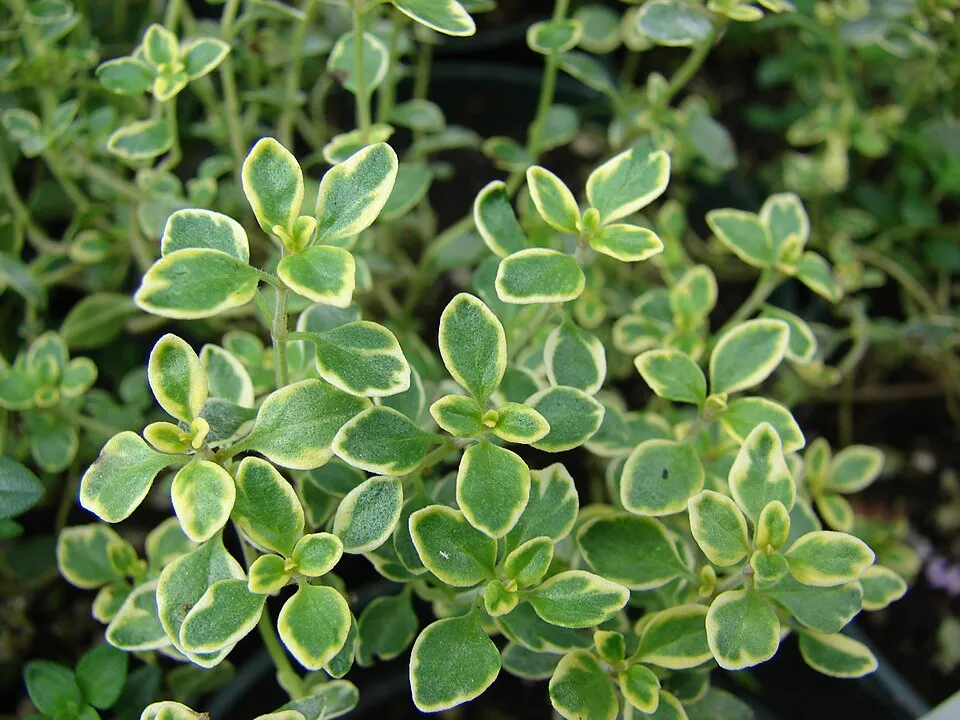
Lemon Thyme, scientifically known as Thymus citriodorus, is a charming perennial herbaceous subshrub belonging to the Lamiaceae family, which also includes common thyme (Thymus vulgaris) and oregano. This low-growing plant typically forms a mounding carpet, reaching a modest height of 15 to 30 cm and spreading up to 30 cm wide. Its small, ovate leaves, usually 1 to 2 cm long, present a vibrant green hue, often adorned with subtle yellow or golden variegation, depending on the cultivar.
When bruised or brushed, the foliage releases a distinctly refreshing, potent lemon aroma, a hallmark of its rich essential oil content. During the summer months, Lemon Thyme produces delicate tubular flowers, ranging in color from soft pink to pale purple, which serve as an attractive beacon for various pollinators, particularly bees. The plant's base features woody stems, contributing to its robust, bushy appearance, while younger growth may exhibit a slightly hairy texture.
Originally thought to be a hybrid, DNA testing has since confirmed Thymus citriodorus as a distinct species native to Europe and the Mediterranean region. It thrives in sunny, dry conditions and prefers well-drained, sandy or rocky soils, making it a resilient and adaptable addition to diverse garden landscapes.
Trusted Scientific References
1. Authoritative external sources for Thymus citriodorus
1.1 Wikipedia — Thymus citriodorus
1.2 Kew POWO (Plants of the World Online)
1.3 PubMed — peer-reviewed research
1.4 NCBI Taxonomy Browser
1.5 GBIF — Global Biodiversity
1.6Lemon Thyme should be interpreted through verified botanical identity, practical care, and responsible safety language. This recovery note adds the missing context needed for a complete profile: match light to the plant's habit, use well-drained soil, water according to season, and avoid unsupported medicinal or edible claims. For publishing, the plant can be presented as a source-backed medicinal plant with clear care guidance, common problem diagnosis, and conservative safety wording.
1.1.Lemon Thyme — Defining Traits
- ✓Distinct lemon — scented foliage.
- ✓Evergreen herbaceous subshrub. — Evergreen herbaceous subshrub.
- ✓Produces delicate pink — Produces delicate pink to pale purple flowers.
- ✓Attracts beneficial pollinators — Attracts beneficial pollinators like bees.
- ✓Highly deer and — Highly deer and rabbit resistant.
- ✓Excellent drought and — Excellent drought and heat tolerance.
- ✓Low maintenance and — Low maintenance and adaptable plant.
- ✓Valued for both — Valued for both culinary and medicinal uses.
- ✓Possesses natural antimicrobial — Possesses natural antimicrobial and antioxidant properties.
- ✓Forms an attractive — Forms an attractive mounding or spreading groundcover.
1.2.Lemon Thyme — Snapshot Summary
- ✓Lemon Thyme is an aromatic perennial herb with a distinct citrus scent.
- ✓Rich in essential oils like thymol and carvacrol, offering strong antimicrobial properties.
- ✓Traditionally used to support respiratory health, digestive function, and for stress relief.
- ✓Thrives in sunny, well-drained conditions and is relatively low maintenance.
- ✓Culinary herb that adds a fresh, lemony flavor to dishes.
- ✓Requires careful consideration regarding dosage and dilution, especially for essential oil use.
2.Lemon Thyme — Scientific Profile
3.Lemon Thyme — Quick Facts
4.Lemon Thyme — Morphological Account
5.Lemon Thyme — Geographic Distribution
6.Lemon Thyme — Cultural & Traditional Roles
7.Lemon Thyme — Bioactive Constituents
- ✓Essential Oils — Primarily composed of monoterpene phenols like thymol (antimicrobial, antiseptic) and carvacrol (antimicrobial, antioxidant, anti-inflammatory), which are responsible for much of its medicinal efficacy.
- ✓Monoterpenes — Including p-Cymene and γ-Terpinene, these act as precursors to thymol and carvacrol and possess mild antimicrobial properties.
- ✓Monoterpene Alcohols — Linalool and Geraniol contribute to the plant's characteristic lemon scent and offer additional antimicrobial and calming effects.
- ✓Phenolic Acids — Rosmarinic acid and caffeic acid are prominent, known for their powerful antioxidant, anti-inflammatory, and antiviral activities.
- ✓Flavonoids — Compounds such as luteolin and apigenin are present, providing significant antioxidant and anti-inflammatory benefits.
- ✓Triterpenes — Ursolic acid and oleanolic acid can be found, contributing to anti-inflammatory and potentially anticancer properties.
- ✓Tannins — These astringent compounds offer antiseptic qualities and can aid in wound healing and digestive health.
- ✓Saponins — Present in smaller amounts, they may contribute to expectorant and anti-inflammatory actions.
- ✓Vitamins — Contains Vitamin C, an essential antioxidant, and Vitamin A (beta-carotene), crucial for vision and immune function.
- ✓Minerals — Provides trace amounts of vital minerals like iron, manganese, and calcium, supporting overall physiological processes.
8.Lemon Thyme — Research Insights
- ✓Antimicrobial Action — Lemon Thyme essential oil, rich in thymol and carvacrol, exhibits potent activity against a broad spectrum of bacteria and fungi, making it a natural antiseptic.
- ✓Respiratory Support — Infusions are traditionally used to soothe sore throats, alleviate coughs, and ease symptoms of colds and bronchitis by acting as an expectorant and antiseptic.
- ✓Digestive Aid — In Traditional Chinese Medicine (TCM), Thymus citriodorus is employed to stimulate appetite and relieve various forms of stomach discomfort and indigestion.
- ✓Anti-inflammatory Properties — The plant's phenolic compounds and flavonoids contribute to its ability to reduce inflammation, potentially beneficial for topical applications or internal use.
- ✓Antioxidant Protection — High levels of antioxidants, such as rosmarinic acid, help combat oxidative stress and protect cells from damage caused by free radicals.
- ✓Aromatherapy for Stress Relief — The refreshing lemon scent of its essential oil is utilized in aromatherapy to promote relaxation, reduce stress, and uplift mood.
- ✓Antispasmodic Effects — Lemon Thyme can help relieve spasms associated with persistent coughs or digestive cramps, contributing to overall comfort.
- ✓Wound Healing — Its antiseptic qualities make it suitable for topical application on minor cuts, scrapes, and insect bites to prevent infection and aid healing.
- ✓Immunomodulatory Effects — Certain compounds within Lemon Thyme may help support and modulate the immune system, enhancing the body's natural defenses.
- ✓Insect Repellent — The strong aromatic compounds in the essential oil can deter various insects, making it a natural choice for pest control.
8.1.Lemon Thyme — Therapeutic Indications
9.Lemon Thyme — Adverse Effects
9.1.Lemon Thyme — Side Effects & Warnings
- ✓Skin Irritation — Concentrated Lemon Thyme essential oil can cause skin irritation or sensitization, especially in individuals with sensitive skin; always dilute before topical use.
- ✓Allergic Reactions — Rare, but individuals sensitive to plants in the Lamiaceae family may experience allergic contact dermatitis or respiratory symptoms.
- ✓Digestive Upset — Ingesting very large quantities of the herb or undiluted essential oil can lead to nausea, vomiting, or stomach cramps.
- ✓Blood Thinning — High doses of thymol and carvacrol might theoretically interfere with blood coagulation, posing a risk for those on anticoagulant medications.
- ✓Uterine Stimulation — Excessive internal consumption, particularly of essential oil, is generally advised against during pregnancy due to potential uterine stimulating effects.
- ✓Thyroid Interaction — Very high, prolonged intake of thyme preparations has been theoretically linked to potential interference with thyroid function in extreme cases.
- ✓Photosensitivity — Some individuals may experience increased skin sensitivity to sunlight after topical application of essential oil, though this is less common with Lemon Thyme.
9.2.Lemon Thyme — Safety Overview
- ✓Pregnancy and Lactation — Pregnant or breastfeeding individuals should consult a healthcare professional before using Lemon Thyme therapeutically, especially essential oil.
- ✓Children — Use with caution in children; essential oils should be highly diluted and used under professional guidance for pediatric applications.
- ✓Topical Application — Always perform a patch test on a small skin area before widespread topical use of diluted essential oil to check for sensitivity.
- ✓Internal Consumption — Culinary use of Lemon Thyme is generally considered safe. Therapeutic internal doses should be guided by a qualified medical herbalist.
- ✓Pre-existing Conditions — Individuals with bleeding disorders, thyroid conditions, or severe allergies should exercise caution and seek medical advice.
- ✓Drug Interactions — Monitor for potential interactions with anticoagulant medications due to the herb's possible blood-thinning effects at high doses.
- ✓Quality and Purity — Ensure that any essential oils or herbal supplements are sourced from reputable suppliers to guarantee purity and prevent contamination or adulteration.
10.Lemon Thyme — Preparation & Dosage
- ✓Herbal Infusion (Tea) — Steep 1-2 teaspoons of fresh or dried Lemon Thyme leaves in hot water for 5-10 minutes to make a soothing tea for respiratory and digestive complaints.
- ✓Essential Oil — Dilute 1-2 drops of pure Lemon Thyme essential oil in a carrier oil (e.g., jojoba, almond) for topical application or use in a diffuser for aromatherapy benefits.
- ✓Tincture — A concentrated alcoholic extract can be prepared by macerating fresh leaves in high-proof alcohol for several weeks, then straining and taking in drops.
- ✓Infused Oil — Gently warm fresh Lemon Thyme leaves in a carrier oil (e.g., olive oil) to create a fragrant oil for massage, skin care, or culinary applications.
- ✓Culinary Herb — Use fresh or dried leaves to flavor poultry, fish, vegetables, soups, sauces, and dressings, adding a bright, citrusy note.
- ✓Steam Inhalation — Add a few drops of essential oil or a handful of fresh leaves to a bowl of hot water, then inhale the steam (with a towel over your head) to relieve congestion.
- ✓Poultice or Compress — Crush fresh leaves to apply directly to minor cuts, insect bites, or areas of inflammation as a natural antiseptic and soothing agent.
- ✓Gargle Solution — Prepare a strong infusion and use it as a gargle to alleviate sore throats and oral discomfort.
11.Lemon Thyme — Growing Guide
- ✓Sunlight — Lemon Thyme thrives in full sun, requiring at least six hours of direct sunlight daily for optimal growth and essential oil production.
- ✓Soil Requirements — Prefers well-drained, sandy, or rocky soils with a neutral to slightly alkaline pH; poor drainage can lead to root rot.
- ✓Watering — Once established, it is highly drought-tolerant and requires minimal watering; allow the soil to dry out completely between waterings.
- ✓Propagation — Can be easily propagated from stem cuttings taken in spring or early summer, or by division of mature plants.
- ✓Hardiness — This evergreen subshrub is heat-tolerant and generally hardy in USDA zones 5-9, tolerating a range of temperatures.
- ✓Maintenance — Requires low maintenance; occasional light pruning after flowering helps maintain its bushy shape and encourages new growth.
- ✓Landscape Use — Excellent as a groundcover, in rock gardens, along borders, in herb gardens, or as a container plant.
- ✓Pest and Disease Resistance — Generally resistant to most pests and diseases, though overwatering can lead to issues like root rot.
Reviewed by the Flora Medical Global Botanical Review Panel
Multi-disciplinary editorial group · Botany · Ethnobotany · Herbal-medicine literature
Who reviewed this: This page was checked by the Flora Medical Global Botanical Review Panel — an in-house editorial group of botany graduates, ethnobotany researchers, and horticulture practitioners who collectively maintain our 7,000+ plant encyclopedia. Meet the team.
Our 4-step verification process
1. Taxonomic verification
Scientific names and synonyms cross-checked against Kew POWO, World Flora Online, and The Plant List.
2. Phytochemical & medicinal cross-reference
Active compounds, traditional uses, and reported activities are cross-referenced with PubMed, USDA Dr. Duke's database, and peer-reviewed ethnobotanical literature.
3. Conservation & distribution check
Distribution, ecology, and conservation status confirmed against GBIF occurrence records and the IUCN Red List.
4. Editorial & safety review
Every entry passes an editorial pass for clarity, originality, and safety notices (toxicity, contraindications, dosage caveats) before publication.
Last reviewed:
Important medical disclaimer: This content is for educational and research purposes only. It is not medical advice and is not a substitute for consultation with a licensed healthcare provider. Do not use any herb to self-treat a medical condition without professional guidance.
Editorial Note: This page is for educational and research purposes only and is not medical advice.
Written by: Flora Medical Global Editorial Team
Reviewed by: Flora Medical Global Botanical Review Panel
Last Updated: June 16, 2026





Lemon Thyme — Comments & Community Reviews
Rate this plant