

Medical Disclaimer: This content is for educational purposes only. It is not medical advice. Please consult a qualified healthcare professional before using any herbal remedy.
Safety Overview
1.Linden Flower — Introduction & Highlights

Linden Flower, scientifically known as Tilia platyphyllos, is a majestic deciduous tree belonging to the Malvaceae family, often referred to as Large-leaved Linden, European Linden, or Broad-leaved Lime. This species is native to the temperate forests spanning central and southern Europe, thriving in well-drained, fertile soils found in valleys, hillsides, and along riverbanks. Mature trees can reach an impressive height of up to 30 meters, characterized by a broad, spreading crown that provides ample shade. The morphological features of Tilia platyphyllos are distinctive. Its leaves are notably broad and heart-shaped (cordate), typically measuring between 10 to 15 centimeters in length, with serrated margins.
The upper surface presents a rich, dark green hue, while the underside is a lighter green, often with a subtle grayish, pubescent texture, especially along the veins. In late spring to early summer, the tree becomes adorned with highly fragrant, pale yellow to yellowish-white flowers. These delicate blossoms, usually 1.5 to 2 centimeters in diameter, are arranged in drooping clusters of 2 to 5, suspended from a leafy, strap-like bract that is characteristic of the Tilia genus. These aromatic flowers are a magnet for bees and other pollinators, contributing significantly to local ecosystems. The bark of Tilia platyphyllos undergoes a transformation with age; it starts smooth and gray in younger trees, gradually becoming deeply furrowed and darker as the tree matures.
The genus Tilia encompasses approximately 30 species of trees and shrubs, all renowned for their ornamental beauty and, crucially, their long-standing medicinal applications. Historically, Linden has been revered since the Middle Ages, with its flowers primarily used as a diaphoretic to induce sweating and alleviate cold symptoms. Beyond its physical attributes and therapeutic value, Linden holds cultural significance, often associated with folklore and mythology. In ancient Greek mythology, the nymph Philyra was transformed into a linden tree, symbolizing grace and protection. Folk beliefs even suggested that sitting under a Linden tree could cure ailments like epilepsy, highlighting its deep integration into traditional European healing practices and cultural heritage.
Trusted Scientific References
Authoritative external sources for Tilia Platyphyllos:
1.1.Linden Flower — Standout Qualities
- ✓Deciduous tree native — Deciduous tree native to central and southern Europe.
- ✓Produces fragrant, pale yellow — white flowers in late spring/early summer.
- ✓Characterized by broad, heart — shaped leaves with serrated margins.
- ✓Historically used as — Historically used as a potent diaphoretic to induce sweating for fevers.
- ✓Renowned for its — Renowned for its significant sedative and anxiolytic (calming) effects.
- ✓Exhibits antispasmodic properties, — Exhibits antispasmodic properties, beneficial for coughs and muscular cramps.
- ✓Contains a rich — Contains a rich profile of beneficial flavonoids, including quercetin and kaempferol.
- ✓Abundant in mucilage, — Abundant in mucilage, providing soothing demulcent actions for mucous membranes.
- ✓Primarily consumed as — Primarily consumed as herbal tea, but also used in tinctures and topical applications.
- ✓Has a long — Has a long history of use in European traditional medicine for nervous system support.
- ✓Known to exert — Known to exert a mild hypotensive (blood pressure lowering) action, especially when stress-related.
- ✓Ecologically important, attracting — Ecologically important, attracting a wide range of pollinators with its aromatic blossoms.
- ✓Monographed in the — Monographed in the German Pharmacopoeia and approved by the German Commission E for specific uses.
- ✓Important safety consideration — Important safety consideration regarding potential cardiac damage with excessive or prolonged use.
1.2.Linden Flower — Concise Overview
- ✓Linden Flower (Tilia platyphyllos) is a traditional European herbal remedy.
- ✓It is highly valued for its calming, diaphoretic, and antispasmodic properties.
- ✓Rich in beneficial compounds like flavonoids, volatile oils, and mucilage.
- ✓Commonly prepared as a soothing tea for anxiety, insomnia, colds, and fevers.
- ✓Caution is advised due to potential cardiotoxicity with frequent, long-term use.
- ✓Avoid use during pregnancy and lactation due to limited safety data.
- ✓Also offers support for digestive health, inflammation, and antioxidant protection.
2.Linden Flower — Scientific Identity
3.Linden Flower — Categories & Tags
4.Linden Flower — Morphological Account
5.Linden Flower — Ethnobotanical Uses
6.Linden Flower — Bioactive Constituents
- ✓Flavonoids — Key compounds include quercetin, rutin, kaempferol, tiliroside, astragalin, and isoquercitrin. These contribute to the plant's antioxidant, anti-inflammatory, and potentially sedative and hypotensive properties.
- ✓Volatile Oils (Essential Oils) — Comprise a small percentage (0.02% to 0.1%) and include constituents such as citral, eugenol, limonene, citronellal, and citronellol. These compounds are largely responsible for Linden's characteristic fragrance and its sedative and anxiolytic effects.
- ✓Mucilage Polysaccharides — Present up to 3%, composed of sugars like arabinose, galactose, glucose, mannose, and xylose. Mucilage provides the demulcent and soothing properties, beneficial for coughs and throat irritation.
- ✓Phenolic Acids — Important acids include p-coumaric acid, caffeic acid, and chlorogenic acid. These contribute to the diaphoretic and antispasmodic activities, as well as the overall antioxidant capacity of the plant.
- ✓Tannins — Found in varying concentrations, tannins contribute to the astringent properties and may play a role in the plant's claimed chemotherapeutic effects. They also influence the flavor profile of Linden teas.
- ✓Amino Acids — Contains amino acids such as alanine, cysteine, cystine, and phenylalanine, which are fundamental building blocks for proteins and contribute to the plant's general metabolic processes.
- ✓Coumarins — Specific compounds like scopoletin have been identified, exhibiting immunomodulatory and cytostatic effects on tumor lymphocytes in in vitro studies.
- ✓Terpenoids — A broad class of compounds, including components of the volatile oils, contributing to the plant's aroma and various pharmacological actions, particularly sedative effects.
- ✓Sterols — General plant sterols are present, contributing to the overall phytochemical profile, though specific actions are less highlighted than other classes.
- ✓Gums — Part of the broader carbohydrate matrix, contributing to the demulcent nature of the plant material.
- ✓Carbohydrates — Beyond mucilage, various simple and complex sugars are present, supporting plant structure and metabolism.
7.Linden Flower — What Research Suggests
- ✓Diaphoretic and Febrifuge — Linden Flower is traditionally used to promote sweating, helping to reduce fevers and alleviate symptoms associated with colds, influenza, and other febrile conditions by encouraging the body's natural cooling mechanisms.
- ✓Sedative and Anxiolytic — The plant exhibits calming properties, making it effective in treating nervous tension, anxiety, stress, and mild insomnia. Its compounds are thought to interact with benzodiazepine receptors in animal models, inducing a tranquilizing effect.
- ✓Antispasmodic — Linden helps to relax smooth muscles, proving beneficial for alleviating various spasms, including those affecting the digestive tract, and can soothe spasmodic coughs and cramps. This action is partly attributed to its p-coumaric acids and flavonoids.
- ✓Expectorant — By soothing irritated mucous membranes and potentially stimulating mucus secretion, Linden aids in clearing respiratory passages, making it useful for relieving coughs and congestion associated with colds and bronchitis.
- ✓Anti-inflammatory — Rich in flavonoids like kaempferol and quercetin, Linden Flower possesses anti-inflammatory properties that can help reduce inflammation throughout the body, as observed in animal studies for conditions such as paw edema.
- ✓Antioxidant Protection — The presence of various phenolic compounds and flavonoids contributes to Linden's antioxidant capacity, helping to neutralize free radicals and protect cells from oxidative damage.
- ✓Digestive Health Support — Traditionally used as a stomachic, Linden can aid digestion, alleviate indigestion, and has been employed to soothe gastrointestinal discomfort, including mild diarrhea, due to its demulcent and antispasmodic actions.
- ✓Mild Hypotensive Effects — Linden has been noted to help lower elevated arterial pressure, particularly when associated with stress and nervous tension, by inducing vasodilation in animal models.
- ✓Hepatoprotective — Research indicates that certain flavonol glycosides, such as tiliroside, astragalin, and isoquercitrin, isolated from Linden flowers, possess hepatoprotective effects against liver injury.
- ✓Immunomodulatory Activity — Aqueous extracts of Linden flowers have shown a stimulatory action on lymphocyte proliferation in vitro, suggesting a potential role in modulating the immune response.
- ✓Antimicrobial Properties — Extracts of Tilia species have demonstrated in vitro antibacterial activity against organisms linked to stomatologic infections and also possess antifungal properties, potentially inhibiting the growth of foodborne pathogens.
- ✓Demulcent Action — The mucilage content in Linden flowers provides a soothing effect on irritated mucous membranes, offering relief for sore throats and persistent coughs by forming a protective layer.
- ✓Diuretic — Linden has traditionally been used as a mild diuretic, promoting increased urine production and supporting kidney function, although specific mechanisms are less studied than other benefits.
- ✓Skin Soothing — Topically, Linden infusions or extracts can be applied to soothe itchy skin, mild irritations, and reduce inflammation, leveraging its anti-inflammatory and demulcent qualities.
7.1.Linden Flower — Conditions Traditionally Used For
8.Linden Flower — Adverse Effects
8.1.Linden Flower — Possible Adverse Reactions
- ✓Cardiac Damage — The German Commission E monograph warns of potential cardiotoxicity with frequent, long-term use of Linden flower teas, particularly in individuals with pre-existing heart conditions.
- ✓Allergic Reactions — Reports include contact urticaria, seasonal pollinosis (hay fever-like symptoms from pollen), and occupational contact dermatitis with rhinoconjunctivitis, especially in sensitive individuals.
- ✓Gastrointestinal Upset — Some individuals may experience mild stomach discomfort, nausea, or changes in bowel habits, though this is generally rare.
- ✓Drowsiness — Due to its sedative properties, Linden can cause drowsiness, which may impair the ability to drive or operate heavy machinery, especially if combined with other sedatives.
- ✓Hypotension — While beneficial for stress-related high blood pressure, Linden may lower blood pressure, requiring caution in individuals already taking antihypertensive medications or those with naturally low blood pressure.
- ✓Contamination Risk — Commercial Linden products may be susceptible to contamination with organochlorine pesticide residues if not sourced and processed carefully.
- ✓Drug Interactions — Although not extensively documented, potential interactions exist with sedative medications (enhancing effects) and antihypertensive drugs (potentiating blood pressure lowering).
- ✓Uterine Effects — Historical homeopathic uses for uterine prolapse suggest potential uterine activity, which could be a concern during pregnancy, though direct evidence is limited.
- ✓Respiratory Irritation — In rare cases, inhalation of the plant's fine dust or pollen can exacerbate respiratory sensitivities.
8.2.Linden Flower — Toxicity Assessment
- ✓Pregnancy and Lactation — Avoid use during pregnancy and lactation due to insufficient clinical data on safety and potential uterine effects, prioritizing maternal and infant well-being.
- ✓Cardiovascular Conditions — Individuals with pre-existing heart conditions should exercise extreme caution and consult a healthcare professional before using Linden, especially with frequent or long-term consumption, due to the German Commission E's warning of potential cardiotoxicity.
- ✓Children — Use in young children should be approached with caution and under the guidance of a pediatrician or qualified herbalist, as specific pediatric safety data is limited.
- ✓Driving and Operating Machinery — Due to its sedative effects, individuals should avoid driving or operating heavy machinery until they know how Linden affects them, particularly with initial use or higher doses.
- ✓Drug Interactions — Patients taking prescription medications, especially sedatives, anxiolytics, or antihypertensives, should consult their physician or pharmacist to avoid potential interactions.
- ✓Allergic Individuals — Those with known allergies to plants in the Malvaceae family or a history of seasonal allergies should use Linden with caution and monitor for allergic reactions.
- ✓Dosage Adherence — Adhere strictly to recommended dosages (e.g., no more than 2-4 g/day for teas) and avoid exceeding them to minimize potential risks.
- ✓Product Quality — Source Linden products from reputable suppliers to ensure purity and minimize the risk of pesticide residues or other contaminants.
- ✓Long-term Use — Frequent and prolonged use of Linden is generally not recommended without medical supervision due to the potential for cumulative effects, particularly cardiac concerns.
- ✓Pre-existing Conditions — Individuals with any chronic health conditions should seek professional medical advice before incorporating Linden into their therapeutic regimen.
9.Linden Flower — Application Forms
- ✓Herbal Tea (Infusion) — The most common method; dried Linden flowers are steeped in hot water for 5-10 minutes to extract beneficial compounds, consumed for calming effects or cold symptoms.
- ✓Tincture — A concentrated alcoholic extract of Linden flowers, allowing for precise dosing and longer shelf life, often used for systemic effects like anxiety or sleep support.
- ✓Decoction — While less common for the delicate flowers, bark or wood of Linden can be decocted (boiled) for specific traditional uses, though this is not typical for the 'flower' monograph.
- ✓Poultice or Compress — An infusion of Linden flowers can be used as a warm compress or poultice applied topically to soothe skin irritations, minor burns, or inflammatory conditions.
- ✓Bath Additive — A strong infusion of Linden flowers can be added to bathwater, providing a relaxing and aromatic experience, beneficial for stress relief and skin soothing.
- ✓Steam Inhalation — Inhaling the steam from a hot Linden tea or infusion can help alleviate respiratory congestion, coughs, and sore throats due to its demulcent and expectorant properties.
- ✓Syrups — Linden flower infusions can be combined with honey or sugar to create a soothing syrup, particularly effective for coughs and sore throats in children and adults.
- ✓Capsules or Tablets — Standardized extracts of Linden flowers are available in capsule or tablet form, offering a convenient and consistent dosage for various health concerns.
- ✓Essential Oil — While the yield is low, Linden essential oil can be distilled from the flowers and used in aromatherapy for its calming and uplifting scent, though caution is advised due to its potency.
- ✓Topical Lotions and Creams — Extracts can be incorporated into lotions or creams for external application to soothe itchy, inflamed, or irritated skin conditions.
- ✓Mouthwash or Gargle — A cooled Linden flower infusion can be used as a gargle or mouthwash to soothe a sore throat, alleviate oral irritation, or as an adjunct to oral hygiene.
- ✓Culinary Uses — The fragrant flowers can be used to flavor honey, desserts, or beverages, adding a unique, delicate taste.
10.Linden Flower — Growth Requirements
- ✓Climate — Tilia platyphyllos thrives in temperate climates, exhibiting excellent cold hardiness and adaptability to various European regions.
- ✓Soil Requirements — Prefers well-drained, fertile, deep, and moist soils, typically loamy with a slightly acidic to neutral pH.
- ✓Sunlight Exposure — Grows best in full sun to partial shade, with full sun promoting more abundant flowering.
- ✓Watering — Requires regular watering, especially during its establishment phase; mature trees are moderately drought-tolerant but benefit from consistent moisture.
- ✓Propagation — Can be propagated by seeds (requiring cold stratification), stem cuttings, or grafting onto rootstock for specific cultivars.
- ✓Planting — Best planted in autumn or spring, ensuring adequate spacing (12-15 meters apart) to accommodate its mature size and spread.
- ✓Pruning — Generally requires minimal pruning, primarily for shaping, removing dead or diseased branches, or to maintain structural integrity.
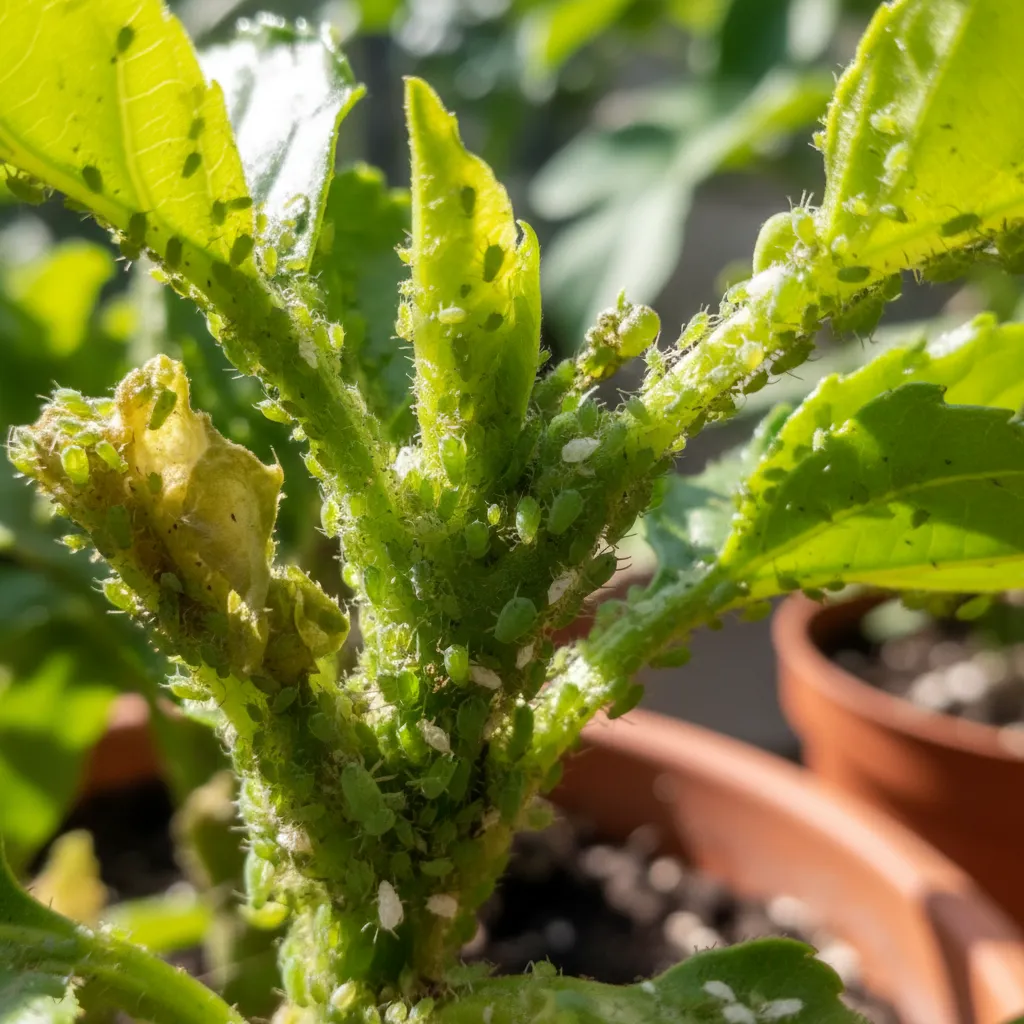
- ✓Pests and Diseases — Relatively robust, but can be susceptible to aphids, spider mites, and occasional fungal issues like powdery mildew.
- ✓Harvesting — Flowers, along with their characteristic bracts, are collected in late spring to early summer when fully open and fragrant, typically before seed set.
- ✓Drying — Harvested flowers should be air-dried in a shaded, well-ventilated area at temperatures below 40°C (104°F) to preserve their volatile oils and active compounds.
- ✓Fertilization — Benefits from a balanced fertilizer application in early spring, especially in nutrient-poor soils, to support vigorous growth.
- ✓Maintenance — Mulching around the base of the tree helps retain soil moisture, suppress weeds, and regulate soil temperature.
Reviewed by the Flora Medical Global Botanical Review Panel
Multi-disciplinary editorial group · Botany · Ethnobotany · Herbal-medicine literature
Who reviewed this: This page was checked by the Flora Medical Global Botanical Review Panel — an in-house editorial group of botany graduates, ethnobotany researchers, and horticulture practitioners who collectively maintain our 7,000+ plant encyclopedia. Meet the team.
Our 4-step verification process
1. Taxonomic verification
Scientific names and synonyms cross-checked against Kew POWO, World Flora Online, and The Plant List.
2. Phytochemical & medicinal cross-reference
Active compounds, traditional uses, and reported activities are cross-referenced with PubMed, USDA Dr. Duke's database, and peer-reviewed ethnobotanical literature.
3. Conservation & distribution check
Distribution, ecology, and conservation status confirmed against GBIF occurrence records and the IUCN Red List.
4. Editorial & safety review
Every entry passes an editorial pass for clarity, originality, and safety notices (toxicity, contraindications, dosage caveats) before publication.
Last reviewed:
Important medical disclaimer: This content is for educational and research purposes only. It is not medical advice and is not a substitute for consultation with a licensed healthcare provider. Do not use any herb to self-treat a medical condition without professional guidance.
Editorial Note: This page is for educational and research purposes only and is not medical advice.
Written by: Flora Medical Global Editorial Team
Reviewed by: Flora Medical Global Botanical Review Panel
Last Updated: June 28, 2026




Linden Flower — Comments & Community Reviews
Rate this plant
No reviews yet. Be the first!