

Medical Disclaimer: This content is for educational purposes only. It is not medical advice. Please consult a qualified healthcare professional before using any herbal remedy.
Safety Overview
1.Litsea — Introduction & Highlights
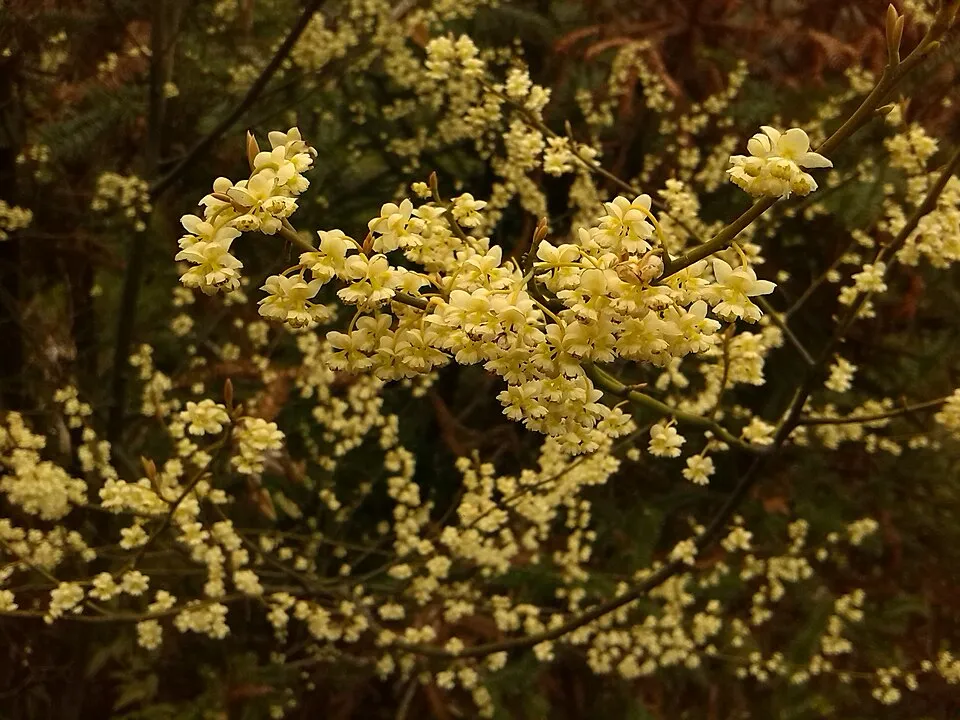
Litsea cubeba, widely recognized as May Chang or mountain pepper, is an aromatic evergreen shrub belonging to the diverse Lauraceae family, a group renowned for its fragrant members. This resilient plant typically attains a height of 2 to 8 meters, varying between a shrub and a small tree depending on its environment and age.
Its distinctive foliage features elongated, lanceolate leaves that measure approximately 6 to 12 centimeters in length and 2 to 4 centimeters in width. These leaves present a glossy, dark green surface on the upper side, contrasting with a lighter, often glaucous underside, and emit a refreshing lemony scent when crushed.
During its blooming season, typically in summer, Litsea cubeba produces small, delicate pale yellow flowers, each less than 1 centimeter in diameter. These charming blossoms are arranged in loose panicles and are highly aromatic, contributing to the plant's overall fragrant appeal. The bark of the May Chang tree is smooth and gray-brown, providing a subtle backdrop to its vibrant green canopy.
Following the flowering period, the plant develops small, spherical drupes, resembling miniature black peppercorns, each about 1 centimeter in diameter and containing a single seed. It is from these fresh fruits that the highly prized essential oil is primarily extracted.
Native to the subtropical and tropical regions of East Asia, Litsea cubeba thrives particularly in countries like China, Taiwan, Japan, and parts of India (e.g., Assam, Manipur, Arunachal Pradesh). It flourishes in well-drained, fertile soils, often found growing spontaneously in forest margins, hillsides, and valleys at altitudes up to 2700 meters above sea level. Its adaptability to various humid environments contributes to its widespread natural distribution.
Historically, Litsea cubeba has been deeply embedded in the cultural and medicinal practices of these regions. In traditional Chinese medicine (TCM), it has been utilized for centuries, and in India, it's known as 'mejankari,' holding significance not only for its medicinal properties but also as a secondary food source for muga silkworms, contributing to a unique and valuable silk industry.
Trusted Scientific References
1. Authoritative external sources for Litsea cubeba
1.1 Wikipedia — Litsea cubeba
1.2 Kew POWO (Plants of the World Online)
1.3 PubMed — peer-reviewed research
1.4 NCBI Taxonomy Browser
1.5 GBIF — Global Biodiversity
1.1.Litsea — Standout Qualities
- ✓Aromatic evergreen shrub/small — Aromatic evergreen shrub/small tree
- ✓Member of the — Member of the Lauraceae family
- ✓Native to East — Native to East Asia (China, Taiwan, India)
- ✓Produces small, fragrant — Produces small, fragrant pale yellow flowers
- ✓Yields small, black, pepper — like drupes
- ✓Essential oil rich in citral (60 — 90%)
- ✓Characteristic lemon — like, fresh, sweet aroma
- ✓Key herb in — Key herb in Traditional Chinese Medicine (TCM)
- ✓Used in traditional — Used in traditional Indian medicine (e.g., Assam)
- ✓Demonstrates potent antimicrobial — Demonstrates potent antimicrobial properties
- ✓Exhibits significant antioxidant — Exhibits significant antioxidant activity
- ✓Possesses anti — inflammatory effects
- ✓Effective natural insecticidal — Effective natural insecticidal and repellent
- ✓Popular in aromatherapy — Popular in aromatherapy for mood and stress relief
- ✓Source of industrial — Source of industrial citral for fragrance and vitamin synthesis
1.2.Litsea — In Brief
- ✓Litsea cubeba, also known as May Chang, is an aromatic evergreen shrub from the Lauraceae family, native to East Asia.
- ✓Its essential oil, derived from the fruits, is highly valued for its fresh, intense lemon-like aroma, primarily due to high citral content.
- ✓Traditionally used in Chinese and Indian medicine for digestive issues, pain, inflammation, and respiratory conditions.
- ✓Possesses significant antimicrobial, antioxidant, anti-inflammatory, and insecticidal properties supported by research.
- ✓Widely used in aromatherapy for its mood-uplifting, anxiolytic, and mildly sedative effects.
- ✓Cultivated for its essential oil, which is also a raw material for industrial production of citral and vitamins.
- ✓Requires careful dilution and patch testing for topical applications due to potential skin sensitivity.
- ✓Integral to diverse traditional practices, from medicine to culinary uses and even sericulture.
2.Litsea — Scientific Profile
3.Litsea — Quick Facts
4.Litsea — Plant Morphology
5.Litsea — Habitat & Distribution
6.Litsea — Ethnobotanical Uses
7.Litsea — Secondary Metabolites
- ✓Monoterpene Aldehydes — Predominantly Citral (a mixture of Geranial and Neral), which constitutes 60-90% of the essential oil, responsible for its characteristic lemon scent and potent antimicrobial, anti-inflammatory, and insecticidal actions.
- ✓Monoterpenes — Includes Limonene, Sabinene, and Myrcene, contributing to the oil's aroma and possessing antioxidant, anti-inflammatory, and mood-elevating properties.
- ✓Monoterpene Alcohols — Such as Linalool and Geraniol, which offer additional antimicrobial, sedative, and anti-inflammatory benefits, enhancing the oil's therapeutic profile.
- ✓Sesquiterpenes — Beta-Caryophyllene, known for its anti-inflammatory effects, and other sesquiterpenes that contribute to the oil's depth and complexity.
- ✓Esters — Geranyl acetate, contributing a sweet, fruity note to the aroma and potentially offering calming properties.
- ✓Flavonoids — Found in the leaves and bark, these polyphenolic compounds are powerful antioxidants and contribute to the plant's anti-inflammatory and protective effects.
- ✓Alkaloids — Various nitrogen-containing compounds present in different plant parts, often with diverse pharmacological activities, though specific to Litsea cubeba requires further elucidation.
- ✓Phenolic Acids — Such as gallic acid and caffeic acid derivatives, which enhance the plant's antioxidant capacity and contribute to its overall health benefits.
- ✓Lignans — Bioactive compounds with potential anti-inflammatory, antioxidant, and anticancer properties, found in various parts of the plant.
- ✓Steroids — Plant sterols and triterpenoids, which can have anti-inflammatory and adaptogenic effects, supporting cellular integrity and function.
- ✓Fatty Acids — Present in the fruit pulp and seeds, providing nutritional value and potentially contributing to skin health applications.
- ✓Coumarins — A class of aromatic organic chemical compounds that can exhibit anti-coagulant, antimicrobial, and anti-inflammatory activities.
- ✓Terpenoids — A broader category encompassing many of the above, signifying the plant's rich volatile compound profile responsible for its diverse therapeutic actions.
8.Litsea — Research Insights
- ✓Antimicrobial Action — Litsea cubeba essential oil, rich in citral, exhibits potent broad-spectrum activity against various bacteria, fungi, and yeasts, making it effective for combating infections.
- ✓Anti-inflammatory Support — Compounds like citral and limonene help to modulate inflammatory pathways, potentially reducing swelling and pain associated with conditions like arthritis and traumatic injuries.
- ✓Antioxidant Properties — The plant contains numerous phenolic compounds and terpenes that scavenge free radicals, protecting cells from oxidative damage and supporting overall cellular health.
- ✓Digestive Aid — Traditionally used to alleviate gastrointestinal complaints such as indigestion, stomachache, and diarrhea, possibly due to its carminative and antispasmodic effects.
- ✓Respiratory Relief — Inhalation of the essential oil or consumption of plant extracts can help clear congestion, soothe coughs, and ease symptoms of colds and asthma.
- ✓Pain Management — Applied topically, the essential oil can provide localized pain relief for muscle aches, joint pain, and nerve pain, often associated with its anti-inflammatory properties.
- ✓Anxiolytic Effects — The fresh, uplifting aroma of May Chang essential oil is widely used in aromatherapy to reduce anxiety, alleviate stress, and promote a sense of calm and well-being.
- ✓Antidepressant Qualities — Its stimulating yet balancing fragrance can help uplift mood and combat symptoms of mild depression, offering emotional support.
- ✓Insecticidal & Repellent — The high concentration of citral makes Litsea cubeba essential oil an effective natural insecticide and repellent against mosquitoes, flies, and other pests.
- ✓Skin Health — Its antimicrobial and astringent properties make it beneficial for addressing oily skin, acne, and minor skin infections, promoting a clearer complexion.
- ✓Antifungal Activity — Particularly effective against certain dermatophytes and Candida species, making it useful in managing fungal skin conditions and oral thrush.
- ✓Antispasmodic Effects — Helps to relax smooth muscles, which can be beneficial for alleviating cramps, spasms, and tension in the digestive and respiratory systems.
- ✓Hypotensive Properties — Some studies suggest a potential for mild blood pressure-lowering effects, though further research is needed to confirm this in humans.
- ✓Metabolic Support — Traditional uses hint at its role in managing blood sugar levels, particularly in the context of diabetes, warranting modern scientific investigation.
- ✓Diuretic Action — Traditionally employed to reduce edema and promote urination, supporting kidney function and fluid balance in the body.
- ✓Anti-parasitic Efficacy — Essential oil constituents have shown activity against certain internal and external parasites, supporting its traditional use in such contexts.
8.1.Litsea — Health Applications
9.Litsea — Adverse Effects
9.1.Litsea — Possible Adverse Reactions
- ✓Skin Irritation — High citral content can cause skin sensitization or irritation, especially if the essential oil is applied undiluted or to sensitive skin.
- ✓Allergic Reactions — Individuals sensitive to other plants in the Lauraceae family or citrus oils may experience allergic contact dermatitis, redness, or itching.
- ✓Phototoxicity — While less common than some other citrus oils, high concentrations may potentially increase skin sensitivity to sunlight, though research is limited.
- ✓Gastrointestinal Upset — Ingestion of large quantities of plant material or essential oil can lead to nausea, vomiting, or stomach discomfort.
- ✓Drug Interactions — Potential interactions with certain medications, particularly those metabolized by the liver, or blood thinners, due to various plant constituents.
- ✓Respiratory Irritation — Excessive inhalation of diffused essential oil in poorly ventilated areas or by individuals with respiratory sensitivities can cause irritation.
- ✓Neurotoxicity — Very high internal doses of essential oil, though rare with typical use, could theoretically lead to neurological symptoms.
- ✓Mucous Membrane Irritation — Direct contact of undiluted essential oil with eyes or mucous membranes can cause severe burning and irritation.
9.2.Litsea — Clinical Safety Notes
- ✓Professional Consultation — Always consult a qualified healthcare professional or medical herbalist before using Litsea cubeba, especially for internal consumption or if you have pre-existing health conditions.
- ✓Patch Test — Before topical application of essential oil, perform a small patch test on an inconspicuous area of skin to check for sensitivity or allergic reactions.
- ✓Avoid Undiluted Use — Litsea cubeba essential oil must always be diluted in a carrier oil (e.g., jojoba, almond) before applying to the skin, typically to a 1-2% concentration.
- ✓Pregnancy & Breastfeeding — Not recommended for use by pregnant or breastfeeding women due to insufficient safety data and potential uterine stimulant effects.
- ✓Children & Pets — Keep all Litsea cubeba products, especially essential oil, out of reach of children and pets.
- ✓Eye & Mucous Membrane Contact — Avoid direct contact of essential oil with eyes, inner ears, and other sensitive mucous membranes.
- ✓Broken or Damaged Skin — Do not apply essential oil to broken, irritated, or highly sensitive skin areas.
- ✓Internal Use Caution — Internal use of essential oil should only be undertaken under the strict guidance of a qualified practitioner due to its potency and potential for adverse effects.
- ✓Storage — Store essential oil in a cool, dark place, away from direct sunlight and heat, in airtight, dark glass bottles to prevent oxidation and degradation.
- ✓Dosage Adherence — Adhere strictly to recommended dosages and dilution rates; never exceed them without professional advice.
10.Litsea — How to Use
- ✓Essential Oil Diffusion — Use a high-quality essential oil diffuser to disperse Litsea cubeba essential oil into the air for aromatherapy benefits like mood upliftment, stress reduction, and air purification.
- ✓Topical Application (Diluted) — Dilute Litsea cubeba essential oil to 1-2% in a carrier oil (e.g., jojoba, almond) and apply to skin for muscle aches, joint pain, skin blemishes, or insect bites.
- ✓Aromatic Inhalation — Place a drop of essential oil on a tissue or inhale directly from the bottle for respiratory relief during colds, congestion, or to alleviate anxiety.
- ✓Herbal Tea/Decoction — Prepare a tea from dried leaves or bark (under expert guidance) to aid digestion, soothe cold symptoms, or as a general tonic.
- ✓Culinary Spice — Fresh fruits can be used sparingly as a spice in Asian cuisine, adding a lemony, peppery flavor to salads, chutneys, and pickles.
- ✓Compresses — Soak a cloth in a warm infusion of Litsea cubeba leaves or bark, or diluted essential oil in warm water, and apply to swollen joints or areas of inflammation.
- ✓Insect Repellent Spray — Create a natural insect repellent by diluting Litsea cubeba essential oil with water and a dispersant, then spraying on skin or clothing.
- ✓Household Cleaner — Add a few drops of essential oil to natural cleaning solutions for its antimicrobial properties and refreshing scent.
- ✓Bath Soak — Add 5-10 drops of diluted essential oil (mixed with a dispersant like Epsom salts or carrier oil) to bathwater for a relaxing and skin-benefiting soak.
- ✓Tincture Preparation — Macerate dried plant material in alcohol to create a tincture for internal use, always with professional guidance due to potency.
- ✓Hair Care — Incorporate a few drops of essential oil into shampoo or conditioner to help manage oily scalp or add shine to hair, leveraging its astringent qualities.
- ✓Mouthwash — A very dilute infusion of leaves or a single drop of essential oil (dispersed) in water can be used as an antimicrobial mouthwash.
11.Litsea — Propagation & Care
- ✓Soil Preference — Litsea cubeba thrives in well-draining, fertile soil with a slightly acidic to neutral pH (6.0-7.0).
- ✓Soil Preparation — Incorporate ample organic matter like compost or well-rotted manure to enhance soil fertility and drainage.
- ✓Propagation — Primarily propagated from seeds, which should be sown fresh, or from semi-hardwood cuttings.
- ✓Sowing Depth & Spacing — Seeds are typically sown at a depth of about 1 cm, with mature plants requiring 1.5 to 2 meters spacing.
- ✓Climate & Humidity — Prefers a humid, subtropical to tropical environment with consistent rainfall or regular irrigation.
- ✓Watering — Requires consistent moisture; water regularly to keep the soil evenly moist, but avoid waterlogging which can lead to root rot.
- ✓Sunlight Requirement — Grows best in full sun to partial shade, with adequate light promoting better flowering and fruit production.
- ✓Fertilization — Apply a balanced NPK fertilizer once every two months during the active growing season to support robust growth.
- ✓Pest & Disease Management — Regular monitoring for common pests like aphids and scale insects, and treatment with organic insecticides if necessary.
- ✓Pruning — Light pruning can be done to maintain shape, remove dead or diseased branches, and encourage bushier growth.
- ✓Harvesting — Fruits are typically harvested 3-4 years after planting when fully ripened, usually by hand-picking to ensure quality.
- ✓Frost Sensitivity — Young plants are particularly sensitive to frost; mature plants may tolerate light, infrequent frosts but prefer warmer climates.
Reviewed by the Flora Medical Global Botanical Review Panel
Multi-disciplinary editorial group · Botany · Ethnobotany · Herbal-medicine literature
Who reviewed this: This page was checked by the Flora Medical Global Botanical Review Panel — an in-house editorial group of botany graduates, ethnobotany researchers, and horticulture practitioners who collectively maintain our 7,000+ plant encyclopedia. Meet the team.
Our 4-step verification process
1. Taxonomic verification
Scientific names and synonyms cross-checked against Kew POWO, World Flora Online, and The Plant List.
2. Phytochemical & medicinal cross-reference
Active compounds, traditional uses, and reported activities are cross-referenced with PubMed, USDA Dr. Duke's database, and peer-reviewed ethnobotanical literature.
3. Conservation & distribution check
Distribution, ecology, and conservation status confirmed against GBIF occurrence records and the IUCN Red List.
4. Editorial & safety review
Every entry passes an editorial pass for clarity, originality, and safety notices (toxicity, contraindications, dosage caveats) before publication.
Last reviewed:
Important medical disclaimer: This content is for educational and research purposes only. It is not medical advice and is not a substitute for consultation with a licensed healthcare provider. Do not use any herb to self-treat a medical condition without professional guidance.
Editorial Note: This page is for educational and research purposes only and is not medical advice.
Written by: Flora Medical Global Editorial Team
Reviewed by: Flora Medical Global Botanical Review Panel
Last Updated: June 16, 2026





Litsea — Comments & Community Reviews
Rate this plant