

Medical Disclaimer: This content is for educational purposes only. It is not medical advice. Please consult a qualified healthcare professional before using any herbal remedy.
Safety Overview
1.Lomatium — Introduction & Highlights
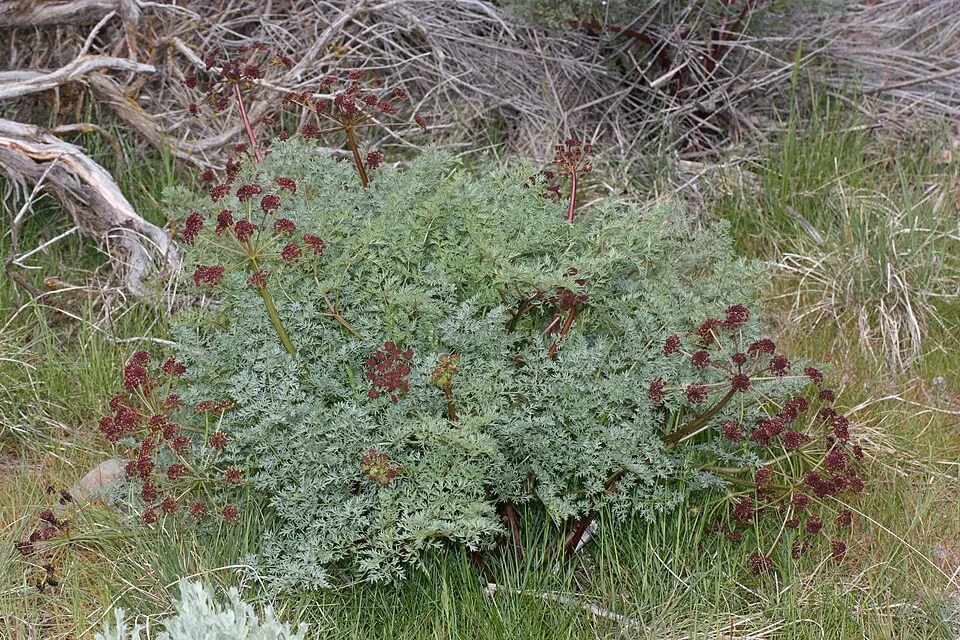
Lomatium dissectum, commonly known as biscuit root or fern-leaf lomatium, is a robust perennial herb belonging to the Apiaceae family, which also includes familiar plants like carrots and parsley. This distinctive plant typically grows to a height of 30 to 90 centimeters, forming an upright and smooth stem that emerges from a substantial, fleshy taproot. The leaves are a defining feature, compound and intricately finely dissected, giving them a delicate, fern-like appearance. These basal leaves can measure up to 15 centimeters in length, often forming a dense rosette at the plant's base. From these basal rosettes, sturdy flowering stalks ascend, culminating in dense, compound umbels of small, bright yellow flowers. These vibrant blossoms typically emerge between April and June, acting as a magnet for a diverse array of pollinators.
Each individual flower is composed of five petals, arranged in a manner that creates a star-like profile, adding to the plant's aesthetic appeal in its natural settings. The root, the primary part used medicinally, is notably fleshy and often possesses a sweet, starchy taste, reminiscent of a biscuit, which gives the plant one of its common names. Lomatium dissectum is indigenous to western North America, thriving across a wide range of habitats, from the arid plains to mountainous regions. It flourishes particularly well in open meadows, sun-drenched grasslands, and along rocky slopes, demonstrating a remarkable resilience to varying environmental conditions. Its deep taproot allows it to access water and nutrients from considerable depths, contributing to its survival in drier climates. Historically, this plant has held immense significance for numerous Native American tribes across its native range.
They utilized the root extensively, not only as a crucial food source, often dried and ground into flour, but also as a powerful medicinal agent. Its traditional use for a wide array of ailments, particularly respiratory infections, underscores its long-standing cultural and therapeutic importance. Due to its popularity and specific habitat requirements, Lomatium dissectum is considered potentially threatened in some parts of its native range, emphasizing the importance of ethical wildcrafting and sustainable cultivation practices. Trusted Scientific References Authoritative external sources for Lomatium dissectum : Wikipedia — Lomatium dissectum Kew POWO (Plants of the World Online) PubMed — peer-reviewed research NCBI Taxonomy B ...[CURRENT TEXT EXISTS: 2533 chars]
1.1.Lomatium — Defining Traits
- ✓Native to Western North America — Thrives in diverse habitats from arid plains to mountain slopes.
- ✓Apiaceae Family Member — Related to carrots, parsley, and other well-known medicinal and culinary plants.
- ✓Fleshy Taproot — The primary medicinal part, historically also used as a food source.
- ✓Fern — like Foliage — Distinctive, finely dissected leaves giving it a unique appearance.
- ✓Yellow Umbel Flowers — Produces dense clusters of small, yellow flowers, attracting pollinators.
- ✓Potent Antiviral — Contains furanocoumarins that interfere with viral replication.
- ✓Broad — Spectrum Antimicrobial — Effective against bacteria, viruses, and fungi.
- ✓Stimulating Expectorant — Aids in clearing respiratory congestion and mucus.
- ✓Immunostimulant — Enhances the body's natural immune response.
- ✓Historical Traditional Use — Widely used by Native American tribes for infections and respiratory ailments.
- ✓Potential for Skin Rash — A known side effect linked to resin content, though typically benign and temporary.
- ✓Adaptable to Dry Conditions — Its deep root system allows it to withstand arid environments.
- ✓Ethically Sourced — Importance of sustainable harvesting due to potential vulnerability of wild populations.
- ✓Supports Respiratory Health — A go-to herb for various acute and chronic respiratory issues.
1.2.Lomatium — Concise Overview
- ✓Lomatium dissectum, or biscuit root, is a powerful North American native herb from the Apiaceae family.
- ✓The root is traditionally used for its potent immune-supporting and antimicrobial properties.
- ✓It's highly valued for combating viral, bacterial, and fungal infections, especially in the respiratory system.
- ✓Key constituents include furanocoumarins, volatile oils, and ascorbic acid, driving its antiviral and expectorant actions.
- ✓Historically used by Native Americans for various ailments, including during the 1917 flu pandemic.
- ✓A notable side effect can be a temporary, measles-like skin rash, particularly with resin-containing preparations.
- ✓Available as tinctures, isolates, or decoctions; proper dosage and form selection are crucial.
- ✓Always consult a healthcare professional before use, especially during pregnancy or breastfeeding.
2.Lomatium — Scientific Profile
3.Lomatium — Botanical Stats
4.Lomatium — Structural Profile
5.Lomatium — Habitat & Distribution
6.Lomatium — Historical Applications
7.Lomatium — Secondary Metabolites
- ✓Furanocoumarins — Key compounds include nodakenetin, columbianin, and pyranocoumarin, found predominantly in the root. These compounds are largely responsible for Lomatium dissectum's significant antiviral activity by interfering with viral replication and host cell responses.
- ✓Volatile Oils — The plant's essential oil fraction contains a complex mixture of monoterpenes and sesquiterpenes, such as alpha-pinene and beta-pinene. These oils contribute strongly to its antibacterial and antifungal properties, and may enhance phagocytosis by leukocytes.
- ✓Oleo-Resins — Comprising a sticky mixture of terpenes and sesquiterpenes, these resins are notable for their stimulating expectorant action. They help to liquefy and mobilize mucoid material in the lungs, facilitating its clearance from the respiratory tract.
- ✓Flavonoids — Compounds like luteolin and quercetin are present, offering anti-inflammatory and antioxidant benefits. These phytochemicals contribute to the plant's ability to modulate immune responses and protect against oxidative stress.
- ✓Ascorbic Acid (Vitamin C) — Particularly abundant in the leaves, ascorbic acid is a powerful antioxidant and plays a crucial role in immune regulation. It enhances the body's defense mechanisms and exhibits direct antimicrobial effects.
- ✓Terpenes — Beyond those in volatile oils and oleo-resins, various other terpenes, such as germacrene D, are present. These compounds contribute to the plant's antimicrobial, anti-inflammatory, and potentially immune-modulating activities.
- ✓Tetronic Acids — Specific tetronic acids found in Lomatium dissectum have been identified as potentially contributing to its antiviral effects. Research suggests these compounds may directly attack microbial pathogens.
- ✓Glucoside of Luteolin — This glycoside form of the flavonoid luteolin is another constituent implicated in the plant's antiviral properties, supporting the theory that multiple compounds contribute to its broad-spectrum action.
- ✓Gums — Polysaccharide gums are present, which can provide demulcent properties, soothing irritated mucous membranes, particularly in the gastrointestinal and respiratory tracts, though this is less emphasized for lomatium's primary uses.
- ✓Carbohydrates — The fleshy root is a significant source of carbohydrates, providing energy and contributing to its historical use as a food source by indigenous populations.
- ✓Fatty Acids — Various fatty acids are present in the root, contributing to its nutritional profile and potentially influencing its anti-inflammatory actions or aiding in the absorption of other fat-soluble compounds.
- ✓Methylamines — These nitrogen-containing organic compounds are found in the plant, though their specific pharmacological contribution to Lomatium dissectum's medicinal actions is less well-defined in current literature.
- ✓Valeric Acid — Identified in the root, valeric acid is a short-chain fatty acid. While known for sedative properties in other plants (like valerian), its specific role in lomatium's therapeutic profile is not a primary focus.
8.Lomatium — Research Insights
- ✓Potent Antiviral Action — Lomatium dissectum exhibits significant antiviral properties, attributed to its furanocoumarin content, which can interfere with viral replication and inhibit host cell response, making it valuable during viral outbreaks like influenza.
- ✓Broad-Spectrum Antimicrobial — The volatile oils within lomatium, alongside other constituents, provide a broad antimicrobial effect against various bacteria and fungi. This action helps to combat a wide range of infectious agents throughout the body.
- ✓Immunostimulant Support — Rich in ascorbic acid and other immune-modulating compounds, Lomatium dissectum acts as an immunostimulant, enhancing the body’s natural defense mechanisms. It supports increased phagocytosis by leukocytes, strengthening the immune response.
- ✓Stimulating Expectorant — The oleo-resins, particularly rich in terpenes and sesquiterpenes, function as a stimulating expectorant. This action helps to liquefy thick, tenacious mucus in the respiratory passages, facilitating its expulsion and clearing congestion.
- ✓Respiratory Infection Relief — Traditionally and anecdotally, lomatium is highly regarded for treating acute and chronic infections of the respiratory system. It helps alleviate symptoms associated with conditions like bronchitis, pneumonia, and severe colds.
- ✓Anti-inflammatory Effects — Flavonoids like luteolin and quercetin, along with certain terpenes, contribute to the plant's anti-inflammatory properties. This helps to reduce swelling and discomfort associated with inflammatory conditions, particularly in the respiratory tract.
- ✓Mucolytic Properties — By promoting the breakdown and thinning of mucus, Lomatium dissectum aids in easier breathing and reduces the burden on the respiratory system. This is particularly beneficial in productive coughs and congested lungs.
- ✓Traditional Cold and Flu Remedy — Native American tribes extensively used lomatium root for treating various infectious diseases, including severe colds and influenza. Its efficacy during the 1917 flu pandemic has been historically noted, highlighting its traditional role.
- ✓General Tonic for Wellness — Beyond acute conditions, lomatium can serve as a general tonic, supporting overall immune function and resilience. Regular, appropriate use may contribute to enhanced vitality and resistance to common ailments.
- ✓Antioxidant Protection — Flavonoids and ascorbic acid provide antioxidant benefits, helping to neutralize free radicals and reduce oxidative stress in the body. This supports cellular health and contributes to the plant's overall therapeutic profile.
- ✓Supports Lymphatic Drainage — While not a primary action, its stimulating and cleansing properties can indirectly support lymphatic flow, aiding the body's natural detoxification processes and enhancing immune surveillance.
- ✓Potential for Topical Antimicrobial Use — Though primarily used internally, its antimicrobial compounds suggest potential for external application in traditional practices for skin infections or wounds, though this requires further study and cautious application.
8.1.Lomatium — Indications & Uses
9.Lomatium — Precautions & Warnings
9.1.Lomatium — Warnings
- ✓Pruritic Maculopapular Rash — The most commonly reported side effect is a generalized, itchy, maculopapular rash that can resemble measles. This reaction is primarily associated with the resin content in whole root preparations or tinctures and typically resolves upon discontinuation.
- ✓Nausea and Gastrointestinal Upset — Some individuals may experience mild nausea, stomach discomfort, or other gastrointestinal disturbances, particularly when taking lomatium on an empty stomach.
- ✓Allergic Reactions — Beyond the characteristic rash, other allergic reactions such as hives, itching, or swelling may occur in sensitive individuals.
- ✓Photosensitivity — While not widely documented, some furanocoumarins can cause photosensitivity in certain individuals, leading to increased susceptibility to sunburn. Caution with sun exposure is advised for those sensitive to furanocoumarins.
- ✓Hepatic Stress — Very high or prolonged doses, especially of crude extracts, could theoretically put stress on the liver due to the metabolism of complex phytochemicals, though this is not a common report.
- ✓Discoloration of Urine — Some users have reported a change in urine color, which is generally benign and related to the excretion of plant metabolites.
9.2.Lomatium — Safety Overview
- ✓Pregnancy and Lactation — Lomatium dissectum is contraindicated during pregnancy and breastfeeding due to a lack of sufficient safety data. The potential effects on fetal development or infants are unknown.
- ✓Children — Use in children should be approached with caution and only under the guidance of a qualified healthcare practitioner. Dosage must be carefully adjusted based on age and weight.
- ✓Allergic Sensitivity — Individuals with known allergies to plants in the Apiaceae family (e.g., carrots, celery, parsley) should use lomatium with extreme caution or avoid it due to potential cross-reactivity.
- ✓Rash Management — If the characteristic maculopapular rash develops, discontinue use immediately. The rash typically subsides within a few days of cessation. Consider using resin-removed isolates if lomatium is still desired.
- ✓Drug Interactions — As of current knowledge, no significant drug interactions have been definitively reported. However, as with all herbal supplements, consult a healthcare provider if taking prescription medications.
- ✓Pre-existing Conditions — Individuals with compromised liver or kidney function, or those with autoimmune conditions, should consult a healthcare professional before using lomatium.
- ✓Ethical Sourcing — Ensure that any lomatium products are sourced ethically and sustainably, as wild populations can be vulnerable to overharvesting.
- ✓Professional Consultation — Always seek advice from a qualified medical herbalist or healthcare professional before initiating any new herbal treatment, especially for serious health conditions.
10.Lomatium — Application Forms
- ✓Tincture Preparation — A common method involves a 1:5 ratio of dried root to 70% alcohol, steeped for several weeks. Standard dosage is typically 1-2 ml, taken three times per day.
- ✓Resin-Free Isolates — For individuals prone to skin rash, extracts with the resin removed (often called lomatium isolates) are available. These are typically dosed at 1-3 ml per day.
- ✓Decoction (Tea) — The dried root can be prepared as a decoction by simmering 1-2 teaspoons of chopped root in 1 cup of water for 15-20 minutes. Drink 2-3 cups daily.
- ✓Powdered Root Capsules — Dried and powdered root can be encapsulated. Follow manufacturer's instructions, typically 500-1000 mg, 2-3 times daily.
- ✓Steam Inhalation — For respiratory congestion, a strong decoction can be used for steam inhalation. Inhale the vapors to help clear airways and deliver volatile compounds directly to the respiratory tract.
- ✓Traditional Food Use — Historically, the root was dried and ground into flour by Native Americans, then used in various food preparations. This method also confers medicinal benefits.
- ✓Topical Application — While less common, traditional uses sometimes included poultices of the root for external application, though caution is advised due to potential skin sensitivity.
- ✓Dosage for Acute Conditions — For acute infections, smaller, more frequent doses of tincture (e.g., 0.5-1 ml every 2-3 hours) are sometimes recommended, especially at the onset of symptoms.
- ✓Patch Testing — Before extensive use of resin-containing tinctures, a small amount should be applied to a patch of skin to test for sensitivity and prevent a generalized rash.
- ✓Professional Guidance — Always consult with a qualified medical herbalist or healthcare practitioner to determine appropriate dosage and form, especially for chronic conditions or concurrent medications.
11.Lomatium — Growth Requirements
- ✓Site Selection — Choose a location with full sun exposure and excellent drainage, mimicking its native rocky, well-drained slopes and open meadows.
- ✓Soil Preparation — Lomatium dissectum thrives in sandy or gravelly soil. Amend heavy clay soils with sand, grit, and organic matter to improve aeration and drainage, ensuring the root does not become waterlogged.
- ✓Propagation by Seed — Seeds are best sown in the fall or very early spring, mimicking natural stratification. They typically require a cold, moist period for optimal germination.
- ✓Sowing Depth and Spacing — Plant seeds approximately 1/4 inch deep. Space individual plants 12-18 inches apart to allow for adequate root development and air circulation.
- ✓Watering Regime — Water regularly after sowing to establish young plants, especially during dry spells. However, once established, Lomatium dissectum is quite drought-tolerant and prefers less frequent, deep watering to avoid root rot.
- ✓Fertilization — Generally, lomatium does not require heavy fertilization. A light application of balanced organic fertilizer or compost in spring can support healthy growth, especially in poor soils.
- ✓Pest and Disease Management — Lomatium is relatively resistant to most pests and diseases. Ensure good air circulation and proper drainage to prevent fungal issues.
- ✓Ethical Sourcing — Due to potential habitat threats, avoid wildcrafting. If cultivating, source seeds or root divisions from reputable, sustainable suppliers to protect wild populations.
- ✓Harvesting — The medicinal root is typically harvested in the fall after the plant has gone dormant, usually in its second or third year of growth, when its energetic and chemical compounds are concentrated.
- ✓Root Division — Mature plants can sometimes be propagated by carefully dividing the root crown in early spring or fall, ensuring each division has healthy root material and growth buds.
Reviewed by the Flora Medical Global Botanical Review Panel
Multi-disciplinary editorial group · Botany · Ethnobotany · Herbal-medicine literature
Who reviewed this: This page was checked by the Flora Medical Global Botanical Review Panel — an in-house editorial group of botany graduates, ethnobotany researchers, and horticulture practitioners who collectively maintain our 7,000+ plant encyclopedia. Meet the team.
Our 4-step verification process
1. Taxonomic verification
Scientific names and synonyms cross-checked against Kew POWO, World Flora Online, and The Plant List.
2. Phytochemical & medicinal cross-reference
Active compounds, traditional uses, and reported activities are cross-referenced with PubMed, USDA Dr. Duke's database, and peer-reviewed ethnobotanical literature.
3. Conservation & distribution check
Distribution, ecology, and conservation status confirmed against GBIF occurrence records and the IUCN Red List.
4. Editorial & safety review
Every entry passes an editorial pass for clarity, originality, and safety notices (toxicity, contraindications, dosage caveats) before publication.
Last reviewed:
Important medical disclaimer: This content is for educational and research purposes only. It is not medical advice and is not a substitute for consultation with a licensed healthcare provider. Do not use any herb to self-treat a medical condition without professional guidance.
Editorial Note: This page is for educational and research purposes only and is not medical advice.
Written by: Flora Medical Global Editorial Team
Reviewed by: Flora Medical Global Botanical Review Panel
Last Updated: June 16, 2026





Lomatium — Comments & Community Reviews
Rate this plant