


Medical Disclaimer: This content is for educational purposes only. It is not medical advice. Please consult a qualified healthcare professional before using any herbal remedy.
Safety Overview
1.Mahogany — Plant Snapshot
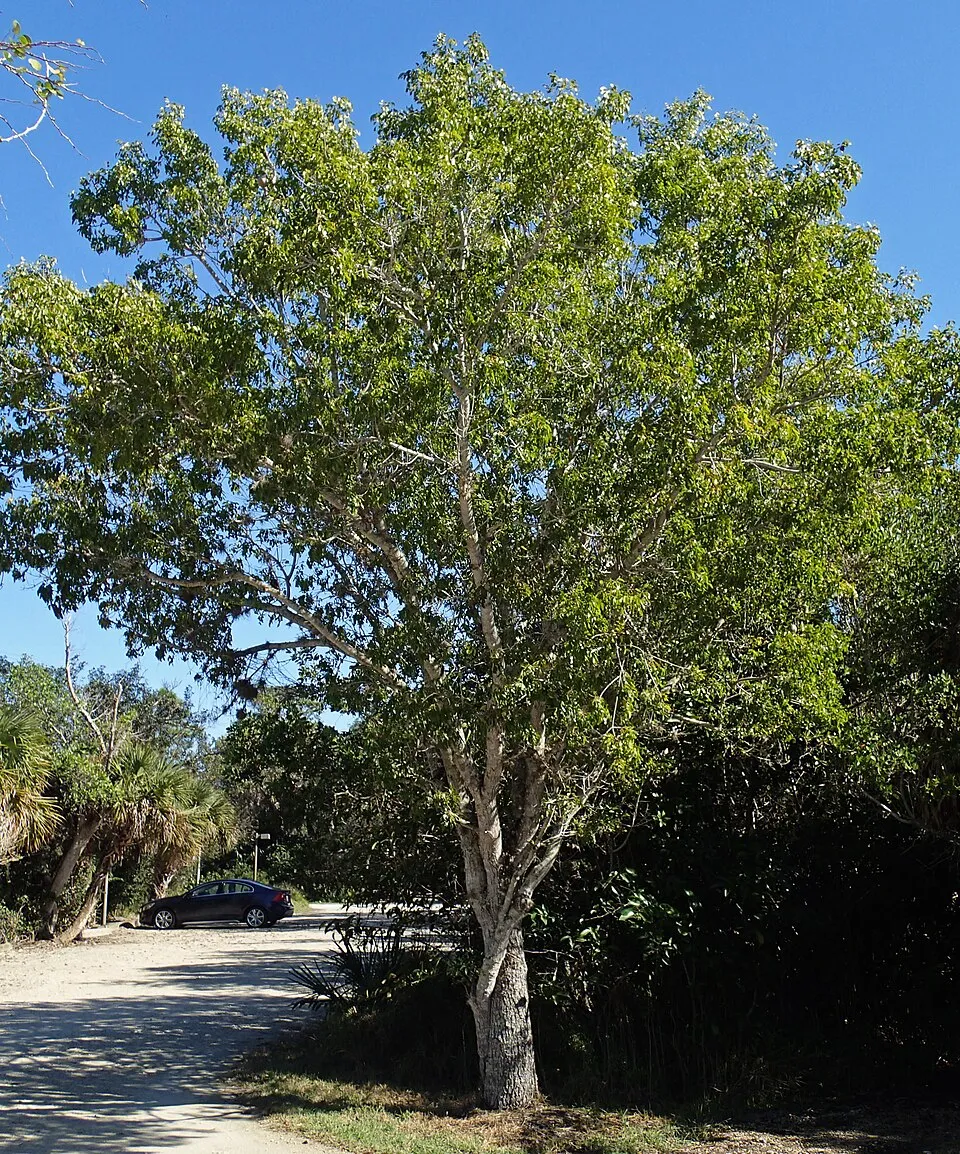
Mahogany, scientifically known as Swietenia mahagoni, is an iconic species belonging to the Meliaceae family, renowned for its exceptional timber and emerging medicinal value. This magnificent deciduous to semi-evergreen tree typically attains impressive heights of 12 to 18 meters (40 to 60 feet), though mature specimens can exceed 30 meters in ideal conditions. Its majestic crown is characteristically dense and broad, providing ample shade. The leaves are distinctively pinnate, ranging from 30 to 60 cm (12 to 24 inches) in length, composed of 5 to 9 pairs of opposite or sub-opposite, ovate to lanceolate leaflets. Each leaflet presents a glossy dark green adaxial surface, measuring approximately 5 to 13 cm (2 to 5 inches) long, with an entire margin and an acuminate apex. The inflorescences of Swietenia mahagoni are axillary or terminal panicles, bearing numerous small, fragrant, tubular flowers.
These flowers are typically white or pale yellow, often exhibiting a greenish tint, and are hermaphroditic, contributing to the tree's reproductive success. Following successful pollination, the tree produces a distinctive, woody, ovoid capsule fruit, approximately 7 to 15 cm long. Upon maturity, these capsules split into five valves, releasing numerous winged seeds that are efficiently dispersed by wind, facilitating the species' propagation across its native range. The bark of young mahogany trees is smooth and reddish-brown, gradually transforming with age into a darker, deeply furrowed, and ridged texture, often flaking in irregular plates. When cut, the bark can exude a reddish resin, a feature that has historically been of interest for its bioactive properties. Native to the subtropical and tropical forests of the Caribbean Basin, Swietenia mahagoni is found across islands such as Cuba, Hispaniola (Haiti and Dominican Republic), Jamaica, Puerto Rico, and the Florida Keys.
Its natural range also extends to parts of Central America, including Belize, Guatemala, Honduras, and Mexico. This species thrives in diverse well-drained soils, from sandy loams to heavier clays, and prefers areas with consistent warmth and humidity. Historically, indigenous Taino communities utilized the tree's bark for wound healing, predating its formal integration into European herbalism and later, Ayurvedic materia medica during the colonial era. Its journey from a prized timber resource to a recognized medicinal plant highlights a rich cross-cultural exchange of botanical knowledge, ...[CURRENT TEXT EXISTS: 2820 chars]
1.1.Mahogany — Defining Traits
- ✓Iconic hardwood species — Iconic hardwood species with significant timber value.
- ✓Native to the — Native to the Caribbean Basin and parts of Central America.
- ✓Large deciduous to semi — evergreen tree reaching over 30 meters.
- ✓Distinctive pinnate leaves — Distinctive pinnate leaves and small, fragrant, greenish-white flowers.
- ✓Produces woody ovoid — Produces woody ovoid capsules containing winged seeds.
- ✓Bark exudes a — Bark exudes a reddish resin when cut, used in traditional medicine.
- ✓Rich in bioactive — Rich in bioactive limonoids, particularly Swietenine and Mahagonin.
- ✓Traditional uses include — Traditional uses include febrifuge, anthelmintic, and digestive aid.
- ✓Ayurvedic texts incorporate — Ayurvedic texts incorporate it for immunity, inflammation, and metabolic balance.
- ✓Modern studies highlight anti — inflammatory, antioxidant, and antidiabetic properties.
- ✓Known for its bitter — astringent taste and cooling energy in Ayurveda.
- ✓Used in various forms — bark powder, seed extracts, tinctures, decoctions.
- ✓Requires careful dosage — Requires careful dosage due to potential interactions and side effects.
- ✓Sustainable harvesting practices — Sustainable harvesting practices are crucial for conservation.
- ✓Valuable for its — Valuable for its ecological role in tropical forest ecosystems.
1.2.Mahogany — At-a-Glance Summary
- ✓Swietenia mahagoni is a tropical tree known for timber and medicinal uses.
- ✓Rich in limonoids like Swietenine, offering anti-inflammatory and antidiabetic benefits.
- ✓Traditionally used in Ayurveda and Caribbean folk medicine for immunity, digestion, and fevers.
- ✓Modern research supports its antioxidant, blood glucose modulating, and antiparasitic actions.
- ✓Available as bark powder, seed extracts, tinctures, and decoctions.
- ✓Potential side effects include GI upset and hypoglycemia risk; contraindications with anticoagulants and pregnancy.
- ✓Emphasizes sustainable harvesting and third-party testing for quality assurance.
- ✓A versatile herb balancing Pitta and Kapha doshas, with a bitter-astringent taste.
2.Mahogany — Taxonomic Classification
3.Mahogany — Reference Facts
4.Mahogany — Plant Morphology
5.Mahogany — Habitat & Distribution
6.Mahogany — Ethnobotanical Uses
7.Mahogany — Active Compounds
- ✓Limonoids — Key compounds include Swietenine and Mahagonin, primarily found in seeds and bark, known for potent anti-inflammatory, antidiabetic, and antioxidant activities through pathways like NF-κB modulation.
- ✓Flavonoids — Epicatechin is a notable flavonol present, contributing to vasoprotective, cardiotonic, and general antioxidant effects, supporting cardiovascular health and reducing oxidative stress.
- ✓Phenolic Acids — Gallic acid and ellagic acid are prominent, imparting strong antimicrobial, astringent, and antioxidant properties, crucial for defense against pathogens and tissue repair.
- ✓Resin Glycosides — Found particularly in the resin and bark, these compounds are responsible for mild laxative effects, aiding in digestive motility and chronic constipation management.
- ✓Alkaloids — While not extensively detailed, some limonoids exhibit alkaloidal characteristics, contributing to various pharmacological activities.
- ✓Tannins — Present in the bark, tannins provide astringent qualities, which are beneficial for wound healing, reducing inflammation, and acting as antioxidants.
- ✓Saponins — These compounds may contribute to the plant's immunomodulatory and mild expectorant actions, often found in seeds and bark.
- ✓Triterpenes — Related to limonoids, these compounds can offer anti-inflammatory and hepatoprotective benefits, supporting liver function.
- ✓Steroids — Plant steroids may be present, influencing hormonal pathways and contributing to overall physiological balance.
- ✓Volatile Oils — Trace amounts may contribute to the plant's characteristic aroma and could possess mild antiseptic properties.
- ✓Fatty Acids — Seeds are rich in various fatty acids, which can provide nutritional benefits and influence lipid metabolism.
- ✓Carbohydrates — Polysaccharides are present, potentially contributing to immune-modulating effects and providing a source of energy.
8.Mahogany — Modern Studies
- ✓Anti-Inflammatory Relief — Research indicates that compounds like Swietenine can significantly reduce inflammation, comparable to certain pharmaceutical agents, by modulating pathways such as NF-κB, offering relief without gastric irritation.
- ✓Antioxidant Protection — Mahagonin and other phenolic compounds exhibit strong free radical scavenging capabilities, protecting cells from oxidative stress and supporting overall cellular health, particularly beneficial in metabolic conditions.
- ✓Blood Glucose Modulation — Early human trials suggest that Swietenia mahagoni seed extracts may help lower fasting blood sugar levels, making it a potential adjunct for managing hyperglycemia and supporting metabolic balance.
- ✓Immune System Support — Traditionally recognized as an immune stimulator, modern studies suggest the plant can enhance macrophage activity and subtly modulate cytokine responses, contributing to a robust immune defense.
- ✓Digestive Aid — Folk preparations, often involving seed decoctions, are employed to alleviate indigestion, flatulence, and mild constipation, primarily due to the presence of mild laxative resin glycosides.
- ✓Antiparasitic Action — Anecdotal evidence and animal studies support its use in expelling intestinal parasites, demonstrating a significant reduction in worm burden in affected subjects.
- ✓Febrifuge Properties — Historically, European herbalists and later Ayurvedic practitioners utilized mahogany bark for its ability to reduce fevers, promoting gentle sweating to aid in temperature regulation.
- ✓Diaphoretic Effects — The plant encourages mild sweating, which is beneficial during fevers and can assist the body in detoxification processes.
- ✓Anthelmintic Action — Specifically targets and helps eliminate various types of intestinal worms, a traditional use now supported by preliminary animal research.
- ✓Carminative Qualities — It aids in the expulsion of gas from the gastrointestinal tract, providing relief from bloating and discomfort.
- ✓Vasoprotective Benefits — Minor constituents like epicatechin contribute to the health and integrity of blood vessels, potentially supporting cardiovascular wellness.
- ✓Cardiotonic Effects — Certain compounds may have a mild strengthening effect on heart function, contributing to overall cardiovascular health.
- ✓Antimicrobial Properties — Gallic acid and ellagic acid impart antimicrobial actions, helping to combat various microbial pathogens.
- ✓Astringent Action — Phenolic acids provide astringent qualities, which can be beneficial in tightening tissues and reducing secretions, useful in wound care and digestive issues.
- ✓Respiratory Support — Traditional remedies use ground seeds with honey and milk to ease coughs and bronchial irritation, acting as a mild expectorant.
- ✓Cholesterol Management — Preliminary clinical pilots have indicated that seed extracts may improve lipid profiles, suggesting a role in managing mild dyslipidemia.
- ✓Antiglycation Activity — Compounds in Swietenia mahagoni protect proteins from damage caused by sugar, which is particularly relevant in conditions like diabetes.
- ✓Wound Healing — Indigenous Taino communities used powdered bark in poultices for its healing properties, likely due to its astringent and antimicrobial constituents.
8.1.Mahogany — Reported Uses
9.Mahogany — Risk Profile
9.1.Mahogany — Caution Notes
- ✓Gastrointestinal Upset — Diarrhea or cramping may occur with bark powder doses exceeding 1 gram per day.
- ✓Hypoglycemia Risk — May lower blood sugar, posing a risk for individuals on antidiabetic medications; close monitoring is essential.
- ✓Allergic Reactions — Rare instances of skin rash reported with topical application of bark poultice; patch testing is advised.
- ✓Blood-Thinning Effect — May potentiate the effects of anticoagulants like warfarin due to its mild blood-thinning properties.
- ✓Hypotension — High doses could potentially lead to a drop in blood pressure, especially in sensitive individuals.
- ✓Liver Enzyme Elevation — Extremely high or prolonged use in animal models has shown transient liver enzyme changes, though human data is scarce.
- ✓Renal Impairment — Theoretical risk with very high doses, but no significant human data at standard therapeutic levels.
- ✓Interactions with CNS Depressants — Potential for additive sedative effects if combined with central nervous system depressants, though not well-documented.
- ✓Nausea and Vomiting — May occur in sensitive individuals or with excessive dosing, particularly with concentrated extracts.
- ✓Photosensitivity — Very rare, but some plant compounds can increase skin sensitivity to sunlight.
9.2.Mahogany — Clinical Safety Notes
- ✓Pregnancy and Breastfeeding — Insufficient data; generally advised to avoid high doses or consult a qualified healthcare provider.
- ✓Diabetes Management — Individuals on antidiabetic medications must monitor blood sugar closely due to potential additive hypoglycemic effects.
- ✓Bleeding Disorders — Avoid high-dose extracts if you have a bleeding disorder or are taking anticoagulant medications.
- ✓Pre-Surgical Precaution — Discontinue use at least two weeks before scheduled surgery due to potential blood-thinning effects.
- ✓Children's Use — Generally not recommended for young children (under 6); for older children (6-12), use only under professional supervision with reduced dosages.
- ✓Allergic History — Individuals with known plant allergies should exercise caution and perform a patch test before topical use.
- ✓Dosage Adherence — Strictly adhere to recommended dosages to minimize the risk of adverse effects.
- ✓Professional Consultation — Always consult with an Ayurvedic professional or healthcare provider before initiating use, especially with existing health conditions.
- ✓Quality Sourcing — Ensure products are sourced from reputable suppliers to avoid adulteration and contamination.
- ✓Monitoring — Pay attention to any unusual symptoms and discontinue use if adverse reactions occur.
10.Mahogany — How to Use
- ✓Dry Bark Powder — 1-3 grams per day, typically mixed into warm water or honey for internal consumption.
- ✓Seed Extract Capsules — Standardized formulations (e.g., 10% swietenine) at 250-500 mg, taken twice daily.
- ✓Resin Tincture — A 1:5 concentration in ethanol, 15 drops (approximately 0.5 mL) consumed twice daily in water.
- ✓Bark Decoction — 10 grams of bark simmered in 300 mL of water for 15 minutes, strained, and sipped morning and evening.
- ✓Topical Poultice — Powdered bark mixed with water to form a paste, applied externally for wound healing or skin conditions.
- ✓Folk Preparations — Ground seeds blended with honey and warm goat's milk for respiratory ailments.
- ✓Infusion — Dried leaves or bark steeped in hot water for a shorter period than a decoction, often for milder effects.
- ✓Oil Infusion — Seeds or bark infused in a carrier oil for topical application, particularly for inflammatory conditions.
- ✓Ayurvedic Formulations — Incorporated into traditional Ayurvedic rasayana (rejuvenation) formulas, often in combination with other herbs.
- ✓Culinary Trace — In some cultures, small amounts might be used in traditional dishes, though primarily medicinal.
- ✓Dosage Adjustment — Always start with lower doses and titrate slowly, especially for new users or sensitive individuals.
11.Mahogany — Growing Guide
- ✓Climate Preference — Thrives in subtropical and tropical climates with consistent warmth and high humidity.
- ✓Soil Requirements — Prefers well-drained soils, adaptable to sandy loams, heavier clays, and calcareous soils.
- ✓Light Exposure — Requires full sun exposure for optimal growth and development.
- ✓Propagation — Primarily propagated by seeds, which are winged and dispersed by wind, or through cuttings.
- ✓Watering — Requires regular watering, especially during dry periods, but is tolerant of some drought once established.
- ✓Spacing — Needs ample space due to its large size and broad crown, typically planted 10-15 meters apart.
- ✓Harvesting — Bark is traditionally harvested during the dry season (January-March) when resin concentration is highest.
- ✓Sustainable Practices — Responsible harvesting involves horizontal slashes to allow for tree recovery over several seasons, promoting ecological sustainability.
- ✓Pest and Disease Management — Generally robust, but susceptible to certain borers and fungal diseases, requiring integrated pest management.
- ✓Growth Rate — Exhibits a moderate to fast growth rate under ideal conditions, reaching maturity in several decades.
- ✓Nutrient Needs — Benefits from fertile soil and occasional fertilization to support vigorous growth.
Reviewed by the Flora Medical Global Botanical Review Panel
Multi-disciplinary editorial group · Botany · Ethnobotany · Herbal-medicine literature
Who reviewed this: This page was checked by the Flora Medical Global Botanical Review Panel — an in-house editorial group of botany graduates, ethnobotany researchers, and horticulture practitioners who collectively maintain our 7,000+ plant encyclopedia. Meet the team.
Our 4-step verification process
1. Taxonomic verification
Scientific names and synonyms cross-checked against Kew POWO, World Flora Online, and The Plant List.
2. Phytochemical & medicinal cross-reference
Active compounds, traditional uses, and reported activities are cross-referenced with PubMed, USDA Dr. Duke's database, and peer-reviewed ethnobotanical literature.
3. Conservation & distribution check
Distribution, ecology, and conservation status confirmed against GBIF occurrence records and the IUCN Red List.
4. Editorial & safety review
Every entry passes an editorial pass for clarity, originality, and safety notices (toxicity, contraindications, dosage caveats) before publication.
Last reviewed:
Important medical disclaimer: This content is for educational and research purposes only. It is not medical advice and is not a substitute for consultation with a licensed healthcare provider. Do not use any herb to self-treat a medical condition without professional guidance.
Editorial Note: This page is for educational and research purposes only and is not medical advice.
Written by: Flora Medical Global Editorial Team
Reviewed by: Flora Medical Global Botanical Review Panel
Last Updated: June 16, 2026





Mahogany — Comments & Community Reviews
Rate this plant