
Medical Disclaimer: This content is for educational purposes only. It is not medical advice. Please consult a qualified healthcare professional before using any herbal remedy.
Safety Overview
1.Maral Root — Botanical Snapshot
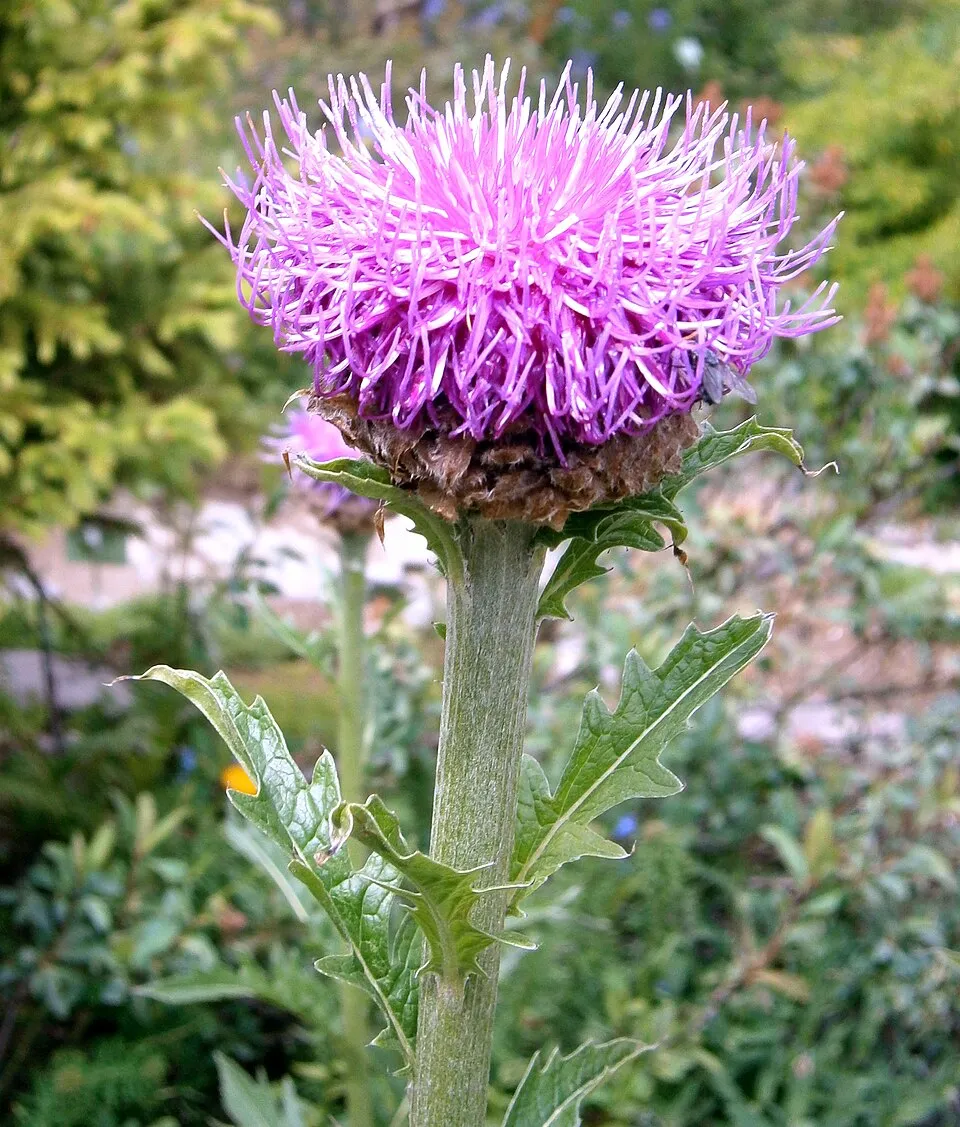
Maral Root, scientifically known as Rhaponticum carthamoides, is a robust perennial herbaceous plant belonging to the Asteraceae family, often reaching heights of 30 to 100 centimeters. Its sturdy, hollow stems can exhibit a slightly branched structure, typically presenting a smooth surface. The leaves are distinct, lanceolate to oblanceolate in form, measuring approximately 10 to 20 centimeters in length and 4 to 8 centimeters in width, characterized by finely serrated edges that lend an attractive texture.
The plant produces dense, thistle-like flower heads, displaying a spectrum of vibrant colors including purple, pink, and occasionally white, with individual clusters spanning 3 to 5 centimeters in diameter. These striking inflorescences typically grace the plant from July through August.
Native to the formidable landscapes of Siberia and Central Asia, Maral Root thrives in challenging environments such as alpine meadows, rocky slopes, and along riverbanks. It demonstrates a preference for well-drained, chalky, and sandy soils that are rich in organic matter, and exhibits adaptability to both partial shade and full sun exposure.
Taxonomically, its inclusion in the Asteraceae family positions it as a botanical relative to other well-known medicinal plants like artichoke and sunflower, which also possess notable therapeutic attributes. The plant's distinctive anatomical features, combined with its natural resilience in harsh climates, underscore its adaptive strategies and make it a subject of significant botanical and medicinal interest.
Historically, Maral Root has been revered in indigenous cultures of Siberia and Central Asia as a powerful tonic and adaptogen. Traditional Siberian shamans and healers used it to enhance physical endurance, combat fatigue, and promote overall vitality, often referring to it as 'Siberian ginseng' due to its perceived strength-giving properties.
Its deep-rooted cultural significance is intertwined with its natural habitat, where it has been utilized for centuries as a natural remedy to support immune function, reduce inflammation, and contribute to general wellness, predating modern scientific inquiry into its potent phytochemical composition.
Trusted Scientific References
1. Authoritative external sources for Rhaponticum carthamoides
1.1 Wikipedia — Rhaponticum carthamoides
1.2 Kew POWO (Plants of the World Online)
1.3 PubMed — peer-reviewed research
1.4 NCBI Taxonomy Browser
1.5 GBIF — Global Biodiversity
1.1.Maral Root — Notable Characteristics
- ✓Perennial Herb — A long-lived plant regenerating annually from its rootstock.
- ✓Asteraceae Family — Part of the daisy and sunflower family, known for composite flowers.
- ✓Adaptogenic Properties — Helps the body resist and adapt to various stressors.
- ✓Rich in Ecdysteroids — Contains powerful compounds like 20-hydroxyecdysone.
- ✓Native to Siberia & Central Asia — Thrives in cold, mountainous regions.
- ✓Thistle — like Flowers — Distinctive purple, pink, or white flower heads.
- ✓Traditionally Used as a Tonic — Valued in folk medicine for vitality and strength.
- ✓Supports Physical Endurance — Popular among athletes for performance enhancement.
- ✓Antioxidant Powerhouse — Contains flavonoids that combat oxidative stress.
- ✓Root is the Medicinal Part — The rhizomes and roots are harvested for extracts.
- ✓Resilient and Hardy Plant — Adapted to harsh environmental conditions.
- ✓Known as Leuzea — An alternative common name for Rhaponticum carthamoides.
- ✓Potential Immunomodulator — May help regulate and support immune function.
- ✓Requires Well — Drained Soil — Prefers specific soil conditions for optimal growth.
1.2.Maral Root — Concise Overview
- ✓Maral Root (Rhaponticum carthamoides) is a Siberian adaptogen.
- ✓Prized for its ecdysteroid content, particularly 20-hydroxyecdysone.
- ✓Traditionally used to enhance athletic performance, energy, and vitality.
- ✓Exhibits antioxidant, anti-inflammatory, and immune-modulating properties.
- ✓Potential benefits for mood, cognitive function, and male reproductive health.
- ✓Belongs to the Asteraceae family, thriving in harsh alpine environments.
- ✓Caution advised for allergies, bleeding disorders, pregnancy, and medication interactions.
2.Maral Root — Botanical Identity
3.Maral Root — Key Data
4.Maral Root — Botanical Description
5.Maral Root — Origin & Spread
6.Maral Root — Traditional Uses
7.Maral Root — Phytochemistry
- ✓Ecdysteroids — Key compounds include 20-hydroxyecdysone, which is a phytoecdysteroid known for its anabolic and adaptogenic effects, potentially enhancing protein synthesis and physical performance.
- ✓Saponins — Rhaponticin is a notable saponin found in Maral Root, contributing to its adaptogenic, immunomodulatory, and potentially anti-inflammatory properties.
- ✓Flavonoids — Important examples are quercetin and kaempferol, renowned for their potent antioxidant, anti-inflammatory, and cardioprotective activities, scavenging free radicals and supporting cellular health.
- ✓Essential Oils — These volatile compounds, such as alpha-pinene, contribute to the plant's characteristic aroma and may possess antimicrobial, anti-inflammatory, and potentially mood-modulating effects.
- ✓Thiophene Polyacetylenes — These unique compounds, identified in Maral Root, have shown interesting biological activities including phototoxicity and antifungal properties in various studies.
- ✓Norsesquiterpene Hydrocarbons — Specific norsesquiterpene compounds have been isolated from the root essential oil, contributing to its complex chemical profile and potentially to its antimicrobial actions.
- ✓Phenolic Acids — Often found alongside flavonoids, these compounds, such as caffeic and chlorogenic acids, exhibit strong antioxidant and anti-inflammatory effects, contributing to overall cellular protection.
- ✓Triterpenes — Beyond saponins, other triterpenoid structures may be present, offering a range of potential pharmacological activities including anti-inflammatory and adaptogenic effects.
- ✓Polysaccharides — Complex carbohydrates that can possess immunomodulatory effects, supporting the body's natural defense mechanisms and overall vitality.
- ✓Phytosterols — Plant sterols such as beta-sitosterol are present, known for their potential to support cardiovascular health and modulate immune responses.
- ✓Tannins — These astringent compounds may contribute to the herb's overall biological activity, offering antioxidant and anti-inflammatory benefits.
8.Maral Root — Evidence-Based Benefits
- ✓Adaptogenic Support — Maral Root is highly valued for its adaptogenic properties, helping the body to adapt and resist various physical, chemical, and biological stressors, thereby promoting overall resilience and homeostasis.
- ✓Enhanced Athletic Performance — The ecdysteroids present in Maral Root, particularly 20-hydroxyecdysone, are believed to support muscle protein synthesis and improve physical endurance, making it popular among athletes for performance enhancement.
- ✓Immune System Modulation — Flavonoids and saponins contribute to the plant's potential to modulate the immune system, supporting the body's natural defense mechanisms and promoting overall immune health.
- ✓Antioxidant Activity — Rich in flavonoids like quercetin and kaempferol, Maral Root exhibits significant antioxidant properties, helping to neutralize free radicals and protect cells from oxidative damage.
- ✓Anti-inflammatory Potential — Traditional uses and preliminary research suggest Maral Root possesses anti-inflammatory effects, which may help to alleviate discomfort associated with inflammation.
- ✓Cognitive Function Support — As an adaptogen that reduces stress, Maral Root may indirectly support cognitive functions such as focus, memory, and mental clarity, contributing to overall brain health.
- ✓Mood Enhancement — Research has explored Maral Root's potential in addressing conditions like depression, suggesting it may have mood-elevating properties and help alleviate symptoms of mental fatigue.
- ✓Male Reproductive Health — Traditional use and some studies indicate potential benefits for male fertility and sexual problems, possibly by supporting hormonal balance and vitality.
- ✓Energy and Vitality Boost — Often used as a general tonic, Maral Root is traditionally consumed to combat fatigue, increase stamina, and promote a sense of overall well-being and vigor.
- ✓Metabolic Regulation — Ecdysteroids are thought to influence various metabolic processes, potentially aiding in the regulation of blood sugar and lipid profiles, though more research is needed.
- ✓Neuroprotective Effects — Preliminary studies suggest that extracts of Rhaponticum carthamoides may offer neuroprotective benefits, helping to protect brain cells from damage, particularly during ischemic events.
- ✓Antimicrobial Properties — Certain compounds, including thiophene polyacetylenes and essential oils, have demonstrated antimicrobial and antifungal activity in laboratory settings.
- ✓Anti-cancer Research Interest — In vitro studies have investigated the effects of Maral Root extracts on cancer cell lines, indicating potential anti-proliferative activity that warrants further investigation.
8.1.Maral Root — Indications & Uses
9.Maral Root — Safety & Side Effects
9.1.Maral Root — Reported Side Effects
- ✓Allergic Reactions — Individuals with known allergies to plants in the Asteraceae/Compositae family, such as ragweed, chrysanthemums, or daisies, may experience allergic reactions.
- ✓Gastrointestinal Upset — Some individuals may experience mild digestive discomfort, such as nausea or stomach upset, especially when first starting use or with high doses.
- ✓Blood Clotting Issues — Maral Root may theoretically slow blood clotting, increasing the risk of bruising or bleeding, particularly in susceptible individuals or those on anticoagulant medications.
- ✓Interactions with Sedatives — Given its potential effects on mood and neural activity, there is a theoretical concern for interaction with sedative medications, although specific data is limited.
- ✓Headache — A small number of users have reported experiencing headaches, particularly during the initial phase of supplementation.
- ✓Insomnia — Due to its stimulating and adaptogenic properties, taking Maral Root late in the day might interfere with sleep patterns for some individuals.
- ✓Heart Palpitations — In rare cases, some users have reported experiencing mild heart palpitations, especially with higher dosages or sensitivity.
9.2.Maral Root — Clinical Safety Notes
- ✓Pregnancy and Breastfeeding — Due to insufficient reliable information regarding its safety, Maral Root should be avoided by pregnant and breastfeeding individuals.
- ✓Allergies to Asteraceae Family — Individuals allergic to ragweed, chrysanthemums, marigolds, daisies, or other members of the Asteraceae/Compositae family should exercise caution or avoid use due to potential allergic reactions.
- ✓Bleeding Disorders — Maral Root may slow blood clotting, posing an increased risk of bruising and bleeding for individuals with bleeding disorders. Consult a healthcare provider.
- ✓Scheduled Surgery — Discontinue use of Maral Root at least two weeks prior to any scheduled surgery to minimize the risk of excessive bleeding during and after the procedure.
- ✓Medication Interactions — Exercise caution when combining Maral Root with anticoagulant/antiplatelet medications (e.g., aspirin, warfarin), as it may enhance their effects and increase bleeding risk.
- ✓Lack of Standardized Dosing — There is currently insufficient scientific information to establish a universally appropriate range of doses for Maral Root, highlighting the importance of professional guidance.
- ✓Professional Consultation — Always consult a pharmacist, physician, or other qualified healthcare professional before starting any new herbal supplement, especially if you have existing health conditions or are taking medications.
- ✓Quality of Product — Ensure purchasing Maral Root products from reputable sources to guarantee purity, potency, and absence of contaminants.
10.Maral Root — Usage Guide
- ✓Decoction Preparation — To make a decoction, simmer dried Maral Root slices or coarse powder in water for 15-30 minutes, then strain and consume.
- ✓Tincture Extraction — The root can be macerated in an alcohol-water solution for several weeks to create a potent tincture, typically consumed in drops.
- ✓Powdered Form — Dried Maral Root can be finely ground into a powder, which can then be encapsulated or mixed into beverages or food.
- ✓Herbal Infusions — While less common for roots, a strong infusion can be made by steeping finely cut root in hot water for an extended period.
- ✓Standardized Extracts — Commercial products often provide standardized extracts, ensuring a consistent concentration of active compounds like ecdysteroids.
- ✓Dosage Guidelines — Always consult a qualified healthcare practitioner or refer to product-specific instructions for appropriate dosage, as it varies based on concentration and individual needs.
- ✓Topical Applications — In some traditional practices, poultices or compresses made from the root may be applied externally for localized support, though this is less common for Maral Root.
- ✓Culinary Use (Limited) — While primarily medicinal, some cultures may incorporate small amounts of the root into health-promoting soups or broths.
- ✓Combine with Other Adaptogens — Maral Root is sometimes combined with other adaptogenic herbs like Rhodiola or Eleuthero for synergistic effects.
- ✓Continuous Use — For adaptogenic benefits, Maral Root is often taken consistently over a period, rather than as a single dose, but cycling may be recommended.
11.Maral Root — How to Grow
- ✓Site Selection — Choose a location with full sun to partial shade, mimicking its natural alpine habitat for optimal growth and phytochemical development.
- ✓Soil Preparation — Maral Root thrives in well-drained, fertile soil with a pH range of 6.0 to 7.5, ideally amended with organic matter like compost to enhance nutrient content.
- ✓Propagation by Seeds — Sow seeds in early spring, either directly outdoors after the last frost or indoors 6-8 weeks prior for transplanting, ensuring shallow planting.
- ✓Spacing Requirements — When transplanting or thinning, maintain a spacing of approximately 30-45 cm between plants to allow for ample root development and air circulation.
- ✓Watering Regimen — Provide consistent moisture, especially during dry periods, but avoid waterlogging as the plant prefers well-drained conditions.
- ✓Fertilization — Light application of a balanced organic fertilizer in spring can support vigorous growth, particularly in nutrient-poor soils.
- ✓Pest and Disease Management — Maral Root is relatively resistant to pests and diseases, but monitor for common garden issues and address them with organic solutions if necessary.
- ✓Harvesting Roots — The medicinal value lies in the roots, which are typically harvested in the autumn of the second or third year of growth, when active compound concentrations are highest.
- ✓Overwintering — Being a perennial, the plant is hardy and will naturally go dormant in winter, requiring minimal protection in most temperate climates.
- ✓Root Division — For propagation, mature plants can be divided in early spring or fall, ensuring each section has healthy roots and shoots.
Reviewed by the Flora Medical Global Botanical Review Panel
Multi-disciplinary editorial group · Botany · Ethnobotany · Herbal-medicine literature
Who reviewed this: This page was checked by the Flora Medical Global Botanical Review Panel — an in-house editorial group of botany graduates, ethnobotany researchers, and horticulture practitioners who collectively maintain our 7,000+ plant encyclopedia. Meet the team.
Our 4-step verification process
1. Taxonomic verification
Scientific names and synonyms cross-checked against Kew POWO, World Flora Online, and The Plant List.
2. Phytochemical & medicinal cross-reference
Active compounds, traditional uses, and reported activities are cross-referenced with PubMed, USDA Dr. Duke's database, and peer-reviewed ethnobotanical literature.
3. Conservation & distribution check
Distribution, ecology, and conservation status confirmed against GBIF occurrence records and the IUCN Red List.
4. Editorial & safety review
Every entry passes an editorial pass for clarity, originality, and safety notices (toxicity, contraindications, dosage caveats) before publication.
Last reviewed:
Important medical disclaimer: This content is for educational and research purposes only. It is not medical advice and is not a substitute for consultation with a licensed healthcare provider. Do not use any herb to self-treat a medical condition without professional guidance.
Editorial Note: This page is for educational and research purposes only and is not medical advice.
Written by: Flora Medical Global Editorial Team
Reviewed by: Flora Medical Global Botanical Review Panel
Last Updated: June 16, 2026





Maral Root — Comments & Community Reviews
Rate this plant