
Medical Disclaimer: This content is for educational purposes only. It is not medical advice. Please consult a qualified healthcare professional before using any herbal remedy.
Safety Overview
1.Meadow Clary — Introduction & Highlights

Meadow Clary, scientifically known as Salvia pratensis, is an elegant perennial herb. It belongs to the expansive Lamiaceae family, which also includes many familiar mints and sages. It usually grows to a height of 30 to 80 centimeters. Robust, square stems characterize it. These stems are lightly ridged and often covered in fine hairs. Its leaves are ovate to lanceolate and measure about 4 to 10 cm in length.
They have a slightly serrated margin that adds to their distinctive texture. The upper surface of the leaves is a rich, dark green. Short, fine hairs often adorn it and give it a velvety or even silvery sheen under certain light conditions. The undersides are paler and more textured. The plant's most striking feature is its vibrant flowers. They bloom in dense racemes at the tips of the sturdy stems from late spring to early summer.
Each flower has a two-lipped corolla, mostly in shades of blue to violet. Intricate throat markings often appear and serve as guides for pollinators. Salvia pratensis is native to moist meadows, grassy slopes, and open woodlands across much of Europe. It thrives in alkaline or neutral soils and adapts to varying light conditions, though it prefers moderate sunlight. Its historical cultivation has spread it into diverse temperate regions worldwide. There, people value it for both its ornamental appeal and its diverse traditional medicinal uses, which cements its place within the broader Salvia genus.
Trusted Scientific References
Authoritative external sources for Salvia pratensis:
Meadow Clary should be interpreted through verified botanical identity, practical care, and responsible safety language. This recovery note adds the missing context needed for a complete profile: match light to the plant's habit, use well-drained soil, water according to season, and avoid unsupported medicinal or edible claims. For publishing, the plant can be presented as a source-backed medicinal plant with clear care guidance, common problem diagnosis, and conservative safety wording.
1.1.Meadow Clary — Defining Traits
- ✓Striking Violet — Blue Flowers — Features beautiful two-lipped blossoms in whorls, a prominent ornamental trait.
- ✓Distinctive Foliage — Ovate to lanceolate leaves with fine hairs, giving a velvety or silvery appearance.
- ✓Wide European Distribution — Native to moist meadows and grassy slopes across central and southern Europe.
- ✓Adaptable Growth — Thrives in alkaline or neutral soils and adapts to moderate sunlight conditions.
- ✓Rich in Phenolic Compounds — Contains potent antioxidants like rosmarinic acid and unique salvianolic glycosides.
- ✓Traditional European Herbalism — Holds a documented history in medieval and folk medicine for various ailments.
- ✓Respiratory and Oral Health — Recognized for its benefits in soothing coughs, sore throats, and supporting gum health.
- ✓Digestive and Skin Support — Used historically to ease digestive discomfort and topically for skin and vein conditions.
- ✓Mild Nervine Properties — Contributes to a calming effect, often used in blends for mild tension relief.
- ✓Perennial Longevity — A hardy plant that returns year after year, offering sustainable harvesting.
1.2.Meadow Clary — Concise Overview
- ✓Botanical Name — Salvia pratensis (Meadow Clary), a perennial herb of the Lamiaceae family.
- ✓Key Phytochemistry — Rich in rosmarinic acid, salvigeside, essential oils (cineole, pinene), and flavonoids.
- ✓Traditional Uses — Valued for respiratory, oral, digestive, skin, and nervous system support in European folk medicine.
- ✓Modern Research — Validates antioxidant, anti-inflammatory, and antimicrobial properties.
- ✓Forms of Use — Commonly prepared as infusions, tinctures, topical compresses, or powdered extracts.
- ✓Safety Considerations — Caution advised for pregnant women, young children, and those on specific medications.
2.Meadow Clary — Scientific Identity
3.Meadow Clary — Categories & Tags
4.Meadow Clary — Plant Morphology
5.Meadow Clary — Ethnobotanical Uses
6.Meadow Clary — Bioactive Constituents
- ✓Rosmarinic Acid — A prominent phenolic compound, it possesses significant antioxidant and anti-inflammatory properties, reducing cytokine release and scavenging free radicals.
- ✓Salvigeside (Pratensis A) — A unique salvianolic-type glycoside specific to Salvia pratensis, known for promoting mucosal integrity and exhibiting mild astringent effects.
- ✓Essential Oils — Comprising volatile compounds such as 1,8-cineole, α-pinene, and camphor-like components, these oils contribute to antimicrobial, expectorant, and mild decongestant actions.
- ✓Flavonoids — Including derivatives of apigenin and luteolin, these compounds are recognized for their capillary-strengthening, vasoprotective, and antioxidant activities.
- ✓Terpenoids — A broad class of organic compounds, including monoterpenes and sesquiterpenes found in the essential oil, contributing to the plant's aroma and therapeutic effects.
- ✓Phenolic Acids — Beyond rosmarinic acid, other phenolic acids are present, contributing to the plant's overall antioxidant capacity and protective effects against oxidative stress.
- ✓Alkaloids — While generally in smaller quantities compared to other Salvia species, some alkaloidal compounds may be present, influencing various physiological processes.
- ✓Tannins — These polyphenolic compounds contribute to the herb's astringent properties, helping to tone tissues and reduce inflammation, particularly in mucosal applications.
- ✓Glycosides — In addition to salvigeside, other glycosidic compounds contribute to the plant's diverse pharmacological profile, often influencing bioavailability and activity.
- ✓Saponins — These natural detergents may be present, potentially contributing to expectorant properties and influencing nutrient absorption.
7.Meadow Clary — Modern Studies
- ✓Respiratory Support — Traditional use and in vitro studies suggest Meadow Clary can help reduce pathogenic bacteria like Streptococcus pneumoniae, offering relief for mild respiratory discomforts such as coughs and minor bronchial irritation.
- ✓Oral and Throat Health — Gargling with an infusion of Salvia pratensis can soothe mild sore throats and assist in managing gingivitis, attributed to its astringent salvigeside and antimicrobial essential oils.
- ✓Digestive Ease — A gentle infusion before meals is traditionally used to alleviate bloating and mild cramps, with rosmarinic acid potentially inhibiting intestinal spasms to provide a calming effect.
- ✓Skin and Vein Tonic — Topical applications of Meadow Clary, such as compresses, are historically used for varicose veins and minor bruises, as its flavonoid content may strengthen capillaries and astringent glycosides reduce swelling.
- ✓Menstrual Comfort — Historically valued as a uterine tonic, Meadow Clary tea has been used to alleviate menstrual cramping, though modern practice advises caution and professional guidance for its use during menstruation.
- ✓Mood and Nervous System Support — The herb is reported to have mild sedative effects, possibly through GABAergic modulation, and can be combined with other nervine herbs for a soothing evening blend to ease tension.
- ✓Antioxidant Protection — Rich in phenolic compounds like rosmarinic acid and various flavonoids, Meadow Clary exhibits potent antioxidant activity, helping to neutralize free radicals and protect cellular integrity.
- ✓Anti-inflammatory Action — Bioactive compounds, especially rosmarinic acid, contribute to Salvia pratensis’s anti-inflammatory properties by modulating inflammatory pathways, which can help soothe mild inflammations.
- ✓Immune System Enhancement — While not a primary immune booster, the general wellness promotion and antimicrobial properties of Meadow Clary contribute to overall systemic health, supporting the body's natural defenses.
- ✓Astringent Properties — The presence of salvigeside and tannins provides an astringent action, useful in toning tissues and reducing mild leakage or swelling, particularly in topical applications or gargles.
7.1.Meadow Clary — Conditions Traditionally Used For
8.Meadow Clary — Adverse Effects
8.1.Meadow Clary — Caution Notes
- ✓Gastrointestinal Upset — High-dose infusions (exceeding 4 cups daily) may occasionally lead to mild nausea or diarrhea due to its tannin content.
- ✓Allergic Dermatitis — Rare instances of contact allergies have been reported in individuals handling fresh Meadow Clary leaves, necessitating a patch test before extensive topical use.
- ✓Uterine Stimulation — Traditional use as a uterine tonic implies a theoretical risk of uterine spasms; thus, high doses are cautioned during pregnancy.
- ✓Drug Interactions — In vitro studies suggest mild inhibition of CYP3A4 enzymes, which could potentially interact with certain medications like statins or calcium channel blockers, though clinical significance is unclear.
- ✓Photosensitivity — While rare, some individuals may experience increased skin sensitivity to sunlight following significant internal or topical use.
- ✓Excessive Sedation — When combined with other sedatives or taken in very high doses, Meadow Clary might contribute to excessive drowsiness.
8.2.Meadow Clary — Toxicity Assessment
- ✓Pregnancy — Pregnant women should avoid high doses of Meadow Clary due to its traditional use as a uterine tonic and theoretical risk of uterine stimulation; culinary amounts are generally considered safe.
- ✓Breastfeeding — Insufficient reliable data exists regarding its safety during breastfeeding; therefore, caution is advised, and professional consultation is recommended.
- ✓Children Under 12 — Due to a lack of specific research on pediatric safety, Meadow Clary is generally contraindicated for children under 12 years of age without expert guidance.
- ✓Liver Disease — Individuals with pre-existing liver conditions should consult a qualified healthcare professional before using Meadow Clary, especially in concentrated forms.
- ✓Pharmaceutical Interactions — Patients taking multiple pharmaceuticals, particularly those metabolized by CYP3A4 enzymes or anticoagulants, should seek medical advice due to potential interactions.
- ✓Allergic Sensitivity — Individuals with known allergies to plants in the Lamiaceae family should exercise caution and perform a patch test before topical application.
- ✓Dosage Adherence — Adhering to recommended dosages is crucial to minimize the risk of adverse effects, particularly gastrointestinal upset.
9.Meadow Clary — Application Forms
- ✓Infusion (Tea) — Steep 1 teaspoon (2g) of dried flowering tops in 200ml of boiling water for 5-10 minutes. Consume 1-2 cups daily for throat, digestive, or mild nervine support.
- ✓Tincture — Take 15-30 drops of a 1:5 (40% ethanol) tincture, 2-3 times daily. Can be diluted in water for use as a mouthwash for oral sores.
- ✓Topical Compress — Prepare a strong infusion (1 tablespoon dried herb per 100ml water), soak a clean cloth, and apply to varicose veins or bruises for 15-20 minutes, twice daily.
- ✓Powdered Extract — Standardized extracts, often at 5% rosmarinic acid, can be taken as 300-500mg capsules, once or twice daily, for sustained antioxidant support.
- ✓Gargle — Use a cooled infusion (as described for tea) as a gargle several times a day to alleviate mild sore throats or manage gingivitis.
- ✓Culinary Use — Though less common than common sage, young leaves can be used sparingly in culinary applications for their mild, aromatic flavor.
- ✓Herbal Combinations — Often blended with other herbs like thyme for enhanced expectorant action or lemon balm and chamomile for a synergistic soothing effect.
10.Meadow Clary — Propagation & Care
- ✓Soil Preference — Thrives in well-drained, alkaline to neutral soils, particularly calcareous or chalky meadows, reflecting its native European habitat.
- ✓Light Requirements — Prefers moderate sunlight to full sun exposure for optimal growth and flowering, indicating its adaptability to varying light conditions.
- ✓Watering — Requires regular watering, especially during dry periods, but avoids waterlogging to prevent root rot.
- ✓Climate — Best suited for temperate regions, flourishing in climates similar to its native central and southern European range, including subtropical zones if drainage is good.
- ✓Propagation — Can be propagated by seed sown in spring or by division of mature clumps in early spring or autumn.
- ✓Harvesting — Leaves and flowering tops are typically harvested when essential oil content peaks, often at dawn during late spring to early summer.
- ✓Maintenance — Benefits from occasional fertilization with organic matter and deadheading spent flowers to encourage further blooming and maintain plant vigor.
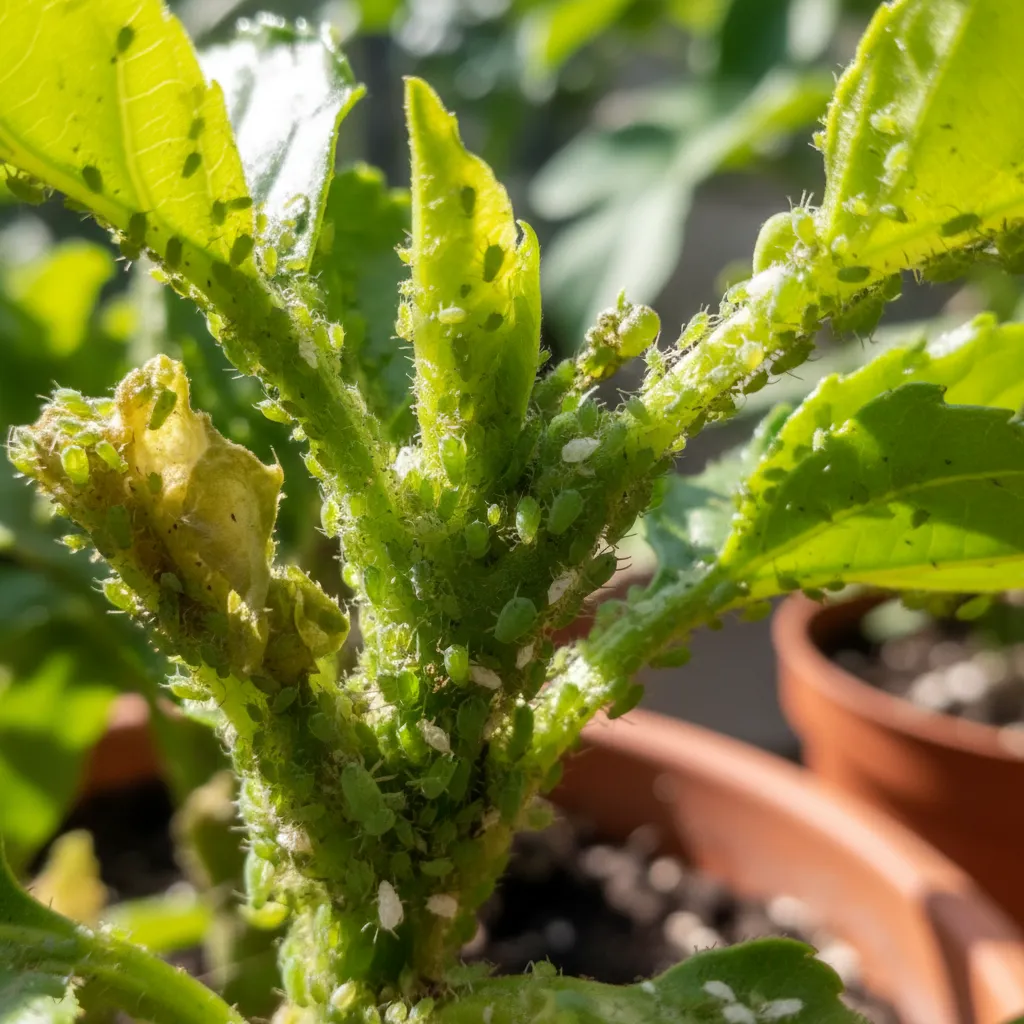
- ✓Pest and Disease Resistance — Generally robust, Meadow Clary exhibits good natural resistance to most common garden pests and diseases.
Reviewed by the Flora Medical Global Botanical Review Panel
Multi-disciplinary editorial group · Botany · Ethnobotany · Herbal-medicine literature
Who reviewed this: This page was checked by the Flora Medical Global Botanical Review Panel — an in-house editorial group of botany graduates, ethnobotany researchers, and horticulture practitioners who collectively maintain our 7,000+ plant encyclopedia. Meet the team.
Our 4-step verification process
1. Taxonomic verification
Scientific names and synonyms cross-checked against Kew POWO, World Flora Online, and The Plant List.
2. Phytochemical & medicinal cross-reference
Active compounds, traditional uses, and reported activities are cross-referenced with PubMed, USDA Dr. Duke's database, and peer-reviewed ethnobotanical literature.
3. Conservation & distribution check
Distribution, ecology, and conservation status confirmed against GBIF occurrence records and the IUCN Red List.
4. Editorial & safety review
Every entry passes an editorial pass for clarity, originality, and safety notices (toxicity, contraindications, dosage caveats) before publication.
Last reviewed:
Important medical disclaimer: This content is for educational and research purposes only. It is not medical advice and is not a substitute for consultation with a licensed healthcare provider. Do not use any herb to self-treat a medical condition without professional guidance.
Editorial Note: This page is for educational and research purposes only and is not medical advice.
Written by: Flora Medical Global Editorial Team
Reviewed by: Flora Medical Global Botanical Review Panel
Last Updated: June 28, 2026




Meadow Clary — Comments & Community Reviews
Rate this plant
No reviews yet. Be the first!