

Medical Disclaimer: This content is for educational purposes only. It is not medical advice. Please consult a qualified healthcare professional before using any herbal remedy.
Safety Overview
1.Mexican Yam — Plant Snapshot

Mexican Yam, scientifically known as Dioscorea mexicana, is a significant tuberous vine in the Dioscoreaceae family. This perennial plant is native to Mexico and Central America. It thrives in tropical and subtropical regions. It is often found scrambling over trees and shrubs at forest edges or in disturbed areas. Morphologically, it features large, woody, and irregularly shaped tubers. These tubers can grow quite substantial and serve as the primary medicinal part.
The stems are slender, twining, and typically covered in fine hairs. Its heart-shaped to broadly ovate leaves are arranged alternately along the stem. They show prominent venation and a smooth, sometimes slightly glossy texture. The plant produces small, inconspicuous flowers, usually greenish-yellow. These flowers are dioecious, which means male and female flowers grow on separate plants. They develop into three-winged capsules that contain flattened seeds.
Dioscorea mexicana stands out among its genus for its specific tuber morphology and chemical profile. Its rich content of steroidal saponins is especially notable. This makes it a valuable subject in both traditional medicine and modern pharmacological research. Its robust nature lets it adapt to various soil types. It prefers well-drained, humus-rich conditions and ample sunlight for optimal growth and tuber development.
Trusted Scientific References
Authoritative external sources for Dioscorea mexicana:
Mexican Yam should be interpreted through verified botanical identity, practical care, and responsible safety language. This recovery note adds the missing context needed for a complete profile: match light to the plant's habit, use well-drained soil, water according to season, and avoid unsupported medicinal or edible claims. For publishing, the plant can be presented as a source-backed medicinal plant with clear care guidance, common problem diagnosis, and conservative safety wording.
1.1.Mexican Yam — Key Features
- ✓Rich in Diosgenin — A prominent steroidal saponin and a precursor for steroid synthesis in laboratories.
- ✓Traditional Medicinal Heritage — Deeply rooted in folk medicine of Mexico and Central America for centuries.
- ✓Anti — inflammatory Potential — Valued for its ability to help reduce inflammation and associated pain.
- ✓Digestive Aid — Historically utilized to soothe gastrointestinal discomfort and spasms.
- ✓Women's Health Support — Traditionally employed for menopausal symptoms and menstrual cramps.
- ✓Antioxidant Properties — Contains compounds that combat oxidative stress and support cellular health.
- ✓Adaptogenic Qualities — Believed by some to help the body adapt to stress and promote overall well-being.
- ✓Tuberous Root — The primary medicinal part, known for its large, woody, and irregularly shaped structure.
- ✓Perennial Climbing Vine — A robust plant that thrives in tropical and subtropical environments.
- ✓Ethnobotanical Significance — Plays a vital role in the cultural and medicinal practices of indigenous communities.
1.2.Mexican Yam — Snapshot Summary
- ✓Mexican Yam (Dioscorea mexicana) is a traditional medicinal plant from the Dioscoreaceae family.
- ✓Key active compound is diosgenin, a steroidal saponin.
- ✓Traditionally used for anti-inflammatory, digestive, and women's hormonal support (with caveats).
- ✓Not directly converted to human hormones in the body, but exhibits estrogen-like activity.
- ✓Requires careful use, especially for pregnant individuals or those with hormone-sensitive conditions.
- ✓Valued in folk medicine across Mexico and Central America for its diverse therapeutic properties.
2.Mexican Yam — Scientific Identity
3.Mexican Yam — Categories & Tags
4.Mexican Yam — Plant Morphology
5.Mexican Yam — Historical Applications
6.Mexican Yam — Secondary Metabolites
- ✓Steroidal Saponins — Diosgenin is the most prominent, serving as a significant precursor for steroid synthesis in laboratory settings; other saponins like dioscin also contribute to its pharmacological activity, known for anti-inflammatory and hypocholesterolemic effects.
- ✓Flavonoids — These polyphenolic compounds, including quercetin and kaempferol derivatives, are potent antioxidants, protecting cells from oxidative damage and contributing to anti-inflammatory actions.
- ✓Alkaloids — Present in trace amounts, these nitrogen-containing compounds may contribute to some of the plant's traditional analgesic or antispasmodic properties, though specific alkaloids in D. mexicana require more research.
- ✓Terpenoids — A diverse group of organic compounds that often possess anti-inflammatory, antimicrobial, and antioxidant activities, contributing to the plant's broad therapeutic spectrum.
- ✓Phenolic Compounds — Beyond flavonoids, various other phenolic acids and compounds are found, enhancing the plant's antioxidant capacity and contributing to its protective effects against cellular damage.
- ✓Tannins — Astringent compounds that can exhibit antimicrobial and anti-inflammatory properties, often contributing to digestive health benefits and wound healing in traditional applications.
- ✓Phytosterols — Plant sterols such as beta-sitosterol are present, known for their potential to support cardiovascular health and modulate immune responses.
- ✓Glycosides — Various glycosides are found, where a sugar molecule is attached to an active compound, influencing its bioavailability and pharmacological activity.
- ✓Starch — As a tuber, Mexican Yam is naturally rich in complex carbohydrates, providing energy and dietary fiber, though the medicinal focus is on its secondary metabolites.
7.Mexican Yam — Modern Studies
- ✓Anti-inflammatory Support — Rich in steroidal saponins like diosgenin, Mexican Yam is traditionally used to alleviate inflammation, potentially by modulating inflammatory pathways in the body.
- ✓Digestive Health Aid — Historically employed to soothe gastrointestinal discomfort, including colic and spasms, suggesting a carminative or antispasmodic effect on the digestive tract.
- ✓Women's Hormonal Balance — While not directly converted to human hormones in the body, its diosgenin content is believed to exert some estrogen-like activity, traditionally used for menopausal symptoms and PMS support.
- ✓Antispasmodic Properties — May help reduce muscle cramps and spasms, particularly beneficial for menstrual discomfort and general muscle tension, attributed to its relaxant effects.
- ✓Antioxidant Activity — Contains flavonoids and phenolic compounds that combat oxidative stress by neutralizing free radicals, thereby supporting cellular health and protecting against damage.
- ✓Immune System Modulation — Traditional uses suggest a role in bolstering the immune response, though specific mechanisms require further modern scientific investigation.
- ✓Pain Relief — Applied topically or consumed, Mexican Yam has been historically used to mitigate various types of pain, including joint pain associated with conditions like rheumatoid arthritis.
- ✓Bone Health Support — Though evidence is insufficient, traditional practices have linked its use to supporting bone density and alleviating symptoms of conditions like osteoporosis.
- ✓Gallbladder Function — In some traditional systems, it is used to address gallbladder pain and support its healthy function, possibly through its influence on bile production or flow.
- ✓General Wellness Promotion — Beyond specific ailments, Mexican Yam is valued in folk medicine for its overall tonic properties, contributing to vitality and general well-being.
7.1.Mexican Yam — Reported Uses
8.Mexican Yam — Adverse Effects
8.1.Mexican Yam — Warnings
- ✓Nausea and Vomiting — Large doses of Mexican Yam, particularly raw or improperly prepared, can induce gastrointestinal upset, including nausea and vomiting.
- ✓Allergic Reactions — Individuals sensitive to plants in the Dioscoreaceae family may experience allergic reactions, such as skin rashes or digestive disturbances.
- ✓Digestive Discomfort — In some individuals, even moderate doses may lead to mild stomach upset, diarrhea, or bloating.
- ✓Potential Estrogenic Effects — Despite not converting to estrogen in the body, its diosgenin content may exhibit estrogen-like activity, which could theoretically impact hormone-sensitive individuals.
- ✓Skin Irritation — Topical application of fresh or poorly prepared yam can sometimes cause localized skin irritation or dermatitis in sensitive individuals.
- ✓Interactions with Hormonal Therapies — Due to its potential estrogen-like activity, it may interact with prescription estrogen medications, potentially altering their efficacy.
8.2.Mexican Yam — Risk Assessment
- ✓Pregnancy and Breastfeeding — Avoid use during pregnancy and breastfeeding due to insufficient reliable information regarding its safety and potential hormonal effects.
- ✓Hormone-Sensitive Conditions — Contraindicated in individuals with hormone-sensitive conditions such as breast cancer, uterine cancer, ovarian cancer, endometriosis, or uterine fibroids, due to its potential estrogen-like activity.
- ✓Protein S Deficiency — Individuals with protein S deficiency, which increases the risk of blood clots, should avoid Mexican Yam due to concerns that it might act like estrogen and potentially increase clotting risk.
- ✓Drug Interactions — May interact with estrogen-containing medications (e.g., oral contraceptives, hormone replacement therapy), potentially reducing their effectiveness.
- ✓Dosage Adherence — Adhere strictly to recommended dosages; excessive consumption can lead to adverse effects, particularly gastrointestinal distress.
- ✓Professional Consultation — Always consult a healthcare professional or qualified herbalist before using Mexican Yam, especially if you have pre-existing health conditions or are taking other medications.
- ✓Quality Control — Source high-quality products from reputable suppliers to ensure purity, potency, and absence of contaminants.
9.Mexican Yam — How to Use
- ✓Decoction — The dried tuber is simmered in water to extract its active compounds, commonly used for internal complaints like digestive issues or inflammatory conditions.
- ✓Tincture — A concentrated liquid extract made by soaking the dried root in alcohol, offering a convenient and potent form for internal use, often dosed in drops.
- ✓Capsules/Tablets — Standardized extracts or powdered dried root are encapsulated for precise dosing, popular for general wellness or hormonal support.
- ✓Topical Cream/Ointment — Infused oils or extracts are incorporated into creams for external application, traditionally used for muscle aches, joint pain, or skin irritations.
- ✓Poultice — Fresh or dried, rehydrated tuber is crushed and applied directly to the skin for localized pain relief or inflammation, as a traditional folk remedy.
- ✓Herbal Tea — While less common due to the tuber's texture, finely grated or powdered dried yam can be steeped to make a therapeutic tea for gentle internal benefits.
- ✓Culinary Use (Limited) — Though some Dioscorea species are edible, D. mexicana is generally not consumed as a food source due to its bitter taste and high saponin content; medicinal use is distinct.
- ✓Professional Guidance — Always consult a qualified healthcare practitioner or medical herbalist for appropriate dosage and preparation methods, especially for therapeutic applications.
10.Mexican Yam — Growing Guide
- ✓Climate Preference — Thrives in warm, tropical to subtropical climates with high humidity, ideally frost-free conditions for optimal growth.
- ✓Soil Requirements — Prefers well-drained, fertile, humus-rich loamy soil with a slightly acidic to neutral pH (6.0-7.0).
- ✓Light Exposure — Requires full sun to partial shade, with at least 6 hours of direct sunlight daily for robust tuber development.
- ✓Propagation — Primarily propagated from sections of the tuber (known as 'setts') or stem cuttings, ensuring each piece has at least one 'eye' or bud; seeds are also viable but slower.
- ✓Watering — Needs consistent moisture, especially during the growing season, but avoid waterlogging to prevent tuber rot; reduce watering during dormancy.
- ✓Support Structure — As a climbing vine, Mexican Yam requires a sturdy trellis, stake, or nearby tree for support to allow its stems to twine upwards.
- ✓Harvesting — Tubers are typically harvested after 9-12 months of growth, usually when the foliage begins to yellow and die back, indicating dormancy.
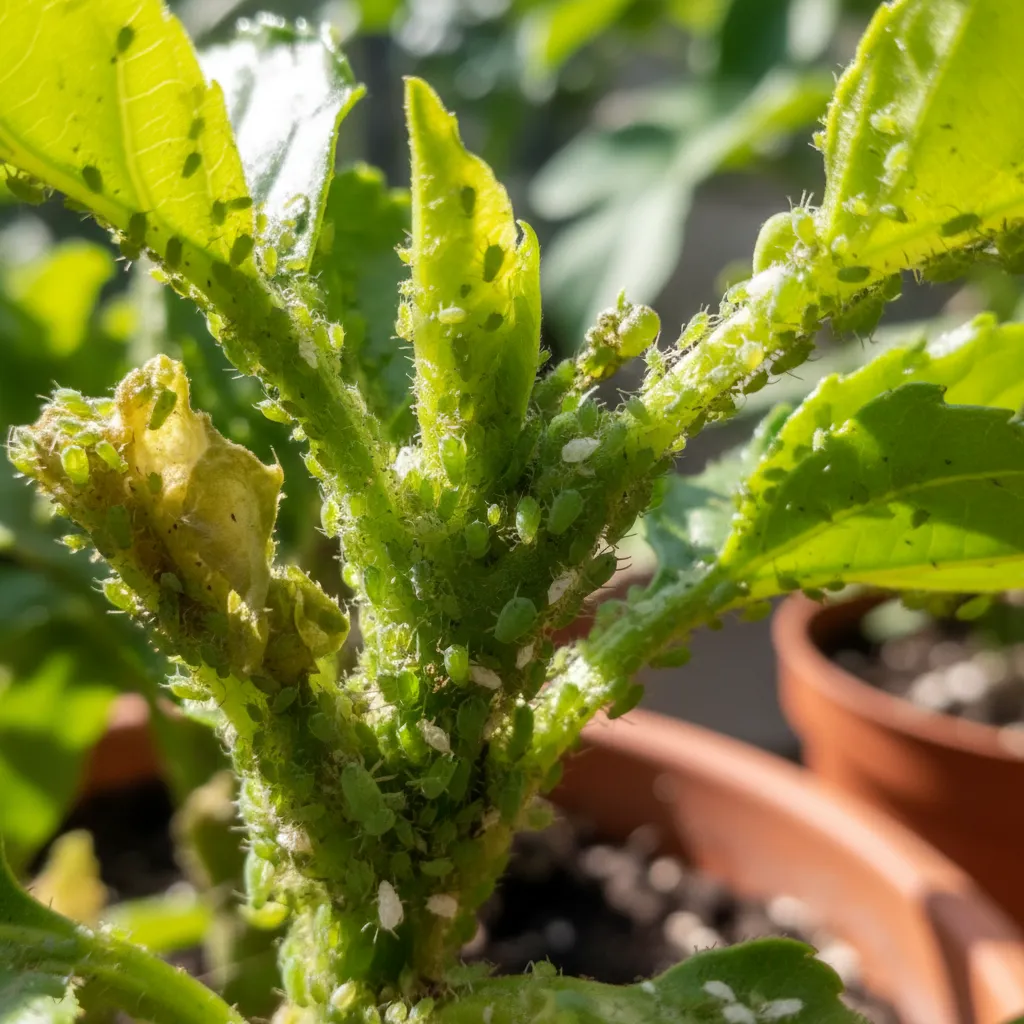
- ✓Pests and Diseases — Generally resistant, but can be susceptible to root-knot nematodes and fungal diseases in poorly drained or overly moist conditions.
Reviewed by the Flora Medical Global Botanical Review Panel
Multi-disciplinary editorial group · Botany · Ethnobotany · Herbal-medicine literature
Who reviewed this: This page was checked by the Flora Medical Global Botanical Review Panel — an in-house editorial group of botany graduates, ethnobotany researchers, and horticulture practitioners who collectively maintain our 7,000+ plant encyclopedia. Meet the team.
Our 4-step verification process
1. Taxonomic verification
Scientific names and synonyms cross-checked against Kew POWO, World Flora Online, and The Plant List.
2. Phytochemical & medicinal cross-reference
Active compounds, traditional uses, and reported activities are cross-referenced with PubMed, USDA Dr. Duke's database, and peer-reviewed ethnobotanical literature.
3. Conservation & distribution check
Distribution, ecology, and conservation status confirmed against GBIF occurrence records and the IUCN Red List.
4. Editorial & safety review
Every entry passes an editorial pass for clarity, originality, and safety notices (toxicity, contraindications, dosage caveats) before publication.
Last reviewed:
Important medical disclaimer: This content is for educational and research purposes only. It is not medical advice and is not a substitute for consultation with a licensed healthcare provider. Do not use any herb to self-treat a medical condition without professional guidance.
Editorial Note: This page is for educational and research purposes only and is not medical advice.
Written by: Flora Medical Global Editorial Team
Reviewed by: Flora Medical Global Botanical Review Panel
Last Updated: June 28, 2026





Mexican Yam — Comments & Community Reviews
Rate this plant
No reviews yet. Be the first!