
Medical Disclaimer: This content is for educational purposes only. It is not medical advice. Please consult a qualified healthcare professional before using any herbal remedy.
Safety Overview
1.Morning Glory — Introduction & Highlights

Ipomoea nil, widely recognized by its common names such as Blue Morning Glory and Japanese Morning Glory (or 'Asagao' in Japan), is an enchanting perennial climbing plant belonging to the Convolvulaceae family. This vigorous vine typically reaches heights of 2 to 3 meters, or even more in ideal conditions, gracefully twining around supporting structures with its flexible stems, which can be either hairy or glabrous. Its foliage is characterized by heart-shaped (cordate) to ovate leaves, often measuring between 5 to 12 cm in length, displaying a rich green hue and sometimes exhibiting unique lobed or variegated patterns in various cultivars.
The plant's most striking feature is its funnel-shaped flowers, which are usually 5 to 10 cm in diameter. These vibrant blooms unfurl predominantly in the morning, showcasing a spectrum of colors from bright blue to violet, purple, pink, or white, frequently accented with a contrasting white throat, and gracefully close as the day progresses.
Ipomoea nil is indigenous to tropical and subtropical regions across the globe, flourishing particularly well in areas with ample sunlight and well-drained soils. Its natural distribution spans Southeast Asia, parts of Africa, and the Americas, where it can be found trailing or climbing over diverse substrates, highlighting its ecological adaptability. Taxonomically, it is classified within the larger order Solanales, which encompasses many economically significant plant species.
Historically, Ipomoea nil holds a profound cultural and medicinal legacy. During Japan's Edo period (17th–19th century), it was intensely cultivated, leading to hundreds of color variants and becoming a symbol of fleeting beauty in classical poetry. Beyond its ornamental appeal, its seeds were noted by 18th-century Guangzhou herbalists for their mild purgative properties.
Nineteenth-century Ayurvedic texts from Kerala recognized its anthelmintic uses, while Sri Lankan traditional midwives employed crushed leaves as a poultice for minor ailments. This rich history underscores a perception shift over time, from a rural emergency purgative to a globally cherished ornamental, with renewed modern interest in its phytochemistry bringing its herbal roots back into focus.
Trusted Scientific References
1. Authoritative external sources for Ipomoea nil
1.1 Wikipedia — Ipomoea nil
1.2 Kew POWO (Plants of the World Online)
1.3 PubMed — peer-reviewed research
1.4 NCBI Taxonomy Browser
1.5 GBIF — Global Biodiversity
1.1.Morning Glory — Defining Traits
- ✓Botanical Name — Ipomoea nil
- ✓Common Names — Blue Morning Glory, Japanese Morning Glory, Asagao
- ✓Plant Type — Perennial climbing vine
- ✓Flower Characteristics — Funnel-shaped, 5-10 cm, blue/violet/pink/white, morning bloom
- ✓Leaf Morphology — Heart-shaped (cordate) to ovate, often lobed or variegated
- ✓Primary Active Compounds — Anthocyanins, Convolvulin, Quercetin, Kaempferol
- ✓Traditional Uses — Mild laxative, anthelmintic, anti-inflammatory, skin soothing
- ✓Medicinal Parts — Seeds (purgative), leaves (anti-inflammatory, topical), flowers (antioxidant)
- ✓Habitat — Tropical and subtropical regions, well-drained soils, full sun
- ✓Family — Convolvulaceae (Morning Glory Family)
- ✓SEO Focus — Ipomoea nil benefits, Blue Morning Glory uses, natural laxative, herbal anti-inflammatory
- ✓Safety Considerations — Contraindicated in pregnancy, IBD; potential for GI distress with overdose
- ✓Cultivation — Requires trellising, regular watering, and sunny conditions
- ✓Historical Significance — Highly cultivated in Edo-period Japan for ornamental and medicinal uses
- ✓Research Focus — Antioxidant, anti-inflammatory, and gut motility studies
1.2.Morning Glory — At-a-Glance Summary
- ✓Ipomoea nil, or Blue Morning Glory, is a vibrant climbing vine cherished for its beautiful, trumpet-shaped flowers.
- ✓Historically, it has been valued in East Asian medicine and Ayurveda for its mild laxative, anthelmintic, and anti-inflammatory properties.
- ✓Its rich phytochemistry includes powerful anthocyanins, the resin glycoside convolvulin, and beneficial flavonols like quercetin and kaempferol.
- ✓Offers significant antioxidant support, promotes digestive health, and is used topically for skin protection and minor inflammatory conditions.
- ✓Optimal growth requires well-drained soil, abundant sunlight, and a suitable support structure for its climbing habit.
- ✓Available in various forms such as leaf decoctions, standardized seed extract powders, and topical poultices, with strict dosage guidelines.
- ✓Critical safety warnings include contraindications for pregnant women, young children, and individuals with inflammatory bowel conditions, due to potential purgative effects and electrolyte imbalance.
- ✓Modern scientific research continues to validate many of its traditional applications, underscoring its potential in contemporary herbal medicine.
2.Morning Glory — Scientific Identity
3.Morning Glory — Quick Facts
4.Morning Glory — Morphological Account
5.Morning Glory — Where It Grows
6.Morning Glory — Ethnobotanical Uses
7.Morning Glory — Secondary Metabolites
- ✓Anthocyanins — Concentrated in the vibrant flower petals, these potent pigments include pelargonidin-3-glucoside and delphinidin-3-glucoside. They are powerful antioxidants, scavenging free radicals, inhibiting lipid peroxidation, and contributing to the plant's anti-inflammatory and photoprotective properties, particularly beneficial for skin health.
- ✓Resin Glycosides — Primarily found in the seeds, convolvulin is the most notable resin glycoside. This compound is responsible for the plant's mild cathartic or laxative effect by stimulating intestinal motility and reducing water absorption in the gut, making it useful for addressing occasional constipation.
- ✓Flavonols — The leaves are rich in flavonols such as quercetin and kaempferol, which are well-known for their anti-inflammatory and antioxidant activities. These compounds are proposed to inhibit COX-2 activity, thereby reducing pain and swelling, and contribute to the plant's traditional use in poultices for minor injuries.
- ✓Saponins — Trace amounts of saponins have been identified, particularly in root extracts. While human data are scarce, saponins are generally associated with membrane-stabilizing effects, immunomodulatory properties, and potential cholesterol-lowering actions, though their specific role in Ipomoea nil's medicinal profile requires further elucidation.
- ✓Alkaloids — Ipomoea nil contains various alkaloids, which are nitrogen-containing organic compounds known for their diverse pharmacological activities. While specific psychoactive ergoline alkaloids found in some other Ipomoea species are generally not the primary focus for I. nil, other alkaloid types may contribute to its overall therapeutic effects, such as influencing gut motility.
- ✓Terpenoids — This broad class of organic compounds, including terpenes and their derivatives, contributes to the plant's aroma and diverse biological activities. Terpenoids often exhibit anti-inflammatory, antimicrobial, and antioxidant properties, playing a role in the plant's defense mechanisms and potential medicinal benefits.
- ✓Phenolic Acids — Present throughout the plant, phenolic acids are a group of antioxidant compounds that protect cells from oxidative damage. They contribute to the plant's overall antioxidant capacity and may also exert anti-inflammatory and antimicrobial effects, supporting general cellular health.
- ✓Fatty Acids — The seeds of Ipomoea nil contain various fatty acids, which are important for seed viability and may offer nutritional benefits. While not primary medicinal constituents, they contribute to the overall biochemical composition and potential emollient properties when used topically.
- ✓Sterols — Plant sterols are compounds structurally similar to cholesterol, found in various parts of the plant. They are known for their potential to support cardiovascular health by inhibiting cholesterol absorption and may contribute to the plant's overall health-promoting effects.
- ✓Lignans — These polyphenolic compounds are present in trace amounts and are recognized for their antioxidant and potential phytoestrogenic activities. Lignans contribute to the broad spectrum of bioactive compounds that underpin the plant's wellness-supporting properties.
- ✓Glycosides (Non-Resin) — Beyond convolvulin, other types of glycosides may be present, where a sugar molecule is attached to a non-sugar compound. These can have various pharmacological effects, including cardiovascular activity or anti-inflammatory actions, depending on their aglycone structure.
8.Morning Glory — Modern Studies
- ✓Antioxidant Support — Anthocyanins like pelargonidin-3-glucoside and delphinidin-3-glucoside, concentrated in the flowers, actively scavenge free radicals and inhibit lipid peroxidation, as demonstrated in ex vivo assays. This protective action contributes to cellular health and may mitigate oxidative stress-induced damage throughout the body.
- ✓Mild Laxative Action — The resin glycoside convolvulin, found primarily in the seeds, exerts a gentle cathartic effect by stimulating intestinal motility. It modulates smooth muscle receptors in the gut, reducing water absorption and facilitating easier bowel movements, making it useful for occasional constipation without the harshness of stronger purgatives.
- ✓Anti-Inflammatory Effects — Flavonols such as quercetin and kaempferol, present in the leaves, are proposed to inhibit cyclooxygenase-2 (COX-2) activity within inflammatory pathways. This mechanism helps to reduce pain and swelling, supporting traditional applications for minor sprains and localized inflammation.
- ✓Skin Health Protection — The robust antioxidant capacity of anthocyanins helps guard against UV-induced lipid oxidation in skin cells. Traditionally, diluted leaf-water washes were used for mild sunburn relief, and modern studies suggest a role in improving skin resilience and reducing oxidative damage.
- ✓Anthelmintic Properties — Historically, the seeds of Ipomoea nil have been utilized for their ability to expel intestinal worms. In vitro assays have shown efficacy against parasites like Ascaris lumbricoides larvae, suggesting its potential as a natural dewormer, though precise human dosing is crucial to ensure safety and effectiveness.
- ✓Digestive Upset Relief — Traditional practices suggest that a gentle tea from young Ipomoea nil leaves can have a mild settling effect on an upset stomach. This may be attributed to the soothing properties of its phytochemicals, aiding in balancing digestion after consuming rich or spicy foods.
- ✓Support for Arthritic Stiffness — Topical applications, such as seed-infused oil, have been traditionally used in some Ayurvedic clinics for arthritic stiffness. This usage is supported by the anti-inflammatory actions of compounds like kaempferol, which may help alleviate discomfort in affected joints.
- ✓Bruise and Insect Bite Soothing — Crushed Ipomoea nil leaves, applied as a poultice, have been traditionally used by midwives to soothe minor bruises and insect bites. This effect is likely due to the combined anti-inflammatory and antioxidant properties of its flavonoid content, which can reduce local swelling and irritation.
- ✓General Wellness Promotion — As a plant rich in various bioactive compounds including alkaloids, flavonoids, terpenoids, and phenolic acids, Ipomoea nil contributes to overall physiological balance. Its diverse phytochemical profile supports various bodily functions, promoting general health and vitality.
- ✓Cellular Protection — Beyond direct antioxidant activity, the array of phytochemicals in Ipomoea nil may offer broader cellular protection against various stressors. This contributes to maintaining cellular integrity and function, essential for long-term health.
- ✓Immune System Modulation — While not a primary focus, the presence of certain flavonoids and other compounds may contribute to modulating immune responses. This could offer indirect support for the body's natural defense mechanisms and overall immune resilience.
- ✓Detoxification Support — The mild purgative action of Ipomoea nil can aid in the body's natural detoxification processes by promoting regular bowel movements. This helps in the elimination of waste products and toxins from the digestive tract, supporting internal cleansing.
- ✓Cardiovascular Health Support — Flavonoids and anthocyanins are well-known for their potential benefits to cardiovascular health, primarily through their antioxidant and anti-inflammatory effects. These compounds generally support vascular integrity and reduce oxidative stress in the cardiovascular system.
- ✓Microbial Balance — The traditional use of Ipomoea nil for anthelmintic purposes suggests a broader influence on microbial balance within the gut. Its compounds may help maintain a healthy internal environment by discouraging the proliferation of certain undesirable organisms.
- ✓Respiratory Comfort — In some traditional systems, plants with anti-inflammatory properties are used to soothe respiratory discomfort. While not a primary use for Ipomoea nil, its anti-inflammatory flavonoids might offer mild supportive effects for the respiratory tract.
8.1.Morning Glory — Reported Uses
9.Morning Glory — Risk Profile
9.1.Morning Glory — Possible Adverse Reactions
- ✓Gastrointestinal Distress — Exceeding recommended doses of Ipomoea nil seed extract, particularly above 500 mg, can lead to significant gastrointestinal discomfort, including severe cramping, diarrhea, and potential dehydration due to its potent purgative action.
- ✓Electrolyte Imbalance — Prolonged or excessive use of the seed extract's laxative properties can deplete essential electrolytes such as sodium and potassium, potentially leading to serious health complications like cardiac arrhythmias if not properly monitored and managed with adequate hydration.
- ✓Allergic Reactions — In rare instances, individuals may experience allergic reactions, such as contact dermatitis, upon exposure to the leaf sap of Ipomoea nil. It is advisable to perform a patch test on a small area of skin before widespread topical application.
- ✓Drug Interactions — Ipomoea nil may amplify the effects of Selective Serotonin Reuptake Inhibitors (SSRIs) or other serotonergic agents due to its influence on gut motility, potentially leading to increased serotonin syndrome risk. Caution is also advised if concurrently taking diuretics, as it could exacerbate fluid and electrolyte shifts.
- ✓Nausea and Vomiting — High doses, particularly of the seeds, can induce nausea and vomiting as a systemic reaction to the ingested compounds, signifying the body's attempt to expel potentially toxic levels.
- ✓Abdominal Pain — Beyond general cramping, severe abdominal pain can occur with overuse, indicating irritation or overstimulation of the intestinal lining by the active purgative constituents.
- ✓Dizziness and Weakness — Dehydration and electrolyte imbalances resulting from excessive laxative effects can manifest as dizziness, lightheadedness, and general bodily weakness, impairing normal daily activities.
- ✓Headache — Some individuals may report headaches as a non-specific adverse reaction, potentially linked to systemic effects or dehydration associated with gastrointestinal upset.
9.2.Morning Glory — Safety Overview
- ✓Consult a Professional — Always seek guidance from a qualified Ayurvedic practitioner or medical professional before using Ipomoea nil, especially for internal consumption, to ensure appropriate dosage and to avoid adverse interactions with existing health conditions or medications.
- ✓Dosage Adherence — Strictly adhere to recommended dosages, particularly for seed extracts, as exceeding specified amounts can lead to severe gastrointestinal distress and electrolyte imbalance. Precision in dosing is paramount for safety.
- ✓Pregnant and Breastfeeding Women — Oral consumption of Ipomoea nil is contraindicated during pregnancy and breastfeeding due to insufficient safety data and the potential for purgative effects. Topical use of leaves in small areas may be considered low-risk but should still be approached with caution.
- ✓Children Under 12 — The use of Ipomoea nil seed extract is not recommended for children under 12 years of age due to variable glycoside content and the risk of unpredictable and potentially severe purgative effects.
- ✓Gastrointestinal Conditions — Individuals with inflammatory bowel diseases, Crohn's disease, or ulcerative colitis should strictly avoid Ipomoea nil, as its purgative properties can exacerbate symptoms and lead to severe complications.
- ✓Hydration Monitoring — When using preparations with laxative effects, maintain adequate hydration and monitor electrolyte levels, especially with prolonged use, to prevent dehydration and electrolyte imbalances.
- ✓Allergic Sensitivity — Perform a patch test before topical application to check for allergic reactions, such as contact dermatitis, particularly if you have a history of skin sensitivities.
- ✓Liver and Kidney Conditions — Use with caution and under medical supervision in individuals with pre-existing liver or kidney conditions, as metabolic processing and excretion of active compounds could be impaired.
10.Morning Glory — How to Use
- ✓Leaf Decoction — Prepare by boiling 5 grams of fresh Ipomoea nil leaves in 200 ml of water for approximately 10 minutes. Strain the liquid and sip warm, up to twice daily, for mild inflammation or to soothe digestive upset, leveraging its anti-inflammatory and mild settling effects.
- ✓Seed Extract Powder (Capsules) — Utilize standardized seed extract powder, typically containing 0.5% convolvulin. A common dose ranges from 150-300 mg, taken in capsule form at bedtime to support a gentle bowel movement the following morning. It is crucial not to exceed 500 mg to prevent potential cramping or excessive purging.
- ✓Topical Leaf Poultice — For external application, crush 10-15 grams of fresh Ipomoea nil leaves and mix with 5 ml of sesame oil to form a paste. Apply this poultice to minor bruises, sprains, or insect bites up to two times daily to benefit from its anti-inflammatory and soothing properties.
- ✓Fresh Leaf Juice — Extract juice from fresh leaves by crushing and pressing. This can be diluted with water and applied topically for mild skin irritations or sunburn relief, or taken internally in very small, supervised doses for digestive support.
- ✓Infused Oil (Topical) — Gently heat dried Ipomoea nil leaves or seeds in a carrier oil like sesame or coconut oil over low heat for several hours. Strain the oil and use it topically for massage on arthritic stiffness or sore muscles, allowing the anti-inflammatory compounds to penetrate the skin.
- ✓Herbal Tea (Young Leaves) — A gentle tea can be brewed from young, fresh Ipomoea nil leaves. Steep a small handful of leaves in hot water for 5-10 minutes, then strain. This preparation is traditionally used for its mild settling effect on an upset stomach.
- ✓Tincture — Prepare a tincture by macerating dried Ipomoea nil plant material (leaves or seeds) in a suitable solvent (e.g., alcohol and water) for several weeks. The strained liquid can then be taken in drops, providing a concentrated form for internal use, ensuring precise dosing under expert guidance.
- ✓External Wash — Diluted leaf-water washes can be prepared by boiling leaves and letting the water cool. This wash can be used for mild sunburn relief or as a general skin tonic, benefiting from the antioxidant properties of the plant.
- ✓Seed Paste (External) — Ground Ipomoea nil seeds mixed with a small amount of water can form a paste. This paste can be applied externally for specific skin conditions, but caution is advised due to the potent nature of seed compounds.
- ✓Ayurvedic Formulations — Ipomoea nil may be incorporated into complex Ayurvedic formulations alongside other herbs, where its specific properties are balanced and enhanced by synergistic ingredients. These formulations are typically prescribed by qualified Ayurvedic practitioners.
11.Morning Glory — Propagation & Care
- ✓Climate and Environment — Ipomoea nil thrives best in warm, humid subtropical to tropical climates, requiring ample sunlight for robust growth and optimal flowering. It is well-suited to regions like southern Japan, the Kerala coastlines, and parts of southern China where these conditions are met.
- ✓Soil Requirements — This plant prefers well-drained soil that is moderately fertile. While adaptable, a slightly acidic to neutral pH (6.0-7.0) is ideal, ensuring good aeration and preventing waterlogging, which can lead to root rot.
- ✓Sunlight Exposure — Full sun is crucial for prolific flowering and healthy development, ideally receiving at least 6-8 hours of direct sunlight daily. In extremely hot climates, some afternoon shade can be beneficial to prevent leaf scorch.
- ✓Watering — Regular and consistent watering is necessary, especially during dry periods and the flowering season, to keep the soil moist but not waterlogged. Established plants are somewhat drought-tolerant but perform best with adequate moisture.
- ✓Support Structure — As a climbing vine, Ipomoea nil requires a trellis, fence, or other support structure to twine around. Providing vertical support encourages upward growth and maximizes flower production.
- ✓Propagation — Primarily propagated from seeds. Seeds can be soaked overnight before planting to improve germination rates, which typically occur within 7-14 days.
- ✓Fertilization — A balanced liquid fertilizer can be applied every 2-4 weeks during the active growing season to support vigorous growth and abundant blooms. Avoid excessive nitrogen, which can promote foliage at the expense of flowers.
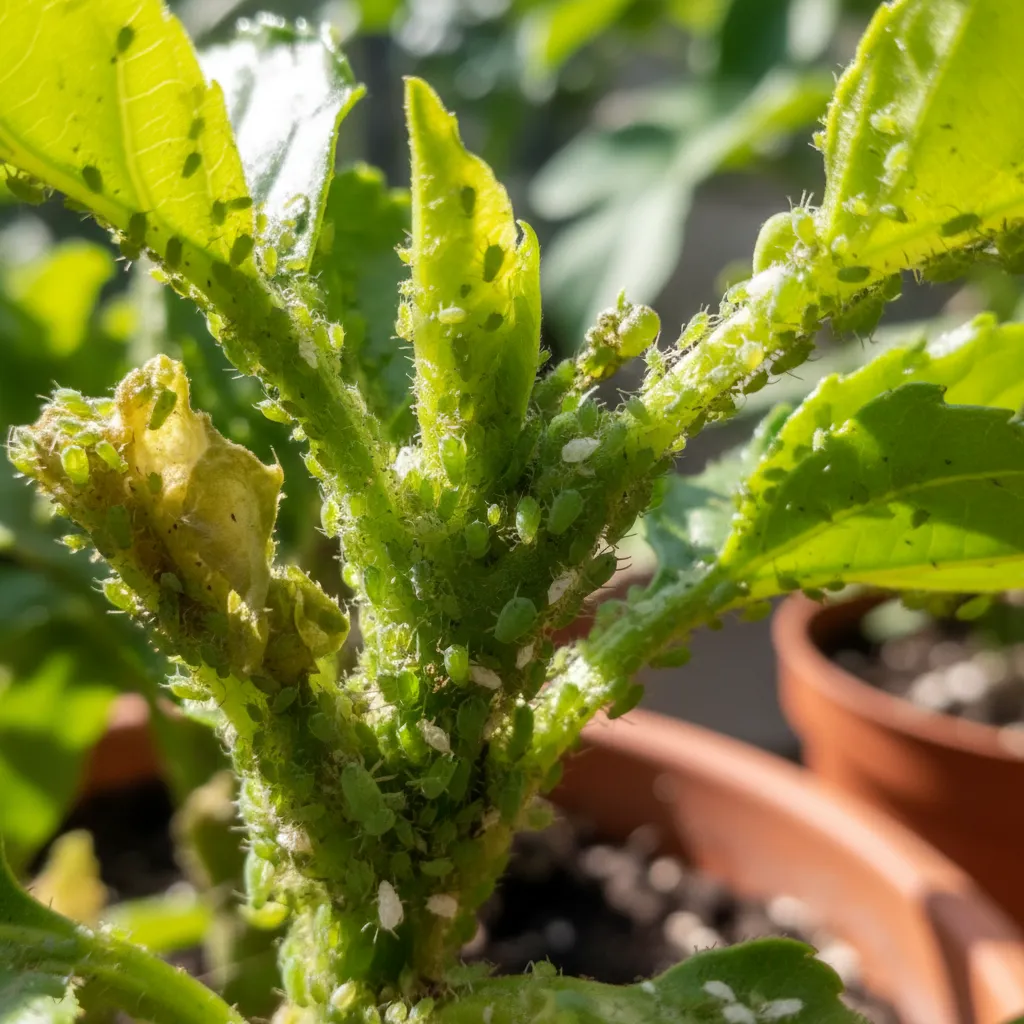
- ✓Pest and Disease Management — Generally resilient, but watch for common garden pests like aphids or spider mites. Good air circulation and proper watering practices help prevent fungal diseases.
- ✓Harvesting Flowers — For medicinal use focusing on anthocyanins, petals should be picked at dawn when their content is at its peak. They should then be shade-dried immediately to preserve their color and antioxidant potential.
- ✓Harvesting Seeds — Seeds are collected in late summer or early autumn after the flowers have faded and the seed pods have dried and turned brown. They should be sun-dried for 3-4 days and stored in airtight, light-blocking containers to prevent degradation of glycosides.
- ✓Pruning — Light pruning can help manage the vine's growth, encourage bushier development, and promote more flower production. Remove spent flowers to prevent self-seeding if not desired.
Reviewed by the Flora Medical Global Botanical Review Panel
Multi-disciplinary editorial group · Botany · Ethnobotany · Herbal-medicine literature
Who reviewed this: This page was checked by the Flora Medical Global Botanical Review Panel — an in-house editorial group of botany graduates, ethnobotany researchers, and horticulture practitioners who collectively maintain our 7,000+ plant encyclopedia. Meet the team.
Our 4-step verification process
1. Taxonomic verification
Scientific names and synonyms cross-checked against Kew POWO, World Flora Online, and The Plant List.
2. Phytochemical & medicinal cross-reference
Active compounds, traditional uses, and reported activities are cross-referenced with PubMed, USDA Dr. Duke's database, and peer-reviewed ethnobotanical literature.
3. Conservation & distribution check
Distribution, ecology, and conservation status confirmed against GBIF occurrence records and the IUCN Red List.
4. Editorial & safety review
Every entry passes an editorial pass for clarity, originality, and safety notices (toxicity, contraindications, dosage caveats) before publication.
Last reviewed:
Important medical disclaimer: This content is for educational and research purposes only. It is not medical advice and is not a substitute for consultation with a licensed healthcare provider. Do not use any herb to self-treat a medical condition without professional guidance.
Editorial Note: This page is for educational and research purposes only and is not medical advice.
Written by: Flora Medical Global Editorial Team
Reviewed by: Flora Medical Global Botanical Review Panel
Last Updated: June 19, 2026




Morning Glory — Comments & Community Reviews
Rate this plant
No reviews yet. Be the first!