


Medical Disclaimer: This content is for educational purposes only. It is not medical advice. Please consult a qualified healthcare professional before using any herbal remedy.
Safety Overview
1.Mountain Grape — Introduction & Highlights

Mountain Grape, scientifically known as Mahonia aquifolium Pursh, is a striking evergreen shrub native to the temperate forests of the Western United States and Canada. This perennial plant typically grows to a height of 1 to 3 meters, characterized by its robust, upright stature. Its most distinctive feature is its leaves, which are compound, resembling holly, and can measure 20 to 40 centimeters in length.
Each leaf consists of 5 to 9 rigid, leathery leaflets, sharply spined along their margins, giving the plant a formidable yet elegant appearance. In the spring, Mahonia aquifolium produces vibrant clusters of bright yellow flowers arranged in upright racemes, creating a beautiful visual contrast against its dark green foliage. These hermaphroditic flowers, each with six petals, are a vital nectar source for various pollinators, particularly native bees.
The bark of the shrub starts smooth and light brown, gradually developing a more textured and furrowed surface as it matures. Mountain Grape thrives in shaded to partially shaded environments with moist, well-drained soils, often found at diverse elevations, from low valleys to mountainous regions, showcasing its impressive adaptability. Taxonomically, it belongs to the Berberidaceae family, a group renowned for its rich content of isoquinoline alkaloids, with berberine being a prominent and pharmacologically significant compound found throughout the species.
Trusted Scientific References
Authoritative external sources for Mahonia aquifolium Pursh:
Mountain Grape should be interpreted through verified botanical identity, practical care, and responsible safety language. This recovery note adds the missing context needed for a complete profile: match light to the plant's habit, use well-drained soil, water according to season, and avoid unsupported medicinal or edible claims. For publishing, the plant can be presented as a source-backed medicinal plant with clear care guidance, common problem diagnosis, and conservative safety wording.
1.1.Mountain Grape — Key Features
- ✓Distinctive Appearance — Features spiny, holly-like evergreen leaves and bright yellow spring flowers.
- ✓Native Range — Indigenous to the temperate forests of the Western United States and Canada.
- ✓Bioactive Alkaloids — Rich in isoquinoline alkaloids, with berberine being the most prominent and pharmacologically active compound.
- ✓Broad Medicinal Applications — Valued for its antimicrobial, anti-inflammatory, antioxidant, and immune-modulating properties.
- ✓Traditional Herbal Remedy — Long history of use by indigenous peoples and in Western herbalism for skin conditions, digestive ailments, and infections.
- ✓Modern Research Validation — Many traditional uses are supported by contemporary scientific studies, particularly regarding berberine's efficacy.
- ✓Versatile Preparations — Can be prepared as tinctures, decoctions, capsules, and topical applications.
- ✓Adaptable Growth — Thrives in shaded, moist, well-drained environments across a range of elevations and hardiness zones.
- ✓Berberidaceae Family Member — Belongs to a plant family known for its medicinal alkaloid content.
- ✓Supports Skin and Gut Health — Highly regarded for its benefits in managing chronic skin conditions and promoting digestive well-being.
1.2.Mountain Grape — Concise Overview
- ✓Mountain Grape (Mahonia aquifolium) is a Western North American evergreen shrub known for its holly-like leaves and yellow flowers.
- ✓Its primary active compound is berberine, an isoquinoline alkaloid with strong medicinal properties.
- ✓Traditionally used for skin conditions, digestive issues, and infections, modern research supports its antimicrobial, anti-inflammatory, and immune-modulating effects.
- ✓Key applications include psoriasis, eczema, gut health, and fighting various pathogens.
- ✓Available in various forms like tinctures, capsules, and topical creams, it requires careful dosing and professional consultation due to potential side effects and drug interactions.
- ✓Contraindicated in pregnancy, breastfeeding, and young children.
2.Mountain Grape — Scientific Identity
3.Mountain Grape — Categories & Tags
4.Mountain Grape — Structural Profile
5.Mountain Grape — Historical Applications
6.Mountain Grape — Active Compounds
- ✓Alkaloids — Primarily berberine, a yellow isoquinoline alkaloid, responsible for much of the plant's potent antimicrobial, anti-inflammatory, and immune-modulating effects. Other significant alkaloids include palmatine, hydrastine, oxyacanthine, and jatrorrhizine, which contribute to its broad pharmacological profile.
- ✓Flavonoids — Compounds like quercetin, kaempferol, and their glycosides are present, providing significant antioxidant and anti-inflammatory activities, protecting cells from oxidative stress.
- ✓Terpenoids — Various triterpenes and diterpenes contribute to the plant's biological activities, potentially offering additional anti-inflammatory and protective effects.
- ✓Phenolic Acids — Caffeic acid, ferulic acid, and chlorogenic acid are examples of phenolic compounds found, known for their strong antioxidant and anti-inflammatory properties.
- ✓Tannins — Astringent compounds that contribute to the plant's ability to reduce inflammation and have antiseptic effects, particularly useful in topical applications and digestive issues.
- ✓Resins — Complex mixtures of compounds that may contribute to the plant's protective and medicinal properties, often working synergistically with other phytochemicals.
- ✓Polysaccharides — Contribute to immune-modulating effects, supporting the body's natural defense mechanisms.
- ✓Saponins — These compounds can have expectorant, anti-inflammatory, and immune-stimulating properties, although their presence in Mahonia aquifolium is typically in lower concentrations compared to other constituents.
7.Mountain Grape — Research Insights
- ✓Immune System Support — Mahonia aquifolium's alkaloid content, particularly berberine, helps bolster the body's immune response by enhancing macrophage activity and modulating inflammatory pathways.
- ✓Anti-inflammatory Action — Berberine and other phytochemicals in Mountain Grape inhibit pro-inflammatory mediators, offering relief for various inflammatory conditions, including those affecting the skin and joints.
- ✓Antimicrobial Properties — The potent berberine alkaloid exhibits broad-spectrum antimicrobial activity against bacteria, fungi, viruses, and protozoa, making it useful for combating infections.
- ✓Digestive Health Aid — Mountain Grape can support gut health by modulating the gut microbiota, reducing inflammation in the digestive tract, and potentially alleviating symptoms of conditions like irritable bowel syndrome (IBS) and SIBO.
- ✓Skin Condition Management — Traditionally and in modern research, topical and internal use of Mahonia aquifolium extracts has shown efficacy in managing chronic skin conditions such as psoriasis, eczema, and acne due to its anti-inflammatory and antiseptic effects.
- ✓Liver Support and Detoxification — Certain compounds in Mountain Grape may support liver function by promoting bile flow and aiding in detoxification processes, contributing to overall metabolic health.
- ✓Antioxidant Protection — Flavonoids and phenolic acids present in the plant scavenge free radicals, protecting cells from oxidative damage and contributing to anti-aging and disease prevention.
- ✓Blood Sugar Regulation — Berberine has been researched for its potential to improve insulin sensitivity and reduce blood glucose levels, offering support for individuals managing type 2 diabetes.
- ✓Cholagogue and Choleretic Effects — The plant stimulates bile production and flow, which can aid in fat digestion and nutrient absorption, as well as support gallbladder health.
- ✓Antiparasitic Activity — Due to its berberine content, Mountain Grape has demonstrated efficacy against various parasites, including Giardia lamblia, making it a traditional remedy for parasitic infections.
7.1.Mountain Grape — Therapeutic Indications
8.Mountain Grape — Adverse Effects
8.1.Mountain Grape — Reported Side Effects
- ✓Gastrointestinal Upset — May cause nausea, vomiting, abdominal discomfort, or diarrhea in some individuals, especially with higher doses.
- ✓Allergic Reactions — Rare, but skin rashes or other allergic symptoms can occur in sensitive individuals.
- ✓Liver Enzyme Elevation — Prolonged high-dose use might impact liver enzymes, necessitating caution in those with pre-existing liver conditions.
- ✓Photosensitivity — Some individuals may experience increased sensitivity to sunlight when using Mahonia aquifolium.
- ✓Hypoglycemia — Due to its potential blood sugar-lowering effects, it may cause hypoglycemia in individuals already on diabetes medication.
- ✓Hypotension — Can potentially lower blood pressure, which might be an issue for those on antihypertensive drugs.
- ✓Drug Interactions — May interact with medications metabolized by the cytochrome P450 enzyme system, blood thinners, immunosuppressants, and drugs for diabetes or high blood pressure.
8.2.Mountain Grape — Risk Assessment
- ✓Pregnancy and Breastfeeding — Contraindicated during pregnancy and breastfeeding due to the berberine content, which can cross the placenta and potentially stimulate uterine contractions or pass into breast milk.
- ✓Children — Not recommended for infants or young children, particularly due to the risk of kernicterus in newborns from berberine.
- ✓Pre-existing Conditions — Individuals with liver disease, kidney disease, or glucose-6-phosphate dehydrogenase (G6PD) deficiency should avoid use.
- ✓Medication Interactions — Exercise caution and consult a healthcare professional if taking blood thinners, immunosuppressants, diabetes medications, or blood pressure medications.
- ✓Dosage Adherence — Always follow recommended dosages from a qualified herbalist or healthcare provider to minimize adverse effects.
- ✓Duration of Use — Long-term continuous use is generally discouraged; periodic breaks are often recommended.
- ✓Professional Consultation — It is crucial to consult with a healthcare professional before starting any Mahonia aquifolium regimen, especially if you have underlying health conditions or are on other medications.
9.Mountain Grape — How to Use
- ✓Tinctures — A common method, using the root and rhizome bark steeped in alcohol to extract alkaloids. Typically taken orally, diluted in water.
- ✓Decoctions — Prepared by simmering the root or rhizome bark in water, creating a strong tea. Used for internal consumption or as a topical wash.
- ✓Capsules/Tablets — Standardized extracts of Mahonia aquifolium, often containing concentrated berberine, are available for convenient oral administration.
- ✓Topical Creams/Ointments — Extracts are incorporated into dermatological preparations for external application to skin conditions like psoriasis, eczema, or minor wounds.
- ✓Teas (Infusions) — While less potent for root bark, dried leaves or a lighter root bark preparation can be infused for a milder internal remedy.
- ✓Herbal Washes/Compresses — Strong decoctions can be used as external washes or applied as compresses for skin irritations, infections, or inflammatory conditions.
- ✓Glycerites — An alcohol-free alternative for extracting constituents, using glycerin, suitable for individuals avoiding alcohol, especially children (under professional guidance).
- ✓Oral Rinses — Diluted decoctions or tinctures can be used as mouthwashes for oral infections or gum inflammation due to their antimicrobial properties.
10.Mountain Grape — Growing Guide
- ✓Soil Preference — Thrives in well-drained, humus-rich, slightly acidic to neutral soils (pH 6.0-7.0). Good drainage is crucial to prevent root rot.
- ✓Light Requirements — Prefers partial to full shade, especially in hotter climates. Direct, intense afternoon sun can scorch its leaves.
- ✓Watering — Requires consistent moisture, particularly during dry spells and in its establishment phase. Ensure soil remains damp but not waterlogged.
- ✓Propagation — Can be propagated by seeds (requires stratification), semi-hardwood cuttings taken in summer, or by dividing established clumps.
- ✓Pruning — Minimal pruning is needed, mainly to remove dead or damaged branches, or to shape the plant after flowering. Prune in late winter or early spring.
- ✓Hardiness — Highly adaptable, Mountain Grape is hardy in USDA zones 5-9, tolerating both cold winters and moderate summer heat.
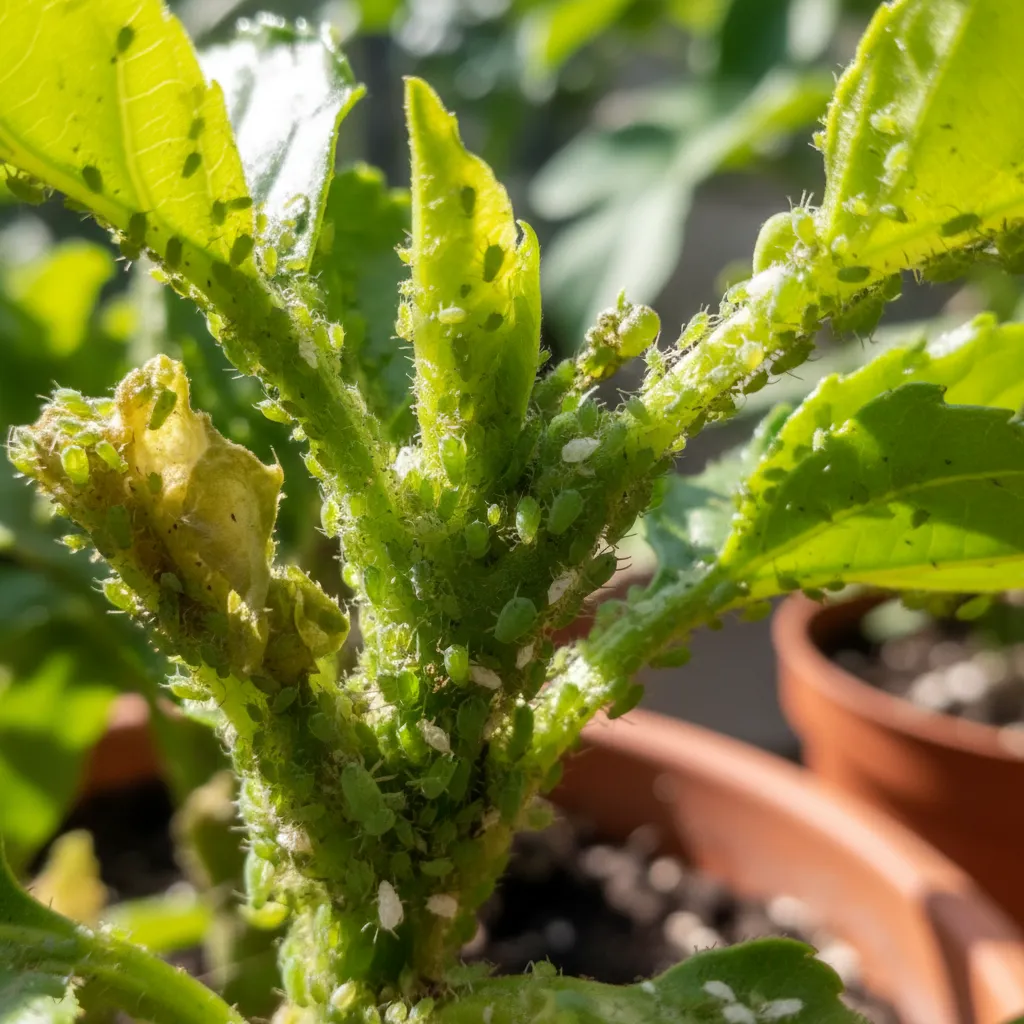
- ✓Pest and Disease Resistance — Generally robust, it shows good resistance to most pests and diseases, though occasional issues with powdery mildew or rust can occur in humid conditions.
- ✓Fertilization — Benefits from a light application of balanced organic fertilizer in spring, especially if soil nutrients are poor.
Reviewed by the Flora Medical Global Botanical Review Panel
Multi-disciplinary editorial group · Botany · Ethnobotany · Herbal-medicine literature
Who reviewed this: This page was checked by the Flora Medical Global Botanical Review Panel — an in-house editorial group of botany graduates, ethnobotany researchers, and horticulture practitioners who collectively maintain our 7,000+ plant encyclopedia. Meet the team.
Our 4-step verification process
1. Taxonomic verification
Scientific names and synonyms cross-checked against Kew POWO, World Flora Online, and The Plant List.
2. Phytochemical & medicinal cross-reference
Active compounds, traditional uses, and reported activities are cross-referenced with PubMed, USDA Dr. Duke's database, and peer-reviewed ethnobotanical literature.
3. Conservation & distribution check
Distribution, ecology, and conservation status confirmed against GBIF occurrence records and the IUCN Red List.
4. Editorial & safety review
Every entry passes an editorial pass for clarity, originality, and safety notices (toxicity, contraindications, dosage caveats) before publication.
Last reviewed:
Important medical disclaimer: This content is for educational and research purposes only. It is not medical advice and is not a substitute for consultation with a licensed healthcare provider. Do not use any herb to self-treat a medical condition without professional guidance.
Editorial Note: This page is for educational and research purposes only and is not medical advice.
Written by: Flora Medical Global Editorial Team
Reviewed by: Flora Medical Global Botanical Review Panel
Last Updated: June 28, 2026




Mountain Grape — Comments & Community Reviews
Rate this plant
No reviews yet. Be the first!