
Medical Disclaimer: This content is for educational purposes only. It is not medical advice. Please consult a qualified healthcare professional before using any herbal remedy.
Safety Overview
1.Mung Bean — Botanical Snapshot

Mung Bean, scientifically known as Vigna radiata, is a highly valued annual leguminous plant. It traces its origins to the warm climates of the Indian subcontinent. This resilient plant usually grows 30 to 90 cm tall and has a vibrant green appearance. Its distinctive leaves are trifoliate, meaning each leaf has three leaflets, and each leaflet measures about 5 to 10 cm long. These leaflets have a smooth texture and often show a subtly serrated margin.
Vigna radiata produces delicate, yellow, pea-like flowers, generally 1 to 2 cm across, which emerge in clusters along the plant's slender, slightly hairy stems. After successful pollination, the plant develops elongated, cylindrical pods, typically 7 to 10 cm long. Each pod holds 8 to 10 small, spherical green seeds, and each seed is 5 to 12 mm in diameter. These seeds are celebrated for their exceptional nutritional density, especially their high protein content, which makes them a cornerstone food source worldwide. Mung Bean thrives in tropical and subtropical regions and prefers well-drained sandy loam soils and abundant sunlight.
Farmers cultivate it extensively across Asia and beyond. It plays a significant role in agricultural ecosystems because it fixes atmospheric nitrogen into the soil and naturally enhances soil fertility. As a member of the diverse Fabaceae family, Mung Bean carries a rich nutritional profile and versatile uses in both culinary and traditional medicinal practices. These qualities underscore its importance in many cultures worldwide and its contribution to food security and health.
Trusted Scientific References
Authoritative external sources for Vigna radiata:
Mung Bean should be interpreted through verified botanical identity, practical care, and responsible safety language. This recovery note adds the missing context needed for a complete profile: match light to the plant's habit, use well-drained soil, water according to season, and avoid unsupported medicinal or edible claims. For publishing, the plant can be presented as a source-backed medicinal plant with clear care guidance, common problem diagnosis, and conservative safety wording.
1.1.Mung Bean — Notable Characteristics
- ✓High Protein Content — Excellent source of plant-based protein, making it valuable for vegetarian and vegan diets.
- ✓Rich in Dietary Fiber — Promotes digestive health, satiety, and helps regulate blood sugar and cholesterol.
- ✓Potent Antioxidant — Contains high levels of polyphenols and flavonoids that combat oxidative stress.
- ✓Metabolic Health Support — Documented to help ameliorate hyperglycemia, hyperlipemia, and hypertension.
- ✓Immunomodulatory Properties — Bioactive compounds enhance immune system function.
- ✓Nitrogen — Fixing Crop — Improves soil fertility naturally, beneficial for sustainable agriculture.
- ✓Short Growth Cycle — Enables multiple harvests and suitability for various cropping systems.
- ✓Versatile Culinary Use — Used in sprouts, soups, curries, flours, and desserts globally.
- ✓Traditional Medicinal Value — Long history of use in Ayurvedic and Traditional Chinese Medicine.
- ✓Drought — Tolerant — A relatively resilient crop, making it suitable for diverse climates.
1.2.Mung Bean — In Brief
- ✓Vigna radiata is a protein-rich, nitrogen-fixing legume.
- ✓Offers significant health benefits, including metabolic and immune support.
- ✓Key compounds are polyphenols (vitexin, isovitexin), peptides, and polysaccharides.
- ✓Widely used in traditional medicine and diverse culinary applications.
- ✓Generally safe, but proper cooking and moderation are important.
- ✓An ancient crop with modern functional food recognition.
2.Mung Bean — Scientific Identity
3.Mung Bean — Categories & Tags
4.Mung Bean — Physical Description
5.Mung Bean — Traditional Uses
6.Mung Bean — Phytochemistry
- ✓Polyphenols — Mung Bean is particularly rich in polyphenolic compounds, with vitexin and isovitexin identified as major flavonoids, contributing significantly to its antioxidant and anti-inflammatory properties.
- ✓Peptides — Bioactive peptides, often containing hydrophobic amino acid residues and having small molecular weights, are found in Mung Bean and are associated with antihypertensive, antidiabetic, and antioxidant activities.
- ✓Polysaccharides — Complex polysaccharides present in Mung Bean contribute to its immunomodulatory effects and may play a role in regulating blood sugar levels and supporting digestive health.
- ✓Flavonoids — Beyond vitexin and isovitexin, other flavonoids contribute to the plant's broad spectrum of therapeutic benefits, including antioxidant protection and anti-inflammatory actions.
- ✓Phenolic Acids — Various phenolic acids, such as ferulic acid and caffeic acid derivatives, are present, acting as potent antioxidants and contributing to the overall health-promoting properties of Mung Bean.
- ✓Dietary Fiber — Both soluble and insoluble fibers are abundant, crucial for digestive health, blood sugar regulation, and cholesterol management.
- ✓Proteins — Mung Bean is an excellent source of plant-based protein, providing essential amino acids vital for muscle repair, enzyme production, and overall bodily function.
- ✓Vitamins — Contains an array of B vitamins (e.g., folate, B1, B5, B6), vitamin C, and vitamin K, supporting metabolism, energy production, and various physiological processes.
- ✓Minerals — Rich in essential minerals such as iron, magnesium, potassium, phosphorus, zinc, and copper, which are critical for bone health, nerve function, and red blood cell formation.
- ✓Saponins — These triterpenoid glycosides have been identified and may contribute to cholesterol-lowering effects and possess some antimicrobial activities.
- ✓Alkaloids — While in smaller quantities, some alkaloids are present and may contribute to the plant's overall bioactive profile, though their specific medicinal roles are less defined compared to other constituents.
- ✓Terpenoids — A diverse group of compounds, terpenoids contribute to the plant's aroma and also exhibit various biological activities, including anti-inflammatory and antioxidant effects.
7.Mung Bean — Evidence-Based Benefits
- ✓Immune Support — Mung Bean contains immunomodulatory compounds, including certain polysaccharides and peptides, that help fortify the body's natural defenses and enhance immune cell activity, promoting overall resilience.
- ✓Anti-inflammatory Effects — Rich in flavonoids like vitexin and isovitexin, Mung Bean can help mitigate inflammatory responses in the body by inhibiting pro-inflammatory mediators, offering relief from chronic inflammation.
- ✓Antioxidant Protection — The high content of polyphenols, such as phenolic acids and flavonoids, provides potent antioxidant activity, neutralizing harmful free radicals and protecting cells from oxidative damage.
- ✓Digestive Health — As an excellent source of dietary fiber, Mung Bean supports healthy digestion, promotes regular bowel movements, and can help prevent constipation, contributing to a balanced gut microbiome.
- ✓Hyperglycemia Amelioration — Bioactive peptides and complex carbohydrates in Mung Bean contribute to better glucose regulation, helping to stabilize blood sugar levels and improve insulin sensitivity, beneficial for managing hyperglycemia.
- ✓Hyperlipemia Management — Mung Bean has been shown to help reduce elevated lipid levels, including total cholesterol and LDL ('bad') cholesterol, through its fiber and bioactive compounds that interfere with lipid absorption and synthesis.
- ✓Hypertension Reduction — Certain peptides derived from Mung Bean proteins exhibit ACE-inhibitory activity, which can help relax blood vessels and lower blood pressure, contributing to cardiovascular health and hypertension management.
- ✓Cancer Prevention — The diverse array of phytochemicals, including antioxidants and anti-inflammatory compounds, may contribute to inhibiting the growth of cancer cells and inducing apoptosis, offering protective effects against various cancers.
- ✓Melanogenesis Inhibition — Specific compounds within Mung Bean have demonstrated properties that can help regulate melanin production, potentially aiding in the prevention of hyperpigmentation and promoting an even skin tone.
- ✓Hepatoprotective Activity — Its antioxidant and anti-inflammatory properties extend to liver health, protecting liver cells from damage caused by toxins and oxidative stress, thereby supporting overall liver function.
- ✓Weight Management — The high fiber and protein content of Mung Bean promotes satiety, helping to reduce overall calorie intake and supporting healthy weight management strategies.
- ✓Bone Health Support — Mung Bean provides essential minerals like magnesium and phosphorus, which are crucial for maintaining bone density and strength, contributing to long-term skeletal health.
7.1.Mung Bean — Therapeutic Indications
8.Mung Bean — Cautions & Contraindications
8.1.Mung Bean — Possible Adverse Reactions
- ✓Digestive Discomfort — High fiber content can cause flatulence, bloating, or abdominal discomfort, especially when consumed in large quantities or by individuals unaccustomed to high-fiber diets.
- ✓Allergic Reactions — Although rare, some individuals may experience allergic reactions, including skin rashes, itching, or respiratory issues, particularly if they have existing legume allergies.
- ✓Antinutrient Content — Raw or improperly cooked Mung Beans contain antinutrients like phytic acid and enzyme inhibitors, which can reduce mineral absorption and protein digestibility; proper soaking and cooking mitigate this.
- ✓Medication Interactions — Due to potential blood sugar-lowering or blood pressure-lowering effects, Mung Bean consumption might interact with antidiabetic or antihypertensive medications, requiring monitoring.
- ✓Kidney Stone Risk — For individuals prone to kidney stones, the moderate oxalate content in Mung Beans could theoretically contribute to stone formation if consumed in excessive amounts, though typically not a concern with normal intake.
- ✓Gastrointestinal Irritation — In sensitive individuals, the lectins present in legumes, even after cooking, might cause mild gastrointestinal irritation.
8.2.Mung Bean — Safety Overview
- ✓Generally Recognized As Safe (GRAS) — Mung Bean is widely considered safe for consumption as a food item and is a staple in many diets globally.
- ✓Proper Cooking Essential — Always ensure Mung Beans are thoroughly cooked to neutralize antinutrients and improve digestibility; raw consumption is generally not recommended for dried beans.
- ✓Pregnancy and Lactation — Mung Beans are considered safe and beneficial during pregnancy and lactation due to their high nutritional value, but moderation is advised.
- ✓Children — A nutritious food source for children, Mung Beans should be introduced gradually and in well-cooked forms to avoid digestive upset.
- ✓Individuals with Gout — Due to their moderate purine content, individuals with gout or hyperuricemia should consume Mung Beans in moderation, as excessive intake might exacerbate symptoms.
- ✓Allergic Individuals — People with known allergies to legumes should exercise caution and consult a healthcare professional before consuming Mung Beans.
- ✓Digestive Sensitivity — Individuals with sensitive digestive systems should start with small portions and gradually increase intake to allow the body to adjust to the fiber content.
9.Mung Bean — Usage Guide
- ✓Culinary Sprouts — Mung Bean seeds are widely germinated to produce sprouts, which are eaten raw in salads, stir-fries, or as garnishes, offering a crisp texture and enhanced nutrient profile.
- ✓Whole Bean Dishes — Dried whole Mung Beans are commonly boiled and used in traditional Asian dishes such as 'daal' (a lentil soup), curries, and stews, providing a rich source of protein and fiber.
- ✓Split Bean Preparations — Split Mung Beans (mung daal) cook faster and are often used to make creamy soups, porridges, or savory pancakes like 'dosa' in Indian cuisine.
- ✓Desserts and Sweet Preparations — In various Asian cultures, Mung Bean paste is a popular ingredient in sweet desserts, pastries, and fillings for mooncakes due to its subtly sweet flavor and smooth texture.
- ✓Flour and Noodles — Mung Bean flour is used to make gluten-free noodles (e.g., cellophane noodles) and various baked goods, offering a nutritious alternative to wheat flour.
- ✓Traditional Medicinal Decoctions — In traditional medicine systems like Ayurveda and TCM, Mung Beans are often prepared as a light, easily digestible decoction or soup to aid detoxification, reduce heat, and support digestion.
- ✓Topical Applications — Historically, ground Mung Bean paste mixed with water or other ingredients has been applied topically as a poultice to soothe skin irritations or reduce swelling.
- ✓Nutritional Supplements — Extracts of Mung Bean, particularly those rich in vitexin and isovitexin, are being incorporated into modern nutraceutical supplements for their antioxidant and metabolic benefits.
10.Mung Bean — Garden Cultivation
- ✓Soil Preparation — Mung Bean thrives in well-drained sandy loam soils with a pH between 6.0 and 7.0; prepare beds by loosening soil and incorporating organic matter.
- ✓Sowing Seeds — Plant seeds directly into the soil at a depth of 2.5-5 cm, with a spacing of 10-15 cm between plants and 45-60 cm between rows, typically in spring after the last frost.
- ✓Sunlight Requirement — Ensure the planting site receives full sun, meaning at least 6-8 hours of direct sunlight daily, as adequate light is crucial for optimal growth and pod development.
- ✓Watering — Maintain consistent soil moisture, especially during flowering and pod formation; water regularly but avoid waterlogging, which can lead to root rot.
- ✓Fertilization — Mung Bean, being a legume, fixes nitrogen in the soil, reducing the need for nitrogen fertilizers; a balanced phosphorus and potassium fertilizer may be beneficial at planting.
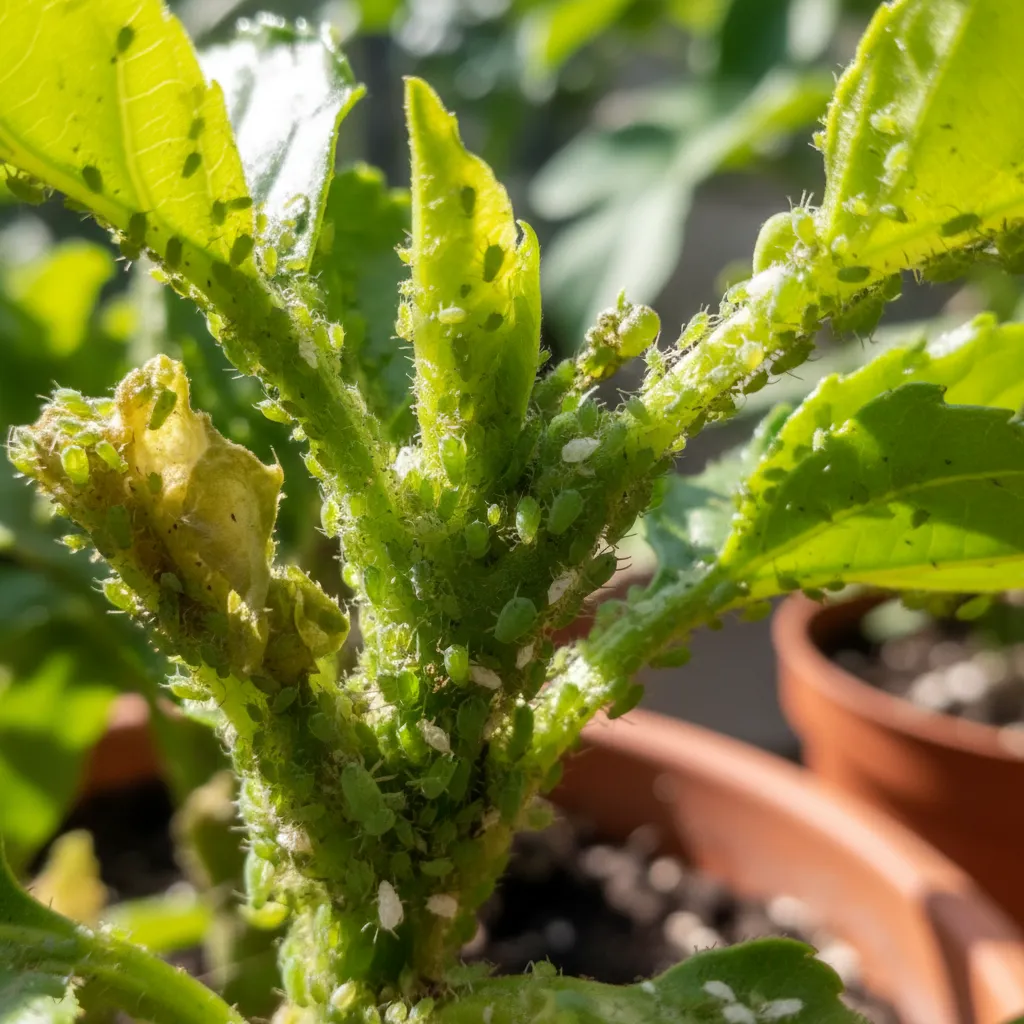
- ✓Pest and Disease Management — Monitor for common pests like aphids and bean weevils, and diseases such as powdery mildew; employ organic pest control methods or appropriate fungicides as needed.
- ✓Harvesting — Pods are ready for harvest when they turn brown or black and the seeds inside are firm; typically, 70-90 days after planting, depending on the variety.
- ✓Crop Rotation — Practice crop rotation to maintain soil health and fertility, as Mung Bean's nitrogen-fixing ability benefits subsequent crops.
Reviewed by the Flora Medical Global Botanical Review Panel
Multi-disciplinary editorial group · Botany · Ethnobotany · Herbal-medicine literature
Who reviewed this: This page was checked by the Flora Medical Global Botanical Review Panel — an in-house editorial group of botany graduates, ethnobotany researchers, and horticulture practitioners who collectively maintain our 7,000+ plant encyclopedia. Meet the team.
Our 4-step verification process
1. Taxonomic verification
Scientific names and synonyms cross-checked against Kew POWO, World Flora Online, and The Plant List.
2. Phytochemical & medicinal cross-reference
Active compounds, traditional uses, and reported activities are cross-referenced with PubMed, USDA Dr. Duke's database, and peer-reviewed ethnobotanical literature.
3. Conservation & distribution check
Distribution, ecology, and conservation status confirmed against GBIF occurrence records and the IUCN Red List.
4. Editorial & safety review
Every entry passes an editorial pass for clarity, originality, and safety notices (toxicity, contraindications, dosage caveats) before publication.
Last reviewed:
Important medical disclaimer: This content is for educational and research purposes only. It is not medical advice and is not a substitute for consultation with a licensed healthcare provider. Do not use any herb to self-treat a medical condition without professional guidance.
Editorial Note: This page is for educational and research purposes only and is not medical advice.
Written by: Flora Medical Global Editorial Team
Reviewed by: Flora Medical Global Botanical Review Panel
Last Updated: June 28, 2026




Mung Bean — Comments & Community Reviews
Rate this plant
No reviews yet. Be the first!