
Medical Disclaimer: This content is for educational purposes only. It is not medical advice. Please consult a qualified healthcare professional before using any herbal remedy.
Safety Overview
1.Myrrh — Plant Snapshot
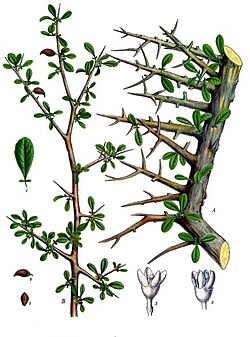
Commiphora myrrha, universally known as myrrh, is a resilient, small to medium-sized tree or shrub, typically reaching heights of 3 to 4 meters. It is characterized by its sparse, often thorny branches and a distinct, rough grayish-brown bark that naturally peels in thin, papery strips, revealing lighter wood beneath. The leaves are compound and pinnate, generally comprising 3 to 5 small, oval, glossy leaflets, each measuring approximately 2 to 4 centimeters in length.
Myrrh produces inconspicuous, small, pale yellow or greenish flowers, usually arranged in dense axillary racemes, which are important for attracting local pollinators. The tree's most iconic feature is the oleo-gum-resin that exudes from natural fissures or deliberate incisions in its bark. This aromatic substance starts as a milky liquid, then hardens into reddish-brown or yellowish, irregular masses often described as 'tears' due to their shape.
These resinous drupes are the primary product harvested from the plant. Native to the arid, sun-drenched landscapes of northeastern Africa and the Arabian Peninsula, Commiphora myrrha thrives in countries like Somalia, Yemen, and Sudan, demonstrating remarkable drought tolerance. This ancient species, belonging to the Burseraceae family, has been cherished for millennia across diverse cultures for its profound aromatic and medicinal properties, establishing its significant role in both historical and contemporary herbal practices.
Trusted Scientific References
1. Authoritative external sources for Commiphora myrrha
1.1 Wikipedia — Commiphora myrrha
1.2 Kew POWO (Plants of the World Online)
1.3 PubMed — peer-reviewed research
1.4 NCBI Taxonomy Browser
1.5 GBIF — Global Biodiversity
1.6Myrrh should be interpreted through verified botanical identity, practical care, and responsible safety language. This recovery note adds the missing context needed for a complete profile: match light to the plant's habit, use well-drained soil, water according to season, and avoid unsupported medicinal or edible claims. For publishing, the plant can be presented as a source-backed medicinal plant with clear care guidance, common problem diagnosis, and conservative safety wording.
1.1.Myrrh — Standout Qualities
- ✓Botanical Origin — Commiphora myrrha, a thorny tree in the Burseraceae family.
- ✓Resin Production — Exudes aromatic oleo-gum-resin, known as myrrh 'tears'.
- ✓Distinct Aroma — Possesses a warm, balsamic, slightly bitter, and woody fragrance.
- ✓Traditional Significance — Revered in ancient cultures for spiritual and medicinal uses.
- ✓Broad — Spectrum Antimicrobial — Effective against bacteria, fungi, and parasites.
- ✓Anti — inflammatory Power — Reduces swelling and pain through various mechanisms.
- ✓Oral Health Champion — Essential for treating gum disease, ulcers, and bad breath.
- ✓Wound Healing Aid — Accelerates tissue repair and prevents infection topically.
- ✓Immune Modulator — Supports the body's defense mechanisms.
- ✓Ethnomedicinal Heritage — Used in Ayurvedic, TCM, and Unani systems for millennia.
1.2.Myrrh — Concise Overview
- ✓Ancient resinous tree from NE Africa and Arabian Peninsula.
- ✓Valued for its oleo-gum-resin with a rich, complex aroma.
- ✓Possesses strong anti-inflammatory, antimicrobial, and analgesic properties.
- ✓Widely used in traditional medicine for oral health, wound healing, and immune support.
- ✓Key constituents include furanosesquiterpenoids and various terpenes.
- ✓Contraindicated in pregnancy and requires caution with certain medications.
2.Myrrh — Scientific Profile
3.Myrrh — Quick Facts
4.Myrrh — Plant Morphology
5.Myrrh — Geographic Distribution
6.Myrrh — Ethnobotanical Uses
7.Myrrh — Active Compounds
- ✓Furanosesquiterpenoids — Key active compounds such as curzerene, lindestrene, and furanodiene are responsible for myrrh's anti-inflammatory, analgesic, and antimicrobial actions.
- ✓Sesquiterpenes — A diverse group including myrrholic acid and T-cadinol, contributing to the resin's characteristic aroma and therapeutic effects, particularly antiseptic properties.
- ✓Diterpenoids — Compounds like commiphoric acids, which contribute to the resin's complex chemical profile and may play a role in its anti-inflammatory effects.
- ✓Triterpenes — Including myrrhin and various triterpenic acids, these compounds are known for their anti-inflammatory, antioxidant, and cytotoxic activities.
- ✓Volatile/Essential Oil — A complex mixture of monoterpenes and sesquiterpenes that gives myrrh its distinctive aroma and contributes to its antiseptic and anti-inflammatory properties.
- ✓Gums — Polysaccharides that form the water-soluble portion of the oleo-gum-resin, providing emulsifying and binding properties.
- ✓Steroids — Present in smaller quantities, contributing to the overall pharmacological activity and potential hormonal modulation.
- ✓Resins — A complex mixture of various chemical classes, including acids, alcohols, and esters, responsible for the bulk of myrrh's medicinal properties and physical form.
8.Myrrh — Research Insights
- ✓Potent Antimicrobial — Myrrh exhibits broad-spectrum antimicrobial activity, effectively inhibiting the growth of bacteria, fungi, and parasites, making it valuable for treating infections.
- ✓Oral Health Support — Its strong antiseptic and anti-inflammatory properties make myrrh an excellent remedy for gum disease, mouth ulcers, gingivitis, and bad breath.
- ✓Wound Healing Acceleration — Myrrh aids in the rapid repair of tissues and prevents infection in cuts, sores, and skin abrasions due to its astringent and antiseptic qualities.
- ✓Anti-inflammatory Action — Rich in furanosesquiterpenoids, myrrh significantly reduces inflammation throughout the body, offering relief from various inflammatory conditions.
- ✓Analgesic Properties — It provides pain relief, particularly for localized discomfort, making it beneficial for muscle aches, joint pain, and oral pain.
- ✓Immune System Modulation — Myrrh stimulates white blood cell activity, enhancing the body's natural defense mechanisms against pathogens and supporting overall immune health.
- ✓Digestive Aid — Traditionally used as a carminative, myrrh can help alleviate stomach disorders, indigestion, and flatulence by promoting healthy digestive function.
- ✓Respiratory Health — As an expectorant, myrrh helps clear congested airways and can be used to soothe coughs and respiratory infections, including some viral conditions.
- ✓Antioxidant Protection — Its chemical constituents provide antioxidant benefits, helping to neutralize free radicals and protect cells from oxidative damage.
- ✓Anthelmintic Activity — Myrrh has been traditionally employed to expel parasitic worms from the body, showcasing its anti-parasitic potential.
- ✓Dermatological Applications — Beyond wound healing, myrrh can be used to treat various skin conditions, including eczema, acne, and fungal infections, due to its purifying effects.
8.1.Myrrh — Reported Uses
9.Myrrh — Precautions & Warnings
9.1.Myrrh — Reported Side Effects
- ✓Gastrointestinal Upset — High doses can cause stomach pain, diarrhea, or nausea.
- ✓Allergic Reactions — Skin rashes, itching, or contact dermatitis may occur in sensitive individuals, especially with topical application.
- ✓Uterine Contractions — Myrrh can stimulate uterine contractions, making it unsafe during pregnancy.
- ✓Heart Rate Irregularities — Very high doses have been reported to affect heart rate, though this is rare.
- ✓Drug Interactions — May interfere with anticoagulant medications (blood thinners) due to potential antiplatelet effects.
- ✓Kidney Irritation — Excessive internal use might irritate the kidneys in susceptible individuals.
- ✓Blood Sugar Fluctuation — Myrrh might lower blood sugar levels, posing a risk for diabetics on medication.
9.2.Myrrh — Risk Assessment
- ✓Pregnancy Contraindication — Absolutely contraindicated due to its emmenagogue properties which can induce uterine contractions and miscarriage.
- ✓Breastfeeding Caution — Avoid use during breastfeeding as insufficient safety data is available for infants.
- ✓Anticoagulant Interaction — Exercise caution if taking blood-thinning medications; myrrh may potentiate their effects.
- ✓Diabetes Management — Monitor blood sugar closely if diabetic, as myrrh may lower glucose levels.
- ✓Surgery Precaution — Discontinue myrrh use at least two weeks before any scheduled surgery due to potential impact on blood clotting.
- ✓Dosage Adherence — Always follow recommended dosages from qualified practitioners to avoid adverse effects.
- ✓Patch Test — Perform a patch test before extensive topical use to check for skin sensitivity or allergic reactions.
10.Myrrh — Application Forms
- ✓Tincture — Resin steeped in alcohol for internal use or as a gargle for oral health, typically diluted before use.
- ✓Essential Oil — Steam-distilled from the resin, used in aromatherapy, topical applications (diluted), or as an ingredient in cosmetic and pharmaceutical products.
- ✓Powdered Resin — Ground myrrh resin can be encapsulated for internal use or mixed with water to create a paste for topical wound care.
- ✓Mouthwash/Gargle — Diluted myrrh tincture or essential oil (with a dispersant) used to treat gum inflammation, sore throats, and mouth ulcers.
- ✓Topical Application — Resin infused oils or balms applied directly to skin for wound healing, fungal infections, or inflammatory skin conditions.
- ✓Incense/Fumigation — Burning dried myrrh resin releases its aromatic compounds, traditionally used for purification and meditation.
- ✓Traditional Decoction — Resin boiled in water to create a strong tea, used internally for digestive issues or as a wash for external ailments.
- ✓Suppositories — In some traditional practices, myrrh preparations have been used rectally or vaginally for localized infections or inflammation.
11.Myrrh — Growth Requirements
- ✓Arid Climate Preference — Myrrh thrives in hot, dry, desert-like conditions with minimal rainfall.
- ✓Well-Drained Soil — Requires sandy or rocky, well-drained soils to prevent root rot; tolerates poor soil fertility.
- ✓Full Sun Exposure — Demands ample direct sunlight for robust growth and resin production.
- ✓Propagation — Can be propagated from seeds, though germination can be slow and erratic, or more commonly from stem cuttings.
- ✓Minimal Watering — Once established, the tree is highly drought-tolerant and requires very little supplemental irrigation.
- ✓Resin Harvesting — The oleo-gum-resin is collected by making incisions in the bark, allowing the 'tears' to exude and harden over several days or weeks.
- ✓Slow Growth Rate — Myrrh trees are known for their relatively slow growth, especially in their natural, harsh environments.
- ✓Pest and Disease Resistance — Generally robust against most pests and diseases, characteristic of desert-adapted species.
Reviewed by the Flora Medical Global Botanical Review Panel
Multi-disciplinary editorial group · Botany · Ethnobotany · Herbal-medicine literature
Who reviewed this: This page was checked by the Flora Medical Global Botanical Review Panel — an in-house editorial group of botany graduates, ethnobotany researchers, and horticulture practitioners who collectively maintain our 7,000+ plant encyclopedia. Meet the team.
Our 4-step verification process
1. Taxonomic verification
Scientific names and synonyms cross-checked against Kew POWO, World Flora Online, and The Plant List.
2. Phytochemical & medicinal cross-reference
Active compounds, traditional uses, and reported activities are cross-referenced with PubMed, USDA Dr. Duke's database, and peer-reviewed ethnobotanical literature.
3. Conservation & distribution check
Distribution, ecology, and conservation status confirmed against GBIF occurrence records and the IUCN Red List.
4. Editorial & safety review
Every entry passes an editorial pass for clarity, originality, and safety notices (toxicity, contraindications, dosage caveats) before publication.
Last reviewed:
Important medical disclaimer: This content is for educational and research purposes only. It is not medical advice and is not a substitute for consultation with a licensed healthcare provider. Do not use any herb to self-treat a medical condition without professional guidance.
Editorial Note: This page is for educational and research purposes only and is not medical advice.
Written by: Flora Medical Global Editorial Team
Reviewed by: Flora Medical Global Botanical Review Panel
Last Updated: June 16, 2026





Myrrh — Comments & Community Reviews
Rate this plant