
Medical Disclaimer: This content is for educational purposes only. It is not medical advice. Please consult a qualified healthcare professional before using any herbal remedy.
Safety Overview
1.Natal Plum — At a Glance

The Natal Plum, scientifically known as Carissa macrocarpa, is a robust, evergreen perennial shrub native to the sandy coastal regions and scrublands of Southern Africa, particularly thriving in tropical and subtropical climates (USDA Zones 9-10). This resilient member of the Apocynaceae family typically grows between 1 to 2 meters in height, though mature specimens can reach up to 9 meters (30 feet) under optimal conditions. Its dense foliage consists of dark green, leathery, oval-shaped leaves, measuring approximately 4 to 8 cm in length, which provide a glossy backdrop to its striking features.
The plant produces fragrant, star-shaped white flowers, often tinged with a creamy hue, about 3 cm in diameter, blooming profusely throughout the year with a peak flowering phase from October to February. These beautiful five-petaled flowers mature into showy, edible fruits. The fruit of Carissa macrocarpa is spherical to oval, growing up to 5 cm in diameter, and ripens to a vibrant deep red or reddish-purple color when fully mature.
The bark is generally smooth to slightly rough, exhibiting a grayish-brown tone. Characterized by stout, one- or two-pronged spines up to 2.5 cm (1 inch) long, Natal Plum is often cultivated as an ornamental hedge or security barrier. It exhibits excellent tolerance to salt spray and thrives in well-drained, organic soils, making it a popular choice for coastal landscaping.
Trusted Scientific References
Authoritative external sources for Carissa macrocarpa:
Natal Plum should be interpreted through verified botanical identity, practical care, and responsible safety language. This recovery note adds the missing context needed for a complete profile: match light to the plant's habit, use well-drained soil, water according to season, and avoid unsupported medicinal or edible claims. For publishing, the plant can be presented as a source-backed medicinal plant with clear care guidance, common problem diagnosis, and conservative safety wording.
1.1.Natal Plum — Highlights
- ✓Edible Ripe Fruit — Spherical to oval, deep red, sweet-tart fruit safe for consumption when fully mature.
- ✓Spiny Security Hedge — Features stout, sharp spines, making it an effective barrier plant.
- ✓Fragrant White Flowers — Produces attractive, star-shaped, white to creamy-white, scented blooms year-round.
- ✓Drought Tolerant — Once established, it can withstand periods of dry conditions.
- ✓Salt Spray Tolerant — Highly suitable for coastal landscapes due to its resilience to salt.
- ✓Rich in Antioxidants — Ripe fruits contain beneficial compounds like flavonoids and phenolic acids.
- ✓Low Maintenance — Easy to grow and generally resistant to pests and diseases.
- ✓Tropical/Subtropical Adaptation — Thrives in warm climates, hardy in USDA Zones 9-10.
- ✓Ornamental Value — Valued for its glossy foliage, showy flowers, and vibrant fruits.
- ✓Traditional Medicinal Uses — Historically employed for various ailments, primarily immune and digestive support.
1.2.Natal Plum — Quick Summary
- ✓Carissa macrocarpa is an evergreen shrub native to Southern Africa, known as Natal Plum.
- ✓It produces fragrant white flowers and edible, bright red, ripe fruits.
- ✓The ripe fruit is rich in antioxidants and vitamins, supporting immunity and digestion.
- ✓All other parts of the plant, including unripe fruit, are considered toxic due to cardiac glycosides.
- ✓Valued for its ornamental use, security hedging, and traditional medicinal applications.
- ✓Requires full sun, well-drained soil, and is salt-tolerant, thriving in warm climates.
2.Natal Plum — Scientific Identity
3.Natal Plum — Categories & Tags
4.Natal Plum — Physical Description
5.Natal Plum — Traditional Uses
6.Natal Plum — Phytochemistry
- ✓Alkaloids — Key alkaloids such as carissin and macrocarpine are present, particularly in the bark and leaves, known for their potential cardiotonic and cytotoxic activities, contributing to the plant's medicinal and toxicological profile.
- ✓Flavonoids — Compounds like quercetin, kaempferol, and rutin are abundant in the fruit and leaves, recognized for their significant antioxidant, anti-inflammatory, and neuroprotective properties.
- ✓Terpenoids — Various triterpenes and monoterpenes are found throughout the plant, contributing to its aromatic qualities and exhibiting anti-inflammatory and antimicrobial effects.
- ✓Phenolic Acids — Gallic acid, caffeic acid, and ferulic acid are present, especially in the fruits and leaves, acting as potent antioxidants and contributing to the plant's overall protective mechanisms.
- ✓Saponins — These glycosides are found in different plant parts, known for their foam-forming properties and potential to exhibit hypocholesterolemic and immunomodulatory activities.
- ✓Anthocyanins — Responsible for the vibrant red-purple color of the ripe fruit, these pigments are powerful antioxidants that also provide photoprotective benefits.
- ✓Cardiac Glycosides — As a member of the Apocynaceae family, Carissa macrocarpa contains cardiac glycosides, particularly in its sap, leaves, and unripe fruit, which are toxic in high concentrations and necessitate careful handling and consumption of only ripe fruit.
- ✓Vitamins and Minerals — The ripe fruit is notably rich in Vitamin C, along with other essential vitamins and minerals, contributing to its nutritional value and immune-boosting potential.
7.Natal Plum — Scientific Evidence
- ✓Antioxidant Activity — Natal Plum fruits and leaves contain flavonoids and phenolic acids, which act as potent antioxidants, neutralizing free radicals and reducing oxidative stress in the body, thereby protecting cellular integrity.
- ✓Anti-inflammatory Effects — Compounds like terpenoids and certain alkaloids present in Carissa macrocarpa may modulate inflammatory pathways, offering relief from various inflammatory conditions and supporting overall tissue health.
- ✓Immune System Support — Rich in vitamins and phytochemicals, the ripe fruit and extracts are believed to enhance immune function, bolstering the body's natural defenses against pathogens and promoting general wellness.
- ✓Digestive Health Enhancement — Traditional uses suggest Carissa macrocarpa can aid digestion, potentially due to its fiber content in the fruit and certain compounds that may soothe the digestive tract, alleviating minor discomforts.
- ✓Cardiovascular Support — Preliminary research indicates that some constituents might contribute to cardiovascular health by supporting healthy blood pressure and lipid profiles, though more studies are needed.
- ✓Antimicrobial Properties — Extracts from various parts of the plant, excluding the ripe fruit, have demonstrated in vitro antimicrobial activity against certain bacteria and fungi, suggesting potential in combating infections.
- ✓Neuroprotective Potential — Flavonoids and other antioxidants found in Natal Plum may offer neuroprotective benefits, helping to safeguard brain cells from damage and supporting cognitive function.
- ✓Analgesic Properties — Traditionally, certain preparations have been used for pain relief, pointing to potential analgesic effects of specific phytochemicals within the plant.
- ✓Skin Health Benefits — The antioxidant and anti-inflammatory compounds may contribute to skin health, potentially aiding in the management of minor skin irritations and promoting a healthy complexion.
- ✓Nutritional Value — The ripe fruits are a good source of Vitamin C, dietary fiber, and other essential nutrients, contributing to overall health and vitality.
- ✓General Wellness Promotion — By addressing multiple physiological systems through its diverse bioactive compounds, Natal Plum is traditionally valued for its role in promoting holistic well-being and vitality.
- ✓Liver Protective Effects — Some phytochemicals might offer hepatoprotective qualities, supporting liver function and protecting against damage from toxins, as indicated by traditional wisdom.
7.1.Natal Plum — Health Applications
8.Natal Plum — Safety Considerations
8.1.Natal Plum — Warnings
- ✓Digestive Upset — Consumption of unripe Natal Plum fruit, leaves, or bark can cause nausea, vomiting, diarrhea, and abdominal cramps due to toxic compounds.
- ✓Skin Irritation — Direct contact with the milky sap from cut stems or leaves may cause skin irritation, dermatitis, or allergic reactions in sensitive individuals.
- ✓Oral and Throat Irritation — Ingesting non-fruit parts can lead to burning sensations, irritation, and swelling in the mouth and throat.
- ✓Cardiovascular Effects — The cardiac glycosides present in the non-fruit parts can affect heart rhythm and function, posing a serious risk when ingested.
- ✓Allergic Reactions — Individuals sensitive to plants in the Apocynaceae family may experience allergic responses to any part of Carissa macrocarpa.
- ✓Systemic Toxicity — Large quantities of unripe fruit or other plant parts can lead to systemic toxicity, potentially affecting neurological and cardiovascular systems.
8.2.Natal Plum — Safety Profile
- ✓Ripe Fruit Safety — Only fully ripe, deep red Natal Plum fruits are safe for consumption; unripe fruits and all other plant parts are considered toxic.
- ✓Avoid Unripe Parts — Never ingest unripe fruits, leaves, stems, bark, or roots of Carissa macrocarpa due to the presence of toxic cardiac glycosides and alkaloids.
- ✓Pregnancy and Lactation — Pregnant or nursing women should strictly avoid all parts of Natal Plum, including ripe fruit, due to insufficient safety data and potential risks.
- ✓Children and Pets — Keep all parts of the plant, especially unripe fruits and sap, out of reach of children and pets to prevent accidental ingestion and poisoning.
- ✓Medical Conditions — Individuals with heart conditions, gastrointestinal disorders, or those taking medications should consult a healthcare professional before any use, even of the ripe fruit.
- ✓External Use Caution — Exercise extreme caution with external applications of any plant part; perform a patch test first and avoid broken skin due to potential irritation or absorption of toxins.
- ✓Professional Guidance — Always seek advice from a qualified medical herbalist or healthcare provider before using Natal Plum for medicinal purposes, beyond consuming ripe fruit.
9.Natal Plum — Usage Guide
- ✓Fresh Fruit Consumption — The fully ripe, deep red fruits can be eaten fresh, offering a sweet-tart flavor, but ensure they are fully mature to avoid bitterness and potential toxicity.
- ✓Jams and Preserves — Ripe Natal Plum fruits are excellent for making delicious jams, jellies, and preserves, harnessing their natural pectin content and unique flavor.
- ✓Juices and Smoothies — The pulp of ripe fruits can be extracted to create refreshing juices or blended into smoothies, providing a nutritional boost.
- ✓Culinary Applications — Incorporate ripe fruit into desserts, sauces, pies, or as a garnish for savory dishes, adding a distinctive tropical note.
- ✓Herbal Infusions (External Use Only) — Traditionally, specific preparations of leaves or bark (excluding ripe fruit) might be used topically for certain skin conditions; however, internal consumption of these parts is strictly advised against due to toxicity.
- ✓Decoctions (External Use Only) — In some traditional practices, decoctions of specific plant parts (not fruit) might be prepared for external washes, but extreme caution is warranted due to the presence of toxic compounds.
- ✓Dried Fruit — While less common, ripe fruits can be carefully dried to preserve their nutrients and flavor for later use as a snack or culinary ingredient.
10.Natal Plum — Garden Cultivation
- ✓Soil Preference — Thrives in well-drained, organically rich sandy soils; tolerates various soil types but prefers slightly acidic to neutral pH.
- ✓Sunlight Exposure — Requires full sun to partial shade for optimal growth and fruit production; tolerates light shade but may result in fewer flowers and fruits.
- ✓Watering Requirements — Demands regular watering, especially during dry periods and establishment, but is relatively drought-tolerant once mature.
- ✓Climate Suitability — Best suited for tropical and subtropical climates, hardy in USDA Zones 9-10; sensitive to frost and should be protected or brought indoors in colder regions.
- ✓Pruning and Shaping — Responds well to pruning; can be sheared into hedges, trained as a small tree, or kept compact for container growth due to its dense growth habit.
- ✓Propagation — Can be propagated from seeds, which germinate slowly, or more commonly from semi-hardwood cuttings for faster establishment and genetic consistency.
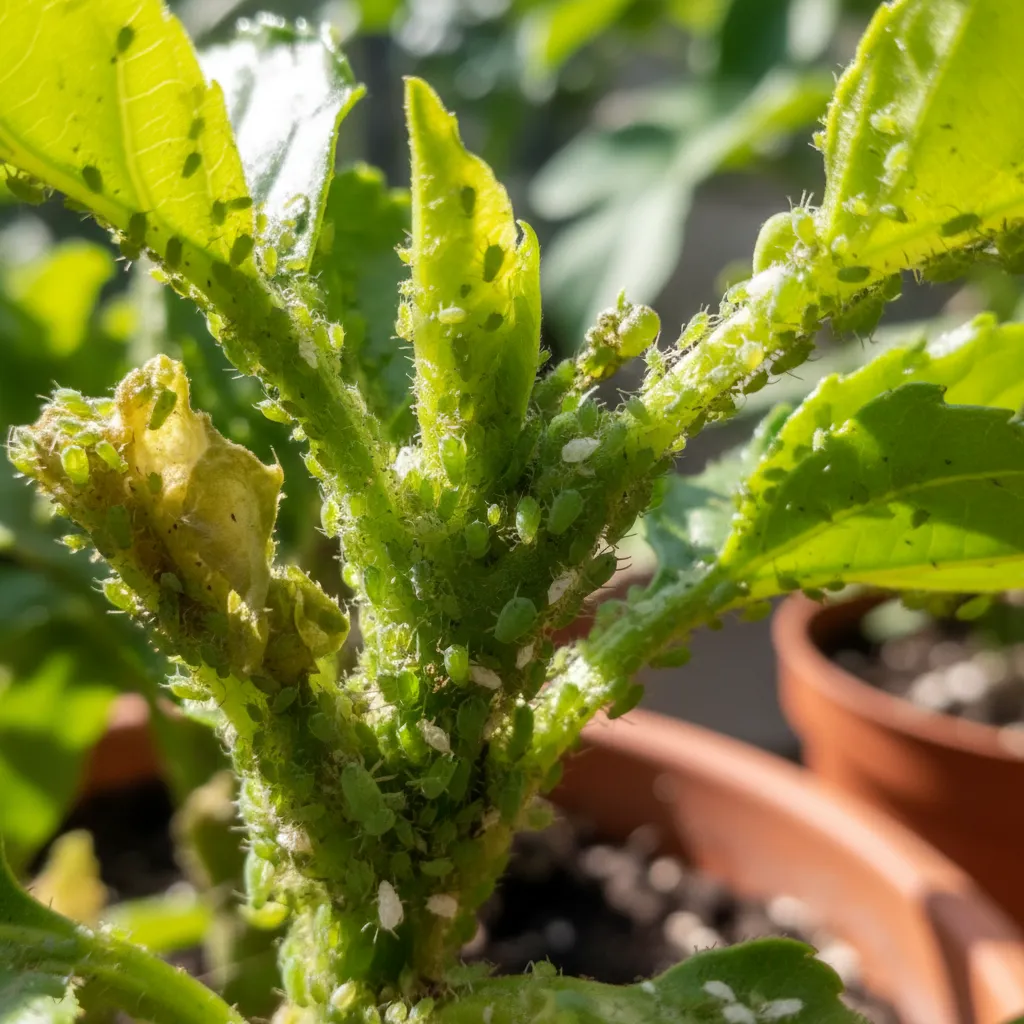
- ✓Pest and Disease Resistance — Generally robust with no significant known diseases or insect pests, making it a low-maintenance landscape plant.
- ✓Salt Tolerance — Exhibits excellent tolerance to salt spray, making it an ideal choice for coastal gardens and seaside plantings.
Reviewed by the Flora Medical Global Botanical Review Panel
Multi-disciplinary editorial group · Botany · Ethnobotany · Herbal-medicine literature
Who reviewed this: This page was checked by the Flora Medical Global Botanical Review Panel — an in-house editorial group of botany graduates, ethnobotany researchers, and horticulture practitioners who collectively maintain our 7,000+ plant encyclopedia. Meet the team.
Our 4-step verification process
1. Taxonomic verification
Scientific names and synonyms cross-checked against Kew POWO, World Flora Online, and The Plant List.
2. Phytochemical & medicinal cross-reference
Active compounds, traditional uses, and reported activities are cross-referenced with PubMed, USDA Dr. Duke's database, and peer-reviewed ethnobotanical literature.
3. Conservation & distribution check
Distribution, ecology, and conservation status confirmed against GBIF occurrence records and the IUCN Red List.
4. Editorial & safety review
Every entry passes an editorial pass for clarity, originality, and safety notices (toxicity, contraindications, dosage caveats) before publication.
Last reviewed:
Important medical disclaimer: This content is for educational and research purposes only. It is not medical advice and is not a substitute for consultation with a licensed healthcare provider. Do not use any herb to self-treat a medical condition without professional guidance.
Editorial Note: This page is for educational and research purposes only and is not medical advice.
Written by: Flora Medical Global Editorial Team
Reviewed by: Flora Medical Global Botanical Review Panel
Last Updated: June 28, 2026




Natal Plum — Comments & Community Reviews
Rate this plant
No reviews yet. Be the first!