
Medical Disclaimer: This content is for educational purposes only. It is not medical advice. Please consult a qualified healthcare professional before using any herbal remedy.
Safety Overview
1.Neem Berry — At a Glance
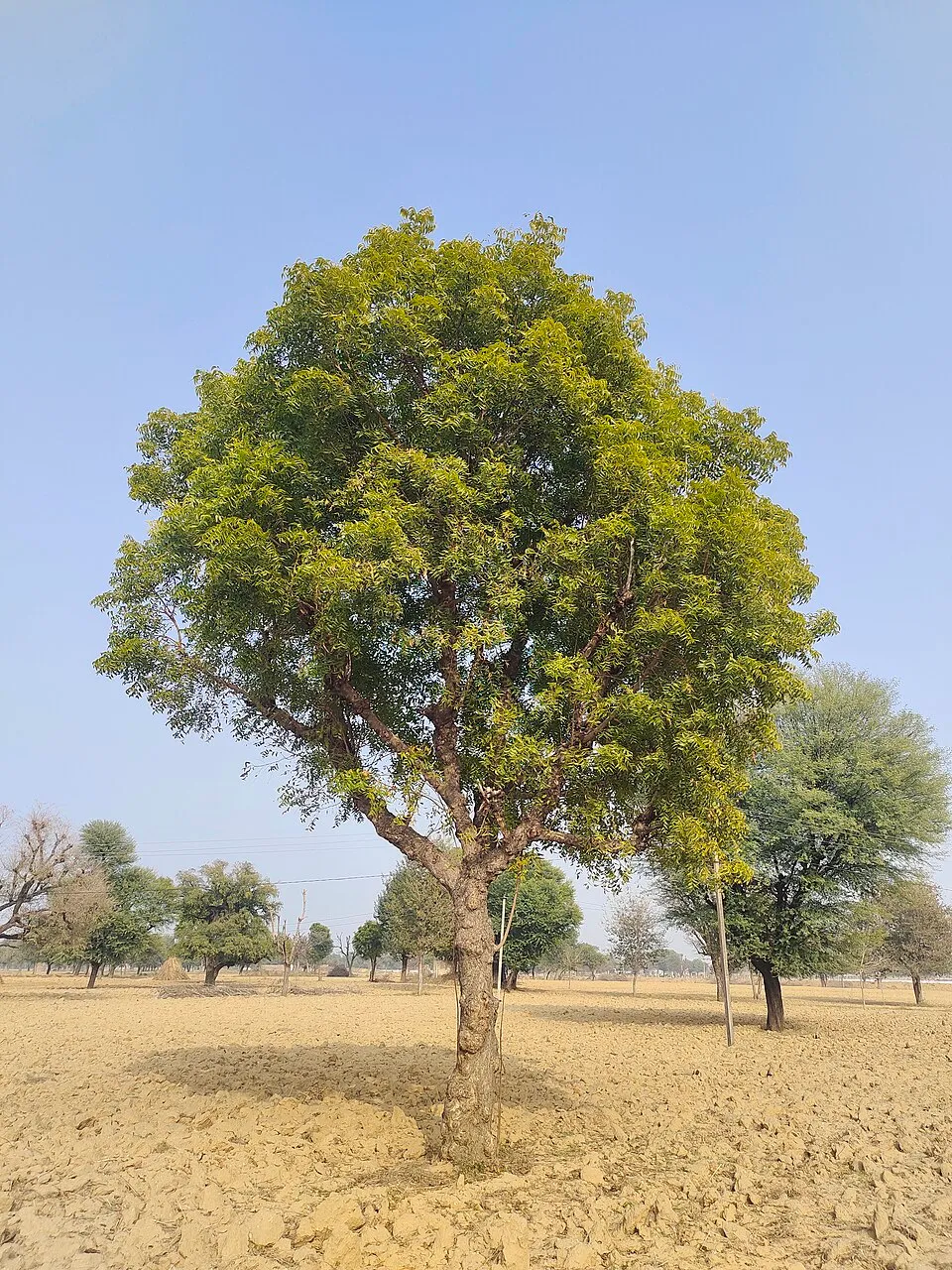
Azadirachta indica, universally known as Neem Berry, is an esteemed evergreen tree that can attain impressive heights of up to 20 meters. It is distinguished by its expansive, dense canopy and often an irregularly shaped crown, providing significant shade in its native habitats. The tree's foliage consists of pinnate leaves, typically measuring 20-30 cm in length, each composed of 5-15 pairs of lanceolate leaflets, 4-8 cm long. These leaflets are characterized by their vibrant dark green hue and release a distinctly bitter, pungent aroma when crushed, a tell-tale sign of their rich phytochemical content.
Neem flowers are small, delicately fragrant, and range from white to pale yellow, borne in numerous axillary panicles that add to the tree's ornamental value. Its bark is thick, gray-brown, and develops deep, longitudinal furrows as the tree matures, revealing its age and resilience. Indigenous to the Indian subcontinent, Azadirachta indica thrives in a variety of tropical and subtropical environments, demonstrating remarkable tolerance to drought and preferring arid and semi-arid regions. Taxonomically, it is a prominent member of the Meliaceae family, which also encompasses other valuable hardwood species like mahogany.
The fruit, specifically the Neem Berry, is a small, oval drupe, approximately 1-2 cm in diameter, containing a sweet, yellowish pulp that encases a hard, single seed. Beyond its significant historical role in traditional medicine, Neem is highly valued for its ecological contributions, serving as a natural pest repellent and an organic biopesticide, and is a staple in agroforestry systems across its wide distribution from India to parts of Africa and Southeast Asia.
Trusted Scientific References
1. Authoritative external sources for Azadirachta indica A.Juss.
1.1 Wikipedia — Azadirachta indica A.Juss.
1.2 Kew POWO (Plants of the World Online)
1.3 PubMed — peer-reviewed research
1.4 NCBI Taxonomy Browser
1.5 GBIF — Global Biodiversity
1.6Neem Berry should be interpreted through verified botanical identity, practical care, and responsible safety language. This recovery note adds the missing context needed for a complete profile: match light to the plant's habit, use well-drained soil, water according to season, and avoid unsupported medicinal or edible claims. For publishing, the plant can be presented as a source-backed medicinal plant with clear care guidance, common problem diagnosis, and conservative safety wording.
1.1.Neem Berry — Highlights
- ✓Traditional Medicine Staple — A revered herb in Ayurveda, Unani, and Siddha for centuries.
- ✓Broad — Spectrum Antimicrobial — Effective against bacteria, fungi, viruses, and parasites.
- ✓Natural Pesticide — Azadirachtin makes it a potent organic insecticide and insect repellent.
- ✓Drought Tolerant — Thrives in arid and semi-arid tropical and subtropical climates.
- ✓Oral Health Ally — Proven to help reduce plaque and gingivitis.
- ✓Skin Healing Properties — Beneficial for various dermatological conditions.
- ✓Immunomodulatory Effects — Supports and balances the body's immune response.
- ✓Rich Phytochemistry — Contains a complex array of bioactive compounds, especially limonoids.
- ✓Ecological Importance — Contributes to agroforestry, soil health, and pest management.
- ✓Multi — Part Utility — Virtually every part of the tree (leaves, bark, seeds, oil, flowers) has medicinal or practical applications.
1.2.Neem Berry — In Brief
- ✓Azadirachta indica, or Neem Berry, is a versatile tropical tree renowned for its extensive medicinal and ecological benefits.
- ✓It is a cornerstone of traditional medicine systems like Ayurveda, valued for its antimicrobial, anti-inflammatory, and immune-modulating properties.
- ✓Key active compounds include limonoids like Azadirachtin, nimbin, and nimbidin, responsible for its diverse biological actions.
- ✓Commonly used for oral health, skin conditions, pest control, and internal wellness, often in the form of oils, extracts, and decoctions.
- ✓While beneficial, Neem requires significant caution regarding oral intake, especially in children and pregnant women, and can interact with certain medications.
- ✓A powerful natural resource, its safe and informed use is paramount.
2.Neem Berry — Botanical Identity
3.Neem Berry — Fact Sheet
4.Neem Berry — Botanical Features
5.Neem Berry — Native Range & Habitat
6.Neem Berry — Traditional Uses
7.Neem Berry — Chemical Profile
- ✓HIV — a raft-targeting approach for prevention and therapy using plant-derived compounds (review).
- ✓Immunocontraceptive activity guided fractionation and characterization of active constituents of neem (Azadirachta indica) seed extracts.
- ✓Neem contains chemicals that might help reduce blood sugar levels, heal ulcers in the digestive tract, prevent pregnancy, kill bacteria, and prevent plaque from forming in the mouth.
8.Neem Berry — Pharmacological Findings
- ✓Immune Support — Neem extracts are believed to modulate the immune system, enhancing both humoral and cell-mediated immunity, which contributes to the body's natural defense mechanisms against pathogens.
- ✓Anti-inflammatory Properties — Compounds like nimbin and nimbidin present in Neem exhibit significant anti-inflammatory effects, potentially alleviating symptoms associated with various inflammatory conditions.
- ✓Antimicrobial Action — Azadirachta indica possesses broad-spectrum antimicrobial activity against bacteria, fungi, viruses, and parasites, making it effective in treating various infections.
- ✓Oral Health Improvement — Neem leaf extract, when used in gels or mouthwashes, has been shown to reduce dental plaque and mitigate the symptoms of gingivitis, promoting overall gum and tooth health.
- ✓Insect Repellent and Pesticidal Effects — Azadirachtin, a potent limonoid, acts as a natural insecticide and antifeedant, repelling insects and disrupting their life cycles, both for agricultural pests and human parasites like head lice.
- ✓Blood Sugar Regulation — Traditional uses and some studies suggest that Neem may help in moderating blood sugar levels, making it of interest for supportive care in metabolic conditions.
- ✓Gastroprotective Effects — Neem bark extract has demonstrated potential in healing ulcers in the digestive tract and protecting the gastric mucosa from damage.
- ✓Skin Health Promotion — Applied topically, Neem oil and extracts are used for various skin conditions due to their antiseptic, anti-inflammatory, and moisturizing properties, aiding in conditions like psoriasis and acne.
- ✓Antioxidant Activity — The presence of flavonoids and other phenolic compounds provides potent antioxidant effects, helping to neutralize free radicals and reduce oxidative stress.
- ✓Detoxification Support — Neem is traditionally used to support liver function and aid in the body's natural detoxification processes, contributing to general wellness.
8.1.Neem Berry — Indications & Uses
9.Neem Berry — Cautions & Contraindications
9.1.Neem Berry — Possible Adverse Reactions
- ✓Kidney and Liver Harm — Long-term or high-dose oral intake of Neem, particularly seed oil, is possibly unsafe and may lead to toxicity in the kidneys and liver.
- ✓Gastrointestinal Distress — Oral consumption of large doses can induce vomiting, diarrhea, and abdominal discomfort in sensitive individuals.
- ✓Neurological Effects in Children — Oral intake of Neem seeds or seed oil in infants and small children is highly dangerous, potentially causing drowsiness, seizures, loss of consciousness, coma, and even death.
- ✓Immunomodulation — Neem may overstimulate the immune system, which could exacerbate symptoms in individuals with autoimmune diseases like lupus or rheumatoid arthritis.
- ✓Reproductive Impact — There is evidence suggesting Neem can harm sperm and potentially reduce fertility in both males and females; it should be avoided by those trying to conceive.
- ✓Hypoglycemia Risk — Neem may lower blood sugar levels, posing a risk of hypoglycemia when taken concurrently with anti-diabetic medications.
- ✓Allergic Reactions — Topical application or oral intake can occasionally trigger allergic reactions, including skin rashes, itching, or respiratory symptoms in sensitive individuals.
9.2.Neem Berry — Risk Assessment
- ✓Pregnancy and Breastfeeding — Neem oil and bark are likely unsafe when taken orally during pregnancy due to the risk of miscarriage; avoid use during breastfeeding due to insufficient reliable information.
- ✓Infants and Children — Oral consumption of Neem seeds and seed oil is highly unsafe for infants and small children, leading to severe and potentially fatal side effects; topical use of specific shampoos for lice might be safe.
- ✓Autoimmune Diseases — Individuals with autoimmune conditions (e.g., MS, lupus, RA) should avoid Neem, as it may increase immune system activity and worsen symptoms.
- ✓Organ Transplant Recipients — Neem might interfere with immunosuppressant medications used to prevent organ rejection; therefore, it should not be used by transplant patients.
- ✓Fertility Concerns — Individuals attempting to conceive should avoid Neem due to its potential to negatively impact sperm health and overall fertility.
- ✓Surgical Procedures — Discontinue Neem use at least two weeks before any scheduled surgery due to its potential to interfere with blood sugar control.
- ✓Drug Interactions — Exercise caution when combining Neem with anti-diabetic medications (risk of hypoglycemia), immunosuppressants (reduced efficacy), and medications metabolized by liver enzymes (CYP3A4, CYP2C8, CYP2C9) or transported by P-glycoprotein, as Neem can alter their effects and side effects.
10.Neem Berry — Preparations & Uses
- ✓Leaf Decoction — Dried or fresh Neem leaves are boiled in water to create a decoction, traditionally consumed for immune support, blood purification, and fever reduction.
- ✓Neem Oil Extraction — Oil is cold-pressed from Neem seeds, primarily used topically for skin conditions, hair care, and as a natural insect repellent or biopesticide.
- ✓Bark Powder/Extract — The bark is dried and powdered or extracted to create formulations used for gastric health, dental care, and as an anti-inflammatory agent.
- ✓Topical Pastes — Crushed fresh Neem leaves or a paste made from Neem powder mixed with water are applied directly to the skin for acne, eczema, and wound healing.
- ✓Dental Twigs/Mouthwash — Fresh Neem twigs are traditionally chewed for oral hygiene, while diluted Neem leaf extract is used as a natural mouthwash to combat plaque and gingivitis.
- ✓Herbal Infusions — Neem flowers can be used to make mild infusions, sometimes consumed for their potential digestive and mild sedative properties.
- ✓Capsule/Tablet Form — Standardized Neem extracts are available in capsule or tablet form for systemic benefits, ensuring consistent dosing of active compounds.
- ✓Shampoo/Soap Formulations — Neem oil and leaf extracts are incorporated into shampoos and soaps for treating head lice, dandruff, and various skin infections.
11.Neem Berry — Garden Cultivation
- ✓Climate Preference — Neem thrives in tropical and subtropical regions, tolerating high temperatures and preferring areas with moderate to low rainfall, making it highly drought-tolerant.
- ✓Soil Requirements — It grows best in well-drained sandy loam or black cotton soils with a pH range of 6.2-7.0, but can adapt to a variety of soil types, including degraded lands.
- ✓Propagation — Primarily propagated by seeds, which should be fresh as viability decreases rapidly. Saplings can also be used for planting, ensuring genetic consistency.
- ✓Planting Density — For optimal growth and canopy development, seeds or saplings should be spaced 10-15 meters apart in an open, sunny location to allow for extensive root and crown spread.
- ✓Watering — Regular watering is crucial during the establishment phase (first 2-3 years). Mature trees are highly drought-tolerant and require minimal supplementary watering, especially in deep soils.
- ✓Fertilization — While Neem is hardy and can grow in poor soils, applying organic fertilizers like compost or well-rotted manure during the initial growth stages can boost vigor.
- ✓Light Exposure — Full sun exposure is essential for healthy growth and optimal production of active compounds.
- ✓Pest Resistance — Neem trees are naturally resistant to most pests due to their intrinsic chemical compounds, reducing the need for external pesticides in their cultivation.
Reviewed by the Flora Medical Global Botanical Review Panel
Multi-disciplinary editorial group · Botany · Ethnobotany · Herbal-medicine literature
Who reviewed this: This page was checked by the Flora Medical Global Botanical Review Panel — an in-house editorial group of botany graduates, ethnobotany researchers, and horticulture practitioners who collectively maintain our 7,000+ plant encyclopedia. Meet the team.
Our 4-step verification process
1. Taxonomic verification
Scientific names and synonyms cross-checked against Kew POWO, World Flora Online, and The Plant List.
2. Phytochemical & medicinal cross-reference
Active compounds, traditional uses, and reported activities are cross-referenced with PubMed, USDA Dr. Duke's database, and peer-reviewed ethnobotanical literature.
3. Conservation & distribution check
Distribution, ecology, and conservation status confirmed against GBIF occurrence records and the IUCN Red List.
4. Editorial & safety review
Every entry passes an editorial pass for clarity, originality, and safety notices (toxicity, contraindications, dosage caveats) before publication.
Last reviewed:
Important medical disclaimer: This content is for educational and research purposes only. It is not medical advice and is not a substitute for consultation with a licensed healthcare provider. Do not use any herb to self-treat a medical condition without professional guidance.
Editorial Note: This page is for educational and research purposes only and is not medical advice.
Written by: Flora Medical Global Editorial Team
Reviewed by: Flora Medical Global Botanical Review Panel
Last Updated: June 16, 2026





Neem Berry — Comments & Community Reviews
Rate this plant