


Medical Disclaimer: This content is for educational purposes only. It is not medical advice. Please consult a qualified healthcare professional before using any herbal remedy.
Safety Overview
1.Nirgundi (Five-leaved Chaste Tree) — Plant Snapshot
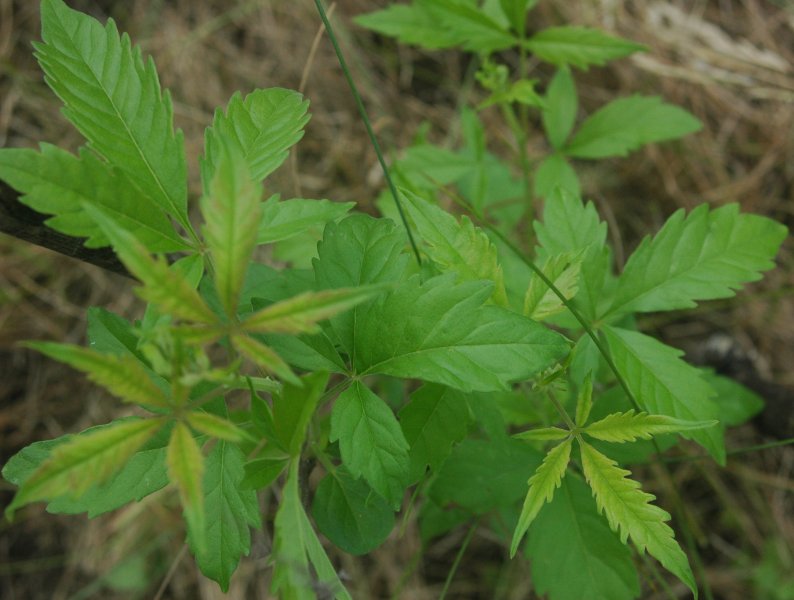
Nirgundi, scientifically known as Vitex negundo, is a prominent and highly aromatic shrub or small tree belonging to the Lamiaceae family, commonly recognized as the mint family. This robust plant typically attains heights of 1 to 3 meters, though some specimens may grow larger, exhibiting a sprawling or upright growth habit. Its distinctive features include compound leaves, usually palmately composed of 5 to 7 leaflets, although sometimes fewer. Each leaflet is characteristically ovate to lanceolate, measuring approximately 8 to 12 centimeters in length, with a smooth, vibrant green upper surface and a pale, often whitish or grayish, pubescent underside, giving it a unique two-toned appearance.
The plant produces delicate clusters of small, pale purple to violet flowers arranged in axillary thyrses, blooming profusely from July to September. These blossoms are known for attracting a variety of pollinators, contributing to the plant's ecological role. The bark of Nirgundi is grayish-brown, developing a rough, fissured texture with age. Native to the Indian subcontinent, Vitex negundo has a broad natural distribution across tropical and subtropical regions of Asia, thriving particularly well in moist, well-drained soils found in riverbanks, open forests, and disturbed areas.
Its pronounced aromatic properties, especially noticeable when the leaves are crushed, are a hallmark of its Lamiaceae family lineage. Beyond its significant medicinal applications, Nirgundi is also valued horticulturally as an ornamental shrub and a resilient hedge plant in various cultural landscapes.
Trusted Scientific References
1. Authoritative external sources for Vitex negundo
1.1 Wikipedia — Vitex negundo
1.2 Kew POWO (Plants of the World Online)
1.3 PubMed — peer-reviewed research
1.4 NCBI Taxonomy Browser
1.5 GBIF — Global Biodiversity
1.6Nirgundi (Five-leaved Chaste Tree) should be interpreted through verified botanical identity, practical care, and responsible safety language. This recovery note adds the missing context needed for a complete profile: match light to the plant's habit, use well-drained soil, water according to season, and avoid unsupported medicinal or edible claims. For publishing, the plant can be presented as a source-backed medicinal plant with clear care guidance, common problem diagnosis, and conservative safety wording.
1.1.Nirgundi (Five-leaved Chaste Tree) — Standout Qualities
- ✓Aromatic Foliage — Distinctive scent, especially when leaves are crushed, indicative of its essential oil content.
- ✓Compound Leaves — Characterized by 5-7 leaflets, bright green above and whitish below, providing easy identification.
- ✓Pale Purple Flowers — Small, attractive flowers that bloom in clusters, enhancing its ornamental value.
- ✓Traditional Medicinal Powerhouse — Widely used in Ayurveda, Unani, and other folk medicine systems for centuries.
- ✓Anti — inflammatory Action — Highly valued for its efficacy in reducing pain and swelling in musculoskeletal conditions.
- ✓Analgesic Properties — Provides natural relief from various types of pain, including headaches and joint discomfort.
- ✓Antimicrobial Activity — Effective against a range of pathogens, beneficial for wound healing and skin health.
- ✓Adaptable Cultivation — Grows robustly in diverse tropical and subtropical environments, easy to propagate.
- ✓Rich Phytochemistry — Contains a complex array of bioactive compounds, including flavonoids, iridoids, and terpenes.
- ✓Female Health Support — Traditionally used to address menstrual issues and support reproductive well-being.
1.2.Nirgundi (Five-leaved Chaste Tree) — At-a-Glance Summary
- ✓Vitex negundo, or Nirgundi, is an aromatic shrub native to Asia, known for its significant medicinal uses.
- ✓It possesses potent anti-inflammatory, analgesic, and antimicrobial properties, widely used in traditional medicine systems.
- ✓Key chemical constituents include flavonoids, iridoids, and essential oils, contributing to its diverse therapeutic effects.
- ✓Traditionally applied for joint pain, respiratory issues, skin ailments, and female reproductive health.
- ✓Propagation is easy via seeds or cuttings, thriving in tropical to subtropical climates with moist, well-drained soil.
- ✓Safety precautions advise against use during pregnancy, breastfeeding, and in hormone-sensitive conditions, with medical consultation recommended.
2.Nirgundi (Five-leaved Chaste Tree) — Systematic Position
3.Nirgundi (Five-leaved Chaste Tree) — Reference Facts
4.Nirgundi (Five-leaved Chaste Tree) — Plant Morphology
5.Nirgundi (Five-leaved Chaste Tree) — Habitat & Distribution
6.Nirgundi (Five-leaved Chaste Tree) — Ethnobotanical Uses
7.Nirgundi (Five-leaved Chaste Tree) — Bioactive Constituents
- ✓Flavonoids — Key compounds include casticin, artemetin, vitexin, and isovitexin, known for their potent anti-inflammatory, antioxidant, and anti-allergic activities.
- ✓Iridoids — Agnucastoside, aucubin, and agnuside are prominent iridoid glycosides contributing to the plant's anti-inflammatory and analgesic properties.
- ✓Terpenoids — This category encompasses essential oils rich in monoterpenes (e.g., sabinene, pinene) and sesquiterpenes (e.g., caryophyllene), which provide antimicrobial, insecticidal, and aromatic characteristics.
- ✓Diterpenoids — Compounds like vitexilactone and vitetrifolin are found, often associated with anti-inflammatory and cytotoxic effects.
- ✓Ecdysteroids — These steroidal compounds, such as 20-hydroxyecdysone, are present and may contribute to various biological activities, including adaptogenic properties.
- ✓Alkaloids — While less prominent, certain alkaloidal compounds may be present, influencing specific pharmacological actions within the plant.
- ✓Phenolic Acids — Gallic acid, caffeic acid, and p-hydroxybenzoic acid contribute significantly to the plant's overall antioxidant capacity.
- ✓Lignans — Compounds like (+)-syringaresinol are found, possessing antioxidant and potentially anti-cancer properties.
- ✓Steroids — Beyond ecdysteroids, other steroidal compounds are present, which can influence hormonal pathways or exert anti-inflammatory effects.
- ✓Saponins — These glycosides are known for their detergent-like properties and can contribute to expectorant and anti-inflammatory actions.
8.Nirgundi (Five-leaved Chaste Tree) — Research Insights
- ✓Anti-inflammatory — Nirgundi leaves and roots contain flavonoids and iridoids that help modulate inflammatory pathways, reducing pain and swelling associated with conditions like arthritis and sprains.
- ✓Analgesic — Extracts from Vitex negundo exhibit pain-relieving effects, acting on various pain receptors and inflammatory mediators, making it effective for headaches, joint pain, and muscle aches.
- ✓Antimicrobial — The essential oils and phytochemicals in Nirgundi demonstrate broad-spectrum activity against bacteria and fungi, useful in treating skin infections and promoting wound healing.
- ✓Antioxidant — Rich in phenolic compounds and flavonoids, Vitex negundo helps neutralize free radicals, protecting cells from oxidative damage and supporting overall cellular health.
- ✓Anticonvulsant — Traditional uses and preliminary research suggest Nirgundi may possess properties that help reduce seizure activity, acting on the central nervous system to stabilize neuronal excitability.
- ✓Nervine Tonic — Historically, Nirgundi has been used to calm the nervous system, reduce anxiety, and improve cognitive function, contributing to its role in managing stress-related conditions.
- ✓Female Reproductive Health — Though less studied than Vitex agnus-castus, Vitex negundo is traditionally used to support menstrual regularity and alleviate discomfort, potentially through its effects on hormonal balance.
- ✓Respiratory Support — Decoctions of Nirgundi are employed in traditional medicine to relieve symptoms of coughs, colds, asthma, and bronchitis, acting as a bronchodilator and expectorant.
- ✓Joint and Muscle Pain Relief — Applied topically or consumed orally, Nirgundi is highly regarded in Ayurveda for alleviating musculoskeletal pain, including conditions like sciatica, rheumatism, and sprains.
- ✓Skin Ailments — Due to its anti-inflammatory and antimicrobial properties, Nirgundi paste or oil is used to treat boils, skin infections, wounds, and ulcers, promoting healing and reducing irritation.
8.1.Nirgundi (Five-leaved Chaste Tree) — Indications & Uses
9.Nirgundi (Five-leaved Chaste Tree) — Adverse Effects
9.1.Nirgundi (Five-leaved Chaste Tree) — Caution Notes
- ✓Gastrointestinal Upset — Some individuals may experience mild digestive issues such as nausea, stomach discomfort, or diarrhea, particularly with high doses.
- ✓Skin Irritation — Topical application of Nirgundi preparations can occasionally cause skin rashes, itching, or allergic reactions in sensitive individuals.
- ✓Headaches — A small percentage of users have reported experiencing headaches after consuming Nirgundi, especially in the initial stages of use.
- ✓Dizziness — Infrequent reports of dizziness or lightheadedness have been noted, particularly when taken orally.
- ✓Allergic Reactions — As with any plant, allergic reactions, though rare, can occur, manifesting as hives, swelling, or difficulty breathing.
- ✓Hormonal Imbalance — Given its traditional use in female health and the presence of compounds similar to other Vitex species, there's a theoretical, though unconfirmed for V. negundo, risk of minor hormonal fluctuations.
- ✓Increased Menstrual Flow — Some traditional texts mention a potential for increased menstrual flow in certain individuals.
9.2.Nirgundi (Five-leaved Chaste Tree) — Clinical Safety Notes
- ✓Pregnancy and Breastfeeding — Nirgundi is generally contraindicated during pregnancy and breastfeeding due to insufficient safety data and potential effects on reproductive hormones.
- ✓Hormone-Sensitive Conditions — Individuals with hormone-sensitive conditions such as endometriosis, uterine fibroids, or breast cancer should avoid Nirgundi due to theoretical hormonal interactions.
- ✓Drug Interactions — Caution is advised when combining Nirgundi with hormone-altering medications, birth control pills, or drugs for Parkinson's disease, as interactions may occur.
- ✓Children — The use of Nirgundi in children is not recommended without expert medical supervision due to a lack of safety studies.
- ✓Allergic Sensitivity — Individuals with known allergies to plants in the Lamiaceae family should exercise caution or avoid use.
- ✓Topical Application — Perform a patch test on a small skin area before widespread topical application to check for potential allergic reactions or skin irritation.
- ✓Medical Consultation — Always consult a qualified healthcare professional or medical herbalist before starting any new herbal regimen, especially if you have pre-existing health conditions or are on medication.
10.Nirgundi (Five-leaved Chaste Tree) — Application Forms
- ✓Decoction — Leaves, roots, or bark are boiled in water to extract medicinal compounds, commonly consumed orally for internal conditions like fever, joint pain, or respiratory issues.
- ✓Poultice/Paste — Fresh or dried leaves are crushed and mixed with a carrier (e.g., water, oil) to form a paste, applied topically to reduce inflammation, heal wounds, or alleviate skin infections.
- ✓Medicated Oil — Leaves are infused into a carrier oil (e.g., sesame oil) by gentle heating, creating a potent oil used for massage to relieve muscle sprains, arthritis, and body aches.
- ✓Powder — Dried leaves, fruits, or roots are ground into a fine powder, which can be taken orally with water or honey, or incorporated into herbal formulations.
- ✓Fumes/Vapor Inhalation — Burning dried leaves or using a steam inhalation with leaf extracts is traditionally employed for respiratory ailments like colds, coughs, and sinusitis.
- ✓Juice — Fresh leaf juice, sometimes mixed with other ingredients, is consumed for its direct medicinal benefits, often targeting digestive or general tonic effects.
- ✓Baths — Infusions of Nirgundi leaves are added to bathwater to soothe skin irritations, muscular pain, or as a general relaxing and purifying bath.
11.Nirgundi (Five-leaved Chaste Tree) — Growing Guide
- ✓Propagation — Nirgundi can be effectively propagated through seeds, which germinate readily, or more commonly via stem cuttings, especially semi-hardwood cuttings.
- ✓Soil Requirements — The plant thrives in a wide range of soil types but prefers moist, well-drained, fertile loamy soils with a pH between 6.0 and 7.5.
- ✓Climate — It is well-suited to tropical and subtropical climates, tolerating both hot and humid conditions, though it can withstand mild temperate winters.
- ✓Sunlight — Nirgundi requires full sunlight exposure for optimal growth and flowering, though it can tolerate partial shade.
- ✓Watering — Regular watering is essential, especially during dry periods, to maintain consistent soil moisture, but it is also moderately drought-tolerant once established.
- ✓Pruning — Pruning is beneficial to maintain its shape, encourage bushier growth, and promote a higher yield of leaves and flowers for medicinal use.
- ✓Pest and Disease Resistance — Generally, Vitex negundo is quite hardy and exhibits good resistance to most common pests and diseases, requiring minimal intervention.
- ✓Fertilization — While adaptable, enriching the soil with organic matter or a balanced fertilizer during the growing season can enhance vigor and production.
Reviewed by the Flora Medical Global Botanical Review Panel
Multi-disciplinary editorial group · Botany · Ethnobotany · Herbal-medicine literature
Who reviewed this: This page was checked by the Flora Medical Global Botanical Review Panel — an in-house editorial group of botany graduates, ethnobotany researchers, and horticulture practitioners who collectively maintain our 7,000+ plant encyclopedia. Meet the team.
Our 4-step verification process
1. Taxonomic verification
Scientific names and synonyms cross-checked against Kew POWO, World Flora Online, and The Plant List.
2. Phytochemical & medicinal cross-reference
Active compounds, traditional uses, and reported activities are cross-referenced with PubMed, USDA Dr. Duke's database, and peer-reviewed ethnobotanical literature.
3. Conservation & distribution check
Distribution, ecology, and conservation status confirmed against GBIF occurrence records and the IUCN Red List.
4. Editorial & safety review
Every entry passes an editorial pass for clarity, originality, and safety notices (toxicity, contraindications, dosage caveats) before publication.
Last reviewed:
Important medical disclaimer: This content is for educational and research purposes only. It is not medical advice and is not a substitute for consultation with a licensed healthcare provider. Do not use any herb to self-treat a medical condition without professional guidance.
Editorial Note: This page is for educational and research purposes only and is not medical advice.
Written by: Flora Medical Global Editorial Team
Reviewed by: Flora Medical Global Botanical Review Panel
Last Updated: June 16, 2026





Nirgundi (Five-leaved Chaste Tree) — Comments & Community Reviews
Rate this plant