


Medical Disclaimer: This content is for educational purposes only. It is not medical advice. Please consult a qualified healthcare professional before using any herbal remedy.
Safety Overview
1.Noni — Botanical Snapshot

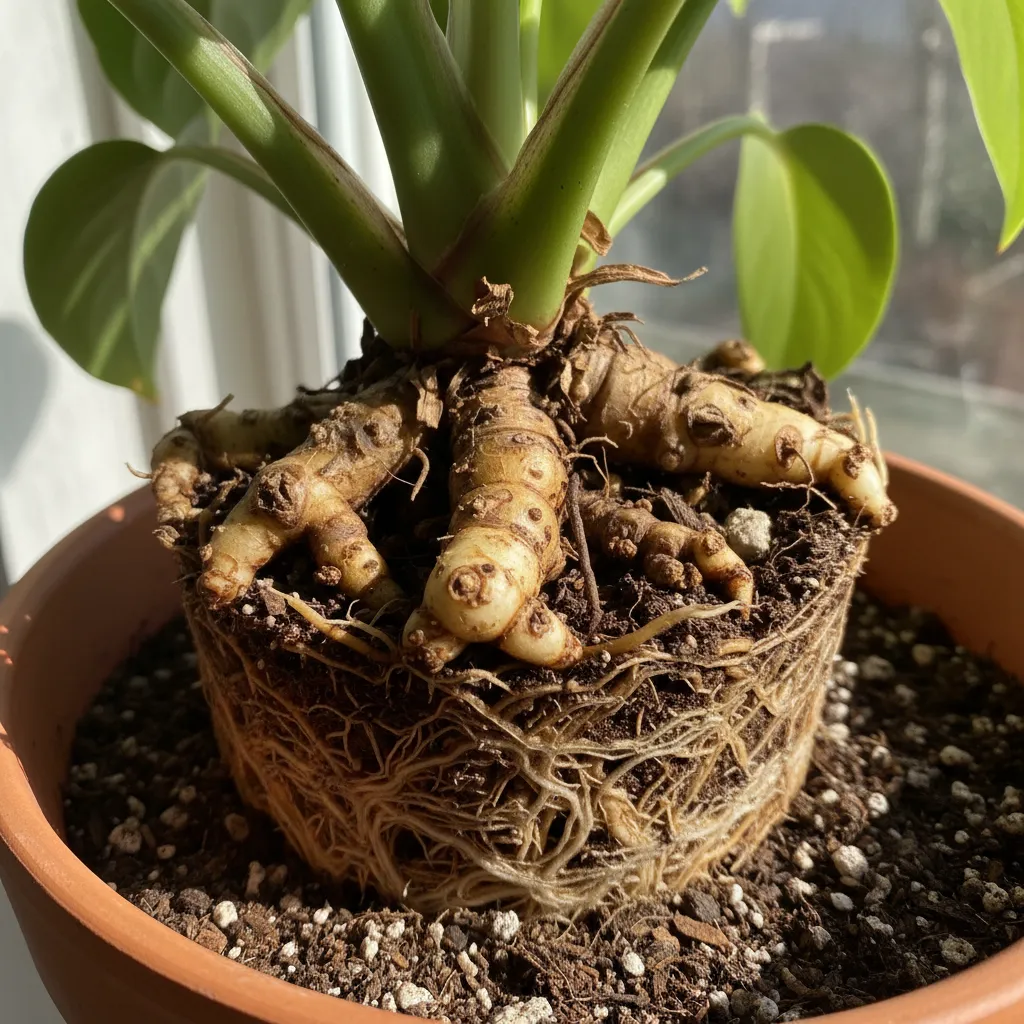
Noni, scientifically known as Morinda citrifolia, is a remarkable evergreen shrub or small tree belonging to the Rubiaceae family, renowned for its significant medicinal value. This resilient plant typically grows to heights of 3 to 10 meters, characterized by its broad, elliptical, dark green leaves with prominent veins. Its distinctive flowers are small, white, and clustered, eventually developing into an ovoid, bumpy fruit.
The fruit undergoes a transformation from green to yellow and finally to a pale, almost translucent white when fully ripe, emitting a strong, pungent odor often described as cheese-like. Noni thrives in diverse tropical and subtropical environments, particularly in coastal regions and volcanic soils, showcasing its adaptability to harsh conditions including drought and salinity. Its natural distribution spans across Southeast Asia, the Pacific Islands, Australia, and the Caribbean, where it has been a staple in traditional medicine systems for over two millennia.
The plant's robust nature allows it to flourish in nutrient-poor soils, making it a pioneer species in disturbed ecosystems. Its widespread presence and historical use underscore its importance as a versatile botanical resource in various cultures.
Trusted Scientific References
Authoritative external sources for Morinda citrifolia:
Noni should be interpreted through verified botanical identity, practical care, and responsible safety language. This recovery note adds the missing context needed for a complete profile: match light to the plant's habit, use well-drained soil, water according to season, and avoid unsupported medicinal or edible claims. For publishing, the plant can be presented as a source-backed medicinal plant with clear care guidance, common problem diagnosis, and conservative safety wording.
1.1.Noni — Distinguishing Points
- ✓Traditional Polynesian Remedy — Revered for over 2000 years in indigenous healing practices across the Pacific.
- ✓Rich Phytochemical Profile — Contains a complex array of bioactive compounds, including unique iridoids and anthraquinones.
- ✓Powerful Antioxidant Source — Effectively combats oxidative stress, protecting cellular integrity.
- ✓Natural Anti — inflammatory Agent — Helps reduce inflammation and associated pain throughout the body.
- ✓Immune System Modulator — Supports and strengthens the body's natural defense mechanisms.
- ✓Digestive Health Promoter — Aids in maintaining gut regularity and a balanced digestive system.
- ✓Adaptogenic Qualities — Assists the body in adapting to various stressors and promoting homeostasis.
- ✓Broad Geographic Distribution — Thrives in tropical climates worldwide, from Southeast Asia to the Caribbean.
- ✓Versatile Usage Forms — Consumed as juice, tea, powder, and applied topically for diverse ailments.
- ✓Subject of Ongoing Research — Modern science continues to validate and explore its traditional medicinal applications.
1.2.Noni — Concise Overview
- ✓Noni (Morinda citrifolia) is a tropical superfruit with a rich history in traditional medicine.
- ✓Renowned for its potent antioxidant, anti-inflammatory, and immune-boosting properties.
- ✓Contains diverse bioactive compounds, including iridoids, flavonoids, and coumarins.
- ✓Traditionally used for pain relief, digestive health, and general well-being.
- ✓Available in various forms like juice, powder, and topical applications.
- ✓Requires caution for individuals with kidney disease, liver issues, or those on certain medications.
2.Noni — Scientific Identity
3.Noni — Categories & Tags
4.Noni — Physical Description
5.Noni — Heritage Uses
6.Noni — Key Phytochemicals
- ✓Iridoids — Key compounds include aucubin, asperulosidic acid, deacetylasperulosidic acid, and asperuloside, which are known for their anti-inflammatory, antioxidant, and immune-modulating effects.
- ✓Coumarins — Scopoletin is a prominent coumarin found in Noni, recognized for its anti-inflammatory, hypotensive, and antimicrobial properties.
- ✓Flavonoids — Important examples are rutin and kaempferol, potent antioxidants that protect against oxidative stress and support cardiovascular health.
- ✓Anthraquinones — Compounds such as damnacanthal and morindone contribute to Noni's antibacterial, antifungal, and potential anticancer activities.
- ✓Polysaccharides — Notably nonioside A, these complex carbohydrates are crucial for Noni's immunomodulatory and gut microbiota-regulating effects.
- ✓Alkaloids — While xeronine is often cited, its existence is debated; however, various other alkaloids are present, contributing to the plant's diverse pharmacological profile.
- ✓Phenolic Compounds — A broad category including phenolic acids, which contribute significantly to the plant's overall antioxidant capacity.
- ✓Fatty Acids — Essential fatty acids found in Noni seeds and fruit contribute to skin health and cellular integrity.
- ✓Lignans — These compounds exhibit antioxidant, anti-inflammatory, and potential anticancer properties, further enriching Noni's therapeutic profile.
- ✓Saponins and Tannins — Present in varying amounts, these compounds contribute to the plant's traditional medicinal uses, including anti-inflammatory and astringent actions.
7.Noni — Evidence-Based Benefits
- ✓Potent Antioxidant Activity — Noni is rich in compounds like iridoids and flavonoids that effectively scavenge free radicals, protecting cells from oxidative damage and supporting overall cellular health.
- ✓Anti-inflammatory Support — Bioactive constituents, particularly scopoletin and certain iridoids, help modulate inflammatory pathways, offering relief from chronic inflammation and pain.
- ✓Immune System Enhancement — Polysaccharides and other phytochemicals in Noni have been shown to stimulate immune cell activity, strengthening the body's natural defenses against pathogens.
- ✓Digestive Health Aid — Traditionally used to alleviate constipation and diarrhea, Noni supports a healthy gut microbiome and aids in digestive regularity and nutrient absorption.
- ✓Analgesic Properties — The plant has a long history of use for pain relief, attributed to its ability to modulate pain perception and reduce inflammatory responses, acting as a natural analgesic.
- ✓Cardioprotective Effects — Noni may contribute to cardiovascular health by supporting healthy blood pressure levels and improving lipid profiles, thanks to its antioxidant and anti-inflammatory actions.
- ✓Metabolic Regulation — Emerging research suggests Noni can assist in glucose metabolism and insulin sensitivity, offering potential benefits in the management of metabolic disorders.
- ✓Antimicrobial Action — Extracts from Noni have demonstrated broad-spectrum antimicrobial activity against various bacteria and fungi, supporting its traditional use in treating infections.
- ✓Skin and Wound Healing — Applied topically, Noni has been traditionally used to promote wound healing and address skin conditions, owing to its anti-inflammatory and antiseptic qualities.
- ✓Adaptogenic Potential — Noni is considered an adaptogen, helping the body adapt to stress, promote balance, and enhance overall vitality and well-being.
7.1.Noni — Indications & Uses
8.Noni — Safety & Side Effects
8.1.Noni — Possible Adverse Reactions
- ✓Liver Toxicity — Rare cases of liver damage have been reported, primarily associated with high doses or pre-existing liver conditions.
- ✓Hyperkalemia — Noni juice is high in potassium, posing a risk for individuals with kidney disease or those on potassium-sparing medications.
- ✓Digestive Upset — Some individuals may experience mild gastrointestinal discomfort, such as nausea or diarrhea, especially with initial use.
- ✓Allergic Reactions — Although uncommon, allergic reactions like skin rashes or respiratory issues can occur in sensitive individuals.
- ✓Drug Interactions — May interact with blood-thinning medications, blood pressure drugs, and immunosuppressants; caution is advised.
- ✓Pungent Taste/Odor — The distinctive strong taste and odor of Noni can be off-putting for some users, leading to compliance issues.
8.2.Noni — Safety Profile
- ✓Kidney Disease — Contraindicated for individuals with kidney disease or those prone to hyperkalemia due to high potassium content.
- ✓Pregnancy and Breastfeeding — Noni use is generally not recommended during pregnancy or lactation due to insufficient safety data.
- ✓Liver Conditions — Individuals with pre-existing liver disease should exercise extreme caution or avoid Noni due to potential hepatotoxicity.
- ✓Drug Interactions — Consult a healthcare professional if taking medications, especially blood thinners, diuretics, or antihypertensives.
- ✓Dosage Adherence — Adhere strictly to recommended dosages; excessive intake may increase the risk of adverse effects.
- ✓Children and Infants — Not recommended for young children or infants due to lack of specific safety studies.
- ✓Allergic Sensitivity — Discontinue use if any signs of allergic reaction occur, such as rash, itching, or swelling.
9.Noni — Preparation Methods
- ✓Noni Juice — The most common form; ripe fruits are fermented and pressed to produce a potent juice, often consumed daily for general wellness.
- ✓Herbal Tea — Dried Noni leaves can be steeped to make a tea, traditionally used for its anti-inflammatory and digestive benefits.
- ✓Powdered Fruit — Dried and ground Noni fruit can be encapsulated or mixed into smoothies and foods, offering a concentrated form of its nutrients.
- ✓Topical Application — Crushed leaves or fruit pulp are historically applied as poultices to skin infections, wounds, and inflammatory conditions.
- ✓Leaf Extracts — Extracts from Noni leaves are used in some preparations for their specific phytochemical profiles, often found in tinctures or creams.
- ✓Capsules/Tablets — Standardized Noni extracts are available in capsule or tablet form, providing a convenient and measured dosage.
- ✓Fermented Products — Beyond juice, other fermented Noni products, including fruit leather or purees, preserve its beneficial compounds.
10.Noni — Cultivation & Care
- ✓Climate and Light — Noni thrives in tropical and subtropical climates, requiring full sun to partial shade for optimal growth.
- ✓Soil Requirements — Prefers well-drained, sandy to loamy soils, and is highly tolerant of various soil types, including volcanic and saline soils.
- ✓Water Needs — Requires consistent moisture, especially during establishment, but mature plants exhibit good drought tolerance.
- ✓Propagation — Can be propagated effectively from seeds, which should be soaked to improve germination, or from cuttings for faster growth.
- ✓Spacing — Allow adequate space between plants, typically 3-5 meters apart, to ensure proper air circulation and sunlight exposure.
- ✓Fertilization — Benefits from occasional organic fertilization, especially in nutrient-poor soils, to support fruit production.
- ✓Pest and Disease Management — Generally resistant to most pests and diseases, but monitoring for common tropical plant issues is advisable.
- ✓Pruning — Regular pruning helps maintain plant shape, promotes branching, and facilitates easier harvesting of fruits.
Reviewed by the Flora Medical Global Botanical Review Panel
Multi-disciplinary editorial group · Botany · Ethnobotany · Herbal-medicine literature
Who reviewed this: This page was checked by the Flora Medical Global Botanical Review Panel — an in-house editorial group of botany graduates, ethnobotany researchers, and horticulture practitioners who collectively maintain our 7,000+ plant encyclopedia. Meet the team.
Our 4-step verification process
1. Taxonomic verification
Scientific names and synonyms cross-checked against Kew POWO, World Flora Online, and The Plant List.
2. Phytochemical & medicinal cross-reference
Active compounds, traditional uses, and reported activities are cross-referenced with PubMed, USDA Dr. Duke's database, and peer-reviewed ethnobotanical literature.
3. Conservation & distribution check
Distribution, ecology, and conservation status confirmed against GBIF occurrence records and the IUCN Red List.
4. Editorial & safety review
Every entry passes an editorial pass for clarity, originality, and safety notices (toxicity, contraindications, dosage caveats) before publication.
Last reviewed:
Important medical disclaimer: This content is for educational and research purposes only. It is not medical advice and is not a substitute for consultation with a licensed healthcare provider. Do not use any herb to self-treat a medical condition without professional guidance.
Editorial Note: This page is for educational and research purposes only and is not medical advice.
Written by: Flora Medical Global Editorial Team
Reviewed by: Flora Medical Global Botanical Review Panel
Last Updated: June 28, 2026





Noni — Comments & Community Reviews
Rate this plant
No reviews yet. Be the first!