
Medical Disclaimer: This content is for educational purposes only. It is not medical advice. Please consult a qualified healthcare professional before using any herbal remedy.
Safety Overview
1.Onion — Plant Snapshot
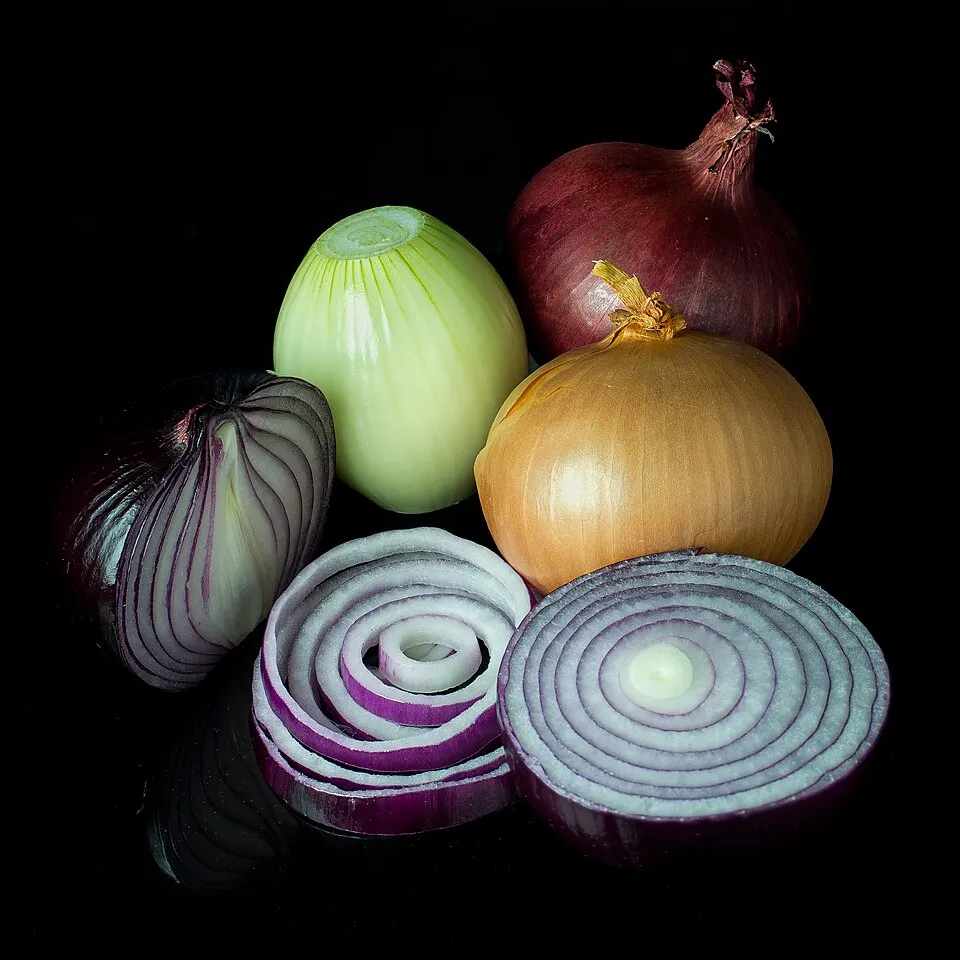
Allium cepa, commonly known as onion, is a globally cultivated biennial herbaceous plant, typically grown as an annual, belonging to the Amaryllidaceae family. Its origins trace back over 5,000 years to Central Asia, where it was first domesticated. Ancient civilizations, including the Egyptians, Greeks, and Romans, highly valued onions not just for their culinary versatility but also for their profound medicinal properties, often symbolizing strength and vitality. Historical texts like the Ebers Papyrus from approximately 1550 BC document its use for treating various ailments, such as headaches and cardiovascular conditions.
Morphologically, A. cepa exhibits a robust growth habit, reaching heights of 15 to 45 cm (6 to 18 inches) during its vegetative phase. It features hollow, glaucous leaves that emerge directly from its distinctive bulbous structure. If allowed to fully mature, the plant produces a tall, leafless flower stalk, crowned with a dense, spherical cluster of small, white to purplish flowers.
The edible bulb, a modified underground stem, consists of concentric layers of fleshy leaves. These layers are remarkably rich in a diverse array of sulfur compounds, notably thiosulfinates like allicin and various allyl sulfides, which are responsible for the onion's characteristic pungent aroma and many of its therapeutic effects. Beyond these sulfur compounds, onions are also a significant source of potent flavonoids, particularly quercetin and kaempferol, along with various phenolic acids, cementing their role as a staple in traditional medicine systems worldwide.
Trusted Scientific References
1. Authoritative external sources for Allium cepa
1.1 Wikipedia — Allium cepa
1.2 Kew POWO (Plants of the World Online)
1.3 PubMed — peer-reviewed research
1.4 NCBI Taxonomy Browser
1.5 GBIF — Global Biodiversity
1.6Onion should be interpreted through verified botanical identity, practical care, and responsible safety language. This recovery note adds the missing context needed for a complete profile: match light to the plant's habit, use well-drained soil, water according to season, and avoid unsupported medicinal or edible claims. For publishing, the plant can be presented as a source-backed medicinal plant with clear care guidance, common problem diagnosis, and conservative safety wording.
1.1.Onion — Standout Qualities
- ✓Botanical Name — Allium cepa.
- ✓Family — Amaryllidaceae (formerly Liliaceae/Alliaceae).
- ✓Origin — Central Asia.
- ✓Key Bioactives — Organosulfur compounds (allicin precursors), Quercetin, Kaempferol.
- ✓Primary Benefits — Antioxidant, Anti-inflammatory, Cardiovascular, Antidiabetic, Antimicrobial.
- ✓Traditional Uses — Digestive aid, respiratory support, blood purifier, immune booster.
- ✓Culinary Versatility — Essential ingredient in global cuisines, used raw and cooked.
- ✓Growth Habit — Biennial, typically cultivated as an annual, bulbous plant.
- ✓Historical Significance — Revered by ancient civilizations for both food and medicine.
- ✓Nutritional Profile — Good source of vitamins (C, B6), minerals (potassium), and dietary fiber.
1.2.Onion — At-a-Glance Summary
- ✓Allium cepa (Onion) is a versatile culinary and medicinal plant from Central Asia.
- ✓Rich in organosulfur compounds, flavonoids (quercetin), and phenolic acids.
- ✓Offers significant antioxidant, anti-inflammatory, cardiovascular, and antidiabetic benefits.
- ✓Utilized in Ayurveda, TCM, and Unani for digestive, respiratory, and circulatory support.
- ✓Generally safe for consumption but warrants caution with anticoagulants and certain digestive sensitivities.
- ✓Valued for its unique flavor and extensive health-promoting phytochemicals.
2.Onion — Taxonomic Classification
3.Onion — Reference Facts
4.Onion — Structural Profile
5.Onion — Habitat & Distribution
6.Onion — Cultural & Traditional Roles
7.Onion — Secondary Metabolites
- ✓Organosulfur Compounds — Key compounds include thiosulfinates (like allicin precursors such as alliin), allyl propyl disulfide, and S-alk(en)yl cysteine sulfoxides, responsible for the characteristic aroma, antimicrobial, and antiplatelet activities.
- ✓Flavonoids — Predominantly quercetin and its glycosides, along with kaempferol and myricetin, offering potent antioxidant, anti-inflammatory, and anticarcinogenic properties.
- ✓Phenolic Acids — Gallic acid, ferulic acid, caffeic acid, and p-coumaric acid are present, contributing to the overall antioxidant capacity and protective effects against oxidative stress.
- ✓Vitamins — Rich in Vitamin C (ascorbic acid), which is a powerful antioxidant and immune booster, as well as B vitamins (B1, B2, B6, and folic acid) essential for metabolic functions.
- ✓Minerals — Contains significant amounts of potassium, magnesium, calcium, phosphorus, and selenium, vital for electrolyte balance, bone health, nerve function, and antioxidant defense.
- ✓Fructans — These are soluble dietary fibers, primarily inulin and oligofructans, acting as prebiotics that support gut health by nourishing beneficial gut bacteria.
- ✓Saponins — These triterpenoid glycosides contribute to the plant's adaptogenic and immunomodulatory effects, though in lower concentrations compared to other Allium species.
- ✓Volatile Oils — A complex mixture of sulfur-containing compounds that contribute to the pungent flavor and aroma, alongside antimicrobial and anthelmintic properties.
- ✓Steroidal Glycosides — Compounds like cepaenes and ceparates have been identified, which may contribute to some of the plant's less-understood biological activities.
- ✓Amino Acids — Contains various amino acids, including sulfur-containing ones, which are precursors to many of the organosulfur compounds and essential for protein synthesis.
8.Onion — Modern Studies
- ✓Antioxidant Properties — Allium cepa is rich in flavonoids and organosulfur compounds, which effectively scavenge free radicals, protecting cells from oxidative damage.
- ✓Anti-inflammatory Effects — Quercetin and other compounds in onions help modulate inflammatory pathways, potentially reducing chronic inflammation in the body.
- ✓Cardiovascular Health Support — Onion consumption can contribute to lower blood pressure, improved cholesterol profiles, and antiplatelet activity, reducing the risk of heart disease.
- ✓Antidiabetic Potential — Studies suggest that onion compounds may help regulate blood glucose levels and improve insulin sensitivity, beneficial for managing diabetes.
- ✓Antimicrobial Activity — Organosulfur compounds exhibit broad-spectrum antimicrobial properties, helping to combat bacterial, fungal, and parasitic infections.
- ✓Anticancer Effects — The high concentration of antioxidants and sulfur compounds is associated with inhibiting cancer cell growth and inducing apoptosis in various cancer types, including colorectal and stomach cancers.
- ✓Immunomodulatory Benefits — Onion constituents, particularly quercetin, can modulate immune responses, enhancing the body's defense mechanisms against pathogens and immune dysregulation.
- ✓Respiratory System Support — Traditionally used for respiratory ailments, onions may help alleviate symptoms of asthma and clear phlegm due to their anti-inflammatory and expectorant properties.
- ✓Digestive Aid — In traditional systems like Ayurveda, onions are used to improve digestion, stimulate appetite, and relieve various gastrointestinal discomforts.
- ✓Neuroprotective Action — Certain compounds in onions demonstrate neuroprotective effects, potentially guarding against neurological damage and supporting cognitive function.
- ✓Antidepressant Effects — Emerging research indicates that Allium cepa may possess antidepressant-like activities, contributing to mood regulation and mental well-being.
8.1.Onion — Health Applications
9.Onion — Risk Profile
9.1.Onion — Caution Notes
- ✓Digestive Discomfort — Raw onions, especially in large quantities, can cause heartburn, gas, bloating, and stomach upset in sensitive individuals.
- ✓Bad Breath and Body Odor — The sulfur compounds responsible for onion's flavor can also lead to temporary bad breath and, in some cases, noticeable body odor.
- ✓Allergic Reactions — Although rare, some individuals may experience allergic reactions, including skin rash, itching, swelling, or respiratory distress.
- ✓Skin and Eye Irritation — Direct contact with freshly cut onions can cause temporary burning, tearing of the eyes, and mild skin irritation due to volatile sulfur compounds.
- ✓Anticoagulant Effects — High consumption may theoretically potentiate the effects of anticoagulant medications due to its antiplatelet properties, increasing bleeding risk.
- ✓Blood Sugar Lowering — While beneficial for diabetics, excessive intake in conjunction with antidiabetic medications could lead to hypoglycemia.
- ✓Gastroesophageal Reflux Disease (GERD) — Onions can relax the lower esophageal sphincter, potentially exacerbating symptoms of GERD in susceptible individuals.
9.2.Onion — Clinical Safety Notes
- ✓General Consumption — Allium cepa is generally recognized as safe (GRAS) when consumed in typical food amounts by most healthy adults.
- ✓Pregnancy and Lactation — Considered safe in culinary amounts during pregnancy and breastfeeding; medicinal doses should be discussed with a healthcare provider.
- ✓Drug Interactions — Caution is advised for individuals on anticoagulant or antiplatelet medications due to potential additive effects; monitor blood glucose if on antidiabetic drugs.
- ✓Surgical Considerations — Due to potential antiplatelet activity, discontinue onion supplements or high medicinal intake at least two weeks before scheduled surgery.
- ✓Allergic Individuals — Those with known allergies to other members of the Amaryllidaceae family (e.g., garlic, leeks) should exercise caution.
- ✓Topical Use — While generally safe, perform a patch test before extensive topical application, especially on sensitive skin, to check for irritation.
- ✓Pet Safety — Onions are toxic to dogs, cats, and some other animals, causing hemolytic anemia; ensure pets do not ingest them.
10.Onion — Application Forms
- ✓Culinary Ingredient — Widely used raw in salads, sandwiches, and salsas for pungent flavor; cooked in soups, stews, stir-fries, and roasts as a foundational aromatic.
- ✓Onion Juice — Freshly extracted juice can be consumed for its nutritional benefits or applied topically for skin conditions and insect bites.
- ✓Decoctions and Infusions — Dried or fresh onion slices can be boiled in water to create a decoction, traditionally used for respiratory issues and as a diuretic.
- ✓Poultices and Compresses — Crushed or grated onion applied directly to the skin as a poultice can help reduce inflammation, draw out infections, or soothe insect stings.
- ✓Pickled Onions — Preserving onions in vinegar not only extends their shelf life but also creates a tangy condiment, retaining many of their beneficial compounds.
- ✓Syrups and Tinctures — Onion-based syrups, often combined with honey, are traditional remedies for coughs and colds, while tinctures can be made for concentrated medicinal use.
- ✓Roasted or Grilled — Cooking methods like roasting or grilling caramelize the natural sugars, enhancing sweetness and mellowing the pungency, making them palatable for various dishes.
- ✓Onion Extract Supplements — Standardized extracts are available in capsule or tablet form, providing concentrated doses of active compounds like quercetin for targeted health benefits.
11.Onion — Growing Guide
- ✓Soil Preparation — Onions thrive in well-drained, fertile, loose sandy loam soil with a pH between 6.0 and 7.0, enriched with organic matter.
- ✓Sunlight Requirements — They require full sun exposure, ideally 6-8 hours of direct sunlight daily, for optimal bulb development and growth.
- ✓Propagation — Can be grown from seeds (for long-season varieties), sets (small immature bulbs for quicker harvest), or transplants.
- ✓Planting Time — Seeds are typically sown indoors 8-10 weeks before the last frost or directly outdoors in early spring; sets are planted after the last frost.
- ✓Watering — Consistent moisture is crucial, especially during bulb formation, but avoid waterlogging which can lead to rot.
- ✓Fertilization — Apply a balanced fertilizer at planting, followed by nitrogen-rich feeding during vegetative growth, reducing nitrogen as bulbs mature.
- ✓Pest and Disease Management — Monitor for common pests like onion thrips and onion maggot, and diseases such as downy mildew and neck rot, employing integrated pest management.
- ✓Harvesting — Bulbs are ready for harvest when the tops yellow and fall over, usually 90-120 days after planting, depending on the variety.
Reviewed by the Flora Medical Global Botanical Review Panel
Multi-disciplinary editorial group · Botany · Ethnobotany · Herbal-medicine literature
Who reviewed this: This page was checked by the Flora Medical Global Botanical Review Panel — an in-house editorial group of botany graduates, ethnobotany researchers, and horticulture practitioners who collectively maintain our 7,000+ plant encyclopedia. Meet the team.
Our 4-step verification process
1. Taxonomic verification
Scientific names and synonyms cross-checked against Kew POWO, World Flora Online, and The Plant List.
2. Phytochemical & medicinal cross-reference
Active compounds, traditional uses, and reported activities are cross-referenced with PubMed, USDA Dr. Duke's database, and peer-reviewed ethnobotanical literature.
3. Conservation & distribution check
Distribution, ecology, and conservation status confirmed against GBIF occurrence records and the IUCN Red List.
4. Editorial & safety review
Every entry passes an editorial pass for clarity, originality, and safety notices (toxicity, contraindications, dosage caveats) before publication.
Last reviewed:
Important medical disclaimer: This content is for educational and research purposes only. It is not medical advice and is not a substitute for consultation with a licensed healthcare provider. Do not use any herb to self-treat a medical condition without professional guidance.
Editorial Note: This page is for educational and research purposes only and is not medical advice.
Written by: Flora Medical Global Editorial Team
Reviewed by: Flora Medical Global Botanical Review Panel
Last Updated: June 16, 2026





Onion — Comments & Community Reviews
Rate this plant