


Medical Disclaimer: This content is for educational purposes only. It is not medical advice. Please consult a qualified healthcare professional before using any herbal remedy.
Safety Overview
1.Opium Poppy — At a Glance

The Opium Poppy, botanically known as Papaver somniferum, is an annual herbaceous plant belonging to the Papaveraceae family. It typically grows to a height of 30 to 150 cm, presenting a robust, glaucous-green stem that can be sparsely branched. Its leaves are broad, lobed, and clasp the stem, with sizes ranging from 5 to 30 cm long and 2 to 15 cm wide. They exhibit a characteristic grey-green coloration and a slightly waxy, sometimes subtly pubescent, surface.
The striking flowers of Papaver somniferum are solitary and terminal, boasting delicate petals that can span up to 15 cm in diameter. Their colors vary widely, encompassing shades of white, pink, red, and purple, often adorned with a distinct dark blotch at the base of each petal. The fruit is a distinctive, globose to ovoid capsule, which can reach 2 to 10 cm in length and contains numerous tiny, kidney-shaped seeds. When incised, the unripe capsule exudes a milky white latex, the raw material for opium.
Native to the Mediterranean basin, including parts of Southern Europe and Western Asia, Papaver somniferum has been extensively cultivated across various temperate and subtropical regions globally for millennia, primarily for its significant pharmaceutical compounds and, historically, for its edible seeds and oil. Its adaptability to well-drained soils and full sun has facilitated its widespread distribution.
Trusted Scientific References
Authoritative external sources for Papaver somniferum:
Opium Poppy should be interpreted through verified botanical identity, practical care, and responsible safety language. This recovery note adds the missing context needed for a complete profile: match light to the plant's habit, use well-drained soil, water according to season, and avoid unsupported medicinal or edible claims. For publishing, the plant can be presented as a source-backed medicinal plant with clear care guidance, common problem diagnosis, and conservative safety wording.
1.1.Opium Poppy — Notable Characteristics
- ✓Source of Opium — The primary natural source of the milky latex known as opium.
- ✓Potent Alkaloid Content — Rich in isoquinoline alkaloids including morphine, codeine, and papaverine.
- ✓Ancient Medicinal History — Documented use for pain relief and sedation dating back thousands of years.
- ✓Distinctive Morphology — Large, showy flowers and characteristic glaucous-green, lobed leaves.
- ✓Pharmaceutical Significance — Essential for the production of pharmaceutical opioid analgesics.
- ✓Edible Seeds — Seeds are widely used in culinary applications, free from narcotic effects.
- ✓Annual Herbaceous Plant — Completes its life cycle within a single growing season.
- ✓Milky Latex — Unripe capsules exude a white latex when incised.
- ✓Widespread Cultivation — Grown globally in temperate and subtropical regions for its medicinal value.
1.2.Opium Poppy — Quick Summary
- ✓Papaver somniferum is the botanical source of opium and its powerful alkaloids.
- ✓Historically revered for its potent pain-relieving and sedative properties.
- ✓Contains highly psychoactive compounds like morphine, codeine, and thebaine.
- ✓Cultivation and use are strictly controlled and often illegal without licenses.
- ✓High risk of addiction, respiratory depression, and overdose.
- ✓Poppy seeds are safe for culinary use, containing negligible alkaloids.
2.Opium Poppy — Scientific Identity
3.Opium Poppy — Categories & Tags
4.Opium Poppy — Botanical Description
5.Opium Poppy — Traditional Uses
6.Opium Poppy — Key Phytochemicals
- ✓Opioid Alkaloids — Key compounds include Morphine (C17H19NO3), Codeine (C18H21NO3), Thebaine (C19H21NO3), which are potent analgesics, sedatives, and antitussives, acting on opioid receptors.
- ✓Isoquinoline Alkaloids — Papaverine (C20H21NO4) and Noscapine (C22H23NO7) are non-narcotic alkaloids. Papaverine is a vasodilator and smooth muscle relaxant, while Noscapine is an antitussive.
- ✓Benzylisoquinoline Alkaloids — This broader class encompasses the major opioid and non-opioid alkaloids, forming the backbone of the plant's pharmacological activity.
- ✓Flavonoids — Compounds like quercetin and kaempferol derivatives are present, contributing to antioxidant and potential anti-inflammatory properties.
- ✓Phenolic Acids — Gallic acid, caffeic acid, and ferulic acid are examples, known for their antioxidant and free-radical scavenging capabilities.
- ✓Fatty Acids (from seeds) — Poppy seeds contain high levels of unsaturated fatty acids, primarily linoleic acid and oleic acid, which are beneficial for cardiovascular health.
- ✓Tocopherols — Vitamin E compounds found in the seeds, acting as natural antioxidants.
- ✓Sterols — Phytosterols like beta-sitosterol are present, contributing to general plant health and potential human health benefits.
- ✓Other Minor Alkaloids — Over 50 different alkaloids have been identified, including cryptopine, laudanosine, and sanguinarine, which contribute to the complex pharmacology of the plant, often in smaller concentrations.
7.Opium Poppy — Evidence-Based Benefits
- ✓Analgesic — The primary benefit of Opium Poppy, derived from its alkaloid content like morphine, is potent pain relief by acting on opioid receptors in the central nervous system, effectively reducing the perception of severe pain.
- ✓Sedative and Hypnotic — Alkaloids such as morphine and codeine exert significant sedative effects, promoting relaxation and inducing sleep, making it historically useful for treating insomnia and anxiety.
- ✓Antitussive — Codeine, a major alkaloid, is a well-established cough suppressant, working centrally to reduce the cough reflex, providing relief from persistent dry coughs.
- ✓Antidiarrheal — Opium preparations have historically been used to treat severe diarrhea by slowing intestinal motility and increasing water absorption, though this use is now largely superseded by safer alternatives.
- ✓Anxiolytic — The sedative properties of its alkaloids can help reduce feelings of anxiety and nervous tension, offering a calming effect.
- ✓Antispasmodic — Papaverine, another alkaloid found in Papaver somniferum, exhibits smooth muscle relaxant properties, making it useful in alleviating spasms in various organs, including the gastrointestinal tract.
- ✓Traditional Immune Support — In some traditional systems, preparations from the plant were believed to offer general immune system support, though modern research focuses more on its direct pharmacological actions.
- ✓Anti-inflammatory Effects — Historical uses suggest some anti-inflammatory properties, potentially linked to the broader spectrum of phytochemicals beyond the main opioid alkaloids.
- ✓Antioxidant Protection — Certain non-opioid constituents, such as flavonoids and phenolic acids, found in the plant may contribute to antioxidant activity, protecting cells from oxidative stress.
- ✓Digestive Health (Traditional) — Beyond antidiarrheal effects, traditional medicine sometimes employed Opium Poppy for broader digestive ailments, likely due to its antispasmodic and pain-relieving actions.
7.1.Opium Poppy — Conditions Traditionally Used For
8.Opium Poppy — Cautions & Contraindications
8.1.Opium Poppy — Reported Side Effects
- ✓Addiction and Dependence — High risk of severe physical and psychological addiction with regular use, leading to intense withdrawal symptoms upon cessation.
- ✓Respiratory Depression — Can suppress the central nervous system, leading to slowed or stopped breathing, a potentially fatal side effect, especially in overdose.
- ✓Nausea and Vomiting — Common gastrointestinal side effects, particularly with initial use or higher doses.
- ✓Constipation — Opioid alkaloids significantly slow gut motility, leading to severe and chronic constipation.
- ✓Drowsiness and Sedation — Can cause profound drowsiness, impaired coordination, and reduced cognitive function, affecting daily activities and driving.
- ✓Euphoria and Dysphoria — May induce feelings of intense pleasure (euphoria) or, conversely, anxiety and unpleasant mood (dysphoria) in some individuals.
- ✓Miosis — Constriction of pupils, a characteristic sign of opioid use.
8.2.Opium Poppy — Safety Overview
- ✓Legal Restrictions — Papaver somniferum is a controlled substance in many countries due to its production of psychoactive alkaloids; cultivation and possession are often illegal without appropriate licenses.
- ✓High Risk of Overdose — Consumption of raw opium or unrefined plant material carries an extremely high risk of accidental overdose dueating to variable and unpredictable alkaloid concentrations, potentially causing fatal respiratory depression.
- ✓Contraindications — Absolutely contraindicated in individuals with respiratory conditions (e.g., asthma, COPD), head injuries, severe liver or kidney disease, and in pregnant or breastfeeding women.
- ✓Not for Self-Medication — Due to its potent and dangerous nature, Opium Poppy should never be used for self-medication. All medicinal uses must be under strict medical supervision using pharmaceutical-grade derivatives.
- ✓Drug Interactions — Interacts dangerously with other CNS depressants (alcohol, benzodiazepines), leading to enhanced sedation and respiratory depression.
- ✓Withdrawal Syndrome — Abrupt discontinuation after regular use can lead to a severe and debilitating withdrawal syndrome.
- ✓Allergenic Potential — While rare, some individuals may experience allergic reactions to poppy seeds or other parts of the plant.
9.Opium Poppy — Usage Guide
- ✓Traditional Opium Latex Collection — Historically, the unripe seed capsules are scored with a knife, and the exuded milky latex (opium) is collected after drying, primarily for pain relief and sedation.
- ✓Poppy Seed Oil Extraction — Seeds, which contain negligible amounts of psychoactive alkaloids, are pressed to extract a culinary oil used in cooking, baking, and salad dressings.
- ✓Culinary Use of Seeds — Whole poppy seeds are widely used in baking (e.g., on bread, cakes) and in various dishes as a flavoring agent or thickener, providing a nutty flavor and texture.
- ✓Infusions/Teas (Historical/Traditional) — Dried poppy capsules or plant material were sometimes steeped in hot water to create teas with sedative or analgesic effects, though this practice is highly dangerous and illegal due to unpredictable alkaloid content.
- ✓Tinctures (Historical) — Alcoholic extracts of the opium poppy plant or its latex were historically prepared as tinctures (e.g., laudanum) for medicinal purposes, offering a concentrated form of its active compounds.
- ✓Pharmaceutical Extraction — Modern pharmaceutical use involves industrial-scale extraction of specific alkaloids (e.g., morphine, codeine) from the dried capsules (poppy straw) for controlled medical use.
- ✓Poultices (Traditional) — In some folk traditions, crushed leaves or plant parts were applied externally as poultice for localized pain or inflammation, though efficacy and safety are questionable.
10.Opium Poppy — Cultivation & Care
- ✓Climate — Papaver somniferum thrives in temperate climates with moderate rainfall, requiring a cool growing season followed by warm, dry conditions for capsule maturation.
- ✓Soil Requirements — Prefers well-drained, fertile loamy soils with a neutral to slightly alkaline pH (6.5-7.5) for optimal growth and alkaloid production.
- ✓Sunlight — Requires full sun exposure for at least 6-8 hours daily to ensure robust growth and flower development.
- ✓Sowing — Seeds are typically sown directly outdoors in early spring, as they do not transplant well. Lightly cover seeds with soil, as they need light for germination.
- ✓Watering — Needs consistent moisture during the vegetative and flowering stages but requires reduced watering as capsules mature to prevent rot.
- ✓Fertilization — Benefits from balanced fertilization, particularly phosphorus and potassium, to support flowering and seed/alkaloid development.
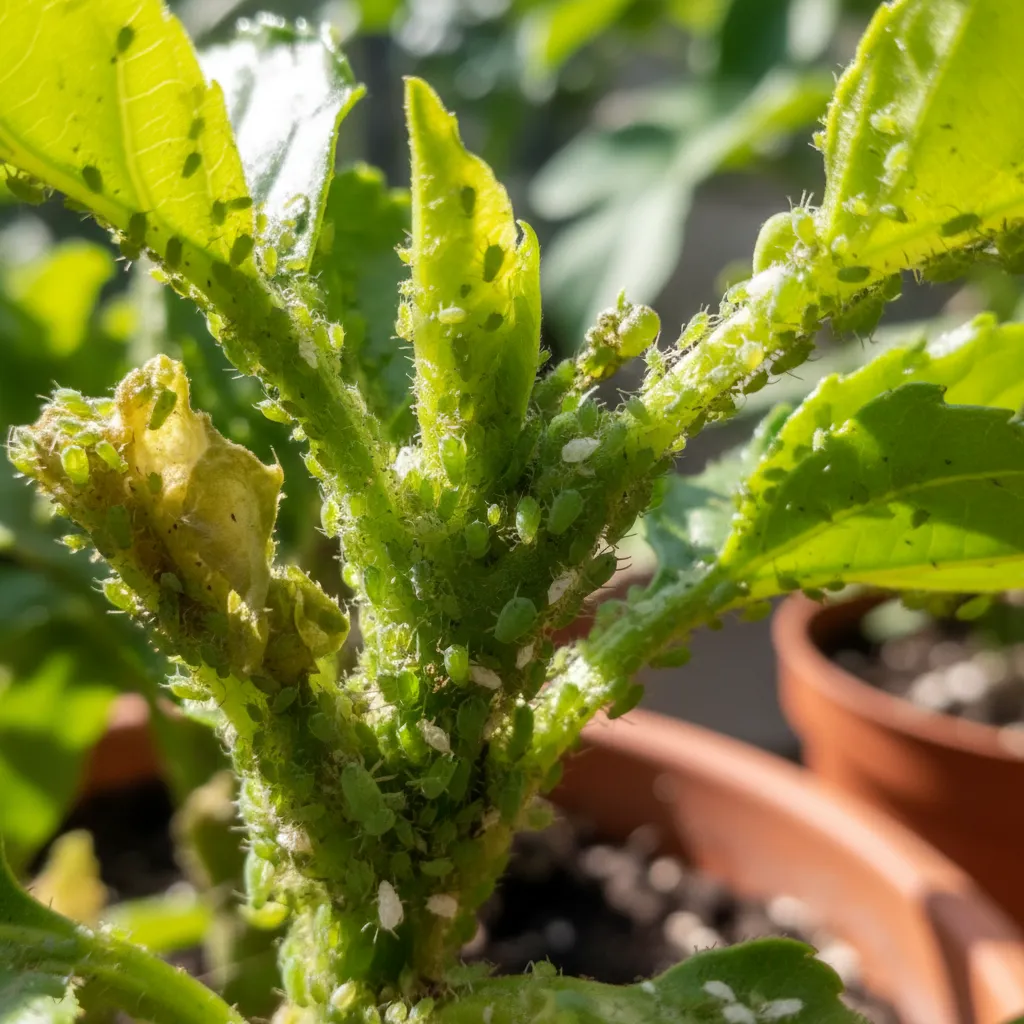
- ✓Pests and Diseases — Susceptible to fungal diseases like downy mildew and various pests, including aphids. Good air circulation and proper plant spacing are crucial.
- ✓Harvesting — The milky latex, containing the highest concentration of alkaloids, is typically harvested by shallowly incising unripe capsules, allowing the exudate to dry and be scraped off.
Reviewed by the Flora Medical Global Botanical Review Panel
Multi-disciplinary editorial group · Botany · Ethnobotany · Herbal-medicine literature
Who reviewed this: This page was checked by the Flora Medical Global Botanical Review Panel — an in-house editorial group of botany graduates, ethnobotany researchers, and horticulture practitioners who collectively maintain our 7,000+ plant encyclopedia. Meet the team.
Our 4-step verification process
1. Taxonomic verification
Scientific names and synonyms cross-checked against Kew POWO, World Flora Online, and The Plant List.
2. Phytochemical & medicinal cross-reference
Active compounds, traditional uses, and reported activities are cross-referenced with PubMed, USDA Dr. Duke's database, and peer-reviewed ethnobotanical literature.
3. Conservation & distribution check
Distribution, ecology, and conservation status confirmed against GBIF occurrence records and the IUCN Red List.
4. Editorial & safety review
Every entry passes an editorial pass for clarity, originality, and safety notices (toxicity, contraindications, dosage caveats) before publication.
Last reviewed:
Important medical disclaimer: This content is for educational and research purposes only. It is not medical advice and is not a substitute for consultation with a licensed healthcare provider. Do not use any herb to self-treat a medical condition without professional guidance.
Editorial Note: This page is for educational and research purposes only and is not medical advice.
Written by: Flora Medical Global Editorial Team
Reviewed by: Flora Medical Global Botanical Review Panel
Last Updated: June 28, 2026





Opium Poppy — Comments & Community Reviews
Rate this plant
No reviews yet. Be the first!