

Medical Disclaimer: This content is for educational purposes only. It is not medical advice. Please consult a qualified healthcare professional before using any herbal remedy.
Safety Overview
1.Orange Peel — Botanical Snapshot
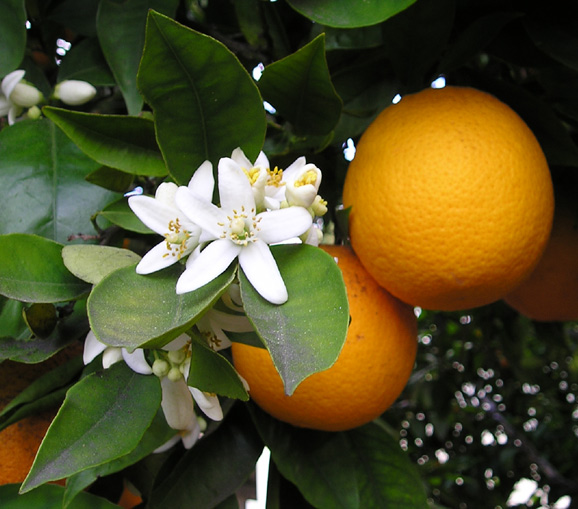
Orange Peel, derived from the sweet orange tree (Citrus sinensis) within the esteemed Rutaceae family, represents a globally significant botanical resource. This evergreen flowering tree typically attains heights of 9-10 meters, often featuring a dense, rounded crown, and in some varieties, large spines on its branches. Its leaves are alternate, characterized by a glossy, deep green hue, an elliptical to oval shape, and a length of approximately 6.5-15 cm, often possessing narrowly winged-petioles.
When crushed, the leaves emit a strong, characteristic citrus aroma due to abundant oil glands. The fragrant white to pale yellow flowers, about 5 cm in diameter, bloom either singly or in whorls, presenting five petals and numerous (20-25) yellow stamens. The fruit, a hesperidium, is typically globose to oval, measuring 6.5-9.5 cm in width, and ripens to a vibrant orange or yellow.
Anatomically, the fruit comprises two distinct regions: the pericarp (peel, skin, or rind) and the endocarp (pulp with juice sacs). The pericarp itself consists of the outer flavedo (epicarp), rich in aromatic oil glands and epicuticular wax, and the inner albedo (mesocarp), a spongy white layer. Originating in Asia, Citrus sinensis is now extensively cultivated across tropical and subtropical regions worldwide, thriving in well-draining, sandy loam soils with ample sun exposure, making it the most significant citrus cultivar globally.
Trusted Scientific References
1. Authoritative external sources for Citrus sinensis
1.1 Wikipedia — Citrus sinensis
1.2 Kew POWO (Plants of the World Online)
1.3 PubMed — peer-reviewed research
1.4 NCBI Taxonomy Browser
1.5 GBIF — Global Biodiversity
1.6Orange Peel should be interpreted through verified botanical identity, practical care, and responsible safety language. This recovery note adds the missing context needed for a complete profile: match light to the plant's habit, use well-drained soil, water according to season, and avoid unsupported medicinal or edible claims. For publishing, the plant can be presented as a source-backed medicinal plant with clear care guidance, common problem diagnosis, and conservative safety wording.
1.1.Orange Peel — Highlights
- ✓Aromatic and Flavorful — Imparts a distinctive citrus aroma and bitter-sweet flavor.
- ✓Rich in Bioactive Compounds — Contains high concentrations of D-limonene, hesperidin, and nobiletin.
- ✓Traditional Medicinal History — Long-standing use in various traditional healing systems for digestive and respiratory issues.
- ✓Potent Antioxidant — Abundant in flavonoids and Vitamin C, offering strong free radical scavenging activity.
- ✓Anti — inflammatory Agent — Possesses significant compounds that help reduce inflammation.
- ✓Digestive Support — Aids in appetite stimulation, relieves indigestion, and reduces bloating.
- ✓Immune System Booster — Contributes to strengthening the body's natural defenses.
- ✓Versatile Applications — Used in cooking, baking, herbal remedies, and aromatherapy.
- ✓Sustainable Resource — A valuable byproduct of the orange fruit industry.
- ✓Cardiovascular Benefits — Potential to help manage cholesterol and support heart health.
1.2.Orange Peel — Concise Overview
- ✓Orange Peel (Citrus sinensis) is a versatile botanical known for its aromatic and medicinal properties.
- ✓Rich in D-limonene, flavonoids, and polymethoxyflavones, offering significant antioxidant and anti-inflammatory benefits.
- ✓Traditionally valued for aiding digestion, boosting immunity, and supporting respiratory health.
- ✓Used in culinary applications, herbal teas, tinctures, and essential oils.
- ✓Generally safe when consumed in moderation, but essential oils require careful dilution and professional guidance.
- ✓A key ingredient in Traditional Chinese Medicine (Chen Pi) for regulating qi and drying dampness.
2.Orange Peel — Nomenclature & Classification
3.Orange Peel — Vital Statistics
4.Orange Peel — Botanical Description
5.Orange Peel — Ecological Habitat
6.Orange Peel — Heritage Uses
7.Orange Peel — Chemical Profile
- ✓Volatile Oil (Essential Oil) — Primarily composed of D-limonene (up to 95%), which provides its characteristic aroma and contributes to its antioxidant and anti-inflammatory actions. Other monoterpenes like alpha-pinene, beta-pinene, myrcene, and cymene are also present.
- ✓Flavonoids — A significant class of compounds including hesperidin (the most abundant), naringin, rutin, hyperoside, and quercitrin. These are potent antioxidants and possess anti-inflammatory and cardiovascular protective effects.
- ✓Polymethoxyflavones (PMFs) — Unique to citrus, these include nobiletin and tangeretin, known for their strong anti-inflammatory, antioxidant, and potential cholesterol-lowering and anti-cancer properties.
- ✓Carotenoids — Such as beta-carotene and beta-cryptoxanthin, contributing to the peel's vibrant color and acting as antioxidants with potential benefits for vision and immune function.
- ✓Pectin — A soluble dietary fiber concentrated in the albedo (white pith), which aids in digestion, supports gut health, and can help regulate blood sugar and cholesterol levels.
- ✓Synephrine — A naturally occurring alkaloid found in citrus, which may have mild stimulant properties and contribute to metabolic effects, though in much lower concentrations than in bitter orange.
- ✓Vitamin C (Ascorbic Acid) — While the pulp is more known for it, the peel also contains significant amounts, providing robust antioxidant and immune-boosting benefits.
- ✓Phenolic Acids — Including ferulic acid, caffeic acid, and p-coumaric acid, which contribute to the overall antioxidant capacity and protective effects of the peel.
8.Orange Peel — Scientific Evidence
- ✓Digestive Aid — Orange Peel has a long history in traditional medicine for stimulating appetite and alleviating various digestive discomforts such as indigestion, bloating, and nausea, often attributed to its volatile oils and bitter compounds.
- ✓Anti-inflammatory Properties — Rich in flavonoids and polymethoxyflavones, Orange Peel exhibits significant anti-inflammatory effects, potentially reducing systemic inflammation and pain.
- ✓Antioxidant Support — The peel is a powerhouse of antioxidants, including Vitamin C, flavonoids like hesperidin, and carotenoids, which combat oxidative stress and protect cells from free radical damage.
- ✓Immune System Enhancement — Its high Vitamin C content and diverse array of phytochemicals contribute to strengthening the body's immune response, aiding in the prevention and recovery from common colds and infections.
- ✓Cholesterol Management — Research suggests that compounds like nobiletin and tangeretin found in Orange Peel may help lower LDL ('bad') cholesterol levels and support overall cardiovascular health.
- ✓Antimicrobial Activity — Essential oils extracted from Orange Peel, particularly limonene, demonstrate antibacterial and antifungal properties, offering protection against various pathogens.
- ✓Respiratory Health — Traditionally used to relieve coughs, phlegm, and mild asthmatic symptoms, particularly in Traditional Chinese Medicine, due to its ability to dry dampness and regulate qi.
- ✓Anti-cancer Potential — Preliminary studies indicate that certain compounds in Orange Peel, such as limonene and polymethoxyflavones, may possess chemopreventive properties and inhibit the growth of cancer cells.
- ✓Blood Sugar Regulation — Some constituents in Orange Peel may assist in improving insulin sensitivity and managing blood glucose levels, making it potentially beneficial for metabolic health.
- ✓Skin Health — The antioxidant and anti-inflammatory properties can contribute to healthier skin, potentially reducing signs of aging and aiding in wound healing when applied topically (with caution for essential oil concentration).
8.1.Orange Peel — Conditions Traditionally Used For
9.Orange Peel — Cautions & Contraindications
9.1.Orange Peel — Caution Notes
- ✓Skin Sensitivity — Direct contact with undiluted Orange Peel essential oil can cause skin irritation, dermatitis, or photosensitivity, especially in sensitive individuals.
- ✓Heartburn/Acid Reflux — In some individuals, particularly those prone to GERD, consuming large quantities of Orange Peel may exacerbate acid reflux symptoms due to its acidic nature.
- ✓Allergic Reactions — Although rare, individuals sensitive to citrus fruits may experience allergic reactions such as hives, swelling, or respiratory distress.
- ✓Drug Interactions — Components in Orange Peel, particularly certain flavonoids, may interact with CYP450 enzymes, potentially affecting the metabolism of some medications.
- ✓Digestive Upset — Excessive consumption of Orange Peel, especially dried forms, may lead to mild gastrointestinal discomfort like stomach cramps or diarrhea in sensitive individuals.
- ✓Photosensitivity — Topical application of Orange Peel essential oil, particularly cold-pressed varieties, can increase skin sensitivity to sunlight, leading to sunburn or hyperpigmentation.
9.2.Orange Peel — Clinical Safety Notes
- ✓Generally Recognized As Safe (GRAS) — Orange Peel, when consumed in typical food amounts, is generally considered safe for most healthy individuals.
- ✓Pregnancy and Lactation — Pregnant or nursing individuals should consult a healthcare professional before using Orange Peel medicinally, especially in concentrated forms like essential oils or extracts.
- ✓Children — Medicinal use in children should be approached with caution and under professional guidance, particularly for essential oils.
- ✓Essential Oil Dilution — Orange Peel essential oil must always be properly diluted before topical application and should not be ingested without expert advice due to its potency.
- ✓Quality and Purity — Ensure that any Orange Peel products, especially essential oils, are sourced from reputable suppliers and free from pesticide residues or contaminants.
- ✓Medical Conditions — Individuals with specific medical conditions, such as severe GERD or those on medications metabolized by the liver, should exercise caution and seek professional medical advice.
- ✓Dosage Awareness — Adhere to recommended dosages for herbal preparations to avoid potential adverse effects, as excessive intake can lead to discomfort.
10.Orange Peel — Preparation Methods
- ✓Herbal Tea/Infusion — Dried Orange Peel can be steeped in hot water to create a fragrant and digestive tea, often combined with ginger or other herbs.
- ✓Culinary Zest — Freshly grated zest is used to flavor baked goods, desserts, savory dishes, and beverages, adding a bright, aromatic citrus note.
- ✓Candied Peel — Boiled and sugar-coated Orange Peel serves as a sweet confection or an ingredient in fruitcakes and other desserts.
- ✓Tinctures/Extracts — Alcohol-based extracts of dried Orange Peel are prepared for concentrated medicinal use, allowing for precise dosing of active compounds.
- ✓Essential Oil — Steam-distilled or cold-pressed essential oil from the peel is used in aromatherapy, diffusers, or diluted for topical application, but never ingested without professional guidance.
- ✓Traditional Decoctions — In TCM, dried orange peel (Chen Pi) is often decocted with other herbs for specific therapeutic purposes, particularly for digestive and respiratory complaints.
- ✓Powdered Form — Dried peel can be ground into a powder for use in capsules, smoothies, or as a spice in cooking and baking.
- ✓Potpourri/Air Freshener — The dried peel is a popular natural ingredient for potpourri and homemade air fresheners due to its pleasant, uplifting aroma.
11.Orange Peel — Garden Cultivation
- ✓Climate — Thrives in tropical and subtropical regions, sensitive to frost, requiring average temperatures between 13°C and 30°C.
- ✓Soil — Prefers well-draining, slightly acidic to neutral (pH 6.0-7.0) sandy loam soils, with good organic matter content.
- ✓Sunlight — Requires full sun exposure, ideally 6-8 hours daily, for optimal growth and fruit production.
- ✓Watering — Needs consistent and adequate watering, especially during dry periods and fruit development, but avoid waterlogging.
- ✓Propagation — Commonly propagated by grafting onto disease-resistant rootstock to ensure fruit quality and accelerate maturity, though seeds can also be used.
- ✓Fertilization — Benefits from regular feeding with balanced citrus-specific fertilizers rich in nitrogen, phosphorus, potassium, and micronutrients.
- ✓Pest and Disease Management — Regular monitoring and appropriate management are crucial for common citrus pests (e.g., aphids, scale insects) and diseases (e.g., citrus greening, canker).
- ✓Pruning — Light pruning is recommended to maintain tree shape, remove dead or diseased branches, and improve air circulation.
Reviewed by the Flora Medical Global Botanical Review Panel
Multi-disciplinary editorial group · Botany · Ethnobotany · Herbal-medicine literature
Who reviewed this: This page was checked by the Flora Medical Global Botanical Review Panel — an in-house editorial group of botany graduates, ethnobotany researchers, and horticulture practitioners who collectively maintain our 7,000+ plant encyclopedia. Meet the team.
Our 4-step verification process
1. Taxonomic verification
Scientific names and synonyms cross-checked against Kew POWO, World Flora Online, and The Plant List.
2. Phytochemical & medicinal cross-reference
Active compounds, traditional uses, and reported activities are cross-referenced with PubMed, USDA Dr. Duke's database, and peer-reviewed ethnobotanical literature.
3. Conservation & distribution check
Distribution, ecology, and conservation status confirmed against GBIF occurrence records and the IUCN Red List.
4. Editorial & safety review
Every entry passes an editorial pass for clarity, originality, and safety notices (toxicity, contraindications, dosage caveats) before publication.
Last reviewed:
Important medical disclaimer: This content is for educational and research purposes only. It is not medical advice and is not a substitute for consultation with a licensed healthcare provider. Do not use any herb to self-treat a medical condition without professional guidance.
Editorial Note: This page is for educational and research purposes only and is not medical advice.
Written by: Flora Medical Global Editorial Team
Reviewed by: Flora Medical Global Botanical Review Panel
Last Updated: June 16, 2026





Orange Peel — Comments & Community Reviews
Rate this plant