
Medical Disclaimer: This content is for educational purposes only. It is not medical advice. Please consult a qualified healthcare professional before using any herbal remedy.
Safety Overview
1.Pandan — Botanical Snapshot

Pandanus amaryllifolius, commonly known as pandan, is a captivating perennial herb. It belongs to the Pandanaceae family. This group is distantly related to screw pines and is recognized for its unique spiral leaf arrangements. This tropical plant typically reaches a height of 1.5 to 2 meters. Some specimens, however, can reach up to 4.5 meters. It has an unbranched, cane-like trunk that often develops prominent aerial prop roots. These roots provide stability in its often moist environments.
Its most distinctive feature is its long, strap-like leaves. These leaves can extend from 1 to 2 meters in length. They are typically a vibrant dark green with a glossy surface and finely serrated margins. The leaves grow in a characteristic spiral cluster, which gives rise to its 'screwpine' moniker. The plant's inflorescence is subtle. It consists of small, tubular white flowers grouped into dense, inconspicuous spikes. Pandan thrives in humid tropical and subtropical climates.
It particularly prefers moist, well-drained loamy soils and partial sunlight. It is often found along water bodies, estuaries, and wetlands. Its natural distribution spans across Southeast Asia. It has a significant presence and is cultivated in countries such as Indonesia, Malaysia, the Philippines, Thailand, Vietnam, and Sri Lanka. In these places, it has been an integral part of both the ecosystem and human culture for centuries.
Trusted Scientific References
Authoritative external sources for Pandanus amaryllifolius:
Pandan should be interpreted through verified botanical identity, practical care, and responsible safety language. This recovery note adds the missing context needed for a complete profile: match light to the plant's habit, use well-drained soil, water according to season, and avoid unsupported medicinal or edible claims. For publishing, the plant can be presented as a source-backed medicinal plant with clear care guidance, common problem diagnosis, and conservative safety wording.
1.1.Pandan — Notable Characteristics
- ✓Distinctive Fragrance — Emits a unique, sweet, and nutty aroma, primarily from 2-acetyl-1-pyrroline.
- ✓Long, Strap — like Leaves — Characterized by elongated, glossy green leaves that grow in a spiral arrangement.
- ✓Southeast Asian Origin — Native to and widely cultivated across tropical regions of Southeast Asia.
- ✓Culinary Versatility — A staple ingredient used to flavor and color a wide array of sweet and savory dishes.
- ✓Traditional Medicine Staple — Utilized for centuries in folk medicine for its diverse therapeutic properties.
- ✓Rich Phytochemical Profile — Abundant in flavonoids, phenolic acids, alkaloids, and terpenoids.
- ✓Antioxidant Properties — Offers significant protection against oxidative stress and free radical damage.
- ✓Anti — inflammatory Effects — Helps to reduce systemic inflammation and related discomforts.
- ✓Supports Blood Sugar Regulation — Shows potential in managing glucose metabolism and improving insulin sensitivity.
- ✓Easy to Cultivate in Tropics — Relatively simple to grow in suitable warm, humid environments.
1.2.Pandan — At-a-Glance Summary
- ✓Aromatic Tropical Plant — Pandan is a highly fragrant perennial herb from Southeast Asia, known for its long, green leaves.
- ✓Rich in Bioactive Compounds — Contains a diverse range of phytochemicals, including 2-acetyl-1-pyrroline, flavonoids, and phenolic acids.
- ✓Traditional Culinary & Medicinal Uses — Widely used as a natural flavoring in cuisine and for various health benefits in traditional medicine systems.
- ✓Anti-inflammatory & Antioxidant Benefits — Possesses strong antioxidant and anti-inflammatory properties that support overall health.
- ✓Supports Digestive & Metabolic Health — Traditionally used to aid digestion and shows promise in regulating blood sugar levels.
- ✓Generally Safe with Precautions — Considered safe for culinary use, but medicinal applications require caution, especially in specific populations.
2.Pandan — Scientific Identity
3.Pandan — Categories & Tags
4.Pandan — Physical Description
5.Pandan — Traditional Uses
6.Pandan — Key Phytochemicals
- ✓Volatile Aromatic Compounds — Primarily 2-acetyl-1-pyrroline, responsible for the characteristic fragrant aroma, along with various esters and aldehydes that contribute to its unique scent profile.
- ✓Flavonoids — Including vitexin, isovitexin, and other glycosides, these potent antioxidants contribute to the plant's anti-inflammatory and cellular protective activities.
- ✓Alkaloids — Various nitrogen-containing compounds are present, some of which may contribute to its medicinal properties, though specific active alkaloids are still under investigation.
- ✓Terpenoids — Such as triterpenes and sterols, offering anti-inflammatory, antimicrobial, and potential anticancer activities.
- ✓Phenolic Acids — Gallic acid, caffeic acid, and ferulic acid are examples of phenolic acids found, contributing significantly to the plant's antioxidant capacity.
- ✓Glycosides — A diverse group of compounds, including cardiac glycosides and others, which can have various physiological effects, though specific roles in pandan are still being elucidated.
- ✓Carotenoids — Including beta-carotene, which is a precursor to Vitamin A and acts as an antioxidant, contributing to eye health and immune function.
- ✓Tannins — Astringent compounds that can help reduce inflammation, act as antioxidants, and provide antimicrobial benefits.
- ✓Vitamins — Contains essential vitamins such as Vitamin A (from carotenoids) and Vitamin C, which are crucial for immune function, skin health, and antioxidant defense.
- ✓Minerals — Provides vital minerals like calcium, iron, and phosphorus, supporting bone health, oxygen transport, and overall metabolic processes.
7.Pandan — Pharmacological Findings
- ✓Antioxidant Support — Pandan leaves are rich in phenolic compounds and flavonoids, which effectively neutralize harmful free radicals, protecting cells from oxidative damage and reducing the risk of chronic diseases.
- ✓Anti-inflammatory Action — Bioactive compounds in Pandanus amaryllifolius have demonstrated the ability to modulate inflammatory pathways, offering relief from conditions characterized by swelling and pain.
- ✓Digestive Aid — Traditionally, pandan has been used to soothe digestive discomfort, promote healthy bowel function, and act as a mild laxative, aiding in the alleviation of constipation and indigestion.
- ✓Blood Sugar Management — Research indicates that pandan may help regulate blood glucose levels by improving insulin sensitivity and reducing glucose absorption, making it beneficial for individuals managing diabetes.
- ✓Pain Relief — The plant's anti-inflammatory and analgesic properties contribute to its traditional use in alleviating headaches, muscle aches, and joint pain.
- ✓Immune System Boost — Its rich content of vitamins and antioxidants supports a robust immune response, helping the body defend against infections and illnesses.
- ✓Skin Health Promotion — Topical applications of pandan extracts are believed to nourish the skin, reduce signs of aging, and help treat minor skin irritations due to its antioxidant and anti-inflammatory effects.
- ✓Hair Nourishment — Pandan is traditionally used in hair care to strengthen strands, reduce hair loss, and promote a healthy scalp, attributed to its vitamin and mineral content.
- ✓Appetite Stimulation — In some traditional practices, pandan is used to gently stimulate appetite, particularly in individuals recovering from illness or experiencing poor dietary intake.
- ✓Diuretic Properties — Pandan may act as a mild diuretic, assisting the body in expelling excess water and toxins, thereby supporting kidney health.
- ✓Febrifuge Effects — Traditional medicine employs pandan to help reduce fever, likely due to its cooling properties and ability to support the body's natural healing processes.
- ✓Calming & Stress Reduction — The distinctive aroma of pandan is known to have calming effects, promoting relaxation and potentially aiding in alleviating mild stress and anxiety.
7.1.Pandan — Therapeutic Indications
8.Pandan — Safety & Side Effects
8.1.Pandan — Side Effects & Warnings
- ✓Allergic Reactions — Rare, but individuals sensitive to plants in the Pandanaceae family may experience skin rashes, itching, or respiratory symptoms.
- ✓Gastrointestinal Upset — Excessive consumption, particularly of concentrated forms, might lead to mild stomach discomfort, nausea, or diarrhea in sensitive individuals.
- ✓Drug Interactions — Potential to interact with medications that affect blood sugar levels (e.g., antidiabetic drugs) or blood clotting (e.g., anticoagulants) due to its observed biological activities.
- ✓Hypotension — While not conclusively proven in humans with typical consumption, very high doses could theoretically lower blood pressure, especially in individuals on hypotensive medication.
- ✓Contamination Risk — As with any natural product, non-organically grown pandan may contain pesticide residues or heavy metals, necessitating sourcing from reputable suppliers.
- ✓Skin Irritation — Direct topical application of highly concentrated extracts might cause mild irritation in individuals with very sensitive skin.
8.2.Pandan — Toxicity Assessment
- ✓Pregnancy and Lactation — Due to insufficient research on its effects, pregnant and breastfeeding women should exercise caution and consult a healthcare professional before using pandan medicinally.
- ✓Children — Medicinal use in young children should be approached with caution and under medical guidance, as dosage and safety data are limited.
- ✓Diabetes Mellitus — Individuals with diabetes should monitor blood glucose levels closely if using pandan for medicinal purposes, especially if on antidiabetic medication, due to its potential hypoglycemic effects.
- ✓Bleeding Disorders/Anticoagulant Medication — Those with bleeding disorders or taking blood-thinning medications should use pandan cautiously, as it may theoretically have mild anticoagulant properties.
- ✓Surgery — It is advisable to discontinue pandan use at least two weeks before any scheduled surgery to avoid potential interactions with anesthesia or effects on blood clotting.
- ✓Allergic Sensitivities — Individuals with known allergies to other plants in the Pandanaceae family or general plant allergies should use pandan with caution.
- ✓Consult Healthcare Professional — Always consult a qualified healthcare provider before starting any new herbal supplement, especially if you have underlying health conditions or are taking other medications.
9.Pandan — Preparation Methods
- ✓Culinary Flavoring — Fresh or frozen pandan leaves are commonly used to impart a unique, sweet, and nutty aroma to rice dishes, desserts, cakes, and beverages in Southeast Asian cuisine.
- ✓Herbal Tea/Infusion — Dried or fresh pandan leaves can be steeped in hot water to create a fragrant, soothing herbal tea, often consumed for its general wellness benefits and calming properties.
- ✓Extract/Tincture — Leaves can be processed into extracts or tinctures using water or alcohol, concentrating their bioactive compounds for medicinal applications or as a natural food coloring.
- ✓Topical Application — Crushed fresh leaves or a paste can be applied directly to the skin as a poultice to alleviate minor skin irritations, provide pain relief, or promote hair health.
- ✓Powdered Form — Dried pandan leaves can be ground into a fine powder, which can then be incorporated into smoothies, baked goods, or encapsulated as a dietary supplement.
- ✓Decoction — For stronger medicinal effects, leaves can be simmered in water for an extended period to create a concentrated decoction, used internally or externally.
- ✓Aromatherapy — Dried pandan leaves can be placed in sachets or diffused to release their pleasant aroma, acting as a natural air freshener and promoting relaxation.
10.Pandan — How to Grow
- ✓Climate Preference — Thrives in warm, humid tropical to subtropical environments with temperatures ideally between 20-30°C and high humidity.
- ✓Soil Requirements — Prefers rich, well-drained, loamy soil with a slightly acidic to neutral pH (6.0-7.0); consistent moisture is crucial.
- ✓Light Exposure — Grows best in partial shade to full sun, though full sun exposure in very hot climates might require more frequent watering to prevent leaf scorching.
- ✓Watering Needs — Requires regular and ample watering, especially during dry periods, to keep the soil consistently moist but not waterlogged.
- ✓Propagation Methods — Primarily propagated through stem cuttings or by dividing the basal shoots (suckers) that emerge from the parent plant.
- ✓Fertilization — Benefits from regular application of a balanced organic fertilizer every 2-3 months to support vigorous leaf growth.
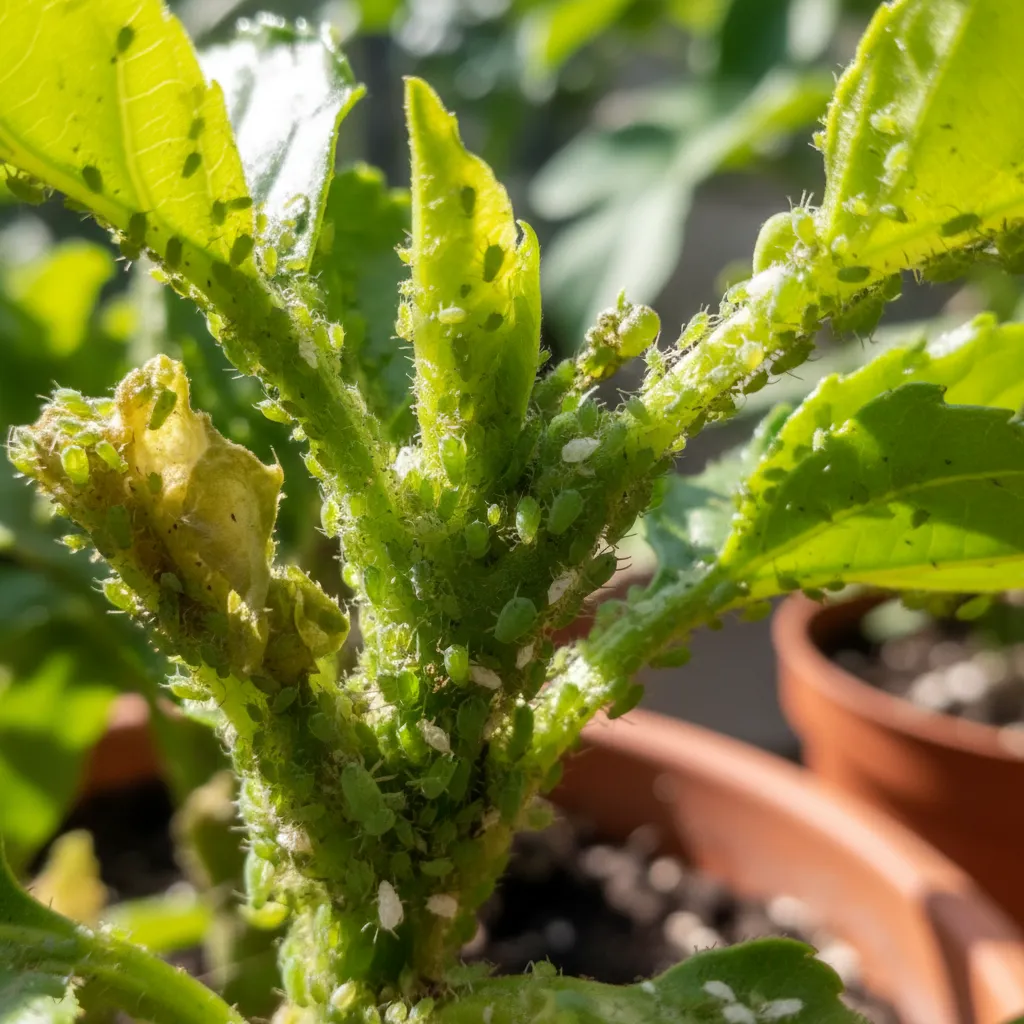
- ✓Pest and Disease Management — Generally robust, but can be susceptible to mealybugs, scale insects, and fungal issues in overly damp or poorly ventilated conditions; requires good air circulation.
Reviewed by the Flora Medical Global Botanical Review Panel
Multi-disciplinary editorial group · Botany · Ethnobotany · Herbal-medicine literature
Who reviewed this: This page was checked by the Flora Medical Global Botanical Review Panel — an in-house editorial group of botany graduates, ethnobotany researchers, and horticulture practitioners who collectively maintain our 7,000+ plant encyclopedia. Meet the team.
Our 4-step verification process
1. Taxonomic verification
Scientific names and synonyms cross-checked against Kew POWO, World Flora Online, and The Plant List.
2. Phytochemical & medicinal cross-reference
Active compounds, traditional uses, and reported activities are cross-referenced with PubMed, USDA Dr. Duke's database, and peer-reviewed ethnobotanical literature.
3. Conservation & distribution check
Distribution, ecology, and conservation status confirmed against GBIF occurrence records and the IUCN Red List.
4. Editorial & safety review
Every entry passes an editorial pass for clarity, originality, and safety notices (toxicity, contraindications, dosage caveats) before publication.
Last reviewed:
Important medical disclaimer: This content is for educational and research purposes only. It is not medical advice and is not a substitute for consultation with a licensed healthcare provider. Do not use any herb to self-treat a medical condition without professional guidance.
Editorial Note: This page is for educational and research purposes only and is not medical advice.
Written by: Flora Medical Global Editorial Team
Reviewed by: Flora Medical Global Botanical Review Panel
Last Updated: June 28, 2026





Pandan — Comments & Community Reviews
Rate this plant
No reviews yet. Be the first!