


Medical Disclaimer: This content is for educational purposes only. It is not medical advice. Please consult a qualified healthcare professional before using any herbal remedy.
Safety Overview
1.Pashanbhed (Kidney Stone Breaker) — At a Glance
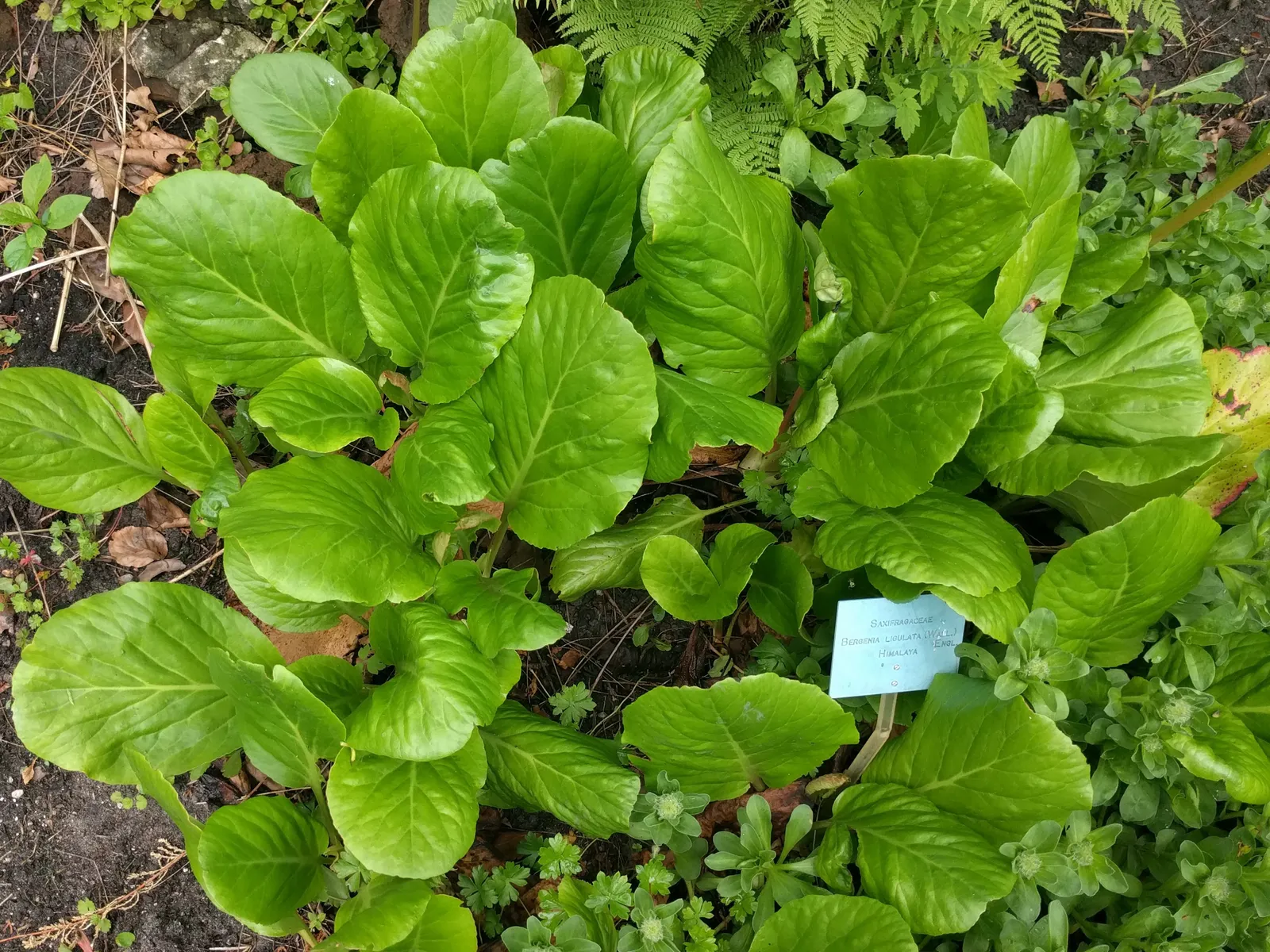
Pashanbhed (Bergenia ligulata), a perennial herbaceous plant belonging to the Saxifragaceae family, is widely recognized for its significant role in traditional medicine. It is indigenous to the formidable Himalayan region, flourishing in moist, rocky crevices and along mountain slopes across areas including Bhutan, Afghanistan, Meghalaya, Arunachal Pradesh, Sikkim, and southern Tibet. This hardy plant typically forms a dense groundcover, characterized by its thick, fleshy rhizomes that are the primary source of its medicinal efficacy.
The leaves are generally large, leathery, and often turn reddish in cooler temperatures, adding to its ornamental appeal. During late winter to early spring, Bergenia ligulata produces striking inflorescences of beautiful pink, purple, or white bell-shaped flowers, held aloft on sturdy stalks above the foliage. Known by various regional names such as 'Dornaparni' and 'Patharchatta', its common English name, 'Kidney Stone Breaker', directly reflects its most celebrated traditional use.
The plant's robust nature allows it to thrive in challenging environments, making it a resilient and valuable botanical specimen in its native habitat and for cultivation.
Trusted Scientific References
1. Authoritative external sources for Bergenia ligulata
1.1 Wikipedia — Bergenia ligulata
1.2 Kew POWO (Plants of the World Online)
1.3 PubMed — peer-reviewed research
1.4 NCBI Taxonomy Browser
1.5 GBIF — Global Biodiversity
1.6Pashanbhed (Kidney Stone Breaker) should be interpreted through verified botanical identity, practical care, and responsible safety language. This recovery note adds the missing context needed for a complete profile: match light to the plant's habit, use well-drained soil, water according to season, and avoid unsupported medicinal or edible claims. For publishing, the plant can be presented as a source-backed medicinal plant with clear care guidance, common problem diagnosis, and conservative safety wording.
1.1.Pashanbhed (Kidney Stone Breaker) — Distinguishing Points
- ✓Potent Lithotriptic Action — Highly effective in preventing and dissolving kidney and bladder stones.
- ✓Natural Diuretic Properties — Promotes increased urine flow to aid in flushing out toxins and small stones.
- ✓Significant Anti — inflammatory Effects — Helps reduce inflammation in the urinary system and other body parts.
- ✓Rich in Antioxidants — Protects cells from oxidative damage and supports overall health.
- ✓Traditional Ayurvedic Remedy — A cornerstone herb in Ayurveda for urinary and renal health.
- ✓Native to the Himalayan Region — Thrives in challenging mountain environments.
- ✓Fleshy Rhizome is Medicinal — The underground stem is the primary part used for therapeutic purposes.
- ✓Contains Key Compound Bergenin — Bergenin is a major bioactive component responsible for many of its pharmacological actions.
- ✓Supports Urinary Tract Health — Comprehensive benefits for the entire urinary system.
- ✓Potential Blood Sugar Regulation — May assist in managing blood glucose levels.
1.2.Pashanbhed (Kidney Stone Breaker) — Quick Summary
- ✓Pashanbhed (Bergenia ligulata) is a perennial herb native to the Himalayan region, belonging to the Saxifragaceae family.
- ✓It is primarily known as a 'Kidney Stone Breaker' due to its potent lithotriptic and diuretic properties, widely used in Ayurvedic medicine.
- ✓The plant's fleshy rhizome is the main medicinal part, rich in active compounds like bergenin, flavonoids, and tannins.
- ✓Beyond kidney stones, it offers anti-inflammatory, antioxidant, anti-diabetic, and hepatoprotective benefits.
- ✓Traditional uses also include treating urinary tract infections, fever, and digestive disorders.
- ✓Caution is advised for pregnant/lactating women, diabetics, and those on specific medications due to potential side effects.
2.Pashanbhed (Kidney Stone Breaker) — Botanical Identity
3.Pashanbhed (Kidney Stone Breaker) — Key Data
4.Pashanbhed (Kidney Stone Breaker) — Botanical Features
5.Pashanbhed (Kidney Stone Breaker) — Native Range & Habitat
6.Pashanbhed (Kidney Stone Breaker) — Folk Medicine Applications
7.Pashanbhed (Kidney Stone Breaker) — Chemical Profile
- ✓Bergenin — This C-glycoside of gallic acid is considered the primary active compound, largely responsible for Bergenia ligulata's potent antiurolithic, anti-inflammatory, and hepatoprotective actions.
- ✓Flavonoids — A diverse group of polyphenolic compounds, including catechin and afzelechin, contributing to the plant's significant antioxidant and anti-inflammatory activities.
- ✓Tannins — Such as gallic acid and tannic acid, these compounds possess astringent, antioxidant, and antimicrobial properties, aiding in wound healing and combating infections.
- ✓Arbutin — A hydroquinone glycoside with diuretic and urinary antiseptic properties, which supports the plant's efficacy in urinary tract health.
- ✓Phytosterols — Plant sterols that may contribute to anti-inflammatory effects and have potential benefits for cardiovascular health.
- ✓Paashaanolactone — A specific lactone found in Pashanbhed, likely playing a role in its unique pharmacological profile, though its exact mechanism is under ongoing research.
- ✓Glycosides — Various other glycosides are present, which are known for diverse biological activities, often contributing to the plant's overall therapeutic effects.
- ✓Saponins — These compounds may exhibit anti-inflammatory, immune-modulating, and expectorant properties.
- ✓Alkaloids — A class of nitrogen-containing organic compounds, often with significant pharmacological effects, though present in lower concentrations in Bergenia ligulata.
- ✓Terpenoids — Compounds known for their anti-inflammatory, antimicrobial, and antioxidant capacities.
- ✓Coumarins — Identified in the seeds, these compounds can have anti-inflammatory and potentially anticoagulant effects.
- ✓Minerals and Vitamins — The plant's tissues contain essential minerals, vitamins, and other basic nutrients like mucilage, albumin, and starch, supporting its general health benefits.
8.Pashanbhed (Kidney Stone Breaker) — Evidence-Based Benefits
- ✓Antiurolithic/Lithotriptic — Pashanbhed is most renowned for its ability to prevent and dissolve kidney and bladder stones by inhibiting the growth of calcium oxalate monohydrate crystals.
- ✓Diuretic Activity — It effectively promotes increased urine flow, which aids in flushing out small stones and preventing the accumulation of stone-forming substances in the urinary tract.
- ✓Anti-inflammatory Properties — The plant's compounds help reduce inflammation in the urinary tract, bladder, and kidneys, alleviating pain and discomfort associated with infections or stones.
- ✓Antioxidant Effects — Rich in phenolic compounds, Bergenia ligulata scavenges free radicals, protecting cells from oxidative stress and supporting overall cellular health.
- ✓Anti-diabetic Potential — Alcoholic extracts of the rhizome have shown hypoglycemic activity in studies, suggesting a role in lowering elevated blood sugar levels by stimulating insulin release.
- ✓Antibacterial and Antiviral Action — Pashanbhed exhibits properties that can combat certain bacterial and viral pathogens, contributing to its traditional use in treating urinary tract infections.
- ✓Hepatoprotective Benefits — Some research indicates that the plant possesses liver-protective qualities, aiding in detoxification and maintaining liver health.
- ✓Antipyretic Properties — Traditionally, it has been used to reduce fever, suggesting a natural febrifuge action.
- ✓Analgesic Effects — Its anti-inflammatory components also contribute to pain relief, particularly in conditions involving inflammation.
- ✓Wound Healing — Applied topically, preparations from Pashanbhed have been used in traditional systems to promote the healing of wounds.
- ✓Digestive Aid — Historically, it has been employed to manage certain digestive disorders and may act as a mild laxative.
8.1.Pashanbhed (Kidney Stone Breaker) — Indications & Uses
9.Pashanbhed (Kidney Stone Breaker) — Safety Considerations
9.1.Pashanbhed (Kidney Stone Breaker) — Caution Notes
- ✓Digestive Upset — High doses of Pashanbhed may lead to mild gastrointestinal discomfort, including nausea, stomach upset, or diarrhea in sensitive individuals.
- ✓Hypoglycemia Risk — Due to its potential blood sugar-lowering effects, individuals with diabetes should monitor their blood glucose closely to avoid hypoglycemia.
- ✓Hypotensive Effects — There is a theoretical risk of lowering blood pressure, so individuals with hypotension or those on antihypertensive medication should use it cautiously.
- ✓Allergic Reactions — Although rare, some individuals may experience allergic reactions such as skin rashes, itching, or hives.
- ✓Increased Calcium Levels — As reported in some anecdotal cases, there might be a rare idiosyncratic reaction leading to increased calcium levels in the blood, warrant close monitoring.
- ✓Drug Interactions — Potential interactions exist with diuretic medications, antidiabetic drugs, anticoagulants, and blood pressure-lowering agents, necessitating medical consultation.
- ✓Pregnancy and Lactation — Lack of sufficient safety data advises against its use during pregnancy and breastfeeding periods.
9.2.Pashanbhed (Kidney Stone Breaker) — Clinical Safety Notes
- ✓Professional Consultation — Always consult a healthcare provider or qualified medical herbalist before using Pashanbhed, especially if you have pre-existing medical conditions or are on other medications.
- ✓Dosage Adherence — Strictly adhere to recommended dosages. Exceeding the prescribed amount can increase the risk of adverse effects.
- ✓Pregnancy and Breastfeeding — Avoid use during pregnancy and lactation due to insufficient scientific evidence regarding its safety for the fetus or infant.
- ✓Pediatric Use — Not recommended for children without explicit medical supervision from a qualified practitioner.
- ✓Renal Conditions — Individuals with severe kidney disease or those undergoing dialysis should use Pashanbhed with extreme caution and under medical guidance.
- ✓Diabetes Management — Diabetic patients must monitor their blood sugar levels meticulously when using Pashanbhed due to its potential hypoglycemic effects.
- ✓Pre-Surgical Discontinuation — Discontinue use at least two weeks prior to any scheduled surgery, given its potential influence on blood clotting and blood pressure.
- ✓Allergic Sensitivities — Discontinue use immediately if any signs of allergic reaction, such as skin rash or difficulty breathing, occur.
10.Pashanbhed (Kidney Stone Breaker) — Preparations & Uses
- ✓Decoction — The most common traditional method involves boiling dried or fresh rhizomes in water to create a decoction, often consumed to address kidney stones and urinary tract infections.
- ✓Powder Form — Dried rhizome powder can be mixed with water, honey, or buttermilk and ingested, providing a convenient way to consume the herb for its various benefits.
- ✓Standardized Extracts — Modern herbal preparations include standardized extracts, available in capsule or tablet form, ensuring consistent potency and dosage for specific therapeutic purposes.
- ✓Paste for Topical Application — In some traditional practices, a paste made from crushed rhizomes is applied externally to wounds, bruises, or inflammatory swellings.
- ✓Fresh Juice — Less common, but fresh juice extracted from the rhizome is occasionally used in traditional remedies, though proper dosage and preparation are critical.
- ✓Infusion — Dried leaves or smaller rhizome pieces can be steeped in hot water to make an herbal infusion, primarily for diuretic and anti-inflammatory effects.
- ✓Dosage Guidance — Always consult a qualified medical herbalist or healthcare professional for appropriate dosage recommendations based on individual health conditions and product concentration.
- ✓Administration — Oral administration is the primary route for internal conditions, while pastes are used topically.
11.Pashanbhed (Kidney Stone Breaker) — Cultivation & Care
- ✓Propagation — Pashanbhed can be propagated effectively from seeds, though germination can be slow. More commonly, it is propagated by rhizome division, which ensures genetic consistency and faster establishment.
- ✓Soil Requirements — It thrives in well-drained, humus-rich soil. A slightly acidic to neutral pH (6.0-7.0) is ideal for optimal growth.
- ✓Climate and Light — Prefers temperate climates and partial shade, especially in hotter regions. While it can tolerate some sun, excessive direct sunlight may scorch its leaves.
- ✓Watering — Requires consistent moisture, particularly during dry spells. Ensure the soil remains moist but avoid waterlogging, which can lead to rhizome rot.
- ✓Fertilization — Benefits from moderate fertilization with organic matter, such as compost or well-rotted manure, applied in spring.
- ✓Pest and Disease Management — Generally a robust plant, but monitor for common garden pests like slugs and snails, and fungal diseases in overly wet conditions.
- ✓Harvesting — The fleshy rhizomes, which are the primary medicinal part, are typically harvested in the autumn after the plant has matured, usually after 2-3 years of growth.
- ✓Landscape Use — Due to its preference for rocky environments, Bergenia ligulata is an excellent choice for rock gardens, woodland gardens, or as a groundcover in shaded areas.
Reviewed by the Flora Medical Global Botanical Review Panel
Multi-disciplinary editorial group · Botany · Ethnobotany · Herbal-medicine literature
Who reviewed this: This page was checked by the Flora Medical Global Botanical Review Panel — an in-house editorial group of botany graduates, ethnobotany researchers, and horticulture practitioners who collectively maintain our 7,000+ plant encyclopedia. Meet the team.
Our 4-step verification process
1. Taxonomic verification
Scientific names and synonyms cross-checked against Kew POWO, World Flora Online, and The Plant List.
2. Phytochemical & medicinal cross-reference
Active compounds, traditional uses, and reported activities are cross-referenced with PubMed, USDA Dr. Duke's database, and peer-reviewed ethnobotanical literature.
3. Conservation & distribution check
Distribution, ecology, and conservation status confirmed against GBIF occurrence records and the IUCN Red List.
4. Editorial & safety review
Every entry passes an editorial pass for clarity, originality, and safety notices (toxicity, contraindications, dosage caveats) before publication.
Last reviewed:
Important medical disclaimer: This content is for educational and research purposes only. It is not medical advice and is not a substitute for consultation with a licensed healthcare provider. Do not use any herb to self-treat a medical condition without professional guidance.
Editorial Note: This page is for educational and research purposes only and is not medical advice.
Written by: Flora Medical Global Editorial Team
Reviewed by: Flora Medical Global Botanical Review Panel
Last Updated: June 16, 2026





Pashanbhed (Kidney Stone Breaker) — Comments & Community Reviews
Rate this plant