


Medical Disclaimer: This content is for educational purposes only. It is not medical advice. Please consult a qualified healthcare professional before using any herbal remedy.
Safety Overview
1.Patchouli — Plant Snapshot
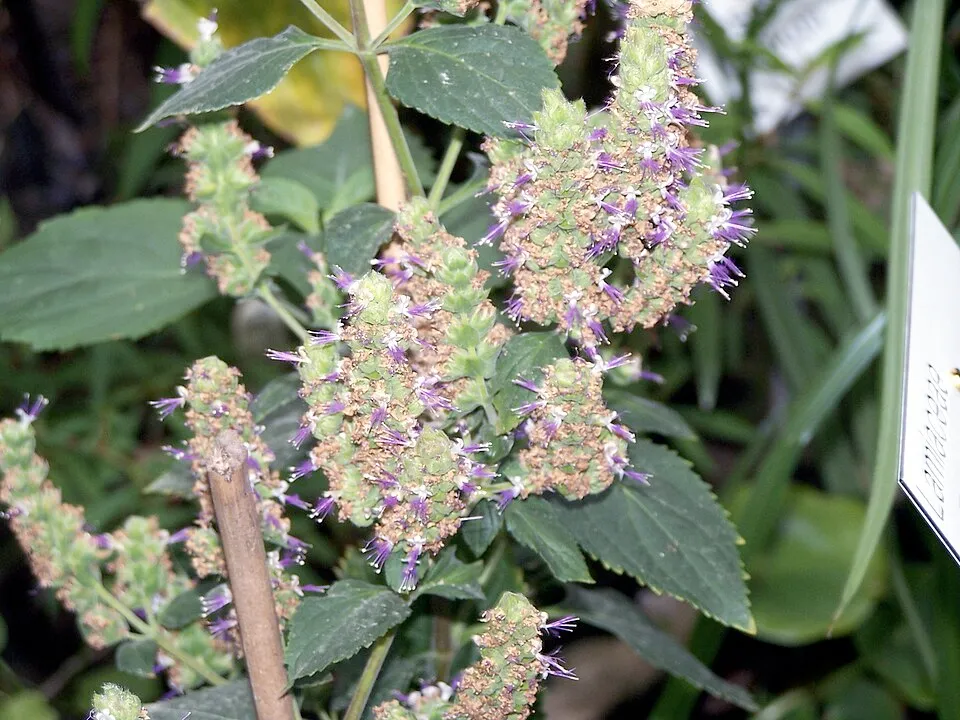
Patchouli, scientifically known as Pogostemon cablin, is a fascinating perennial herbaceous plant belonging to the Lamiaceae family, which also includes other well-known aromatic herbs like mint and basil. It typically grows as a dense, bushy plant, reaching heights of up to 1 meter with erect, square-stemmed stalks that may exhibit a slightly hairy texture. Its most distinctive feature is its foliage: ovate leaves, measuring 4 to 10 cm long, boast a deep green hue and serrated margins.
When crushed, these leaves release the plant's characteristic strong, earthy, and musky aroma. Small, white to pale purple flowers emerge in whorled clusters at the tips of the stalks from late summer to early autumn, attracting essential pollinators like bees. While the plant itself is herbaceous and lacks prominent bark, its sturdy stems support its lush growth.
Native to the tropical regions of Southeast Asia, particularly Indonesia, Malaysia, and the Philippines, Patchouli thrives in warm, humid climates and prefers well-drained, rich organic soils. Historically and commercially, Patchouli is primarily cultivated for its highly prized essential oil, which is meticulously extracted from its shade-dried leaves through steam distillation. This oil is celebrated globally for its complex fragrance profile, making it a staple in the perfume industry and a valuable component in traditional medicinal practices.
Trusted Scientific References
1. Authoritative external sources for Pogostemon cablin
1.1 Wikipedia — Pogostemon cablin
1.2 Kew POWO (Plants of the World Online)
1.3 PubMed — peer-reviewed research
1.4 NCBI Taxonomy Browser
1.5 GBIF — Global Biodiversity
1.6Patchouli should be interpreted through verified botanical identity, practical care, and responsible safety language. This recovery note adds the missing context needed for a complete profile: match light to the plant's habit, use well-drained soil, water according to season, and avoid unsupported medicinal or edible claims. For publishing, the plant can be presented as a source-backed medicinal plant with clear care guidance, common problem diagnosis, and conservative safety wording.
1.1.Patchouli — Standout Qualities
- ✓Distinctive Earthy Aroma — Renowned for its unique, rich, musky, and sweet fragrance.
- ✓Essential Oil Source — Primary commercial value derived from its steam-distilled essential oil.
- ✓Lamiaceae Family Member — Belongs to the mint family, sharing aromatic characteristics.
- ✓Southeast Asian Native — Indigenous to tropical regions of Indonesia, Malaysia, and the Philippines.
- ✓Traditional Medicinal Herb — Extensively used in Ayurveda, TCM, and Unani for centuries.
- ✓Skin Health Benefits — Known for addressing issues like eczema, acne, and inflammation.
- ✓Mood Enhancer — Utilized in aromatherapy for its calming, stress-reducing, and antidepressant effects.
- ✓Antimicrobial Properties — Exhibits activity against various bacteria and fungi.
- ✓Perennial Herbaceous Plant — Grows as a bushy, upright plant up to 1 meter tall.
- ✓High in Sesquiterpenes — Rich in compounds like patchouli alcohol, driving its bioactivity.
1.2.Patchouli — Snapshot Summary
- ✓Patchouli (Pogostemon cablin) is an aromatic herb from the Lamiaceae family, native to Southeast Asia.
- ✓Valued for its essential oil, extracted from leaves, known for an earthy, musky, and sweet fragrance.
- ✓Possesses significant anti-inflammatory, antimicrobial, antidepressant, and skin-healing properties.
- ✓Widely used in traditional medicine systems like Ayurveda, TCM, and Unani for diverse ailments.
- ✓Key chemical constituent is patchouli alcohol, responsible for many of its therapeutic effects.
- ✓Requires proper dilution and patch testing for safe topical application, and internal use is generally discouraged.
2.Patchouli — Systematic Position
3.Patchouli — Quick Facts
4.Patchouli — Morphological Account
5.Patchouli — Where It Grows
6.Patchouli — Cultural & Traditional Roles
7.Patchouli — Secondary Metabolites
- ✓Terpenoids — Dominated by sesquiterpenes, notably patchouli alcohol (C15H26O), which is the primary component responsible for its distinctive aroma and many therapeutic effects including anti-inflammatory and antimicrobial actions. Other important sesquiterpenes include α-patchoulene, β-patchoulene, α-bulnesene, and seychellene.
- ✓Phytosterols — Plant sterols that contribute to the plant's overall health benefits, potentially offering anti-inflammatory and cholesterol-lowering properties.
- ✓Flavonoids — A group of polyphenolic compounds known for their potent antioxidant and anti-inflammatory activities, supporting cellular health and reducing oxidative stress.
- ✓Organic Acids — Various organic acids are present, playing roles in plant metabolism and potentially contributing to the plant's overall therapeutic profile.
- ✓Lignans — Phenolic compounds that possess antioxidant and phytoestrogenic properties, which may contribute to the plant's diverse biological activities.
- ✓Alkaloids — Nitrogen-containing compounds that can exhibit a range of pharmacological effects, though typically in lower concentrations in patchouli compared to other classes.
- ✓Glycosides — Compounds where a sugar molecule is bonded to a non-sugar component, often influencing solubility and bioavailability of active compounds.
- ✓Alcohols — Beyond patchouli alcohol, other minor alcohols contribute to the essential oil's complex fragrance and therapeutic properties.
- ✓Aldehydes — Present in trace amounts, these compounds contribute to the overall aromatic profile and can have various biological activities.
8.Patchouli — Research Insights
- ✓Anti-inflammatory — Patchouli essential oil contains compounds like patchouli alcohol that help mitigate inflammation, offering relief from various inflammatory conditions when applied topically.
- ✓Antimicrobial — The plant's extracts and essential oil exhibit broad-spectrum antimicrobial activity against bacteria and fungi, useful for preventing infections and supporting skin health.
- ✓Antidepressant & Anxiolytic — In aromatherapy, inhaling patchouli oil is believed to uplift mood, reduce feelings of stress and anxiety, and promote mental calmness due to its impact on the limbic system.
- ✓Digestive Aid — Traditionally used to alleviate symptoms of nausea, vomiting, and diarrhea, patchouli helps to regulate gastrointestinal discomfort and stimulate appetite.
- ✓Skin Healing — Its regenerative and antiseptic properties make it effective for treating skin ailments such as eczema, acne, and minor wounds, promoting faster healing and reducing irritation.
- ✓Analgesic — Patchouli possesses pain-relieving properties, which can be beneficial for alleviating headaches, muscle aches, and general body pain.
- ✓Insect Repellent & Insecticidal — The strong aroma and specific chemical constituents of patchouli deter insects, making it useful as a natural repellent and in treating insect bites.
- ✓Antioxidant — Rich in compounds that combat oxidative stress, patchouli helps protect cells from damage caused by free radicals, contributing to overall health and anti-aging effects.
- ✓Aphrodisiac — In traditional practices, patchouli oil is used to enhance libido and improve sexual interest, often through its calming and mood-enhancing effects.
- ✓Antiemetic — It has been historically employed to counteract feelings of nausea and to prevent vomiting, particularly in Traditional Chinese Medicine.
8.1.Patchouli — Conditions Traditionally Used For
9.Patchouli — Risk Profile
9.1.Patchouli — Possible Adverse Reactions
- ✓Skin Irritation — Undiluted patchouli essential oil can cause skin sensitivity, redness, or irritation, especially in individuals with sensitive skin.
- ✓Allergic Reactions — Some individuals may experience allergic reactions, including itching or rashes, upon topical application.
- ✓Photosensitivity — While not as common as with some other essential oils, prolonged exposure to sunlight after topical application may rarely cause photosensitivity.
- ✓Internal Use Risks — Ingesting patchouli essential oil is generally not recommended without expert guidance and can lead to gastrointestinal upset or other adverse effects.
- ✓Drowsiness or Sedation — High doses in aromatherapy might induce drowsiness in some individuals, particularly when used in enclosed spaces.
- ✓Interaction with Medications — Potential interactions with certain medications, especially blood thinners or sedatives, are possible.
9.2.Patchouli — Toxicity Assessment
- ✓Dilution is Key — Always dilute patchouli essential oil with a carrier oil before applying it to the skin to prevent irritation.
- ✓Patch Testing — Perform a patch test on a small area of skin before widespread use to check for any allergic reactions or sensitivities.
- ✓Pregnancy & Breastfeeding — Pregnant and breastfeeding individuals should consult a healthcare professional before using patchouli due to limited safety data.
- ✓Children & Infants — Keep essential oils out of reach of children; use patchouli with extreme caution and high dilution for children, or avoid entirely.
- ✓Internal Use Caution — Avoid internal consumption of patchouli essential oil unless explicitly directed and supervised by a qualified healthcare practitioner.
- ✓Storage — Store patchouli essential oil in a cool, dark place, away from direct sunlight and heat, in a tightly sealed amber glass bottle to maintain potency.
- ✓Medical Conditions — Individuals with pre-existing medical conditions, especially those affecting the liver or kidneys, should seek medical advice before use.
10.Patchouli — Application Forms
- ✓Essential Oil Diffusion — For aromatherapy benefits, diffuse 3-5 drops of patchouli essential oil in a diffuser to promote relaxation, reduce stress, or uplift mood.
- ✓Topical Application — Dilute patchouli essential oil (typically 1-2%) with a carrier oil like jojoba or almond oil and apply to the skin for anti-inflammatory, antimicrobial, or skin-healing effects.
- ✓Herbal Infusions — Dried patchouli leaves can be steeped in hot water to create a tea, traditionally consumed for digestive issues, nausea, or as a general tonic.
- ✓Poultices — Crushed fresh leaves or a paste made from dried leaves can be applied directly to the skin as a poultice for insect bites, wounds, or skin irritations.
- ✓Bath Soaks — Add 5-10 drops of diluted patchouli essential oil to bathwater for a calming and skin-soothing experience, especially beneficial for dry or irritated skin.
- ✓Tinctures — A patchouli tincture can be prepared by soaking dried leaves in alcohol, used internally in small doses for digestive support or externally as an antiseptic.
- ✓Perfumery & Cosmetics — Incorporate patchouli essential oil into homemade soaps, lotions, and perfumes for its unique earthy fragrance and skin-benefiting properties.
11.Patchouli — Growth Requirements
- ✓Climate Preference — Thrives in tropical to subtropical climates with high humidity and consistent warmth, ideally between 20-30°C (68-86°F).
- ✓Soil Requirements — Prefers well-drained, fertile, loamy soils rich in organic matter, with a pH ranging from slightly acidic to neutral (6.0-7.5).
- ✓Sunlight Exposure — Grows best in partial shade, especially in hotter climates, as direct, intense sunlight can scorch its leaves; some morning sun is beneficial.
- ✓Propagation — Primarily propagated from stem cuttings, which root easily in moist soil or water; seeds are rarely used for commercial cultivation.
- ✓Watering — Requires consistent moisture, especially during dry periods, but avoid waterlogging which can lead to root rot; regular, deep watering is ideal.
- ✓Fertilization — Benefits from regular feeding with organic compost or balanced fertilizers to support vigorous leaf growth, essential for oil production.
- ✓Harvesting — Leaves are typically harvested when the plant is 6-12 months old, usually by hand-picking mature leaves or by cutting the entire plant above the woody base.
- ✓Pest and Disease Management — Generally resistant to major pests, but can be susceptible to fungal issues in overly wet conditions; good air circulation helps prevent problems.
Reviewed by the Flora Medical Global Botanical Review Panel
Multi-disciplinary editorial group · Botany · Ethnobotany · Herbal-medicine literature
Who reviewed this: This page was checked by the Flora Medical Global Botanical Review Panel — an in-house editorial group of botany graduates, ethnobotany researchers, and horticulture practitioners who collectively maintain our 7,000+ plant encyclopedia. Meet the team.
Our 4-step verification process
1. Taxonomic verification
Scientific names and synonyms cross-checked against Kew POWO, World Flora Online, and The Plant List.
2. Phytochemical & medicinal cross-reference
Active compounds, traditional uses, and reported activities are cross-referenced with PubMed, USDA Dr. Duke's database, and peer-reviewed ethnobotanical literature.
3. Conservation & distribution check
Distribution, ecology, and conservation status confirmed against GBIF occurrence records and the IUCN Red List.
4. Editorial & safety review
Every entry passes an editorial pass for clarity, originality, and safety notices (toxicity, contraindications, dosage caveats) before publication.
Last reviewed:
Important medical disclaimer: This content is for educational and research purposes only. It is not medical advice and is not a substitute for consultation with a licensed healthcare provider. Do not use any herb to self-treat a medical condition without professional guidance.
Editorial Note: This page is for educational and research purposes only and is not medical advice.
Written by: Flora Medical Global Editorial Team
Reviewed by: Flora Medical Global Botanical Review Panel
Last Updated: June 16, 2026





Patchouli — Comments & Community Reviews
Rate this plant