


Medical Disclaimer: This content is for educational purposes only. It is not medical advice. Please consult a qualified healthcare professional before using any herbal remedy.
Safety Overview
1.Peach Leaf — Plant Snapshot
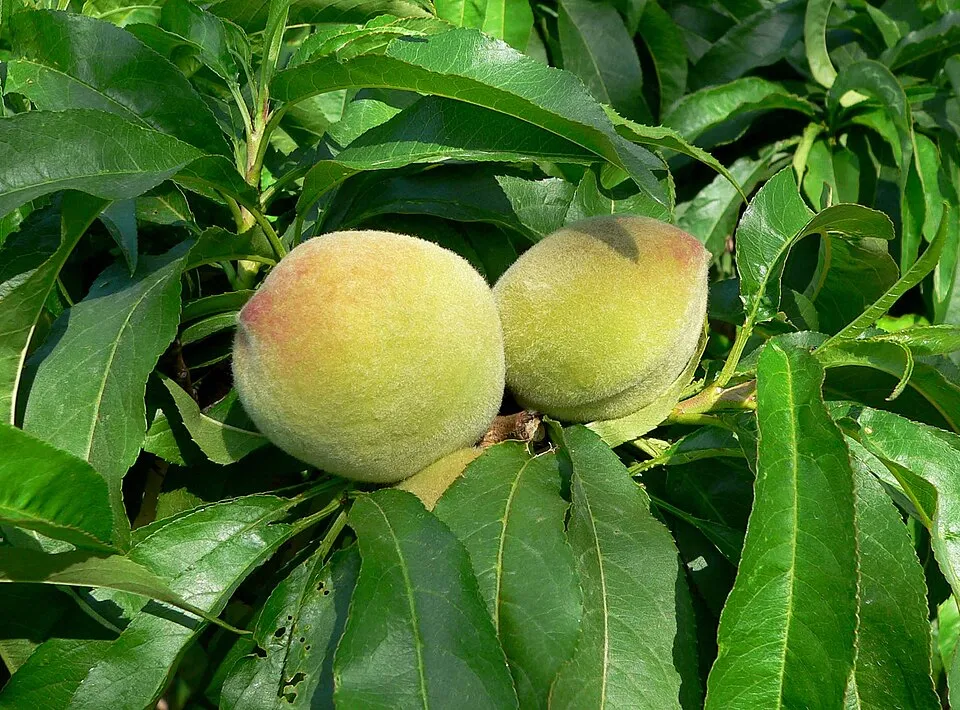
Peach Leaf, derived from Prunus persica, is the foliage of the widely cultivated peach tree, a deciduous species known for its delicious fruit. The peach tree typically grows to an impressive height of up to 25 feet (7.6 meters), presenting an upright, spreading canopy. Its leaves are distinctly lanceolate, gracefully tapering at both ends, and measure approximately 3 to 7 inches (7.5 to 17.5 cm) in length. They feature finely serrated margins that create a characteristic wavy outline, contributing to their unique texture.
The upper surface of the leaves is a glossy, dark green, providing a striking contrast to their paler, often hairy underside. In early spring, before or concurrent with the emergence of new leaves, the peach tree adorns itself with beautiful, fragrant flowers, ranging in color from delicate pink to pristine white, each blossom measuring about 1 inch (2.5 cm) in diameter. The tree's bark is smooth and light brown in its younger stages, gradually developing horizontal lenticels that give it a textured appearance. Prunus persica is indigenous to China, where it has been cultivated for millennia, and has since spread globally, thriving in temperate climates.
It requires well-drained soil and abundant full sunlight to flourish optimally. Taxonomically, it is a prominent member of the Rosaceae family, a diverse group that includes other economically significant stone fruits such as cherries, plums, and apricots, all sharing similar botanical characteristics and a rich phytochemical profile.
Trusted Scientific References
1. Authoritative external sources for Prunus persica
1.1 Wikipedia — Prunus persica
1.2 Kew POWO (Plants of the World Online)
1.3 PubMed — peer-reviewed research
1.4 NCBI Taxonomy Browser
1.5 GBIF — Global Biodiversity
1.6Peach Leaf should be interpreted through verified botanical identity, practical care, and responsible safety language. This recovery note adds the missing context needed for a complete profile: match light to the plant's habit, use well-drained soil, water according to season, and avoid unsupported medicinal or edible claims. For publishing, the plant can be presented as a source-backed medicinal plant with clear care guidance, common problem diagnosis, and conservative safety wording.
1.1.Peach Leaf — Key Features
- ✓Botanical Name — Prunus persica (Peach Leaf)
- ✓Family — Rosaceae, known for stone fruits.
- ✓Native to China, — Native to China, widely cultivated globally.
- ✓Rich in potent — Rich in potent phytochemicals, including flavonoids and phenolic acids.
- ✓Demonstrated efficacy in — Demonstrated efficacy in reducing metabolic syndrome markers in preclinical studies.
- ✓Significant antioxidant and anti — inflammatory properties.
- ✓Traditional uses in — Traditional uses in Ayurveda and Traditional Chinese Medicine.
- ✓Requires well — drained soil and full sunlight for optimal growth.
- ✓Leaf preparations used, — Leaf preparations used, but seeds are highly toxic due to cyanogenic glycosides.
- ✓Supports immune health, — Supports immune health, digestive function, and overall well-being.
1.2.Peach Leaf — In Brief
- ✓Prunus persica leaves show promise in mitigating metabolic syndrome and oxidative stress.
- ✓Rich in phenolic compounds, flavonoids, and tannins, offering significant antioxidant and anti-inflammatory benefits.
- ✓Historically used in TCM and Ayurveda for various health complaints.
- ✓Cultivated globally in temperate regions, requiring well-drained soil and full sun.
- ✓Caution is paramount — peach seeds are toxic and should never be consumed; consult a professional before use.
- ✓Supports immune function, digestive health, and contributes to overall wellness.
2.Peach Leaf — Systematic Position
3.Peach Leaf — Reference Facts
4.Peach Leaf — Structural Profile
5.Peach Leaf — Where It Grows
6.Peach Leaf — Cultural & Traditional Roles
7.Peach Leaf — Bioactive Constituents
- ✓Phenolic Acids — Includes compounds like chlorogenic acid and gallic acid, which are potent antioxidants and contribute significantly to the plant's anti-inflammatory properties by scavenging free radicals.
- ✓Flavonoids — A diverse group including quercetin, kaempferol, and their glycosides, known for their strong antioxidant, anti-inflammatory, and cardioprotective effects, also supporting capillary integrity.
- ✓Condensed Tannins (Proanthocyanidins) — These polyphenolic compounds provide astringent properties, contributing to the plant's traditional uses for digestive health and wound healing, and exhibit antioxidant activity.
- ✓Flavonols — A subclass of flavonoids, such as rutin and isoquercitrin, which are highly effective antioxidants and contribute to the plant's ability to reduce oxidative stress and inflammation.
- ✓Organic Acids — A significant component, constituting approximately 53.8% of the extract, these acids play roles in metabolic regulation and contribute to the overall therapeutic profile.
- ✓Cyanogenic Glycosides — Primarily amygdalin, present in trace amounts in leaves but higher concentrations in seeds; these compounds are a focus of safety concerns due to their potential to release cyanide upon hydrolysis.
- ✓Triterpenoids — Compounds like ursolic acid and oleanolic acid, often found in the waxy coating of leaves, known for their anti-inflammatory, hepatoprotective, and potential anticancer activities.
- ✓Coumarins — Naturally occurring compounds that can have anticoagulant, anti-inflammatory, and antimicrobial properties, contributing to the plant's diverse therapeutic actions.
- ✓Volatile Oils — Although in small quantities, these contribute to the leaf's characteristic aroma and may possess mild antimicrobial or calming effects.
8.Peach Leaf — What Research Suggests
- ✓Metabolic Syndrome Mitigation — Emerging research indicates that peach leaf extract may help alleviate impairments associated with metabolic syndrome, showing promise in improving metabolic profiles.
- ✓Oxidative Stress Reduction — Studies suggest the extract can significantly decrease markers of oxidative stress such as malondialdehyde (MDA) and hydroperoxides, protecting cells from damage.
- ✓Blood Glucose Regulation — It has been observed to help lower plasma insulin levels and glycemia, making it a potential aid in managing blood sugar.
- ✓Cholesterol and Triglyceride Management — Research indicates a reduction in total cholesterol and triglyceride levels, contributing to improved cardiovascular health.
- ✓Antioxidant Activity Enhancement — Peach leaf extract can boost the body's natural antioxidant defenses, increasing levels of vitamin C, Oxygen Radical Absorbance Capacity (ORAC), and catalase activity.
- ✓Anti-inflammatory Support — Rich in phenolic compounds, Prunus persica leaves contribute to reducing systemic inflammation, a key factor in many chronic diseases.
- ✓Immune System Fortification — Traditional uses and modern studies point to the leaves' ability to support and enhance immune function, aiding the body's defense mechanisms.
- ✓Digestive Health Promotion — Historically, peach leaf preparations have been used to soothe digestive complaints and support a healthy gut.
- ✓General Wellness Enhancement — The comprehensive phytochemical profile contributes to overall vitality and well-being, supporting various physiological processes.
- ✓Detoxification Support — By combating oxidative stress and supporting metabolic functions, peach leaves may assist the body's natural detoxification pathways.
8.1.Peach Leaf — Conditions Traditionally Used For
9.Peach Leaf — Adverse Effects
9.1.Peach Leaf — Possible Adverse Reactions
- ✓Cyanide Toxicity — Ingesting peach seeds or consuming large quantities of poorly prepared leaf material (especially if seeds are included) can release cyanogenic glycosides, leading to cyanide poisoning.
- ✓Gastrointestinal Upset — Some individuals may experience stomach discomfort, nausea, or diarrhea, particularly with high doses or sensitive digestive systems.
- ✓Allergic Reactions — As with any plant, allergic reactions such as skin rash, itching, or respiratory symptoms can occur in susceptible individuals.
- ✓Hypotension — Due to potential effects on blood pressure, individuals already on hypotensive medication should use with caution.
- ✓Hypoglycemia — May lower blood glucose levels, requiring careful monitoring for individuals with diabetes or those on blood sugar-lowering medications.
- ✓Drug Interactions — Potential to interact with medications, especially those for blood sugar, blood pressure, or blood thinning, due to its metabolic effects.
- ✓Uterine Stimulation — In traditional systems, some Prunus species are noted for potential uterine stimulant effects, which could be a concern during pregnancy.
9.2.Peach Leaf — Toxicity Assessment
- ✓Avoid Seeds — Peach seeds contain high levels of cyanogenic glycosides and should never be consumed due to the risk of cyanide poisoning.
- ✓Pregnancy and Lactation — Use is generally not recommended during pregnancy or breastfeeding due to insufficient safety data and potential uterine effects.
- ✓Children — Exercise caution and consult a healthcare professional before administering peach leaf preparations to children.
- ✓Pre-existing Conditions — Individuals with diabetes, cardiovascular conditions, or other chronic diseases should consult a doctor before use, especially if on medication.
- ✓Dosage — Adhere strictly to recommended dosages; excessive consumption can increase the risk of adverse effects.
- ✓Professional Guidance — Always seek advice from a qualified healthcare practitioner or medical herbalist before using peach leaf for medicinal purposes.
- ✓Allergic Sensitivity — Discontinue use immediately if any signs of allergic reaction occur.
10.Peach Leaf — How to Use
- ✓Herbal Tea/Infusion — Dried peach leaves can be steeped in hot water to create a medicinal tea, often used for digestive support or as a general tonic.
- ✓Tincture — A concentrated liquid extract made by soaking fresh or dried leaves in alcohol, allowing for easy and precise dosing for various internal applications.
- ✓Decoction — For tougher plant material, leaves can be simmered in water for a longer period to extract more robust compounds, traditionally used for more potent remedies.
- ✓Poultice — Freshly crushed or bruised peach leaves can be applied topically to the skin as a poultice, historically used for minor skin irritations or inflammation.
- ✓External Wash — A strong infusion or decoction can be used as an external wash for skin conditions, minor cuts, or as a gargle for oral discomfort.
- ✓Syrups — Infusions can be combined with honey or other natural sweeteners to create medicinal syrups, particularly for soothing coughs or sore throats.
- ✓Standardized Extracts — Modern herbal preparations may involve standardized extracts, ensuring consistent levels of key bioactive compounds for therapeutic use.
- ✓Balms and Salves — Infused oils made from peach leaves can be incorporated into balms and salves for topical application, leveraging their anti-inflammatory properties.
11.Peach Leaf — Propagation & Care
- ✓Climate Preference — Thrives in temperate climates with distinct cold winters for proper dormancy and warm summers for fruit development.
- ✓Soil Requirements — Prefers well-drained, sandy loam to loamy soils with a pH between 6.0 and 7.0; avoid heavy clay or waterlogged conditions.
- ✓Sunlight Exposure — Requires full sun exposure, ideally 6-8 hours of direct sunlight daily, for optimal growth and phytochemical production.
- ✓Watering — Needs consistent moisture, especially during dry periods and fruit development, but avoid overwatering to prevent root rot.
- ✓Pruning — Regular pruning is essential for maintaining tree structure, promoting air circulation, and encouraging new growth and leaf production.
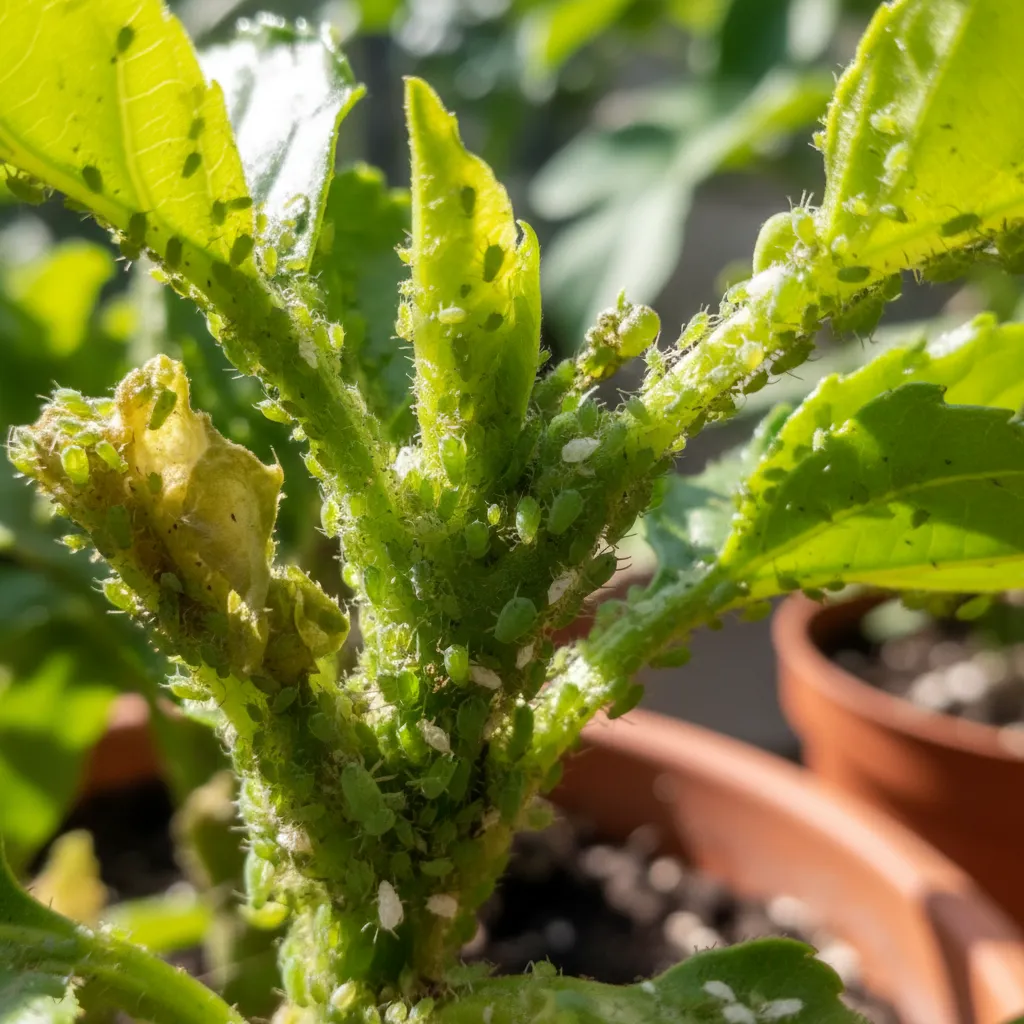
- ✓Pest and Disease Management — Monitor for common peach tree pests like aphids and peach tree borers, and diseases such as powdery mildew, employing organic or integrated pest management strategies.
- ✓Propagation — Primarily propagated through budding or grafting onto suitable rootstock for disease resistance and desired growth habits.
- ✓Fertilization — Benefits from balanced fertilization in early spring, tailored to soil test results, to support vigorous leaf and tree growth.
Reviewed by the Flora Medical Global Botanical Review Panel
Multi-disciplinary editorial group · Botany · Ethnobotany · Herbal-medicine literature
Who reviewed this: This page was checked by the Flora Medical Global Botanical Review Panel — an in-house editorial group of botany graduates, ethnobotany researchers, and horticulture practitioners who collectively maintain our 7,000+ plant encyclopedia. Meet the team.
Our 4-step verification process
1. Taxonomic verification
Scientific names and synonyms cross-checked against Kew POWO, World Flora Online, and The Plant List.
2. Phytochemical & medicinal cross-reference
Active compounds, traditional uses, and reported activities are cross-referenced with PubMed, USDA Dr. Duke's database, and peer-reviewed ethnobotanical literature.
3. Conservation & distribution check
Distribution, ecology, and conservation status confirmed against GBIF occurrence records and the IUCN Red List.
4. Editorial & safety review
Every entry passes an editorial pass for clarity, originality, and safety notices (toxicity, contraindications, dosage caveats) before publication.
Last reviewed:
Important medical disclaimer: This content is for educational and research purposes only. It is not medical advice and is not a substitute for consultation with a licensed healthcare provider. Do not use any herb to self-treat a medical condition without professional guidance.
Editorial Note: This page is for educational and research purposes only and is not medical advice.
Written by: Flora Medical Global Editorial Team
Reviewed by: Flora Medical Global Botanical Review Panel
Last Updated: June 16, 2026





Peach Leaf — Comments & Community Reviews
Rate this plant