


Medical Disclaimer: This content is for educational purposes only. It is not medical advice. Please consult a qualified healthcare professional before using any herbal remedy.
Safety Overview
1.Picao Preto — Essential Profile
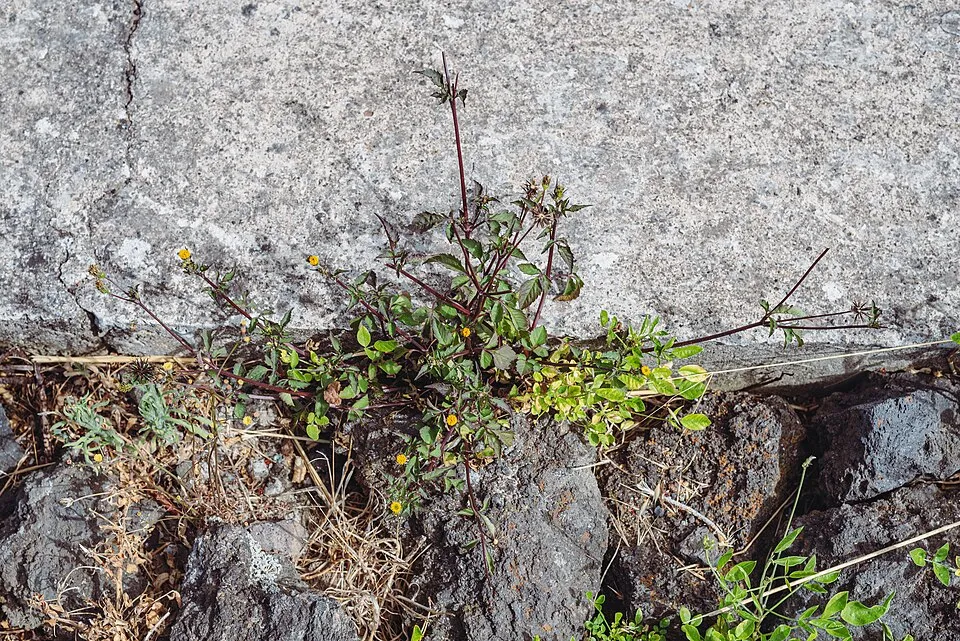
Bidens pilosa, commonly known as Picao Preto, is a remarkably adaptable annual herb belonging to the diverse Asteraceae family. Typically growing erect, this plant can reach heights of 30 to 100 cm, though under exceptionally favorable conditions, it has been observed to exceed two meters. Its slender stems display a spectrum of green to reddish hues, often featuring a slightly hairy texture and distinctive parallel ridges.
The leaves are arranged oppositely, characteristically pinnate with three to five sharply serrated, ovate leaflets, and are subtly hairy. Adorning the plant are striking yellow flower heads, composed of 5 to 12 petal-like ray florets encircling a central cluster of disk florets, each inflorescence measuring approximately 1.5 to 2 cm in diameter. The flowering season typically extends from summer through autumn, culminating in the production of unique achene fruits.
These achenes are blackish, narrow, ribbed, and sparsely bristled, notable for their recurved or hooked bristles that ensure wide dispersal by adhering to animal fur or clothing. Originating from South America, Picao Preto is now widely distributed across tropical and subtropical regions globally, thriving in disturbed soils, grasslands, along roadsides, and in moist, shady locations across Africa, Asia, and other pantropical areas. Its robust nature and efficient seed dispersal contribute to its widespread presence, sometimes even as an invasive species.
Trusted Scientific References
1. Authoritative external sources for Bidens pilosa
1.1 Wikipedia — Bidens pilosa
1.2 Kew POWO (Plants of the World Online)
1.3 PubMed — peer-reviewed research
1.4 NCBI Taxonomy Browser
1.5 GBIF — Global Biodiversity
1.6Picao Preto should be interpreted through verified botanical identity, practical care, and responsible safety language. This recovery note adds the missing context needed for a complete profile: match light to the plant's habit, use well-drained soil, water according to season, and avoid unsupported medicinal or edible claims. For publishing, the plant can be presented as a source-backed medicinal plant with clear care guidance, common problem diagnosis, and conservative safety wording.
1.1.Picao Preto — Distinguishing Points
- ✓Botanical Name — Bidens pilosa L.
- ✓Common Names — Picao Preto, Spanish Needles, Black Jack, Hairy Beggartick.
- ✓Family — Asteraceae.
- ✓Primary Actions — Anti-inflammatory, Antioxidant, Antimicrobial, Antimalarial, Antidiabetic.
- ✓Key Constituents — Flavonoids, Polyacetylenes, Phenolic acids, Terpenoids.
- ✓Traditional Uses — Malaria, Fevers, Wounds, Gastrointestinal disturbances, Rheumatism, Skin infections.
- ✓Global Distribution — Pantropical, originating from South America.
- ✓Edibility — Young leaves and shoots are consumed as a vegetable or tea.
- ✓Distinctive Feature — Achene fruits with barbed bristles for efficient seed dispersal.
- ✓Ecological Role — Known for its invasive potential and ability to hyperaccumulate heavy metals.
1.2.Picao Preto — Concise Overview
- ✓Bidens pilosa, or Picao Preto, is a globally distributed annual herb of the Asteraceae family.
- ✓It is highly valued in traditional medicine for its anti-inflammatory, antioxidant, and antimalarial properties.
- ✓The plant is rich in bioactive compounds including flavonoids, polyacetylenes, and phenolic acids.
- ✓Traditionally used for a wide range of ailments, from skin infections and wounds to gastrointestinal issues and fevers.
- ✓Caution is advised regarding its potential for heavy metal accumulation and interactions with certain medications.
- ✓Available in various forms, including teas, tinctures, and topical preparations, offering versatile applications.
2.Picao Preto — Nomenclature & Classification
3.Picao Preto — Fact Sheet
4.Picao Preto — Botanical Features
5.Picao Preto — Native Range & Habitat
6.Picao Preto — Heritage Uses
7.Picao Preto — Chemical Profile
- ✓Polyacetylenes — Key compounds like phenylheptatriyne and its derivatives are responsible for significant antimicrobial, anti-inflammatory, and antimalarial activities.
- ✓Flavonoids — Including quercetin, luteolin, chalcones (e.g., okanin), aurones, and various flavone glycosides, these contribute potent antioxidant, anti-inflammatory, and antidiabetic effects.
- ✓Terpenoids — A diverse group of compounds, such as monoterpenes and sesquiterpenes, which impart antimicrobial, anti-inflammatory, and insecticidal properties.
- ✓Phenolic Acids — Caffeic acid and other phenolic compounds are abundant, acting as strong antioxidants and contributing to the plant's anti-inflammatory profile.
- ✓Polyacetylene Glycosides — These are sugar-bound forms of polyacetylenes, enhancing solubility and potentially modifying their bioavailability and action.
- ✓Chalcones — A specific class of flavonoids like okanin, known for their strong anti-inflammatory and antioxidant activities, often found in the flowers and leaves.
- ✓Aurones — Another type of flavonoid, visually contributing to the yellow color of the flowers, with documented antioxidant and anti-inflammatory effects.
- ✓Pheophytins — Chlorophyll degradation products that retain some antioxidant capacity and are found in the green parts of the plant.
- ✓Fatty Acids — Essential fatty acids and other lipid components contribute to the plant's nutritional value and may have anti-inflammatory roles.
- ✓Phytosterols — Plant sterols, such as beta-sitosterol, are present and known for potential cholesterol-lowering and anti-inflammatory benefits.
8.Picao Preto — Pharmacological Findings
- ✓Antimalarial Activity — Extracts from Bidens pilosa have shown promising inhibitory effects against Plasmodium falciparum, traditionally used in endemic regions.
- ✓Anti-inflammatory Properties — Rich in compounds like flavonoids and polyacetylenes, Picao Preto helps reduce inflammation by modulating inflammatory pathways.
- ✓Antioxidant Effects — The plant's high content of polyphenols and flavonoids contributes to its ability to neutralize free radicals, protecting cells from oxidative damage.
- ✓Antimicrobial Action — Bidens pilosa exhibits broad-spectrum activity against various bacteria and fungi, supporting its traditional use for infections.
- ✓Antihypertensive Potential — Certain constituents contribute to smooth muscle relaxation, suggesting a role in lowering blood pressure.
- ✓Antidiabetic Support — Research indicates its potential to improve glucose metabolism and insulin sensitivity, offering benefits for blood sugar management.
- ✓Anticancerogenic Properties — Various bioactive compounds present in the plant have demonstrated antiproliferative effects against several cancer cell lines in preclinical studies.
- ✓Anti-allergy Effects — Studies suggest that Picao Preto may help mitigate allergic reactions by modulating immune responses.
- ✓Gastrointestinal Relief — Traditionally used to soothe digestive disturbances, it may help alleviate symptoms like stomach upset and diarrhea.
- ✓Wound Healing Acceleration — Topical applications have been observed to promote faster wound closure and tissue regeneration.
- ✓Rheumatism Alleviation — Its anti-inflammatory properties contribute to its traditional use in reducing pain and swelling associated with rheumatic conditions.
- ✓Skin Infection Treatment — The plant's antimicrobial and anti-inflammatory actions make it effective in treating various skin infections and irritations.
8.1.Picao Preto — Therapeutic Indications
9.Picao Preto — Cautions & Contraindications
9.1.Picao Preto — Possible Adverse Reactions
- ✓Allergic Reactions — Individuals sensitive to plants in the Asteraceae family may experience skin rashes, itching, or respiratory symptoms.
- ✓Gastrointestinal Discomfort — High doses may lead to mild stomach upset, nausea, or diarrhea in some individuals.
- ✓Hypotensive Effects — Picao Preto can potentially lower blood pressure, which may be a concern for individuals already on antihypertensive medication.
- ✓Hypoglycemic Risk — It may reduce blood sugar levels, requiring careful monitoring for diabetic patients, especially those on medication.
- ✓Photosensitivity — In rare cases, some compounds might increase skin sensitivity to sunlight, leading to sunburn-like reactions.
- ✓Drug Interactions — Possible interactions with anticoagulant, anti-diabetic, and blood pressure-lowering medications due to its physiological effects.
- ✓Heavy Metal Accumulation — As a hyperaccumulator, Bidens pilosa can absorb heavy metals from contaminated soil, posing a risk if not sourced properly.
9.2.Picao Preto — Toxicity Assessment
- ✓Pregnancy and Lactation — Avoid use due to insufficient research on safety during these periods; consult a healthcare provider.
- ✓Children — Due to limited safety data, use in children should only be under the guidance of a qualified medical professional.
- ✓Pre-existing Conditions — Individuals with bleeding disorders, diabetes, or hypotension should use with extreme caution and medical supervision.
- ✓Allergic Sensitivity — Exercise caution if you have known allergies to plants in the Asteraceae family (e.g., ragweed, chamomile).
- ✓Dosage Adherence — Strictly follow recommended dosages; excessive consumption may increase the risk of adverse effects.
- ✓Sourcing Purity — Crucially, ensure the plant material is sourced from uncontaminated environments to avoid heavy metal exposure.
- ✓Professional Consultation — Always consult a qualified healthcare practitioner or medical herbalist before incorporating Picao Preto into your health regimen.
10.Picao Preto — Preparation Methods
- ✓Herbal Tea/Infusion — Dried or fresh leaves and aerial parts steeped in hot water to extract beneficial compounds for internal consumption.
- ✓Decoction — Roots and tougher stems can be simmered in water for a longer period to create a stronger extract, often used for chronic conditions.
- ✓Tincture — Plant material extracted in an alcohol-water solution, providing a concentrated form for convenient dosage.
- ✓Poultice/Compress — Crushed fresh leaves or a paste made from dried powder mixed with water, applied topically to wounds, skin infections, or inflammatory areas.
- ✓Edible Vegetable — Young shoots and tender leaves are boiled or steamed and consumed as a nutritious leafy green in many cultures.
- ✓Juice — Fresh Picao Preto can be juiced, often combined with other fruits or vegetables, for a potent nutritional and medicinal drink.
- ✓Topical Oil/Salve — Infused oil made from the plant can be incorporated into salves or balms for external application on skin ailments.
- ✓Powdered Herb — Dried plant material can be ground into a fine powder for encapsulation or mixed into smoothies and foods.
11.Picao Preto — How to Grow
- ✓Climate — Thrives in warm, tropical and subtropical climates, preferring consistent temperatures.
- ✓Soil — Adaptable to a wide range of soil types, but performs best in well-drained, fertile, and often disturbed soils.
- ✓Sunlight — Requires full sun to partial shade for optimal growth and robust secondary metabolite production.
- ✓Water — Needs consistent moisture, especially during germination and early growth stages, though mature plants show some drought tolerance.
- ✓Propagation — Easily propagated from seeds; direct sowing is effective due to high germination rates (over 80% for fresh seeds).
- ✓Spacing — Allow adequate space (e.g., 30-60 cm apart) to accommodate its potential height and branching habit.
- ✓Pest/Disease — Generally resilient; however, monitor for common herbaceous plant pests and fungal issues in overly damp conditions.
- ✓Harvesting — Leaves and young shoots can be harvested throughout the growing season for culinary or medicinal uses, ideally before extensive flowering for best flavor.
Reviewed by the Flora Medical Global Botanical Review Panel
Multi-disciplinary editorial group · Botany · Ethnobotany · Herbal-medicine literature
Who reviewed this: This page was checked by the Flora Medical Global Botanical Review Panel — an in-house editorial group of botany graduates, ethnobotany researchers, and horticulture practitioners who collectively maintain our 7,000+ plant encyclopedia. Meet the team.
Our 4-step verification process
1. Taxonomic verification
Scientific names and synonyms cross-checked against Kew POWO, World Flora Online, and The Plant List.
2. Phytochemical & medicinal cross-reference
Active compounds, traditional uses, and reported activities are cross-referenced with PubMed, USDA Dr. Duke's database, and peer-reviewed ethnobotanical literature.
3. Conservation & distribution check
Distribution, ecology, and conservation status confirmed against GBIF occurrence records and the IUCN Red List.
4. Editorial & safety review
Every entry passes an editorial pass for clarity, originality, and safety notices (toxicity, contraindications, dosage caveats) before publication.
Last reviewed:
Important medical disclaimer: This content is for educational and research purposes only. It is not medical advice and is not a substitute for consultation with a licensed healthcare provider. Do not use any herb to self-treat a medical condition without professional guidance.
Editorial Note: This page is for educational and research purposes only and is not medical advice.
Written by: Flora Medical Global Editorial Team
Reviewed by: Flora Medical Global Botanical Review Panel
Last Updated: June 16, 2026





Picao Preto — Comments & Community Reviews
Rate this plant