
Medical Disclaimer: This content is for educational purposes only. It is not medical advice. Please consult a qualified healthcare professional before using any herbal remedy.
Safety Overview
1.Pink Pepper — Overview

Pink Pepper, scientifically known as Schinus molle L., is an elegant evergreen tree belonging to the Anacardiaceae family, which also includes cashews and mangoes. This resilient tree typically reaches heights of up to 10 meters, often exhibiting a graceful, weeping growth habit that adds to its ornamental appeal. Its foliage consists of pinnately compound leaves, approximately 10 to 25 cm in length, featuring 10 to 30 lanceolate leaflets with a distinctive glossy green sheen. During the summer, it produces small, subtly fragrant white or yellowish flowers arranged in dense panicles.
The tree's bark is thin, grayish-brown, and fissured, contributing to its textured appearance. Native to the Andean regions of Peru and Ecuador, Schinus molle thrives at elevations ranging from 900 to 3,600 meters. It is remarkably adaptable, flourishing in semi-arid to arid environments and tolerating various soil types. While primarily found in its native South America, it has naturalized in several regions globally, including parts of California, though it can exhibit invasive tendencies in some ecosystems.
Commercially, its distinctive pink berries are cultivated in places like Reunion Island and Brazil. It is important to note that Schinus molle is distinct from true black pepper (Piper nigrum), despite its common name and peppery flavor profile.
Trusted Scientific References
Authoritative external sources for Schinus molle L.:
Pink Pepper should be interpreted through verified botanical identity, practical care, and responsible safety language. This recovery note adds the missing context needed for a complete profile: match light to the plant's habit, use well-drained soil, water according to season, and avoid unsupported medicinal or edible claims. For publishing, the plant can be presented as a source-backed medicinal plant with clear care guidance, common problem diagnosis, and conservative safety wording.
1.1.Pink Pepper — Standout Qualities
- ✓Evergreen Tree — A resilient, long-lived tree with a graceful, weeping habit.
- ✓Aromatic Berries — Produces distinctive pink drupes with a mild, sweet, citrusy, and peppery flavor.
- ✓Not True Pepper — Botanically unrelated to Piper nigrum, despite its common name and culinary use.
- ✓Medicinal Versatility — Valued in traditional medicine for its anti-inflammatory, antioxidant, and antimicrobial actions.
- ✓Anacardiaceae Family — Belongs to the cashew family, important for allergy considerations.
- ✓Drought Tolerant — Highly adaptable to arid and semi-arid climates, requiring minimal water once established.
- ✓Essential Oil Rich — Leaves and fruits yield essential oils with diverse therapeutic properties.
- ✓Traditional Uses — Employed by Inca civilization for embalming and in Central American folk medicine.
- ✓Ornamental Value — Often cultivated as an attractive landscape tree in suitable climates.
- ✓Sustainable Resource — A hardy plant that can be a valuable source of spice and medicinal compounds.
1.2.Pink Pepper — In Brief
- ✓Pink Pepper (Schinus molle L.) is a versatile evergreen tree from the Anacardiaceae family.
- ✓Renowned for its delicate, fruity, and peppery berries used culinarily and medicinally.
- ✓Possesses significant anti-inflammatory, antioxidant, and antimicrobial properties.
- ✓Traditionally used for immune support, digestive health, and pain relief.
- ✓Caution advised for individuals with allergies to cashew or mango due to family relation.
- ✓A botanical gem with a rich history and promising modern applications.
2.Pink Pepper — Scientific Identity
3.Pink Pepper — Categories & Tags
4.Pink Pepper — Plant Morphology
5.Pink Pepper — Cultural & Traditional Roles
6.Pink Pepper — Secondary Metabolites
- ✓Essential Oils — Rich in monoterpenes like limonene, α-phellandrene, and sabinene, contributing to its characteristic aroma and exhibiting potent antimicrobial, anti-inflammatory, and antioxidant activities.
- ✓Flavonoids — Compounds such as quercetin, kaempferol, and their glycosides are present, known for their strong antioxidant, anti-inflammatory, and potential anticancer properties.
- ✓Terpenoids — Beyond monoterpenes, other terpenoids including sesquiterpenes (e.g., β-caryophyllene) are found, contributing to the plant's defense mechanisms and pharmacological effects.
- ✓Phenolic Acids — Includes gallic acid and caffeic acid, which are powerful antioxidants and contribute to the plant's anti-inflammatory and protective cellular effects.
- ✓Alkaloids — Various nitrogen-containing compounds are present, although typically in lower concentrations, with some potentially contributing to traditional uses such as mood regulation.
- ✓Saponins — These glycosides can have surfactant properties and are sometimes associated with immune-modulating and cholesterol-lowering effects.
- ✓Tannins — Found in the bark and leaves, tannins possess astringent properties, contributing to wound healing and antimicrobial actions.
- ✓Resins — The tree produces oleoresins, which contain a complex mixture of essential oils and other compounds, historically used for embalming and medicinal purposes.
- ✓Fatty Acids — The seeds of the berries contain various fatty acids, which can contribute to nutritional value and membrane health.
7.Pink Pepper — Research Insights
- ✓Immune Support — Pink Pepper is believed to bolster the body's natural defenses, with its rich antioxidant content helping to protect immune cells from damage and supporting overall immune function.
- ✓Anti-inflammatory Effects — Traditional uses and modern studies suggest Schinus molle compounds, such as certain terpenes and flavonoids, can modulate inflammatory pathways, offering relief from various inflammatory conditions.
- ✓Antioxidant Protection — Abundant in phenolic acids and flavonoids, Pink Pepper effectively scavenges free radicals, mitigating oxidative stress and contributing to cellular health and disease prevention.
- ✓Digestive Health — Historically, Pink Pepper has been utilized to soothe digestive discomfort, potentially aiding in gastrointestinal regulation and providing mild antispasmodic effects.
- ✓General Wellness Promotion — Regular consumption or use of Pink Pepper is associated with enhanced vitality and overall health, owing to its comprehensive profile of beneficial phytochemicals.
- ✓Antimicrobial Action — The essential oils from Schinus molle exhibit significant antibacterial and antifungal properties, making it valuable in traditional remedies for treating infections and supporting wound healing.
- ✓Analgesic Properties — Extracts from Pink Pepper have been traditionally applied to alleviate pain, with research indicating potential pain-relieving mechanisms through modulation of pain perception.
- ✓Antispasmodic Relief — Its compounds may help relax smooth muscles, offering relief from spasms, particularly in the gastrointestinal tract, contributing to its traditional use for digestive issues.
- ✓Diuretic Effects — In folk medicine, Pink Pepper has been used to promote urine flow, which can assist the body in eliminating excess fluids and potentially support kidney function.
- ✓Mood Support — Some traditional systems have employed Schinus molle for its potential antidepressant qualities, suggesting a positive influence on mood and mental well-being.
7.1.Pink Pepper — Indications & Uses
8.Pink Pepper — Precautions & Warnings
8.1.Pink Pepper — Caution Notes
- ✓Allergic Reactions — Individuals sensitive to plants in the Anacardiaceae family (e.g., cashews, mangoes, pistachios) may experience allergic reactions, including skin irritation or gastrointestinal upset.
- ✓Gastrointestinal Discomfort — High doses or sensitive individuals may experience nausea, vomiting, or diarrhea, particularly with raw or large quantities of the berries.
- ✓Skin Irritation — Direct contact with the sap or essential oil can cause contact dermatitis or irritation in susceptible individuals.
- ✓Potential for Toxicity — While Schinus molle berries are generally considered safe in moderate culinary amounts, some reports suggest potential toxicity, particularly when confused with the more problematic Schinus terebinthifolius.
- ✓Drug Interactions — May interact with certain medications, especially those affecting blood clotting or liver function, due to its bioactive compounds.
- ✓Respiratory Issues — Inhaling large quantities of the plant's pollen or essential oil vapors may trigger respiratory irritation or asthma symptoms in sensitive individuals.
8.2.Pink Pepper — Toxicity Assessment
- ✓Allergy Precaution — Individuals with known allergies to cashew, mango, or other Anacardiaceae family members should exercise extreme caution or avoid Pink Pepper products.
- ✓Dosage Awareness — Consume Pink Pepper berries in moderation, especially when used culinarily; excessive amounts are not recommended due to potential gastrointestinal upset.
- ✓Species Identification — Ensure correct identification of Schinus molle, as its close relative Schinus terebinthifolius (Brazilian Pepper) is known to cause more severe allergic reactions and toxicity.
- ✓Pregnancy and Lactation — Due to insufficient safety data, Pink Pepper is generally not recommended for use by pregnant or breastfeeding women.
- ✓Children and Infants — Avoid administering Pink Pepper preparations to children and infants without professional medical guidance.
- ✓Consult Healthcare Professional — Always consult a healthcare provider before using Pink Pepper for medicinal purposes, especially if on medication or managing underlying health conditions.
- ✓Topical Application — Perform a patch test before applying essential oil or other topical preparations to a larger skin area to check for sensitivity.
9.Pink Pepper — Application Forms
- ✓Culinary Spice — The dried pink berries are used whole or ground as a delicate, fruity, and subtly peppery spice in both savory and sweet dishes, often blended with other peppercorns.
- ✓Infused Oils and Vinegars — Fresh or dried berries can be steeped in oils or vinegars to impart their unique flavor, creating gourmet condiments for salads and cooking.
- ✓Herbal Tea Infusions — Leaves and dried berries can be used to prepare herbal teas, traditionally consumed for digestive aid or general wellness support.
- ✓Topical Applications — Essential oil derived from the leaves and fruits can be diluted and applied topically for its antiseptic, anti-inflammatory, and analgesic properties, often in liniments or balms.
- ✓Traditional Beverages — In Peru, the berries were historically fermented to create an alcoholic beverage known as 'chicha de molle,' resembling a type of beer.
- ✓Extracts and Tinctures — Berries and leaves can be processed into liquid extracts or tinctures using alcohol, allowing for concentrated medicinal preparations.
- ✓Aromatic Uses — The essential oil is utilized in aromatherapy for its uplifting and stimulating aroma, which can also have purifying qualities.
- ✓Dye Production — Historically, the leaves of Pink Pepper were employed in Andean regions as a natural dye for textiles, producing subtle earthy tones.
10.Pink Pepper — Growth Requirements
- ✓Soil Requirements — Thrives in well-drained soil, tolerating a wide range of soil types from sandy to loamy, and is particularly well-suited to arid and semi-arid conditions.
- ✓Sunlight Exposure — Requires full sun exposure for optimal growth and fruit production, needing at least 6-8 hours of direct sunlight daily.
- ✓Watering Regimen — Once established, Pink Pepper is highly drought-tolerant, requiring minimal watering; young trees benefit from regular, moderate irrigation.
- ✓Climate Adaptability — Best suited for tropical to subtropical climates, it can tolerate mild frosts but prefers winter temperatures above 10 degrees Fahrenheit (approximately -12 degrees Celsius).
- ✓Propagation Techniques — Can be propagated from seeds, which should be scarified before planting, or through semi-hardwood cuttings taken in spring or early summer.
- ✓Pruning Practices — Benefits from occasional pruning to maintain its shape, remove dead or diseased branches, and manage its potentially extensive weeping growth habit.
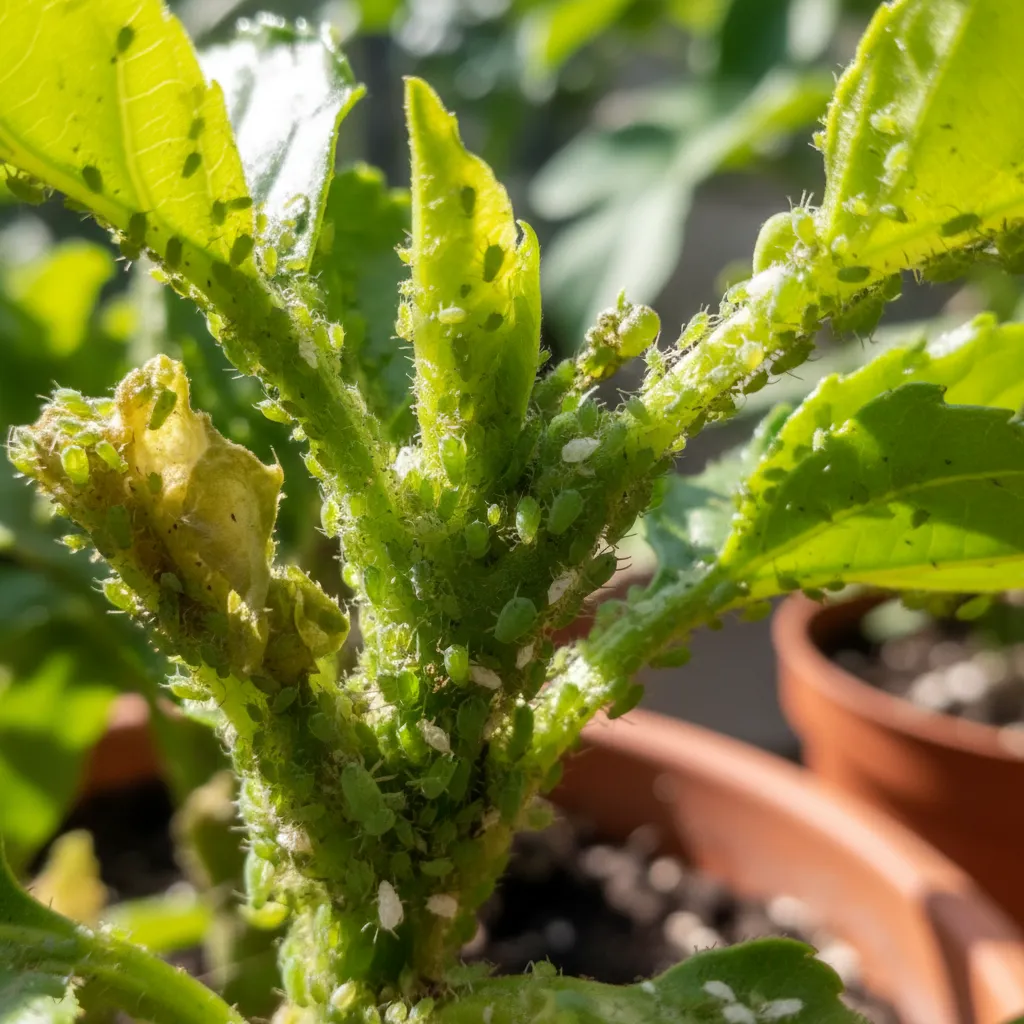
- ✓Pest and Disease Resistance — Generally robust and resistant to most common pests and diseases, making it a low-maintenance landscape plant.
- ✓Fertilization — Typically does not require heavy fertilization; a balanced, slow-release fertilizer can be applied annually in spring, especially for younger trees.
Reviewed by the Flora Medical Global Botanical Review Panel
Multi-disciplinary editorial group · Botany · Ethnobotany · Herbal-medicine literature
Who reviewed this: This page was checked by the Flora Medical Global Botanical Review Panel — an in-house editorial group of botany graduates, ethnobotany researchers, and horticulture practitioners who collectively maintain our 7,000+ plant encyclopedia. Meet the team.
Our 4-step verification process
1. Taxonomic verification
Scientific names and synonyms cross-checked against Kew POWO, World Flora Online, and The Plant List.
2. Phytochemical & medicinal cross-reference
Active compounds, traditional uses, and reported activities are cross-referenced with PubMed, USDA Dr. Duke's database, and peer-reviewed ethnobotanical literature.
3. Conservation & distribution check
Distribution, ecology, and conservation status confirmed against GBIF occurrence records and the IUCN Red List.
4. Editorial & safety review
Every entry passes an editorial pass for clarity, originality, and safety notices (toxicity, contraindications, dosage caveats) before publication.
Last reviewed:
Important medical disclaimer: This content is for educational and research purposes only. It is not medical advice and is not a substitute for consultation with a licensed healthcare provider. Do not use any herb to self-treat a medical condition without professional guidance.
Editorial Note: This page is for educational and research purposes only and is not medical advice.
Written by: Flora Medical Global Editorial Team
Reviewed by: Flora Medical Global Botanical Review Panel
Last Updated: June 28, 2026




Pink Pepper — Comments & Community Reviews
Rate this plant
No reviews yet. Be the first!