
Medical Disclaimer: This content is for educational purposes only. It is not medical advice. Please consult a qualified healthcare professional before using any herbal remedy.
Safety Overview
1.Plaksha — Essential Profile
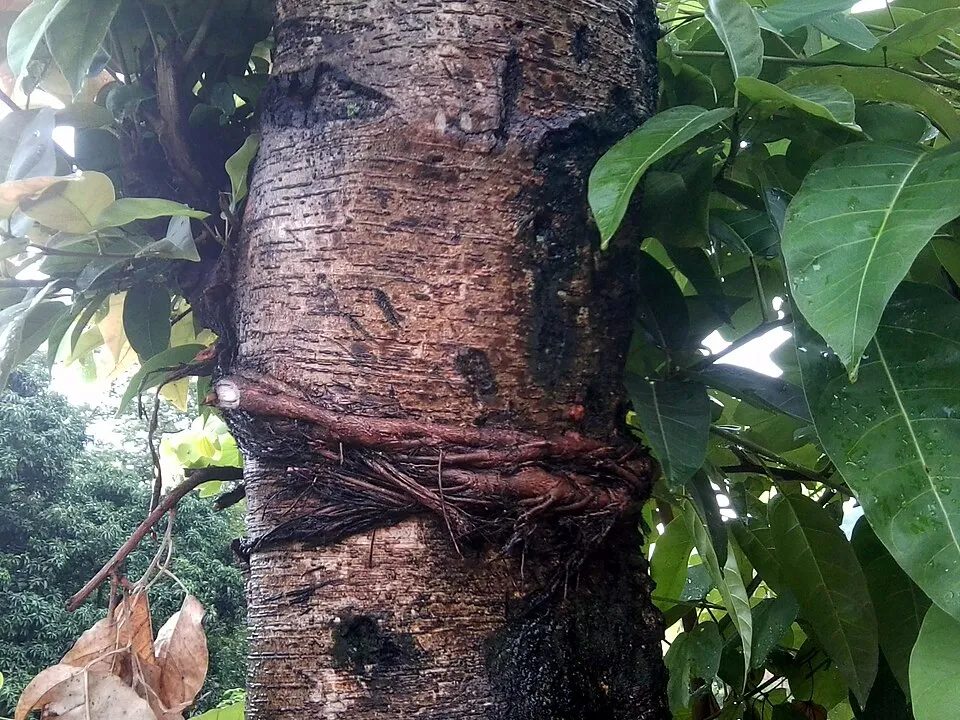
Ficus lacor, widely recognized as Plaksha or Java Fig, is an imposing deciduous or semi-deciduous tree belonging to the Moraceae family, capable of reaching heights of up to 30 meters with a broad, spreading canopy. Its distinctive bark is smooth and greyish-white in younger trees, progressively becoming rough and fissured with age. The leaves are a prominent feature, typically ovate to elliptic, measuring between 8 to 20 cm in length and 4 to 10 cm in width.
They exhibit a glossy, dark green upper surface and a paler, often hairy underside, characterized by 6-10 prominent lateral veins. Plaksha produces small, inconspicuous greenish-yellow flowers enclosed within a syconium, a specialized urn-shaped inflorescence characteristic of the Ficus genus. These develop into small, round figs, which mature to a pale red or purple hue, attracting various frugivorous birds and bats crucial for seed dispersal.
Native to the tropical and subtropical regions of Asia, Ficus lacor thrives in moist, well-drained alluvial soils, commonly found along riverbanks, in lowland forests, and in sacred groves across India, Nepal, and parts of Southeast Asia. Its robust nature and ecological significance, coupled with its revered status in traditional medicine, make it a vital component of its native ecosystems.
Trusted Scientific References
1. Authoritative external sources for Ficus lacor
1.1 Wikipedia — Ficus lacor
1.2 Kew POWO (Plants of the World Online)
1.3 PubMed — peer-reviewed research
1.4 NCBI Taxonomy Browser
1.5 GBIF — Global Biodiversity
1.6Plaksha should be interpreted through verified botanical identity, practical care, and responsible safety language. This recovery note adds the missing context needed for a complete profile: match light to the plant's habit, use well-drained soil, water according to season, and avoid unsupported medicinal or edible claims. For publishing, the plant can be presented as a source-backed medicinal plant with clear care guidance, common problem diagnosis, and conservative safety wording.
1.1.Plaksha — Highlights
- ✓Botanical Name — Ficus lacor (Plaksha, Java Fig).
- ✓Family — Moraceae (Fig family).
- ✓Traditional System — Ayurveda, Unani.
- ✓Key Actions — Astringent, Anti-inflammatory, Hepatoprotective, Antidiarrheal.
- ✓Primary Uses — Bleeding disorders, wounds, mouth ulcers, diarrhea, leucorrhea, liver support.
- ✓Key Constituents — Flavonoids, Triterpenoids, Tannins, Phytosterols.
- ✓Part Used — Bark, Latex.
- ✓Ayurvedic Properties — Rasa: Kashaya (Astringent); Guna: Guru (Heavy), Ruksha (Dry); Vipaka: Katu (Pungent); Veerya: Sheeta (Cold).
- ✓Dosha Effect — Kapha-Pitta Shamaka (reduces Kapha and Pitta doshas).
- ✓Habitat — Native to tropical Asia, thrives in moist, well-drained soils along riverbanks.
1.2.Plaksha — In Brief
- ✓Ficus lacor, or Plaksha, is a large fig tree revered in traditional Asian medicine.
- ✓Known for its powerful astringent, anti-inflammatory, and hepatoprotective properties.
- ✓Primarily used in Ayurveda for bleeding disorders, wounds, diarrhea, and liver support.
- ✓Rich in flavonoids, triterpenoids, and tannins, contributing to its therapeutic actions.
- ✓Bark and latex are the main medicinal parts, prepared as decoctions, pastes, or powders.
- ✓Generally considered safe, but medical consultation is advised, especially during pregnancy or with other medications.
2.Plaksha — Nomenclature & Classification
3.Plaksha — Key Data
4.Plaksha — Botanical Features
5.Plaksha — Native Range & Habitat
6.Plaksha — Traditional Uses
7.Plaksha — Key Phytochemicals
- ✓Flavonoids — Key flavonoids identified include sorbifolin and scutellarein, which are largely responsible for Ficus lacor’s antioxidant, anti-inflammatory, and free-radical scavenging properties, contributing to its protective effects.
- ✓Triterpenoids — The leaves contain lupeol, alpha-amyrin, and beta-amyrin. These compounds are well-regarded for their potent anti-inflammatory, analgesic, and hepatoprotective activities, supporting joint and liver health.
- ✓Phytosterols — Beta-sitosterol, a prominent phytosterol found in the bark, contributes to its anti-inflammatory, immune-modulating, and cholesterol-lowering potential.
- ✓Phenolic Acids — Caffeic acid is present in the bark, recognized for its antioxidant, anti-inflammatory, and potential antiviral properties, enhancing cellular protection.
- ✓Coumarins — Bergenin, a C-glycoside of coumarin, is found in the bark and is known for its anti-inflammatory, immunomodulatory, and hepatoprotective actions.
- ✓Latex Components — The milky sap (latex) contains methyl ricinolate and lanosterol, which are involved in the plant's defense mechanisms and have demonstrated various biological activities, including antimicrobial effects.
- ✓Tannins — Abundant in the bark, tannins are powerful astringents that contribute to Plaksha’s wound-healing, anti-diarrheal, and anti-hemorrhagic properties by precipitating proteins and forming protective layers.
- ✓Essential Oils — While present in smaller quantities, these volatile compounds contribute to the plant’s characteristic aroma and possess antimicrobial and insecticidal properties.
- ✓Sugars — Various simple and complex sugars are found in the bark, providing energy and potentially influencing the plant's overall metabolic profile and traditional medicinal preparations.
8.Plaksha — Pharmacological Findings
- ✓Manages Bleeding Disorders — The potent astringent properties of Plaksha bark help constrict blood vessels and reduce excessive bleeding, traditionally used for conditions like menorrhagia and nasal bleeding.
- ✓Promotes Wound Healing — Applied topically, the bark's astringent, anti-inflammatory, and antimicrobial compounds facilitate faster closure and regeneration of tissues in cuts, abrasions, and ulcers.
- ✓Alleviates Mouth Ulcers and Gingivitis — A decoction of Ficus lacor bark used as a gargle helps soothe inflamed oral tissues, reducing pain and promoting healing due to its anti-inflammatory and astringent actions.
- ✓Controls Diarrhea and Dysentery — The heavy and astringent qualities of the bark decoction help to firm stools and reduce intestinal inflammation, providing relief from diarrheal conditions.
- ✓Treats Leucorrhea and Vaginal Infections — Its astringent and antiseptic properties are beneficial in managing excessive vaginal discharge and minor infections, improving vaginal health.
- ✓Supports Blood Sugar Regulation — Traditional uses suggest the bark decoction can help in maintaining healthy blood sugar levels, making Plaksha a subject of interest for diabetes management.
- ✓Offers Anti-inflammatory Relief — The presence of flavonoids and triterpenoids contributes to its significant anti-inflammatory effects, beneficial in conditions like arthritis and general inflammation.
- ✓Provides Hepatoprotective Effects — Research indicates that extracts from Ficus lacor bark can protect liver cells from damage induced by toxins, supporting overall liver health.
- ✓Calms Nervous System Disturbances — A cold infusion of the bark is traditionally used to alleviate symptoms of nausea, vertigo, and even certain epileptic seizures, suggesting mild neuro-modulatory actions.
- ✓Reduces Burning Sensations — In Ayurvedic tradition, its cooling potency (Sheeta Veerya) helps to pacify Pitta dosha, thereby relieving burning sensations associated with various inflammatory conditions.
8.1.Plaksha — Reported Uses
9.Plaksha — Cautions & Contraindications
9.1.Plaksha — Side Effects & Warnings
- ✓Generally Well-Tolerated — Plaksha is considered safe for most individuals when used appropriately and in recommended dosages, with no significant adverse effects commonly reported.
- ✓Allergic Reactions — Sensitive individuals might experience allergic reactions such as skin rashes or gastrointestinal upset, especially with topical application or high internal doses.
- ✓Pregnancy and Lactation — Due to insufficient safety data, pregnant and lactating women should avoid Plaksha or use it only under strict medical supervision.
- ✓Drug Interactions — As with many potent herbs, Plaksha may interact with conventional medications, particularly those for diabetes, blood thinners, or anti-inflammatory drugs; consult a doctor.
- ✓Digestive Discomfort — Excessive internal use, especially of the bark decoction, might lead to constipation due to its strong astringent properties.
- ✓Dosage Sensitivity — Adhering to traditional or professionally recommended dosages is crucial, as very high doses might theoretically lead to unforeseen systemic effects.
9.2.Plaksha — Safety Profile
- ✓Professional Consultation — Always consult a qualified medical herbalist or healthcare provider before incorporating Plaksha into a health regimen, especially for chronic conditions or concurrent medications.
- ✓Pregnancy and Breastfeeding — Avoid use during pregnancy and lactation unless specifically advised and supervised by a healthcare professional due to limited safety data.
- ✓Children and Elderly — Exercise caution when administering to children and elderly individuals, typically requiring lower dosages and medical oversight.
- ✓Allergic Sensitivity — Perform a patch test before topical application to check for potential allergic reactions or skin irritation.
- ✓Quality and Sourcing — Ensure that any Plaksha product is sourced from reputable suppliers to guarantee purity, authenticity, and freedom from contaminants.
- ✓Monitoring for Interactions — Patients on anticoagulant, hypoglycemic, or other critical medications should be closely monitored for potential interactions if taking Plaksha concurrently.
- ✓Internal vs. External Use — While topical application is generally well-tolerated, internal use, particularly of concentrated extracts, warrants greater caution and adherence to dosage guidelines.
10.Plaksha — Preparation Methods
- ✓Bark Decoction (Internal Use) — Prepare by boiling 50-100 ml of dried Plaksha bark in water until reduced, then strain and consume for diarrhea, leucorrhea, or blood sugar management.
- ✓Topical Bark Paste — Grind fresh or dried bark with a small amount of water to form a smooth paste, then apply directly to herpes lesions, wounds, or inflammatory skin conditions.
- ✓Gargle for Oral Health — Use a cooled decoction of Plaksha bark as a mouthwash or gargle several times a day to alleviate mouth ulcers, gingivitis, and general oral inflammation.
- ✓Cold Infusion (Internal Use) — Steep dried bark pieces in cold water overnight, then strain and drink the infusion to address symptoms like nausea, vertigo, or for its cooling effects.
- ✓Powdered Bark Application — Finely ground dried bark powder can be sprinkled directly onto superficial wounds or bleeding spots to promote hemostasis and healing.
- ✓Latex Application — The milky sap (latex) from the bark, when carefully extracted, can be applied externally to minor cuts and abrasions for its astringent and antiseptic qualities.
- ✓Ayurvedic Formulations — Plaksha is an ingredient in complex Ayurvedic preparations like Nyagrodadhi Kashaya and Nalpamaradi Oil, used under professional guidance for specific therapeutic outcomes.
11.Plaksha — How to Grow
- ✓Climate Preference — Plaksha thrives in tropical and subtropical climates, requiring warm temperatures and high humidity year-round, making it unsuitable for frost-prone regions.
- ✓Soil Requirements — It prefers deep, moist, well-drained alluvial or loamy soils rich in organic matter, often found naturally along riverbanks.
- ✓Sunlight Exposure — The tree requires full sun exposure for optimal growth, though young saplings can tolerate partial shade.
- ✓Propagation — Ficus lacor can be propagated effectively from seeds, which germinate well in moist conditions, or more commonly from stem cuttings and air layering for quicker establishment.
- ✓Watering Needs — Regular and ample watering is crucial, especially during dry spells and for young trees, to maintain consistent soil moisture without waterlogging.
- ✓Pruning Practices — Minimal pruning is generally required, primarily for shaping, removing dead or diseased branches, and managing canopy size for urban planting.
- ✓Pest and Disease Management — While generally robust, monitoring for common fig pests like scale insects and fungal diseases is advisable, with natural remedies preferred.
Reviewed by the Flora Medical Global Botanical Review Panel
Multi-disciplinary editorial group · Botany · Ethnobotany · Herbal-medicine literature
Who reviewed this: This page was checked by the Flora Medical Global Botanical Review Panel — an in-house editorial group of botany graduates, ethnobotany researchers, and horticulture practitioners who collectively maintain our 7,000+ plant encyclopedia. Meet the team.
Our 4-step verification process
1. Taxonomic verification
Scientific names and synonyms cross-checked against Kew POWO, World Flora Online, and The Plant List.
2. Phytochemical & medicinal cross-reference
Active compounds, traditional uses, and reported activities are cross-referenced with PubMed, USDA Dr. Duke's database, and peer-reviewed ethnobotanical literature.
3. Conservation & distribution check
Distribution, ecology, and conservation status confirmed against GBIF occurrence records and the IUCN Red List.
4. Editorial & safety review
Every entry passes an editorial pass for clarity, originality, and safety notices (toxicity, contraindications, dosage caveats) before publication.
Last reviewed:
Important medical disclaimer: This content is for educational and research purposes only. It is not medical advice and is not a substitute for consultation with a licensed healthcare provider. Do not use any herb to self-treat a medical condition without professional guidance.
Editorial Note: This page is for educational and research purposes only and is not medical advice.
Written by: Flora Medical Global Editorial Team
Reviewed by: Flora Medical Global Botanical Review Panel
Last Updated: June 16, 2026





Plaksha — Comments & Community Reviews
Rate this plant