
Medical Disclaimer: This content is for educational purposes only. It is not medical advice. Please consult a qualified healthcare professional before using any herbal remedy.
Safety Overview
1.Pomelo — Introduction & Highlights

Pomelo, scientifically known as Citrus maxima (Burm.) Merr., is the largest and arguably one of the most ancient citrus fruits, revered for millennia across Southeast Asia. Originating from regions like Malaysia and Indonesia, its cultivation has profoundly influenced global citrus varieties, spreading across tropical and subtropical zones, notably in China, Thailand, India, and parts of Central and South America. Botanically, Citrus maxima is a member of the Rutaceae family, characterized by its robust evergreen nature. The tree typically reaches heights of 5 to 15 meters, exhibiting an irregular canopy and often possessing spiny branches.
Its leaves are distinctively large, ovate to elliptical, featuring winged petioles and numerous pellucid dots that emit a characteristic citrus aroma. Flowers are white, fragrant, pentamerous, and appear solitary or in small clusters. The fruit itself is globose to pear-shaped, substantially larger than other citrus, often measuring 15 to 25 cm in diameter and weighing between 1 to 4 kg. The rind is famously thick, spongy, and pale green to yellow when ripe, presenting a challenge to peel.
Inside, the segmented pulp, which can range from white, pink, to red, contains large, juice-filled vesicles, offering a taste that is generally less acidic and sweeter than its relative, the grapefruit. This species thrives in warm climates with temperatures between 25-32°C, requiring significant rainfall (1,500-2,500 mm) and tolerating a 3-4 month dry season, flourishing in a variety of soils from rough sand to heavy clay, though fertile soils are preferred.
Trusted Scientific References
Authoritative external sources for Citrus maxima (Burm.) Merr.:
Pomelo should be interpreted through verified botanical identity, practical care, and responsible safety language. This recovery note adds the missing context needed for a complete profile: match light to the plant's habit, use well-drained soil, water according to season, and avoid unsupported medicinal or edible claims. For publishing, the plant can be presented as a source-backed medicinal plant with clear care guidance, common problem diagnosis, and conservative safety wording.
1.1.Pomelo — Standout Qualities
- ✓Largest Citrus Fruit — Known for its impressive size, often weighing several kilograms.
- ✓Ancestral Citrus Species — One of the original 'parent' species from which many modern citrus hybrids originated.
- ✓Thick, Spongy Rind — Characteristically difficult to peel, with a distinct albedo.
- ✓Sweet, Mildly Acidic Pulp — Less tart than grapefruit, with a refreshing taste.
- ✓Rich in Bioactive Compounds — Abundant in flavonoids, limonoids, and vitamin C.
- ✓Traditional Medicinal Uses — Utilized in Ayurveda and TCM for various ailments.
- ✓Distinct Aroma — Possesses a unique fragrant profile from its essential oils.
- ✓Evergreen Tree — A perennial tree reaching significant heights.
- ✓Symbol of Prosperity — Holds cultural significance in Asian traditions, particularly during Lunar New Year.
- ✓Diverse Culinary Applications — Eaten fresh, juiced, or used in preserves and candies.
1.2.Pomelo — In Brief
- ✓Largest citrus fruit, native to Southeast Asia, rich in history.
- ✓Potent antioxidant, anti-inflammatory, and antidiabetic properties.
- ✓Traditionally used for digestion, respiratory issues, and immune support.
- ✓Contains beneficial flavonoids, limonoids, vitamins, and essential oils.
- ✓Important to be aware of potential drug interactions, especially with medications metabolized by CYP3A4.
- ✓Versatile plant with medicinal uses in fruit, rind, seeds, and leaves.
2.Pomelo — Scientific Identity
3.Pomelo — Categories & Tags
4.Pomelo — Morphological Account
5.Pomelo — Cultural & Traditional Roles
TCM: Used for digestive issues, coughs, and phlegm. Folklore: Often associated with prosperity and good luck in East Asian cultures, particularly during Lunar New Year. Religious Texts: Mentioned in some South Asian traditions for its purifying properties.
6.Pomelo — Secondary Metabolites
- ✓Flavonoids — Key compounds include naringin, naringenin, hesperidin, and neohesperidin, contributing to pomelo’s antioxidant, anti-inflammatory, and potentially anticancer activities.
- ✓Limonoids — Such as limonin and nomilin, these bitter compounds are found in the seeds and peel, known for their anticancer, antiviral, and insecticidal properties.
- ✓Carotenoids — Beta-carotene, lycopene (in red/pink varieties), and beta-cryptoxanthin are present, acting as powerful antioxidants and precursors to Vitamin A.
- ✓Vitamins — Abundant in Vitamin C (ascorbic acid), crucial for immune function and collagen synthesis, and B vitamins like thiamine, riboflavin, and niacin.
- ✓Essential Oils — Primarily composed of monoterpenes like limonene, myrcene, and alpha-pinene, found in the peel, providing characteristic aroma and antimicrobial, anxiolytic effects.
- ✓Phenolic Acids — Including ferulic acid, gallic acid, and p-coumaric acid, which contribute to the overall antioxidant capacity of the fruit.
- ✓Amino Acids — A range of essential and non-essential amino acids are present in the pulp, supporting various metabolic functions.
- ✓P-synephrine — An alkaloid found in citrus fruits, including pomelo, with potential thermogenic and fat-burning properties.
- ✓Coumarins — Furocoumarins like bergapten and psoralen are present, particularly in the peel, which can have photosensitizing effects and contribute to pharmacological activities.
- ✓Dietary Fiber — Both soluble and insoluble fibers are present, aiding digestion, promoting satiety, and helping to regulate blood sugar and cholesterol levels.
- ✓Mineral Elements — Significant amounts of potassium, calcium, and phosphorus are found, essential for electrolyte balance, bone health, and cellular function.
7.Pomelo — Research Insights
- ✓Antioxidant Support — Pomelo is rich in flavonoids, limonoids, and vitamin C, which combat oxidative stress by neutralizing free radicals, thereby protecting cellular integrity and reducing the risk of chronic diseases.
- ✓Anti-inflammatory Action — Compounds like naringin and other polyphenols found in pomelo exhibit significant anti-inflammatory properties, potentially alleviating symptoms associated with inflammatory conditions.
- ✓Digestive Aid — Traditionally, various parts of the pomelo, especially the rind, have been used to soothe gastrointestinal complaints, improve digestion, and act as an appetizer, attributed to its bitter compounds and fiber content.
- ✓Antidiabetic Potential — Research suggests that pomelo extracts may help regulate blood sugar levels and improve insulin sensitivity, offering a natural adjunct in the management of diabetes.
- ✓Cardiovascular Health — The presence of flavonoids and dietary fiber can contribute to lowering cholesterol levels, improving blood lipid profiles, and supporting overall heart health.
- ✓Respiratory Relief — In traditional medicine systems, the rind and essential oil of pomelo have been employed to alleviate coughs, asthma, and other breathing disorders.
- ✓Immune System Boost — High levels of Vitamin C are crucial for immune function, stimulating the production of white blood cells and enhancing the body's defense mechanisms against infections.
- ✓Hepatoprotective Effects — Some studies indicate that pomelo compounds may protect the liver from damage caused by toxins, supporting its detoxification processes.
- ✓Anxiolytic Properties — The essential oil, particularly, has been traditionally used as a sedative and for nervous affections, suggesting potential anxiolytic effects.
- ✓Antimicrobial Activity — Extracts from different parts of the pomelo plant have demonstrated inhibitory effects against various bacteria and fungi, offering a natural antimicrobial defense.
- ✓Anticancer Research — Preliminary studies have explored the potential of limonoids and other phytochemicals in pomelo to inhibit the growth of certain cancer cells, warranting further investigation.
- ✓Weight Management Support — Pomelo's fiber content can promote satiety, while certain compounds like p-synephrine may support metabolism, aiding in antiobesity efforts.
7.1.Pomelo — Health Applications
8.Pomelo — Adverse Effects
8.1.Pomelo — Warnings
- ✓Drug Interactions — Like grapefruit, pomelo can interact with certain medications, particularly those metabolized by the CYP3A4 enzyme, potentially altering drug efficacy or increasing side effects.
- ✓Allergic Reactions — Individuals sensitive to other citrus fruits may experience allergic reactions such as skin rashes, itching, or oral allergy syndrome from pomelo consumption.
- ✓Gastrointestinal Upset — Excessive consumption, especially of the raw fruit, may lead to mild gastrointestinal discomfort, bloating, or diarrhea in some individuals.
- ✓Photosensitivity — Furocoumarins in the peel can increase skin sensitivity to sunlight, potentially leading to phototoxic reactions when applied topically or consumed in large amounts.
- ✓Blood Thinning — Some compounds might theoretically possess mild anticoagulant properties, requiring caution for individuals on blood-thinning medications.
- ✓Dental Erosion — The fruit's acidity, though lower than some other citrus, can contribute to dental enamel erosion if consumed frequently and without proper oral hygiene.
8.2.Pomelo — Clinical Safety Notes
- ✓Medication Interactions — Patients on prescription medications, especially statins, calcium channel blockers, or immunosuppressants, should consult a healthcare provider before consuming pomelo or its products.
- ✓Pregnancy and Lactation — While fresh fruit is generally considered safe, concentrated extracts or essential oils should be used with caution or avoided during pregnancy and breastfeeding due to insufficient safety data.
- ✓Children — Fresh pomelo fruit in moderation is safe for older children, but extracts or essential oils are not recommended for infants or young children.
- ✓Allergies — Individuals with known allergies to citrus fruits should avoid pomelo to prevent adverse reactions.
- ✓Topical Use — When using essential oil or peel extracts topically, perform a patch test first to check for skin sensitivity or photosensitivity.
- ✓Moderate Consumption — Consume fresh pomelo in moderation as part of a balanced diet; avoid excessive intake of concentrated forms without professional guidance.
- ✓Underlying Health Conditions — Individuals with specific health conditions, such as kidney disease or bleeding disorders, should seek medical advice prior to incorporating pomelo into their therapeutic regimen.
9.Pomelo — Application Forms
- ✓Fresh Fruit Consumption — Peel and segment the fruit for direct consumption, enjoying its sweet, mildly acidic pulp as a refreshing snack or dessert.
- ✓Juice Extraction — Press the pulp to extract fresh pomelo juice, which can be consumed plain or mixed with other fruit juices for a nutritious beverage.
- ✓Rind Decoction — The dried or fresh rind can be boiled to make a decoction, traditionally used for coughs, digestive issues, and as a febrifuge.
- ✓Essential Oil Diffusion — Pomelo essential oil, extracted from the peel, can be diffused for its uplifting and calming aromatic properties, or used topically (diluted).
- ✓Culinary Ingredient — The segments can be added to salads, salsas, or desserts, while candied peel is a popular confection.
- ✓Leaf Poultices — Crushed pomelo leaves may be applied topically as a poultice for swellings or ulcers, as per traditional practices.
- ✓Seed Preparations — Seeds have been traditionally used in formulations for lumbago and dyspepsia, often prepared as a powder or infusion.
- ✓Traditional Syrups — The fruit pulp or rind can be processed into syrups or preserves, offering a palatable way to consume its medicinal properties.
10.Pomelo — Propagation & Care
- ✓Climate Preference — Thrives in tropical and subtropical regions with consistent warmth, ideally 25-32°C, and requires high humidity.
- ✓Soil Requirements — Prefers fertile, well-draining soils with a pH between 5.5 and 6.5, but can tolerate a range from sandy to heavy clay.
- ✓Water Management — Needs ample water, especially during flowering and fruiting; requires 1,500-2,500 mm of annual rainfall or supplemental irrigation.
- ✓Sun Exposure — Requires full sun exposure for optimal growth and fruit production, ideally 8-10 hours of direct sunlight daily.
- ✓Propagation — Commonly propagated by grafting onto disease-resistant rootstocks for improved vigor and fruit quality, or by seeds for genetic diversity.
- ✓Pruning — Regular pruning is essential to maintain tree shape, remove dead or diseased branches, and encourage air circulation and light penetration.
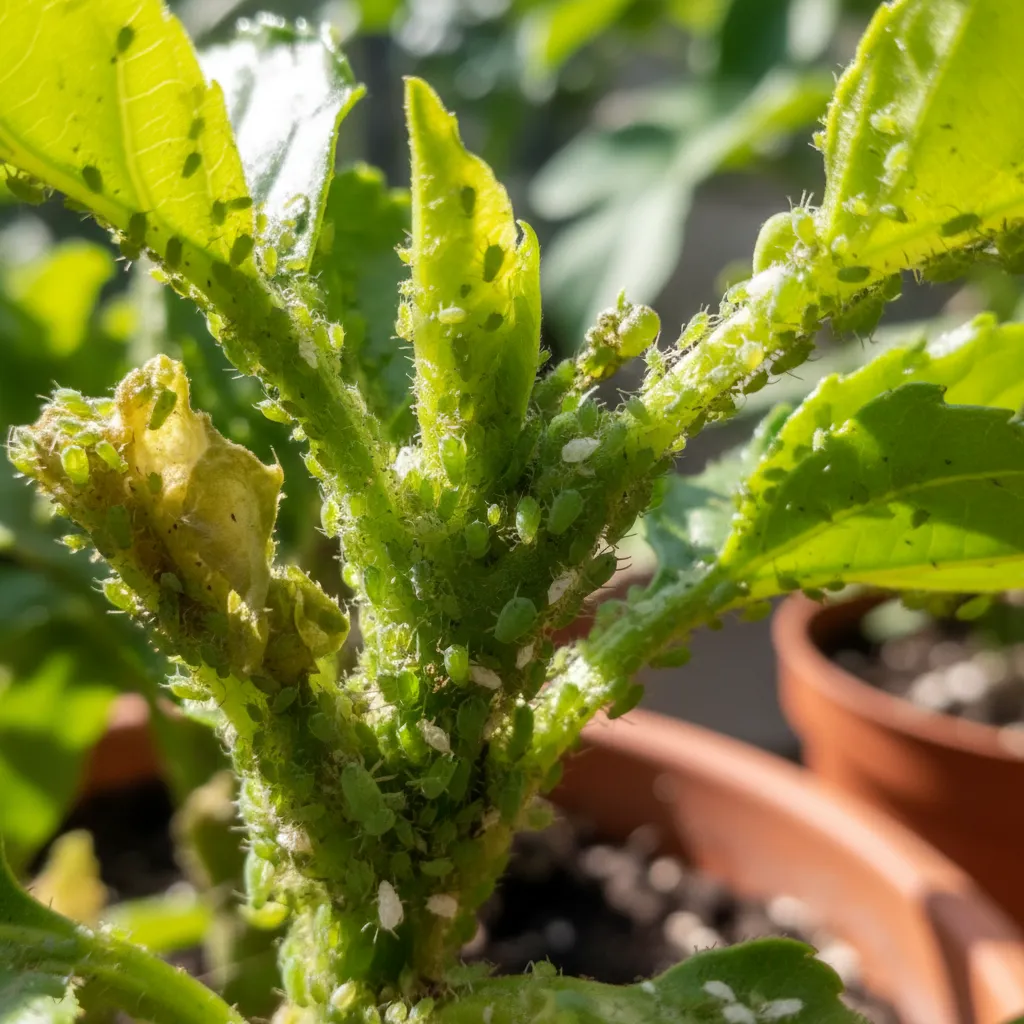
- ✓Pest and Disease Control — Vigilant monitoring for common citrus pests like aphids, scale insects, and diseases such as citrus canker or greening is crucial.
- ✓Fertilization — Benefits from balanced fertilization, particularly nitrogen, phosphorus, and potassium, applied according to soil tests and growth stages.
Reviewed by the Flora Medical Global Botanical Review Panel
Multi-disciplinary editorial group · Botany · Ethnobotany · Herbal-medicine literature
Who reviewed this: This page was checked by the Flora Medical Global Botanical Review Panel — an in-house editorial group of botany graduates, ethnobotany researchers, and horticulture practitioners who collectively maintain our 7,000+ plant encyclopedia. Meet the team.
Our 4-step verification process
1. Taxonomic verification
Scientific names and synonyms cross-checked against Kew POWO, World Flora Online, and The Plant List.
2. Phytochemical & medicinal cross-reference
Active compounds, traditional uses, and reported activities are cross-referenced with PubMed, USDA Dr. Duke's database, and peer-reviewed ethnobotanical literature.
3. Conservation & distribution check
Distribution, ecology, and conservation status confirmed against GBIF occurrence records and the IUCN Red List.
4. Editorial & safety review
Every entry passes an editorial pass for clarity, originality, and safety notices (toxicity, contraindications, dosage caveats) before publication.
Last reviewed:
Important medical disclaimer: This content is for educational and research purposes only. It is not medical advice and is not a substitute for consultation with a licensed healthcare provider. Do not use any herb to self-treat a medical condition without professional guidance.
Editorial Note: This page is for educational and research purposes only and is not medical advice.
Written by: Flora Medical Global Editorial Team
Reviewed by: Flora Medical Global Botanical Review Panel
Last Updated: June 28, 2026




Pomelo — Comments & Community Reviews
Rate this plant
No reviews yet. Be the first!