
Medical Disclaimer: This content is for educational purposes only. It is not medical advice. Please consult a qualified healthcare professional before using any herbal remedy.
Safety Overview
1.Pot Marigold — Essential Profile

Pot Marigold, scientifically known as Calendula officinalis L., is a vibrant herbaceous annual or short-lived perennial belonging to the extensive Asteraceae family. This resilient plant typically reaches heights of 30 to 60 cm, characterized by its striking, solitary, bright orange to yellow composite flowers. These capitula, approximately 5 to 10 cm in diameter, are composed of numerous petal-like ligules that radiate outwards, encircling a central disc of florets.
The leaves are simple, alternate, lanceolate to oblong, measuring 5 to 15 cm in length, and possess a distinctive hairy texture and often wavy margins. Its green, hairy stem supports a profusion of these cheerful flowering heads, which bloom prolifically from early spring through late autumn, making it a prominent feature in gardens and attracting a variety of pollinators.
Native to the Mediterranean region, extending from Macaronesia eastward to Iran, Calendula officinalis has been widely naturalized across temperate climates globally due to its adaptability and popularity. It thrives in well-drained soils and prefers full sun exposure, although it can tolerate partial shade. While generally hardy, the plant is sensitive to frost.
The genus name 'Calendula' is derived from the Latin word 'kalendae', meaning 'the first day of the month', a nod to its tendency to bloom at the start of most months. The common name 'Marigold' is often attributed to 'Mary's Gold', referencing its historical use in early Christian events. This species holds significant economic value, cultivated extensively for both its ornamental appeal and, more importantly, its long-recognized medicinal properties, primarily concentrated in its flowering tops.
Trusted Scientific References
Authoritative external sources for Calendula officinalis L.:
Pot Marigold should be interpreted through verified botanical identity, practical care, and responsible safety language. This recovery note adds the missing context needed for a complete profile: match light to the plant's habit, use well-drained soil, water according to season, and avoid unsupported medicinal or edible claims. For publishing, the plant can be presented as a source-backed medicinal plant with clear care guidance, common problem diagnosis, and conservative safety wording.
1.1.Pot Marigold — Highlights
- ✓Bright Orange — Yellow Flowers — Iconic, showy blooms that are the primary medicinal part.
- ✓Anti — inflammatory Powerhouse — Reduces swelling and irritation effectively.
- ✓Exceptional Wound Healer — Promotes tissue regeneration and epithelialization.
- ✓Antiseptic Qualities — Helps prevent infection in minor skin injuries.
- ✓Rich in Antioxidants — Protects cells from oxidative stress with carotenoids and flavonoids.
- ✓Versatile Topical Applications — Found in creams, ointments, oils, and compresses.
- ✓Traditional Digestive Aid — Used for centuries to soothe gastrointestinal discomfort.
- ✓Asteraceae Family Member — Shares characteristics with daisies and sunflowers.
- ✓Easy to Cultivate — Hardy and adaptable, thriving in temperate gardens.
- ✓Natural Skin Soother — Ideal for sensitive, irritated, or damaged skin.
1.2.Pot Marigold — In Brief
- ✓Pot Marigold (Calendula officinalis) is a versatile herb known for its bright flowers.
- ✓Primarily used for skin healing, anti-inflammatory, and antiseptic properties.
- ✓Effective for wounds, burns, eczema, and radiation dermatitis.
- ✓Contains beneficial flavonoids, triterpenes, and carotenoids.
- ✓Traditionally used for digestive issues and immune support.
- ✓Generally safe for topical use, with caution for internal consumption and allergies.
2.Pot Marigold — Scientific Identity
3.Pot Marigold — Categories & Tags
4.Pot Marigold — Physical Description
5.Pot Marigold — Traditional Uses
6.Pot Marigold — Key Phytochemicals
- ✓Flavonoids — Key compounds like quercetin, isorhamnetin, and kaempferol glycosides are responsible for much of Calendula’s antioxidant, anti-inflammatory, and antiviral activities.
- ✓Triterpene Saponins and Glycosides — Oleanane-type triterpene glycosides, such as calendulosides and faradiol esters, are major contributors to the plant’s potent anti-inflammatory and wound-healing effects.
- ✓Carotenoids — Beta-carotene, lutein, zeaxanthin, and lycopene are pigments that give the flowers their characteristic color and provide significant antioxidant protection, supporting skin and eye health.
- ✓Sesquiterpene Glucosides — These compounds contribute to the plant’s complex pharmacological profile, with some exhibiting anti-inflammatory and cytotoxic potential.
- ✓Phenolic Acids — Caffeic acid, p-coumaric acid, and ferulic acid are present, enhancing the plant’s antioxidant capacity and potentially contributing to its antimicrobial effects.
- ✓Volatile Oils — Although in smaller quantities, components like alpha-cadinol and gamma-cadinene contribute to the plant’s aroma and may possess mild antimicrobial or insecticidal properties.
- ✓Polysaccharides — Water-soluble polysaccharides from Calendula have demonstrated immunostimulatory activity, enhancing the body’s immune response.
- ✓Sterols — Compounds like beta-sitosterol are present, which may contribute to anti-inflammatory and cholesterol-lowering effects.
- ✓Mucilage — Provides a soothing, demulcent effect, particularly beneficial for irritated mucous membranes, both internally and externally.
7.Pot Marigold — Evidence-Based Benefits
- ✓Wound Healing Promotion — Calendula officinalis is renowned for its ability to accelerate wound healing by promoting granulation tissue formation and enhancing epithelialization, which helps close and repair skin lesions.
- ✓Anti-inflammatory Action — The plant’s triterpenoids and flavonoids contribute to significant anti-inflammatory effects, making it effective in reducing swelling and soothing irritated tissues.
- ✓Antiseptic and Antimicrobial Properties — Extracts possess antiseptic qualities, helping to prevent infection in minor cuts, abrasions, and skin irritations by inhibiting microbial growth.
- ✓Radiation Dermatitis Treatment — Clinical studies indicate that topical application of Calendula preparations can significantly reduce the incidence and severity of radiation-induced dermatitis, offering relief to patients undergoing radiotherapy.
- ✓Skin Soothing for Eczema and Rashes — Its emollient and anti-inflammatory compounds provide relief for various skin conditions, including eczema, rashes, and minor burns, calming irritation and redness.
- ✓Digestive Health Support — Traditionally, Pot Marigold has been used to alleviate abdominal cramps and constipation, suggesting a mild antispasmodic and laxative effect on the gastrointestinal tract.
- ✓Immune System Modulation — Certain constituents may help support the immune system, contributing to the body’s natural defense mechanisms against pathogens and stress.
- ✓Antioxidant Protection — Flavonoids and carotenoids present in Calendula flowers act as potent antioxidants, neutralizing free radicals and protecting cells from oxidative damage.
- ✓Antiviral Activity — Research suggests that Calendula extracts may exhibit antiviral properties, potentially aiding the body in combating certain viral infections.
- ✓Oral Mucositis Relief — Due to its anti-inflammatory and healing properties, Calendula mouthwashes have been explored for reducing pain and inflammation associated with oral mucositis.
7.1.Pot Marigold — Indications & Uses
8.Pot Marigold — Safety Considerations
8.1.Pot Marigold — Warnings
- ✓Allergic Reactions — Individuals sensitive to plants in the Asteraceae family (e.g., ragweed, chamomile) may experience allergic contact dermatitis or other hypersensitivity reactions.
- ✓Skin Irritation — In rare cases, topical application may cause mild skin irritation, redness, or itching, especially in highly sensitive individuals.
- ✓Photosensitivity — While uncommon, some people may experience increased skin sensitivity to sunlight when using Calendula, particularly with internal use.
- ✓Drowsiness — High internal doses, though rare in typical herbal use, might theoretically cause mild sedative effects due to certain constituents.
- ✓Gastrointestinal Upset — Very high oral doses could potentially lead to mild digestive discomfort, although generally well-tolerated.
- ✓Drug Interactions — May theoretically interact with sedative medications or blood thinners, though clinical evidence is limited. Consult a healthcare provider if on prescription drugs.
- ✓Pregnancy and Breastfeeding — Lack of sufficient safety data advises caution or avoidance during pregnancy and breastfeeding, as it may stimulate uterine contractions.
8.2.Pot Marigold — Risk Assessment
- ✓Allergy Precaution — Avoid use if allergic to plants in the Asteraceae family to prevent cross-reactivity and allergic reactions.
- ✓Pregnancy and Lactation — Not recommended during pregnancy as it may possess emmenagogue properties; consult a healthcare professional before use while breastfeeding.
- ✓Surgical Procedures — Discontinue use at least two weeks before scheduled surgery due to potential interactions with anesthesia or blood coagulation.
- ✓Internal Use Caution — While generally safe, internal use should be approached with caution and under professional guidance, especially for chronic conditions.
- ✓Topical Use — Generally considered safe for topical application on intact or broken skin, but perform a patch test first on a small area.
- ✓Children — Topical use for children is generally safe; however, internal use should be supervised by a qualified healthcare practitioner.
- ✓Quality Sourcing — Ensure Calendula products are sourced from reputable suppliers to guarantee purity and potency, free from contaminants.
9.Pot Marigold — Preparation Methods
- ✓Topical Infused Oil — Fresh or dried Calendula flowers are steeped in a carrier oil (e.g., olive, almond) for several weeks to extract medicinal compounds, used for massage or as a base for salves.
- ✓Herbal Tea/Infusion — Dried flowers are steeped in hot water to create a tea, traditionally consumed for digestive issues or as a general tonic. Use 1-2 teaspoons per cup.
- ✓Tincture — Fresh or dried flowers are macerated in alcohol and water, creating a concentrated extract suitable for internal use (diluted) or topical application.
- ✓Salves and Ointments — Infused oil is combined with beeswax and other ingredients to create a solid topical preparation for skin healing, eczema, and minor burns.
- ✓Compresses and Poultices — A strong infusion or crushed fresh flowers can be applied directly to the skin as a compress or poultice for localized inflammation or minor wounds.
- ✓Glycerite — For alcohol-sensitive individuals, flowers can be extracted in vegetable glycerin, offering a sweet-tasting preparation suitable for children.
- ✓Mouthwash/Gargle — A diluted tea or tincture can be used as a gargle for oral inflammation, gum issues, or sore throats.
10.Pot Marigold — Cultivation & Care
- ✓Soil Preparation — Pot Marigold thrives in well-drained, moderately fertile soil; sandy loam enriched with organic matter is ideal.
- ✓Sunlight Requirements — Prefers full sun exposure for optimal flowering, though it can tolerate partial shade, which may extend bloom time in hot climates.
- ✓Planting — Seeds can be directly sown in spring after the last frost or started indoors 6-8 weeks prior to transplanting. Space plants 15-30 cm apart.
- ✓Watering — Requires consistent moisture, especially during dry periods, but avoid overwatering to prevent root rot. Established plants are relatively drought-tolerant.
- ✓Fertilization — Generally not a heavy feeder; a balanced, all-purpose fertilizer can be applied sparingly if soil fertility is low. Over-fertilization can reduce flowering.
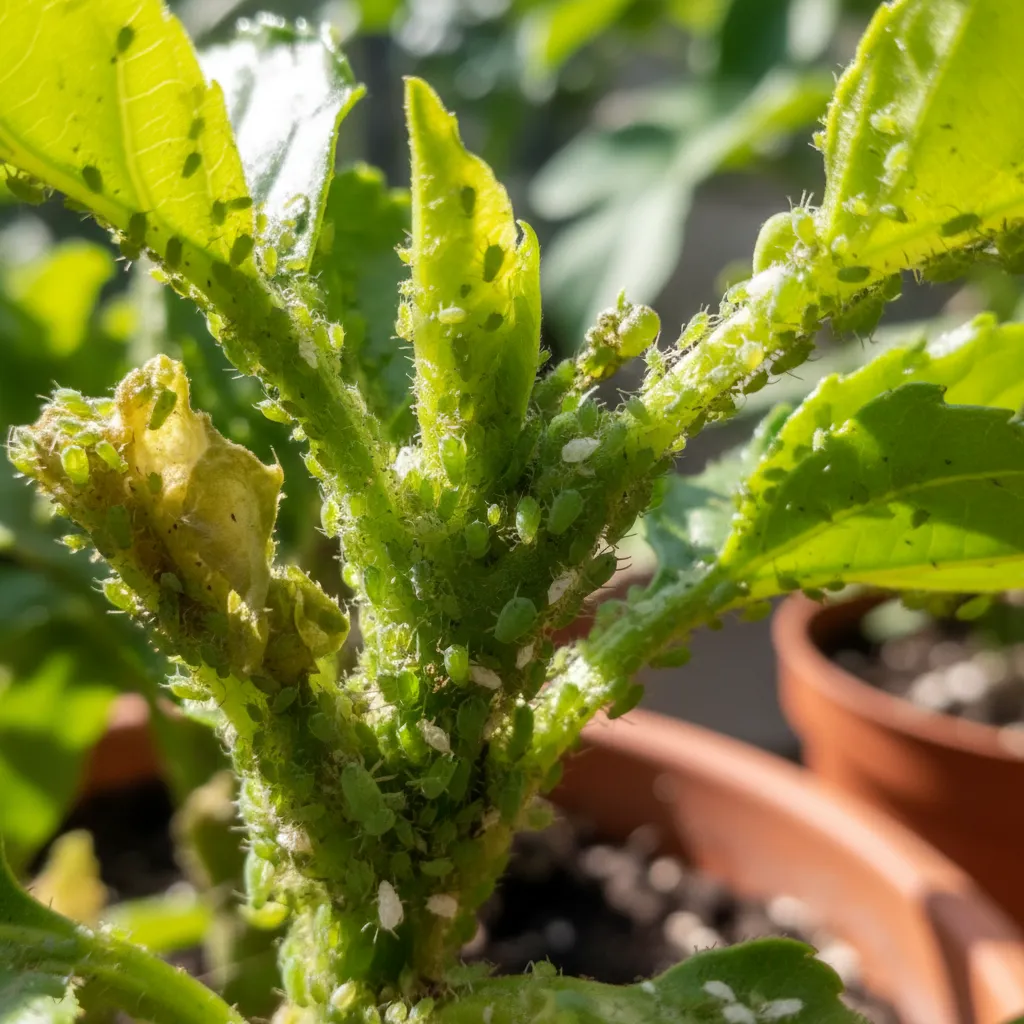
- ✓Pest and Disease Management — Relatively pest-free, but watch for aphids and powdery mildew. Good air circulation and proper spacing help prevent fungal issues.
- ✓Harvesting — Flowers are best harvested when fully open, typically in the morning after dew has dried. Regular deadheading encourages continuous blooming.
- ✓Propagation — Primarily propagated by seed, which germinates readily. Can also self-seed in favorable conditions.
Reviewed by the Flora Medical Global Botanical Review Panel
Multi-disciplinary editorial group · Botany · Ethnobotany · Herbal-medicine literature
Who reviewed this: This page was checked by the Flora Medical Global Botanical Review Panel — an in-house editorial group of botany graduates, ethnobotany researchers, and horticulture practitioners who collectively maintain our 7,000+ plant encyclopedia. Meet the team.
Our 4-step verification process
1. Taxonomic verification
Scientific names and synonyms cross-checked against Kew POWO, World Flora Online, and The Plant List.
2. Phytochemical & medicinal cross-reference
Active compounds, traditional uses, and reported activities are cross-referenced with PubMed, USDA Dr. Duke's database, and peer-reviewed ethnobotanical literature.
3. Conservation & distribution check
Distribution, ecology, and conservation status confirmed against GBIF occurrence records and the IUCN Red List.
4. Editorial & safety review
Every entry passes an editorial pass for clarity, originality, and safety notices (toxicity, contraindications, dosage caveats) before publication.
Last reviewed:
Important medical disclaimer: This content is for educational and research purposes only. It is not medical advice and is not a substitute for consultation with a licensed healthcare provider. Do not use any herb to self-treat a medical condition without professional guidance.
Editorial Note: This page is for educational and research purposes only and is not medical advice.
Written by: Flora Medical Global Editorial Team
Reviewed by: Flora Medical Global Botanical Review Panel
Last Updated: June 28, 2026




Pot Marigold — Comments & Community Reviews
Rate this plant
No reviews yet. Be the first!