
Medical Disclaimer: This content is for educational purposes only. It is not medical advice. Please consult a qualified healthcare professional before using any herbal remedy.
Safety Overview
1.Propolis Plant — Botanical Snapshot
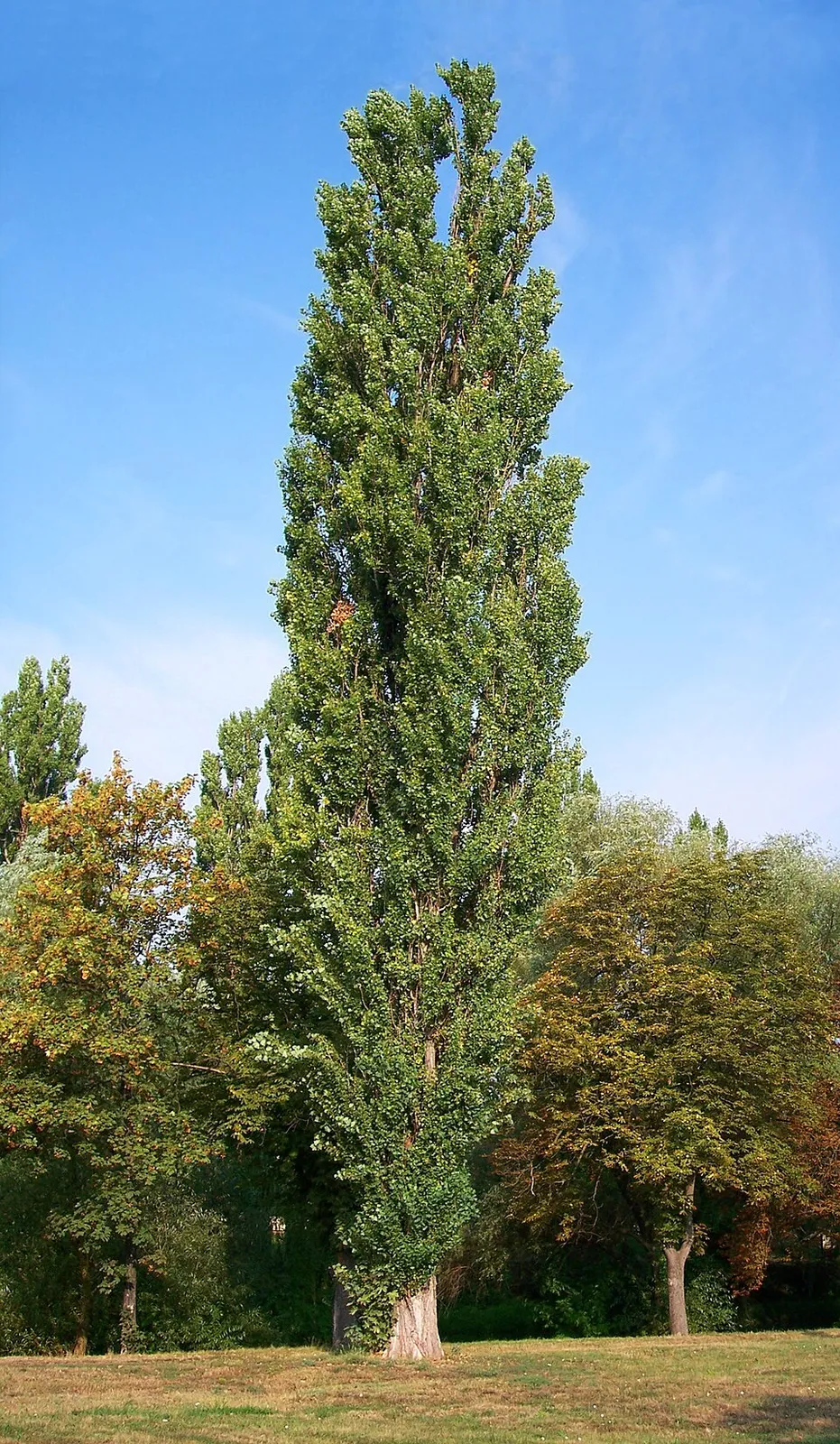
Populus nigra, commonly known as Black Poplar or sometimes referred to as 'Propolis Plant' due to its significance as a primary source for bee propolis, is a majestic deciduous tree belonging to the Salicaceae family. Native across much of Europe, Western Asia, and North Africa, it thrives particularly in riparian zones, floodplains, and other moist, well-drained soils. This fast-growing species can reach impressive heights of 20-30 meters, characterized by its deeply furrowed, dark gray-brown bark that often develops gnarled burrs with age.
Its leaves are diamond-shaped to triangular-ovate, bright green on both sides, with finely serrated margins and a distinctive flattened petiole that causes them to flutter in the slightest breeze. In early spring, before the leaves emerge, the Black Poplar produces long, drooping catkins—reddish male catkins and greenish female catkins—from its prominent, sticky, resinous buds. These resinous buds are the key botanical feature that honey bees collect to create propolis, a substance vital for hive defense and health.
The plant's robust root system helps stabilize riverbanks, making it an ecologically important species. Its taxonomic classification places it within the Populus genus, which includes other fast-growing trees known for their medicinal properties.
Trusted Scientific References
1. Authoritative external sources for Populus nigra
1.1 Wikipedia — Populus nigra
1.2 Kew POWO (Plants of the World Online)
1.3 PubMed — peer-reviewed research
1.4 NCBI Taxonomy Browser
1.5 GBIF — Global Biodiversity
1.6Propolis Plant should be interpreted through verified botanical identity, practical care, and responsible safety language. This recovery note adds the missing context needed for a complete profile: match light to the plant's habit, use well-drained soil, water according to season, and avoid unsupported medicinal or edible claims. For publishing, the plant can be presented as a source-backed medicinal plant with clear care guidance, common problem diagnosis, and conservative safety wording.
1.1.Propolis Plant — Distinguishing Points
- ✓Native to the — Native to the Northern Hemisphere, thriving in riparian environments.
- ✓Member of the — Member of the Salicaceae family, sharing properties with willow.
- ✓Characterized by distinctive — Characterized by distinctive sticky, resinous buds.
- ✓Rich in anti — inflammatory salicylates and antioxidant flavonoids.
- ✓Possesses potent analgesic, — Possesses potent analgesic, antimicrobial, and astringent actions.
- ✓Historically valued in — Historically valued in Western herbalism for pain, fever, and respiratory issues.
- ✓A crucial botanical — A crucial botanical source for the production of bee propolis.
- ✓Fast — growing and ecologically significant tree species.
- ✓Versatile in traditional — Versatile in traditional applications, from tinctures to topical salves.
- ✓Offers natural support — Offers natural support for immune health and inflammation management.
1.2.Propolis Plant — Concise Overview
- ✓Black Poplar (Populus nigra) is a valuable medicinal tree in the Salicaceae family.
- ✓Renowned for its anti-inflammatory, analgesic, and antimicrobial properties.
- ✓Rich in salicin, flavonoids, and phenolic acids, particularly in its resinous buds.
- ✓Traditionally used for pain, fever, rheumatism, and wound healing.
- ✓A primary botanical source for the resin collected by bees to produce propolis.
- ✓Requires careful consideration due to its salicylate content and potential interactions.
2.Propolis Plant — Nomenclature & Classification
3.Propolis Plant — Fact Sheet
4.Propolis Plant — Physical Description
5.Propolis Plant — Origin & Spread
6.Propolis Plant — Traditional Uses
7.Propolis Plant — Phytochemistry
- ✓Salicin Derivatives — Including salicin and populin, these are key active compounds primarily found in the bark and buds, responsible for the plant's notable anti-inflammatory and analgesic effects.
- ✓Flavonoids — Such as chrysin, galangin, pinocembrin, quercetin, and kaempferol, highly concentrated in the buds, contribute to the plant's antioxidant, anti-inflammatory, and antimicrobial activities.
- ✓Phenolic Acids — Caffeic acid, p-coumaric acid, and ferulic acid are present, offering significant antioxidant and antimicrobial properties, and are crucial components collected by bees for propolis.
- ✓Volatile Oils — Essential oils derived from the buds contain monoterpenes and sesquiterpenes, which impart aromatic qualities and contribute to the plant's antiseptic and expectorant actions.
- ✓Resins — The sticky exudate on the buds is rich in resinous compounds, which serve as a protective barrier for the plant and are the primary raw material for bee propolis.
- ✓Tannins — Found in the bark and leaves, these compounds provide astringent properties, useful in wound healing and reducing inflammation.
- ✓Waxes — Present on the buds and leaves, waxes offer a protective layer and contribute to the physical properties of the plant material.
- ✓Benzyl Esters — Various benzyl esters, including caffeic acid phenethyl ester (CAPE), are found in the resin, recognized for their potent anti-inflammatory and potential anticarcinogenic activities.
- ✓Lignans — These plant compounds offer additional antioxidant and phytoestrogenic properties, contributing to the overall health benefits of Black Poplar.
8.Propolis Plant — Evidence-Based Benefits
- ✓Anti-inflammatory Action — Populus nigra extracts, particularly from the bark and buds, contain salicin and flavonoids that help reduce inflammation by inhibiting prostaglandin synthesis.
- ✓Analgesic Properties — The salicin content in Black Poplar converts to salicylic acid in the body, offering natural pain relief similar to aspirin for headaches, muscular aches, and rheumatic conditions.
- ✓Antimicrobial Effects — Bud exudates are rich in phenolic acids and flavonoids, demonstrating inhibitory activity against various bacteria, fungi, and viruses, contributing to its traditional use in infections.
- ✓Wound Healing Support — Traditional applications often involve topical preparations of Populus nigra buds or bark, which utilize its antiseptic, anti-inflammatory, and astringent properties to aid in minor wound and burn recovery.
- ✓Respiratory Health — Historically used in decoctions for coughs, bronchitis, and other upper respiratory tract infections due to its expectorant and anti-inflammatory effects on mucous membranes.
- ✓Rheumatic Pain Relief — Its potent anti-inflammatory compounds make Black Poplar a valuable herbal remedy for alleviating symptoms of arthritis, gout, and general joint pain.
- ✓Diuretic Properties — Traditional medicine employs Black Poplar to support urinary tract health, acting as a mild diuretic to help flush toxins and reduce fluid retention.
- ✓Antioxidant Protection — The abundance of flavonoids and phenolic compounds provides significant antioxidant activity, protecting cells from oxidative stress and supporting overall cellular health.
- ✓Skin Soothing — Topical preparations can calm irritated skin, reduce redness, and provide relief from conditions like eczema and minor dermatological inflammation.
- ✓Digestive Comfort — While less common, some traditional uses suggest a role in soothing minor digestive discomfort due to its mild astringent and anti-inflammatory actions.
8.1.Propolis Plant — Reported Uses
9.Propolis Plant — Cautions & Contraindications
9.1.Propolis Plant — Possible Adverse Reactions
- ✓Allergic Reactions — Individuals sensitive to salicylates (e.g., aspirin) or propolis may experience allergic reactions, including skin rashes, hives, or respiratory distress.
- ✓Gastrointestinal Upset — High doses taken internally can lead to stomach irritation, nausea, or indigestion due to the salicylate content.
- ✓Skin Irritation — Topical application may cause contact dermatitis or irritation in sensitive individuals, especially with prolonged use or high concentrations.
- ✓Increased Bleeding Risk — Due to its salicylate content, Black Poplar may have antiplatelet effects, potentially increasing the risk of bleeding, especially when combined with anticoagulant medications.
- ✓Asthma Exacerbation — People with aspirin-induced asthma should avoid Populus nigra due to the risk of triggering bronchospasm.
- ✓Reye's Syndrome — As with aspirin, salicylate-containing herbs should not be given to children or adolescents recovering from viral infections (like flu or chickenpox) due to the risk of Reye's syndrome.
- ✓Kidney Issues — Prolonged high-dose use might theoretically impact kidney function in susceptible individuals, although this is less documented for herbal forms.
9.2.Propolis Plant — Clinical Safety Notes
- ✓Salicylate Sensitivity — Contraindicated in individuals with known allergy or hypersensitivity to salicylates, aspirin, or other NSAIDs.
- ✓Children and Adolescents — Avoid use in children and adolescents, particularly during or after viral infections, due to the risk of Reye's syndrome.
- ✓Pregnancy and Lactation — Pregnant or breastfeeding women should consult a healthcare professional before use, as safety data is limited and salicylates are generally avoided.
- ✓Anticoagulant Medications — Use with caution and under medical supervision if taking blood-thinning medications (e.g., warfarin) due to potential increased bleeding risk.
- ✓Asthma and Gastric Ulcers — Individuals with asthma or a history of gastric ulcers should exercise caution, as salicylates can exacerbate these conditions.
- ✓Topical Patch Test — Always perform a patch test on a small skin area before widespread topical application to check for allergic reactions.
- ✓Medical Consultation — Advise consulting a qualified herbalist or healthcare provider for appropriate dosage and to assess potential interactions with existing medications or health conditions.
10.Propolis Plant — Preparations & Uses
- ✓Decoction — Prepare a strong tea by simmering dried bark or buds in water for 10-15 minutes; used internally for pain and inflammation or externally as a wash.
- ✓Tincture — Macerate fresh or dried buds or bark in alcohol (e.g., 40-60% ethanol) for several weeks, then strain; taken internally in drops.
- ✓Ointment or Salve — Infuse buds or resin in a carrier oil (e.g., olive oil), then combine with beeswax to create a topical balm for wounds, burns, and skin irritations.
- ✓Compress — Soak a cloth in a warm decoction or diluted tincture and apply topically to swollen joints, bruises, or sore muscles for localized relief.
- ✓Infusion — Steep dried leaves or young buds in hot water for 5-10 minutes to make a milder tea, often used for respiratory complaints.
- ✓Poultice — Crush fresh leaves or buds and apply directly to affected skin areas for their anti-inflammatory and antiseptic properties.
- ✓Capsules/Tablets — Standardized extracts of Populus nigra are available in encapsulated form for convenient internal administration, ensuring consistent dosage.
- ✓Bath Additive — Add a strong decoction of bark or buds to bathwater to help soothe widespread skin irritations or muscle aches.
11.Propolis Plant — Cultivation & Care
- ✓Site Selection — Prefers full sun exposure and can tolerate partial shade, but thrives in open, sunny locations.
- ✓Soil Requirements — Grows best in deep, moist, well-drained, fertile soils, often found in riparian zones; adaptable to a range of soil pH from slightly acidic to alkaline.
- ✓Water Availability — Requires abundant water, especially during establishment; naturally suited to areas with consistent moisture.
- ✓Propagation — Easily propagated from hardwood cuttings taken in late autumn or early spring; also grows from seed, though less common for cultivation.
- ✓Planting — Space young trees adequately due to their fast growth and large mature size; ensure good root development for stability.
- ✓Pruning — Minimal pruning required, mainly to remove dead, damaged, or crossing branches; can be coppiced for sustained bud or branch production.
- ✓Pest and Disease Management — Monitor for common poplar issues like rust, canker, and various insect pests; ensure good air circulation to mitigate fungal diseases.
- ✓Harvesting — Buds are typically harvested in late winter to early spring before they fully open, while bark can be collected from young branches or coppiced stems.
Reviewed by the Flora Medical Global Botanical Review Panel
Multi-disciplinary editorial group · Botany · Ethnobotany · Herbal-medicine literature
Who reviewed this: This page was checked by the Flora Medical Global Botanical Review Panel — an in-house editorial group of botany graduates, ethnobotany researchers, and horticulture practitioners who collectively maintain our 7,000+ plant encyclopedia. Meet the team.
Our 4-step verification process
1. Taxonomic verification
Scientific names and synonyms cross-checked against Kew POWO, World Flora Online, and The Plant List.
2. Phytochemical & medicinal cross-reference
Active compounds, traditional uses, and reported activities are cross-referenced with PubMed, USDA Dr. Duke's database, and peer-reviewed ethnobotanical literature.
3. Conservation & distribution check
Distribution, ecology, and conservation status confirmed against GBIF occurrence records and the IUCN Red List.
4. Editorial & safety review
Every entry passes an editorial pass for clarity, originality, and safety notices (toxicity, contraindications, dosage caveats) before publication.
Last reviewed:
Important medical disclaimer: This content is for educational and research purposes only. It is not medical advice and is not a substitute for consultation with a licensed healthcare provider. Do not use any herb to self-treat a medical condition without professional guidance.
Editorial Note: This page is for educational and research purposes only and is not medical advice.
Written by: Flora Medical Global Editorial Team
Reviewed by: Flora Medical Global Botanical Review Panel
Last Updated: June 16, 2026






Propolis Plant — Comments & Community Reviews
Rate this plant