
Medical Disclaimer: This content is for educational purposes only. It is not medical advice. Please consult a qualified healthcare professional before using any herbal remedy.
Safety Overview
1.Rasna — Introduction & Highlights
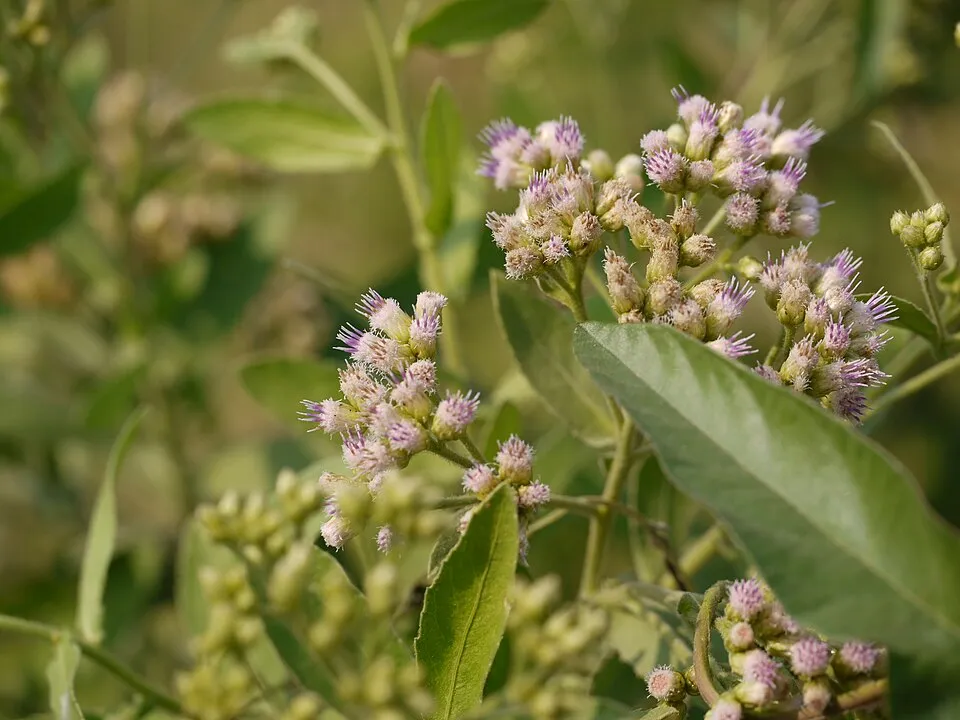
Rasna, known scientifically as Pluchea lanceolata, is a robust perennial herb belonging to the diverse Asteraceae family, often forming dense bushes that can reach heights of up to 1.5 meters. Its distinctive lanceolate leaves are glossy, elongated, and typically measure between 6 to 12 cm in length, featuring a subtly serrated margin and an alternate arrangement along the stem. The plant produces small, daisy-like flowering heads, usually clustered at the top, displaying tiny yellow florets that create a vibrant spectacle during its blooming season.
The stems are initially herbaceous but develop a slightly rougher texture as they mature. Native to the tropical belts of Asia and Africa, Pluchea lanceolata thrives in specific ecological niches, primarily wetland areas and along riverbanks, demonstrating adaptability to both full sun and partial shade conditions. In India, it is notably found and cultivated across the plains of Ganga and in the North-Western regions, including Punjab, Gujarat, and Rajasthan.
Its resilience and widespread distribution underscore its ecological significance and traditional prominence. Phytochemically, the plant is recognized for its rich composition of compounds such as flavonoids, tannins, and essential oils, which are believed to underpin its broad spectrum of medicinal properties.
Trusted Scientific References
1. Authoritative external sources for Pluchea lanceolata
1.1 Wikipedia — Pluchea lanceolata
1.2 Kew POWO (Plants of the World Online)
1.3 PubMed — peer-reviewed research
1.4 NCBI Taxonomy Browser
1.5 GBIF — Global Biodiversity
1.6Rasna should be interpreted through verified botanical identity, practical care, and responsible safety language. This recovery note adds the missing context needed for a complete profile: match light to the plant's habit, use well-drained soil, water according to season, and avoid unsupported medicinal or edible claims. For publishing, the plant can be presented as a source-backed medicinal plant with clear care guidance, common problem diagnosis, and conservative safety wording.
1.1.Rasna — Key Features
- ✓Botanical Name — Pluchea lanceolata.
- ✓Plant Family — Asteraceae (Daisy Family).
- ✓Primary Traditional Use — Anti-rheumatic and anti-inflammatory.
- ✓Key Phytochemicals — Flavonoids, Terpenoids, Sterols.
- ✓Traditional Systems — Ayurveda, Traditional Chinese Medicine (TCM).
- ✓Plant Parts Used — Leaves and Rhizomes.
- ✓Ayurvedic Properties — Tikta Rasa (Bitter taste), Guru Guna (Heavy quality), Ushna Veerya (Hot potency), Kaphavata Shamaka (Balances Kapha and Vata doshas).
- ✓Habitat — Tropical wetlands and riverbanks of Asia and Africa.
- ✓Common Names — Rasna, Rayasan, Vayusurai.
- ✓Growth Habit — Perennial herb forming dense bushes up to 1.5 meters tall.
1.2.Rasna — At-a-Glance Summary
- ✓Potent Ayurvedic herb for joint health and pain relief.
- ✓Known for anti-inflammatory and analgesic properties.
- ✓Supports respiratory and digestive system functions.
- ✓Rich in beneficial phytochemicals like flavonoids and terpenoids.
- ✓Traditionally used for arthritis, cough, fever, and detoxification.
- ✓Generally safe when used appropriately, but professional guidance is advised.
2.Rasna — Systematic Position
3.Rasna — Quick Facts
4.Rasna — Structural Profile
5.Rasna — Geographic Distribution
6.Rasna — Ethnobotanical Uses
7.Rasna — Active Compounds
- ✓Flavonoids — These powerful antioxidants, including compounds like quercetin, contribute significantly to Rasna's anti-inflammatory and free-radical scavenging activities.
- ✓Terpenoids — Key terpenoid compounds such as moretenol and neolupenol are present, known for their anti-inflammatory and analgesic effects, which are crucial for joint pain relief.
- ✓Tannins — Found in the plant, tannins contribute to its astringent properties, which can be beneficial in wound healing and reducing inflammation.
- ✓Essential Oils — These volatile compounds impart the plant's characteristic aroma and contribute to its antiseptic and antimicrobial actions.
- ✓Sterols — Beta-sitosterol and stigmasterol are prominent phytosterols identified, recognized for their anti-inflammatory and cholesterol-lowering potential.
- ✓Fatty Acids — Hexacosanoic acid and tetracosanoic acid are present in the stem and leaves, contributing to the plant's overall lipid profile and potential therapeutic effects.
- ✓Alcohols — Triacontanol, a long-chain fatty alcohol, is found in Rasna, known for its plant growth-promoting activity and potential antioxidant properties.
- ✓Glycosides — The presence of compounds like beta-sitosterol-D-glucoside suggests additional bioactive components that contribute to its medicinal efficacy, particularly in modulating immune responses.
8.Rasna — Research Insights
- ✓Joint Pain and Inflammation Relief — Rasna is highly esteemed in Ayurveda for its potent anti-rheumatic properties, effectively alleviating joint pain, swelling, and stiffness associated with conditions like arthritis and gout by modulating inflammatory pathways.
- ✓Respiratory Health Support — Traditionally used to manage coughs and asthma, Pluchea lanceolata acts as an expectorant, helping to clear phlegm and soothe respiratory passages, thereby improving breathing comfort.
- ✓Digestive Aid and Detoxification — In both Ayurvedic and Traditional Chinese Medicine (TCM), Rasna is utilized to calm digestive disturbances, promote healthy digestion, and support the body's natural detoxification processes by reducing 'Ama' (toxins).
- ✓Fever Reduction — Decoctions made from Rasna leaves and rhizomes have been historically employed to reduce fever, particularly those arising from indigestion, by promoting diaphoresis and balancing internal heat.
- ✓Analgesic Properties — The plant possesses natural pain-relieving qualities, making it a valuable remedy for various types of pain, including abdominal colic, body aches, and general debility.
- ✓Blood Purification — Regular consumption of Rasna decoction is believed to act as a blood purifier, enhancing overall circulatory health and reducing the impact of toxins in the bloodstream.
- ✓Antiseptic and Wound Healing — Essential oils and pastes derived from Rasna are applied topically for their antiseptic effects, aiding in the treatment of minor wounds, infections, and reducing inflammation.
- ✓Anti-aging (Vayasthapana) — Classified as a 'Vayasthapana' herb in Ayurveda, it is traditionally thought to promote longevity and combat the effects of aging, contributing to overall vitality and strength.
- ✓Muscle Relaxant — Its application as a paste can help relax stiff muscles and alleviate cramps, particularly in the back, thighs, and other areas affected by Vata imbalances.
- ✓Anti-cancer Potential — Preliminary research indicates that Pluchea lanceolata contains anti-proliferative agents, suggesting a potential role in anti-cancer drug development, though more studies are needed.
8.1.Rasna — Therapeutic Indications
9.Rasna — Precautions & Warnings
9.1.Rasna — Caution Notes
- ✓Allergic Reactions — Individuals sensitive to the Asteraceae family may experience allergic skin reactions or respiratory symptoms.
- ✓Gastrointestinal Upset — High doses may potentially lead to mild digestive discomfort, such as nausea or stomach upset.
- ✓Drug Interactions — Rasna may interact with certain medications, including blood thinners, immunosuppressants, or diabetes medications; consult a healthcare provider.
- ✓Pregnancy and Lactation — Due to insufficient safety data, use is generally not recommended for pregnant or breastfeeding women.
- ✓Children — Caution is advised for use in children, and it should only be administered under professional guidance.
- ✓Hot Potency — As it has 'Ushna Veerya' (hot potency), individuals with excessive Pitta dosha may experience increased body heat or discomfort if used in large quantities.
- ✓Overdosage Effects — Excessive intake may potentially exacerbate existing conditions or lead to unforeseen adverse effects.
9.2.Rasna — Safety Overview
- ✓Professional Consultation — Always consult a qualified healthcare practitioner before starting any new herbal regimen, especially for chronic conditions or concurrent medications.
- ✓Dosage Adherence — Strictly follow recommended dosages to minimize the risk of adverse effects and ensure therapeutic efficacy.
- ✓Allergic Sensitivity — Perform a patch test for topical applications and monitor for any signs of allergic reactions, particularly for individuals with known plant allergies.
- ✓Pregnancy and Breastfeeding — Avoid use during pregnancy and lactation unless specifically advised and supervised by a healthcare professional due to limited safety data.
- ✓Quality Sourcing — Ensure the use of high-quality, unadulterated Rasna from reputable sources to prevent contamination and ensure product efficacy.
- ✓Underlying Health Conditions — Individuals with pre-existing medical conditions, especially liver or kidney issues, should exercise caution and seek medical advice.
- ✓Monitor for Interactions — Be aware of potential interactions with prescription medications and other supplements; report any unusual symptoms to your doctor.
10.Rasna — Application Forms
- ✓Decoction (Kwath) — A common preparation involves boiling Rasna leaves or rhizomes in water to extract active compounds, often used for joint pain, respiratory issues, and fever.
- ✓Powder (Churna) — Dried leaves and rhizomes are ground into a fine powder, which can be consumed with warm water or honey for internal benefits, such as digestion and general debility.
- ✓Topical Paste — A paste made from fresh or powdered Rasna, mixed with water or oil, is applied externally to relieve localized pain, swelling, and to provide warmth in cold climates.
- ✓Cold Infusion (Hima) — Soaking Rasna plant material in cold water overnight yields a cold infusion, traditionally used for milder digestive issues or as a blood purifier.
- ✓Medicated Oils — Rasna is often infused into carrier oils like sesame oil, creating medicated oils (Taila) for external massage to alleviate joint and muscle pain.
- ✓Ayurvedic Formulations — It is a key ingredient in numerous polyherbal Ayurvedic medicines such as Rasnadi Kashaya, Maharasnadi Kashaya, and Rasnadi Guggulu, targeting specific conditions like arthritis and neurological pain.
- ✓Essential Oil Extraction — While less common for home use, essential oils can be extracted from the plant for their concentrated antiseptic and anti-inflammatory properties, used in aromatherapy or dilute topical applications.
- ✓Herbal Tea — Dried leaves can be brewed as a herbal tea, offering a gentle way to consume its beneficial compounds for general wellness.
11.Rasna — Growing Guide
- ✓Propagation — Rasna can be propagated through seeds or stem cuttings, with cuttings often yielding faster establishment.
- ✓Soil Requirements — It thrives in well-drained, fertile soil rich in organic matter, ideally with a slightly acidic to neutral pH.
- ✓Light Conditions — The plant prefers full sun to partial shade, demonstrating robust growth in areas with ample sunlight, reflecting its tropical origins.
- ✓Watering — Consistent moisture is crucial, especially during dry periods; it naturally flourishes in wetlands and riverine environments, indicating a need for regular watering.
- ✓Climate — Best suited for warm, tropical, and subtropical climates, as it is sensitive to frost and extreme cold.
- ✓Fertilization — Moderate fertilization with organic compost can enhance growth and phytochemical production, particularly during the growing season.
- ✓Pest and Disease Management — Generally resilient, but good air circulation and proper drainage help prevent fungal issues; inspect regularly for common garden pests.
- ✓Harvesting — Leaves can be harvested as needed, while rhizomes are typically collected when the plant is mature, ensuring sustainable harvesting practices.
Reviewed by the Flora Medical Global Botanical Review Panel
Multi-disciplinary editorial group · Botany · Ethnobotany · Herbal-medicine literature
Who reviewed this: This page was checked by the Flora Medical Global Botanical Review Panel — an in-house editorial group of botany graduates, ethnobotany researchers, and horticulture practitioners who collectively maintain our 7,000+ plant encyclopedia. Meet the team.
Our 4-step verification process
1. Taxonomic verification
Scientific names and synonyms cross-checked against Kew POWO, World Flora Online, and The Plant List.
2. Phytochemical & medicinal cross-reference
Active compounds, traditional uses, and reported activities are cross-referenced with PubMed, USDA Dr. Duke's database, and peer-reviewed ethnobotanical literature.
3. Conservation & distribution check
Distribution, ecology, and conservation status confirmed against GBIF occurrence records and the IUCN Red List.
4. Editorial & safety review
Every entry passes an editorial pass for clarity, originality, and safety notices (toxicity, contraindications, dosage caveats) before publication.
Last reviewed:
Important medical disclaimer: This content is for educational and research purposes only. It is not medical advice and is not a substitute for consultation with a licensed healthcare provider. Do not use any herb to self-treat a medical condition without professional guidance.
Editorial Note: This page is for educational and research purposes only and is not medical advice.
Written by: Flora Medical Global Editorial Team
Reviewed by: Flora Medical Global Botanical Review Panel
Last Updated: June 16, 2026





Rasna — Comments & Community Reviews
Rate this plant